7 Liquor Store Website Design Elements That Convert Visitors Into Buyers in 2026
By Intentionally Creative7 min read
Listen to this article10:17
Schedule a free strategy call and Intentionally Creative will build a custom plan for you.
Schedule Your Free Strategy CallFree audit. No commitment.
Get a Free Audit. No commitment.
Discover 7 proven liquor store website design tactics that turn browsers into buyers. Boost your online sales in 2026.
Design your mobile navigation around one goal: getting browsers to checkout with zero friction. A simplified menu structure with clear CTAs like "Shop Now" or "Order Pickup" reduces bounce rates and keeps customers moving forward. Hamburger menus work best with dropdown filters for categories, brands, and price points, so shoppers find products without endless scrolling. Professional liquor store website design trends on platforms like Dribbble, which features 61 liquor store designs, show that streamlined paths from discovery to purchase confirmation drive conversions. When browsing takes seconds and checkout takes fewer clicks, conversions follow.
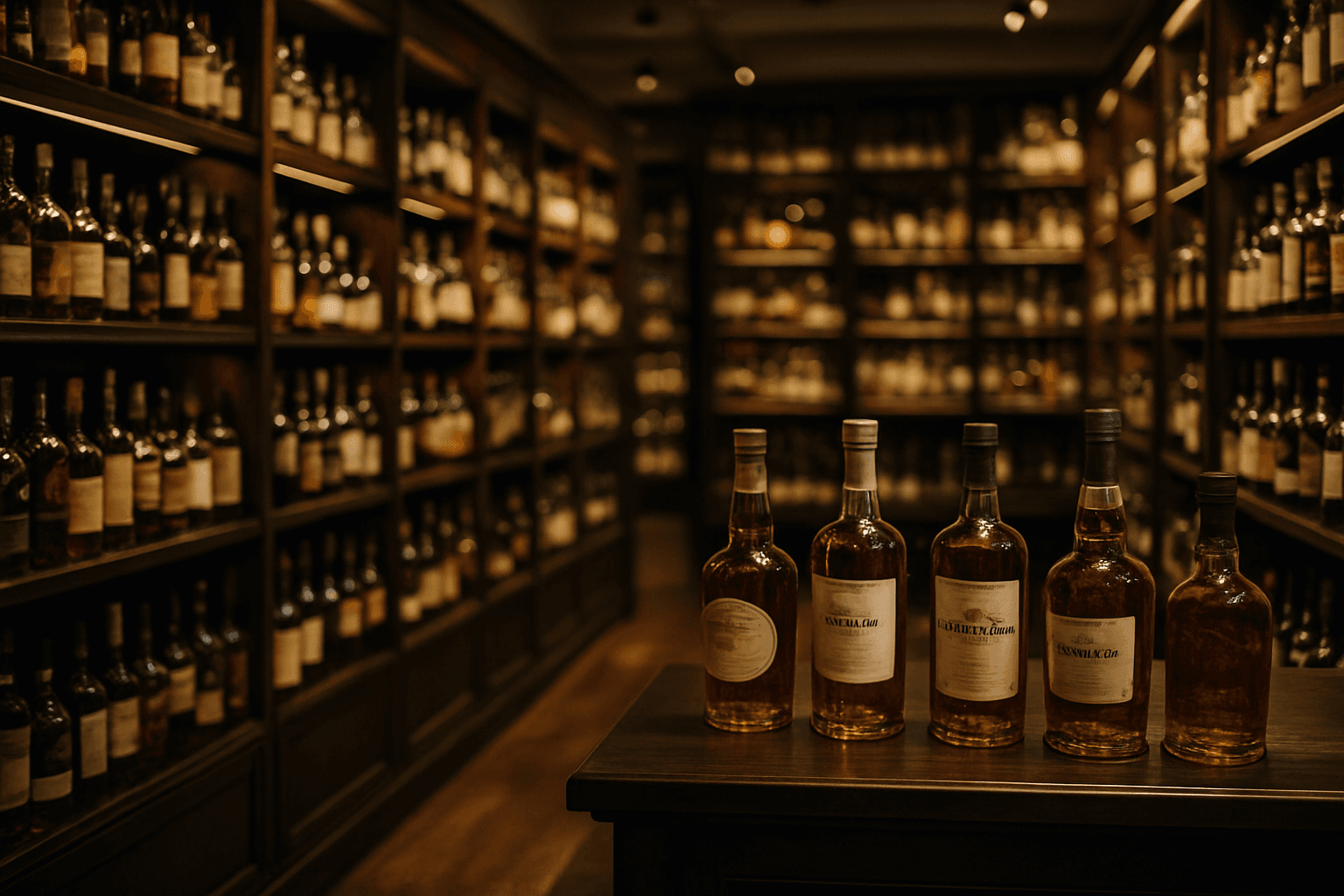
Invest in professional product photography because unlike restaurants, liquor stores can't let customers taste before buying—your visuals must do the heavy lifting. Clean, consistent images from professional designers instantly differentiate your online store from competitors relying on stock photos or blurry phone shots. Platforms like Dribbble feature 61 liquor store designs demonstrating how professional imagery elevates perceived value and builds customer trust. When shoppers can't sample your bourbon or wine before purchasing, high-quality visuals bridge that gap by showcasing color, labeling, and bottle presentation in a way that compels a decision. This investment signals professionalism and helps convert browsers into buyers.
Make sure your liquor store appears when customers search "liquor store near me." Local search drives both first-time visitors discovering your neighborhood shop and repeat customers who trust your selection. Embed Google Maps on your contact page, place your address in your header and footer, and naturally weave neighborhood keywords into your site content. Beyond your website, claim and optimize your Google Business Profile with current hours, photos, and reviews. This dual approach creates multiple entry points for local customers. Browse the 28 examples of best liquor store websites for 2026 (MyCodeLessWebsite) to see how top performers handle local SEO.
Intentionally Creative specializes in web design strategies that drive real results. Let us show you what's possible.
Schedule a CallDisplay age verification badges, security seals, and customer reviews above the fold to immediately reassure first-time visitors. Online liquor purchases require trust—customers need confidence they're buying from a legitimate, licensed retailer, not a scam site. Beyond badges, showcase your store's history, years in business, and location photos to humanize your brand. Include any industry awards, local recognition, or community involvement to build credibility. Customer reviews and testimonials provide social proof that real people have successfully ordered from you. Dribbble features 61 liquor store designs for inspiration from professional designers (Dribbble, https://dribbble.com/tags/liquor-store ↗), showing how top-performing sites prioritize trust elements. When visitors see proof of legitimacy upfront, they're far more likely to complete their purchase instead of abandoning their cart out of hesitation.
Every extra click in your checkout flow costs you sales. Liquor purchases already require age verification—don't compound that friction with complicated forms or account creation walls. Offer guest checkout, pre-fill information where possible, and clearly display shipping costs early. Support multiple payment options including Apple Pay and Google Pay for one-tap purchases. Show security badges prominently at the payment stage. When checkout feels effortless, customers complete their purchases; when it feels like work, they abandon their carts and often don't return. Test your checkout flow on actual mobile devices, asking yourself whether you'd complete a purchase if you were in a hurry.
Make it effortless for customers to buy again. Returning customers often generate higher lifetime value than first-time visitors, yet many liquor store websites make repeat purchasing unnecessarily complicated. Add prominent reorder buttons on product pages, subscription options for wine clubs or curated spirit bundles, and automated abandoned cart emails to capture sales you otherwise lose. With platforms like MyCodeLessWebsite compiling 28 examples of best liquor store websites for 2026 (https://mycodeleswebsite.com/liquor-store-website/ ↗), you can see how smart liquor store website design incorporates these features. Automation handles the follow-up so you can focus on curating products your regulars want to buy again.
Nobody waits around for a slow page to load—especially not weekend shoppers in a rush. Slow websites directly hurt your bottom line. To keep visitors engaged, compress your images before uploading them, enable browser caching so return visitors load pages faster, and choose a reliable hosting provider that won't buckle during Friday night traffic spikes. Test your site speed on mobile devices specifically, since most people browse on their phones. If your liquor store website design takes more than three seconds to load, you're likely losing sales to faster competitors. Run a free speed test today and fix the biggest offenders first.
The difference between a website that collects dust and one that fills your registers comes down to intentional design choices. Each element on this list works together—mobile speed feeds local traffic, trust signals convert browsers, and automation keeps customers coming back. Pick one area to tackle this week, test the results, and build from there. Your next repeat customer is probably browsing right now—make sure your site is ready for them.
10+ years helping liquor retailers and beverage brands grow through data-driven digital marketing. Learn more
Mobile-first navigation ranks as the most critical element because liquor shoppers frequently search on their phones, especially for local stores. Your navigation must be intuitive, fast, and guide visitors directly to checkout without friction.
Display trust signals prominently: age verification badges, customer reviews, your license information, store history, and physical address. Since customers can't sample products, these social proof elements help replace the in-store experience of trust.
Yes. Every liquor store website must include seamless age verification at checkout, clear disclaimers, and compliance with state regulations. Build this into the user experience rather than treating it as an afterthought that creates friction.
Local SEO helps nearby customers find your store when searching for nearby options or specific products. Combined with your website, it captures both discovery searches and repeat purchase intent from local shoppers.
Yes. Automation features like abandoned cart recovery, reorder options, and automated email follow-ups capture sales you'd otherwise lose. These systems work around the clock to nurture customers and drive repeat purchases with minimal ongoing effort.
Best practice is to aim for load times under three seconds on mobile devices. Slow loading speeds directly reduce conversions, especially during high-traffic periods like weekends or holidays.
Design platforms like Dribbble and Behance feature professional portfolios worth exploring. Industry-specific inspiration sites and Pinterest also offer curated collections of effective examples that can inform your own design decisions.