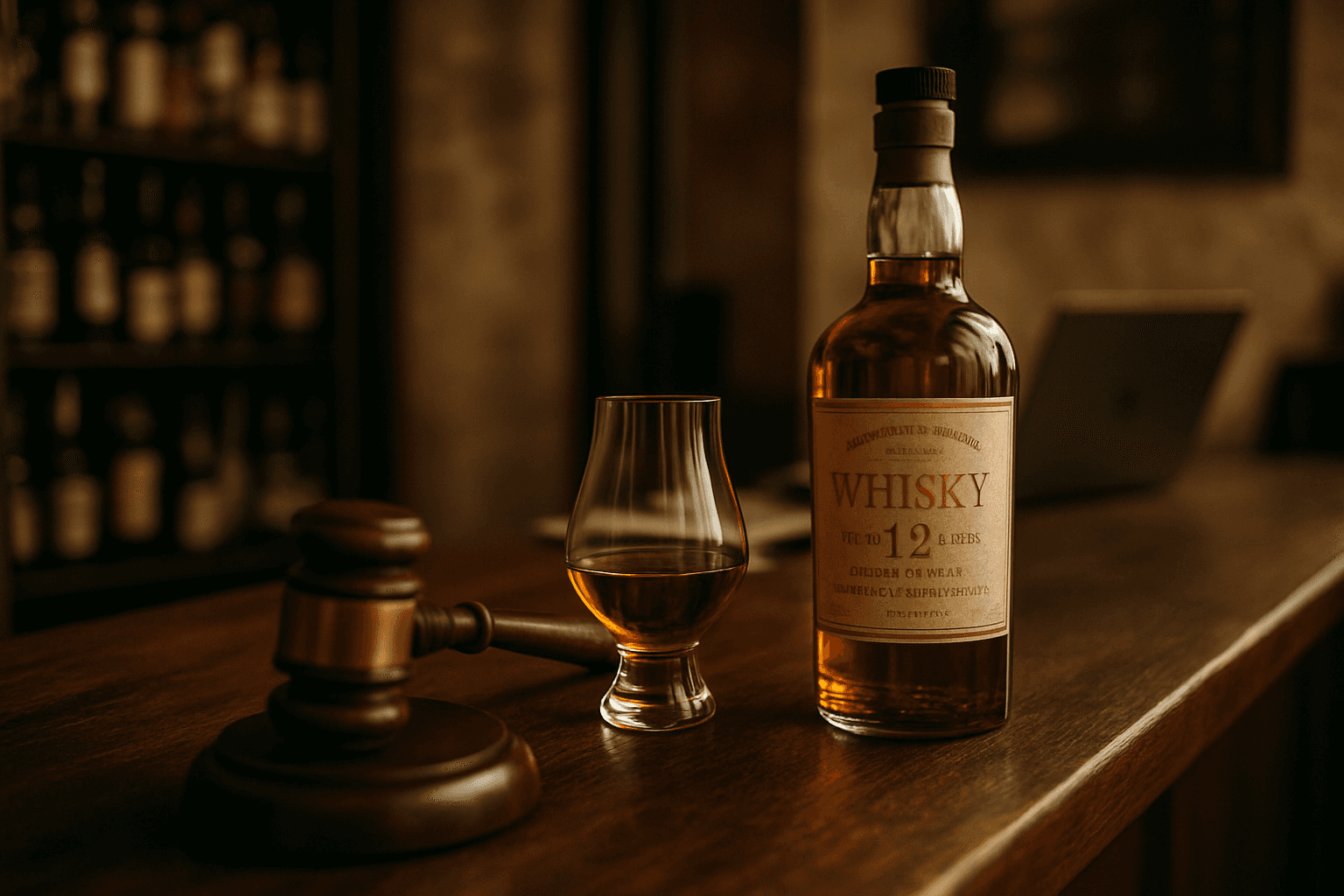
For decades, traditional wine auctions dominated the secondary market for collectible beverages. Now, the rise of online auction platforms signals a notable shift. Expansion by auction houses into new markets represents a strategic bet on Asian whisky collectors—a demographic that has grown increasingly influential in global spirits markets.
What does this mean for the broader auction house landscape? When major players invest resources in new geographic hubs, it validates demand that already exists. Hong Kong has long been recognized as a gateway between Western collectors and Asian buyers. By establishing a presence there, auction platforms are positioning themselves to capture a growing segment of buyers who previously had limited access to rare whisky auctions outside of established European houses.
This development carries real implications for independent retailers, even if you're not directly involved in auctions. The emergence of a robust whisky secondary market in Asia tells us something important: consumer interest in rare and collectible whisky is not a passing trend. It's a sustained movement that continues to attract investment capital and institutional attention.
The question is no longer whether rare whisky matters—it's how you'll position your store to benefit from the attention now flowing into this space.
The Evolution of Whisky as an Investment Asset
Whisky has evolved far beyond the dram in your glass. Over recent years, rare and aged expressions have transformed into legitimate investment assets, drawing attention from collectors, financial advisors, and media outlets worldwide. The difference between an everyday bottle and a highly sought-after collector's piece often comes down to a story: the distillery's history, a closed production facility, a single cask from a legendary master distiller. This provenance storytelling creates both emotional resonance and financial value—two things that drive collectors to open their wallets.
The mechanisms behind whisky's ascent mirror classic supply-demand dynamics. When distilleries close or discontinue expressions, scarcity kicks in. Limited annual releases create urgency. The whisky secondary market has grown to accommodate this demand, with collectors seeking bottles that may never see a retail shelf again.
Wine has long dominated the rare spirits investment space, but savvy collectors are expanding their portfolios. The Hong Kong whisky market exemplifies this shift—Asia has emerged as a significant hub for whisky investment activity, with market observers noting increased collector participation.
For independent retailers, this matters more than you might think. Your customers are likely already researching whisky investments online, comparing prices across auction platforms, and building wish lists of hard-to-find bottles. The question isn't whether they're interested—it's whether your store appears in that conversation.
Positioning your business as a trusted source for allocation picks, limited releases, and educational guidance keeps you relevant in an evolving market where provenance and access drive customer loyalty.
Hong Kong's Strategic Position in the Whisky Market
Hong Kong sits at the crossroads of East and West, making it a natural bridge for the whisky secondary market. Its proximity to mainland China—where demand for rare and aged spirits has surged—positions the city as the first point of contact for Western auction houses seeking Asian buyers. When collectors in Guangzhou, Shanghai, or Beijing want access to a rare whisky auction, Hong Kong's logistics networks and familiar business practices make it the easiest entry point.
This geographical advantage means Hong Kong has become a tasting room, storage hub, and trading floor all at once. For your store, understanding which bottles flow through this gateway can help you recognize patterns before they reach your shelves.
Tax-Free Trading Environment
One of Hong Kong's most significant draws is its minimal alcohol taxation. Unlike many markets where excise duties add substantial costs, Hong Kong levies no duty on wine or spirits. This creates a favorable environment for storage and trade, attracting both short-term flippers and long-term investors building collections.
For liquor retailers, recognizing that Hong Kong functions as a low-friction storage and exchange point explains why certain limited releases appear there first—and often command premiums before reaching other markets. When your high-value customers ask about whisky investment Asia trends, pointing them toward how Hong Kong facilitates these transactions demonstrates market awareness they won't find at big-box retailers.