Distressed Liquor Inventory: A Liquor Store Owner's Guide to Capitalizing on Supplier Disruptions
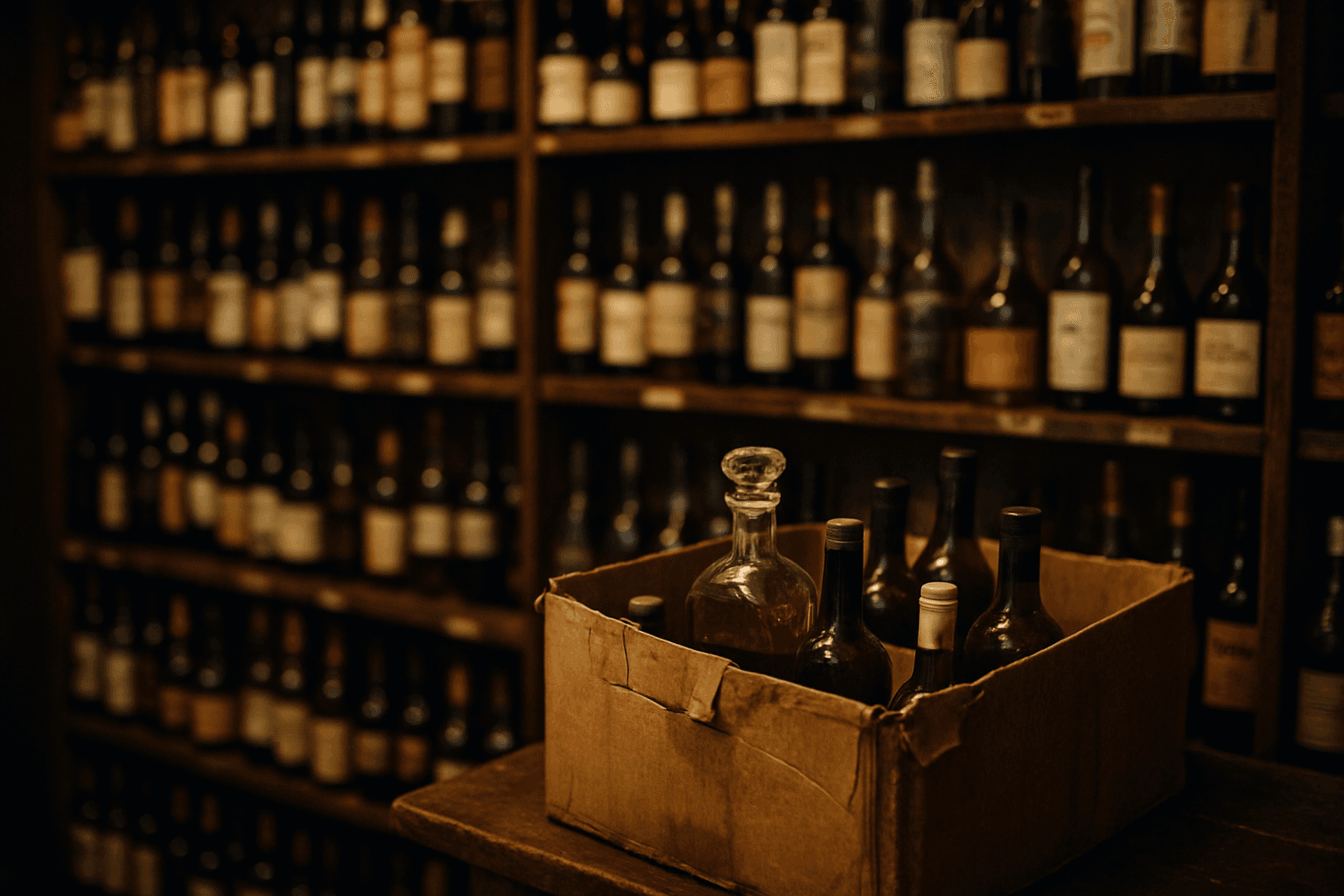
Learn how liquor store owners can profit from distressed liquor inventory during supplier disruptions. Proven strategies for buying bulk inventory liquidation deals.
- Understanding Distressed Liquor Inventory
- Where to Find Distressed Liquor Inventory
- Evaluating Opportunities
- Executing Fast, Profitable Moves
- Protecting Your Brand Positioning
Every liquor store owner faces the same challenge: customers expect premium products at competitive prices, but your margins leave little room for error. Now imagine having access to high-quality spirits, wines, and craft beverages at costs well below your usual wholesale prices. This isn't a fantasy—it's a legitimate strategy that independent retailers across the country are using right now.
Supplier disruptions create unexpected windows for acquiring distressed liquor inventory. When distilleries face financial pressure, brands discontinue products, or wholesalers liquidate stock, opportunities emerge for retailers positioned to move quickly. Understanding how this market works gives you a genuine advantage over competitors still relying solely on traditional distribution channels.
The alcoholic beverage industry has faced increased financial distress amid changing consumer preferences and trade pressures. These pressures create ripple effects through the supply chain—and for savvy liquor store operators, those ripples translate into buying opportunities.
Learn how email segmentation for liquor stores drives repeat sales with a 4,200% ROI. List-building tactics, purchase...
This guide walks you through everything from identifying legitimate liquidation sources to executing fast, profitable inventory moves. By the end, you'll have a clear roadmap for turning supplier volatility into a sustainable competitive advantage.
Understanding Distressed Liquor Inventory
The alcoholic beverage industry has faced increased financial distress amid declining demand, consumer preference changes, and tariffs. This economic pressure creates legitimate buying opportunities for retailers who know where to look. When suppliers struggle with cash flow, they need to move inventory fast. That's where distressed liquor inventory becomes your opportunity.
10+ years helping liquor retailers and beverage brands grow through data-driven digital marketing. Learn more