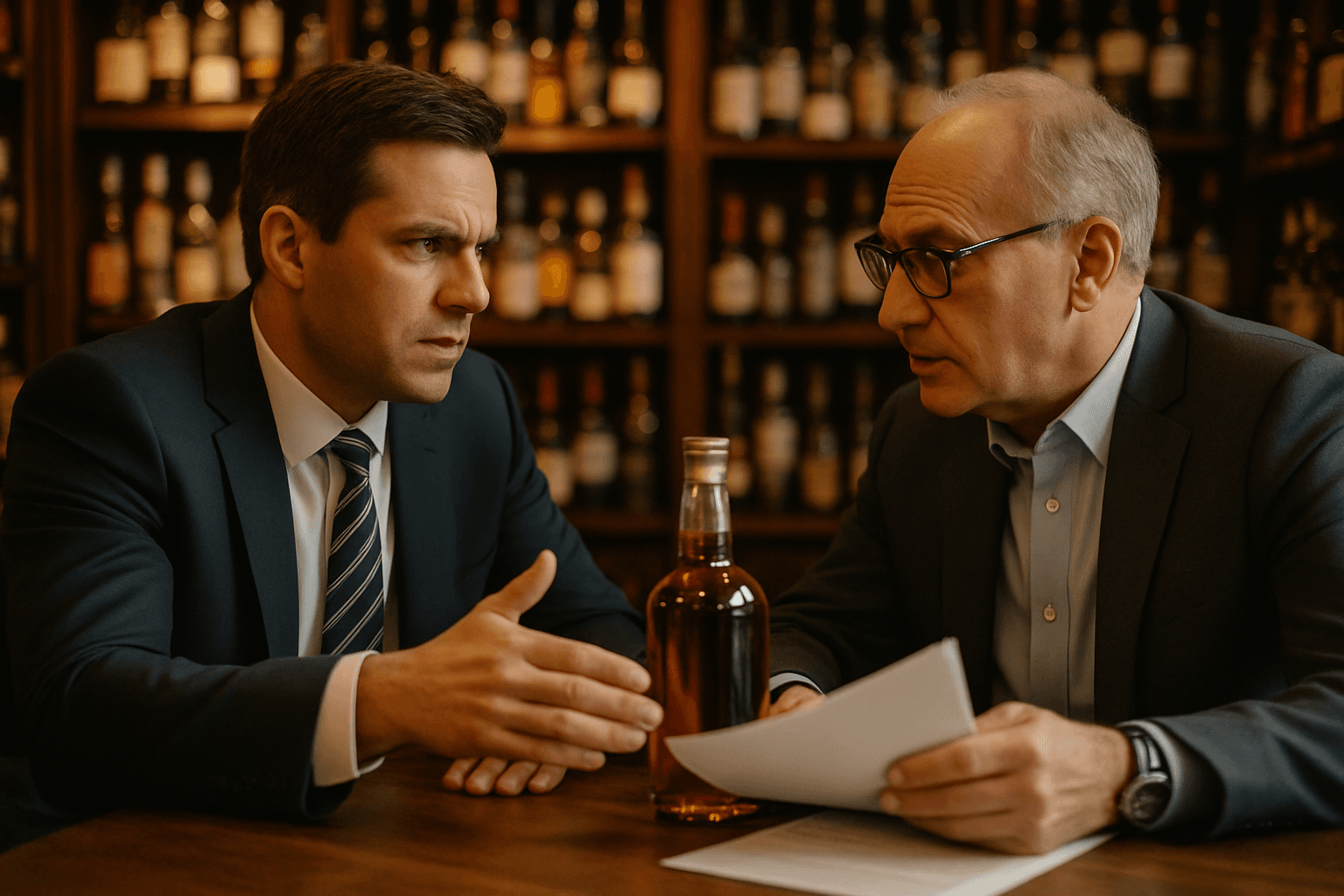
Marriott Drops Pepsi for Coke: What Liquor Vendor Negotiation Strategies Independent Stores Can Learn
tags for paragraphs - Use
- /
- Exit clauses determine how and when you can end the relationship without penalty—critical information if a supplier fails to deliver or market conditions shift.
- Minimum volume commitments bind you to purchasing thresholds that can become financial burdens during slow seasons or unexpected disruptions.
- The vendor insists you must drop competing brands to unlock "preferred" pricing
- The deal is presented as take-it-or-leave-it with a tight deadline
- Promised volume discounts require you to sacrifice the product mix your customers actually want
- Pull out your existing distributor agreements and read every exclusivity clause before renewal. These deals often hide restrictions that limit your ability to stock trending categories or respond to customer demand. If you're locked out of growth areas, you're ceding shelf space—and revenue—to competitors.
- Build relationships with backup suppliers now, while business is steady. Reaching out when you're already in a tight spot means negotiating from weakness, which gets you worse terms and less support.
- Walk into your next vendor meeting armed with your own data—sell-through rates, customer purchase patterns, and your promotional track record. Suppliers respect evidence, and you negotiate better when you can anchor conversations in performance rather than hope.
- for lists
- Add alt text as HTML comments for image placeholders
- Keep HTML clean, no inline styles
- Preserve all links
Let me structure this properly:
1. Opening
title and tagline 3. Introduction section 4. Multiple sections with h2 and h3 headings 5. Lists for the "Three Immediate Actions" and other items 6. Sources section with links 7. Closing
When Titans Switch: What Marriott's Pepsi-to-Coke Move Tells Us About Vendor Power
Master liquor vendor negotiation strategies before your next distributor conversation—because the big chains aren't the only ones feeling the squeeze.
When Marriott International walked away from a 35-year partnership with Pepsi to align exclusively with Coke, it sent shockwaves through the beverage industry. Headlines screamed about the scale of the deal, the strategic calculus, and what it meant for the future of hospitality partnerships. But here's what most coverage missed: these exclusivity shifts don't just affect the Marriotts of the world. They cascade down through every level of distribution—and independent liquor store owners are increasingly caught in the undertow.
The same forces driving beverage exclusivity deals at the hospitality level are reshaping liquor store supplier relationships across the country. Distributors are consolidating, terms are tightening, and the pressure to commit is mounting for retailers of every size. The question isn't whether this trend will reach your counter—it's whether you'll be ready when it does.
That's why solid liquor vendor negotiation strategies matter more than ever for independent operators. Understanding how these agreements work, where the pressure points are, and how to push back without burning bridges can mean the difference between thriving and merely surviving in a tightening market.
The Anatomy of Beverage Exclusivity Deals: How They Actually Work
A beverage exclusivity deal isn't just a discount arrangement—it's a binding commitment that determines what you can and cannot sell. According to industry resources, exclusive contracts entail granting a single beverage company exclusive rights to sell products on your premises, effectively locking you out of competitors' offerings. These arrangements lock in partners for specific terms—typically one to five years—and can significantly restrict product availability.
For the hospitality industry, the stakes are well-documented. As seen in trade discussions, most restaurants sign agreements with either Pepsi or Coke exclusively, which means they cannot serve competing products. For your store, exclusivity pressures might mean limited access to certain brands or price tiers from your distributors.
Exclusivity in Liquor vs. Hospitality: Similar Pressures, Different Products
The hospitality industry has dealt with exclusivity pressure for decades, but the tactics are evolving. With beverage M&A deal volume declining 12.5% year-over-year to 98 transactions in year-to-date 2025, suppliers are becoming more aggressive about protecting their accounts.
For liquor retailers, similar exclusivity pressures exist with distributors—particularly in allocation situations for high-demand spirits. The difference? You're not locked into a single source for everything, which means smart liquor vendor negotiation strategies can give you flexibility where hospitality operators have none.
Understanding where you have (and don't have) room to negotiate is critical to protecting your margins and product selection.
Beyond Volume: Liquor Vendor Negotiation Strategies That Actually Move the Needle
What makes these hospitality beverage industry trends so instructive for liquor store owners isn't the scale—it's the structure. When a major player switches suppliers, the ripples reveal the exact playbook distributors use at every level. Now let's translate those lessons into actionable tactics you can use.
Stop Negotiating on Price Alone
Most independent liquor store owners jump straight to percentage points when discussing vendor deals. That's leaving money on the table.
Distributors have soft spots that matter far more to your bottom line than a point or two of margin. We're talking promotional support, placement priority on shelves, access to marketing co-op funds, and product training for your staff. These are the levers that actually move product.
When you're mapping out your liquor vendor negotiation strategies, think about what matters most to your business. Is prime endcap placement worth more than a better buy price? Could staff education on a new mezcal line drive more sales than a discount ever could? Early access to trending spirits before your competition hits the market? Negotiate those terms explicitly.
Trading Predictability for Real Gains
Here's an underused tactic: offer vendors predictability in exchange for better terms. Commit to consistent order volumes, faster payment cycles, or featuring their new releases. Vendors value reliability—it helps them plan production and distribution.
This kind of arrangement works because it's a two-way street. You're reducing their risk, so they're more willing to reduce yours on the things that actually matter to your store.
Building Your Negotiation Intelligence: Research and Relationship Tactics
Before you sit down at the negotiating table, you need to understand the landscape you're operating in. Tracking industry consolidation trends tells you which distributors are gaining market power and which may be more motivated to protect existing accounts—knowledge that directly shapes your negotiating posture.
Beverage M&A activity offers one window into these dynamics. According to current market data, deal volume has declined year-over-year, which may signal consolidation fatigue among major players. Watching hospitality beverage industry trends helps you anticipate shifts before they land on your desk.
Don't overlook the power of exclusivity deal examples from adjacent industries. Understanding how beverage exclusivity deals work elsewhere sharpens your ability to evaluate what's being offered—and what's being withheld—in your own agreements.
Where to Find the Market Data You Need
Your most valuable intelligence often comes from other liquor store owners. Networking reveals what terms others are securing—information suppliers won't volunteer. Ask directly: what pricing are they getting? What promotional support? Where are suppliers drawing lines?
Before negotiations begin, research the distributor's current portfolio challenges and inventory pressures. Your best liquor vendor negotiation strategies begin with understanding your own leverage.
Peer Networks: Your Hidden Negotiation Weapon
Combine peer insights with your own numbers. Document your store's sales data and customer metrics before negotiations begin. Suppliers respect evidence, and you negotiate better when you can anchor conversations in performance rather than hope.
The Legal Reality: Protecting Yourself in Supplier Exclusivity Agreements
The tactics are only half the battle. Understanding the legal framework of beverage exclusivity deals—and knowing when to bring in reinforcements—can save you from agreements that look good on paper but handcuff your business for years.
Why General Lawyers Fall Short
When you're reviewing distribution agreements with suppliers, your cousin's business attorney might seem like a cost-effective choice—but the beverage exclusivity deals you'll encounter have industry-specific pitfalls that general practitioners often miss. Industry resources recommend seeking lawyers who specialize in distributor agreements, as they understand the nuances that could save your store thousands or expose you to serious liability. Your standard business attorney may not recognize clauses that are industry norms but legally risky for your specific situation.
Key Clauses Every Liquor Store Owner Should Understand
Before signing anything, you need a clear picture of what you're committing to.
Understanding federal pricing regulations is equally important—these rules govern how suppliers can offer deals to different retailers, and knowing them helps you spot practices that might disadvantage your store. Exclusive dealing arrangements can create legal exposure if they limit fair competition, so understanding your rights protects your business from one-sided terms.
The most effective liquor vendor negotiation strategies always begin with knowing exactly what you're signing—and having someone who speaks the industry's language review it first.
When Vendors Come Calling: How to Respond to Exclusivity Pressure
Legal knowledge protects you, but knowing how to navigate the moment a vendor comes calling keeps you out of those legal headaches in the first place. The best negotiation happens before you're cornered.
Signs a Supplier Is Pushing for Too Much
Successful independent stores don't just attract customers—they attract vendor attention too. When a supplier approaches your store about an exclusivity arrangement, it signals they see value in your location and customer base. But that flattery comes with strings attached.
Watch for these pressure tactics:
Effective liquor vendor negotiation strategies mean recognizing when an offer strengthens your business versus when it shackles you.
How to Say No Without Burning the Relationship
The beverage exclusivity deals that work against retailers—like the Pepsi or Coke arrangements common in restaurants—show exactly how these agreements can backfire, limiting what you're permitted to stock. Before signing anything, evaluate the offer against your actual customer base. Are your shoppers demanding craft spirits or specialty mixers that exclusivity would prevent you from carrying? If so, the math doesn't work.
The strongest position you hold is having options. Maintain leverage by diversifying your supplier relationships—when you depend on one distributor for too much of your inventory, you lose negotiating power. Consider building your private brand program instead, which offers margin opportunities without exclusive distributor dependencies. The hospitality beverage industry trends increasingly favor flexibility, and vendors need retailers like you as much as you need them.
The Bottom Line: What Independent Liquor Stores Should Do Now
Marriott spent 35 years locked into a single beverage partnership—and when priorities shifted, the breakup was messy. That's not a position you want to be in. Strong liquor vendor negotiation strategies start with protecting your flexibility today.
Three Immediate Actions to Strengthen Your Vendor Position
Avoiding Marriott's Mistake: Why Flexibility Beats Big Commitments
Beverage exclusivity deals are common—most restaurants sign exclusively with either Pepsi or Coke, which prevents them from serving competitors' products. But these arrangements can stifle your ability to capitalize on shifting consumer tastes. Protect your liquor store supplier relationships by resisting the pull of short-term incentives that compromise long-term flexibility.
The beverage industry is changing fast, and the independent operators who adapt will be the ones writing the next chapter of this story. Effective liquor vendor negotiation strategies aren't about outmuscling distributors—they're about outsmarting them. Know your worth, protect your flexibility, and never stop building the relationships and knowledge that give you leverage at the table.
Your next step: Review your current distributor agreements this week. Identify any exclusivity clauses that might be limiting your product selection or pricing power. Then, reach out to one backup supplier you've been meaning to cultivate. Small moves today create big advantages tomorrow.
Sources
10+ years helping liquor retailers and beverage brands grow through data-driven digital marketing. Learn more