Cascahuín Tequila Lands National U.S. Distribution: Heritage Agave Brands Worth Watching and How to Pitch Them to Your Customers
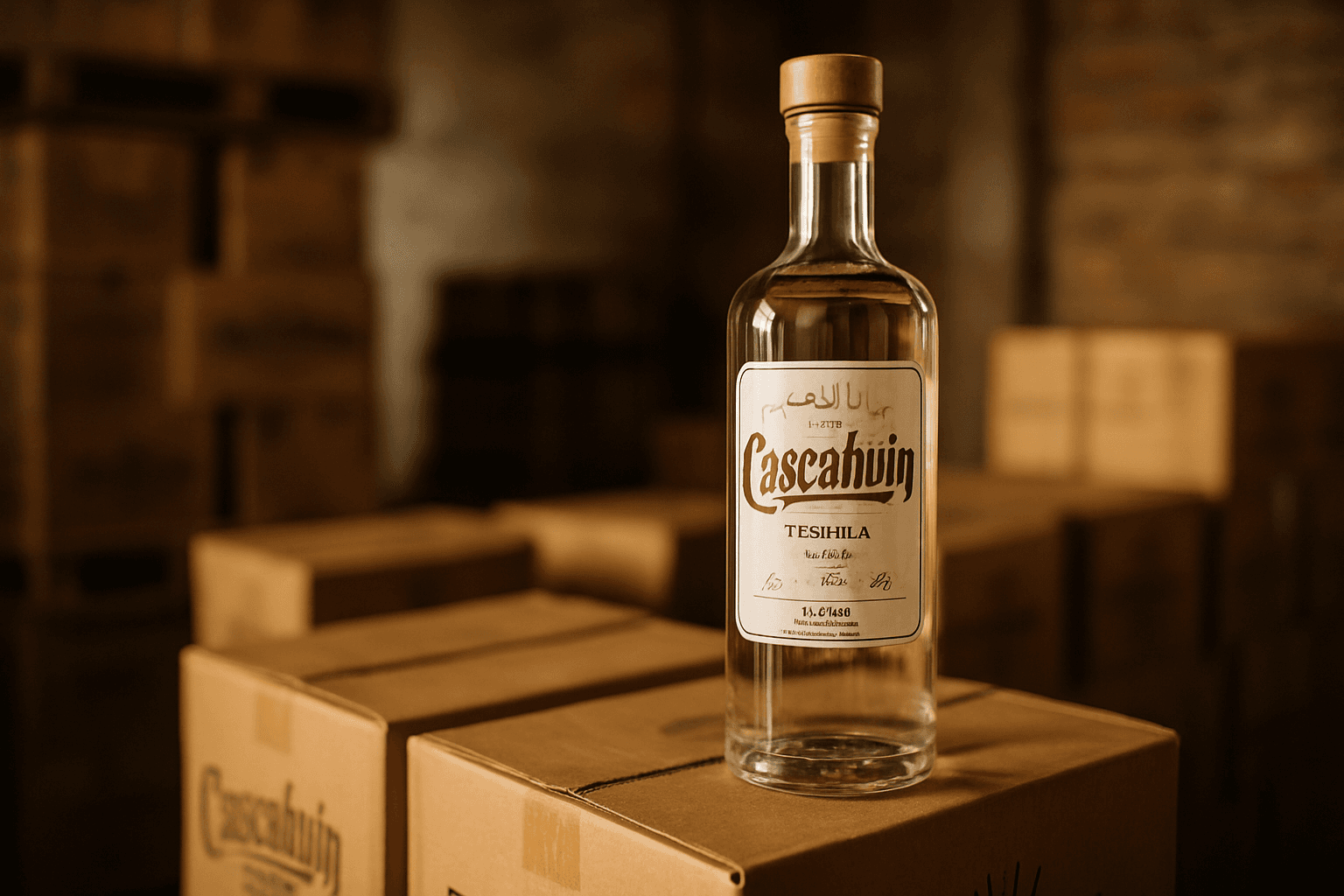
Cascahuín tequila US distribution just went national. Here's what retailers need to know about this heritage brand and how to sell craft tequila in your store.
- Cascahuín Just Went National — Here's Why That Matters for Your Shelves
- 120 Years of Family-Owned Tequila: The Cascahuín Story in 60 Seconds
- The Full Cascahuín Portfolio: What to Stock and Why
- Why Heritage Tequila Brands Are Outselling Celebrity Bottles
- How to Sell Craft Tequila in Your Liquor Store: 5 Practical Tactics
If you've been paying attention to the premium tequila space — and as a liquor retailer, you should be — you already know the market is splitting in two. On one side, celebrity-backed bottles fighting for Instagram impressions. On the other, heritage distilleries with actual history, actual craft, and actual staying power on your shelves. The Cascahuín tequila US distribution deal announced in April 2026 just dropped one of Mexico's oldest family-owned distilleries squarely into the second category — and squarely into your buying window.
Cascahuín has been making tequila since 1904. Five generations. One distillery. Zero shortcuts. Until now, getting their bottles required being in the right regional market or knowing the right people. That's over. With T. Edward Wines & Spirits handling national representation, every independent retailer in the country can stock a brand that tequila enthusiasts have been quietly obsessing over for years.
This post breaks down what the distribution deal means for your business, why heritage brands are eating into celebrity bottle sales, and — most importantly — exactly how to position and sell craft tequila in your store. Whether you're already deep in the agave category or just starting to take it seriously, there's a playbook here for you.
Cascahuín Just Went National — Here's Why That Matters for Your Shelves
On April 8, 2026, Cascahuín Tequila announced a partnership with T. Edward Wines & Spirits (TEW) for national U.S. representation. If you're an independent liquor retailer, this is worth more than a passing glance — it's a buying window.
The Distribution Deal: T. Edward Wines & Spirits Takes the Reins
Previously, Cascahuín moved through Skurnik Wines & Spirits, which meant limited regional availability. If you weren't in one of their legacy markets, getting bottles on your shelves required workarounds — or luck. The TEW partnership changes that equation. You're looking at broader rep coverage, streamlined ordering, and — critically — consistent supply. TEW has the national infrastructure to keep your backbar stocked without the headaches.
From Regional Gem to National Availability
Here's the signal worth reading: Cascahuín isn't some startup riding the agave hype cycle. This is a distillery founded in 1904, operating under NOM 1123, with over 120 years of continuous family production. Their Extra Añejo ages 48 months in American oak with an additional four-year stabilization period. Their Reposado bottles at 42% ABV — above the industry minimum — because they're chasing flavor, not cutting corners.
When a heritage tequila brand with that kind of pedigree makes a national push, it tells you where the premium tequila market is heading. Consumers are moving past celebrity-backed bottles and toward authenticity they can verify.
The smart move for retailers? Stock Cascahuín now, before mainstream saturation compresses your margin on differentiation. Early movers on craft tequila build the reputation — and the customer loyalty — that latecomers can't buy back.
Before you place an order, it helps to understand exactly what you're putting on your shelves — and why this brand carries weight that newer labels simply can't manufacture.
120 Years of Family-Owned Tequila: The Cascahuín Story in 60 Seconds
Here's the short version — because you're busy and this brand deserves your attention.
Cascahuín is one of the oldest continuously operating tequila distilleries in Mexico. Full stop. Founded in 1904, the Rosales family has been producing tequila for over a century, long before "heritage tequila brands" became a marketing buzzword. This isn't a celebrity vanity project or a corporate rollout with a backstory stapled on. It's the real thing.
Every batch traces back to the family's own agave fields or carefully sourced plants. That provenance alone sells bottles. When a customer picks up their Reposado or their Extra Añejo, they're holding something with a verifiable story behind it.
The Rosales Family Legacy Since 1904
Five generations, one distillery, and a track record that predates every celebrity bottle on your shelf by decades. That's the pitch your floor staff needs when learning how to sell craft tequila in liquor stores. Keep it simple and let the history do the heavy lifting.
What NOM 1123 and Additive-Free Certification Actually Mean
Every legitimate tequila distillery has a NOM — a registered production number assigned by the Mexican government. Cascahuín's is NOM 1123. Educated buyers actually look this up. Train your staff to mention it; it's a transparency marker that instantly signals authenticity.
Their additive-free certification matters even more. It means nothing artificial — no glycerin, no oak extract, no caramel coloring — was added post-distillation. This aligns directly with the fastest-growing demand trend in premium agave spirits: consumers who read labels and ask questions. Stock the answer.
Now that you know the story, let's talk product. Because a great backstory only matters if the liquid — and the lineup — can back it up.
The Full Cascahuín Portfolio: What to Stock and Why
With Cascahuín tequila US distribution now live through TEW, you're not picking up a single trendy SKU — you're getting access to a complete lineup from a distillery that's been running since 1904. A full portfolio lets you tell a story across your shelf, and it signals to serious tequila buyers that your store curates with intention.
Blanco, Reposado, Añejo, and the Showstopper Extra Añejo
The range covers every expression a tequila buyer looks for:
- Blanco — Your entry point. Clean, agave-forward, and perfect for the customer exploring heritage tequila brands beyond the usual suspects.
- Reposado — Bottled at 42% ABV, deliberately above the 40% minimum. That's not an accident. It's a commitment to fuller flavor, and it's the kind of concrete detail your staff can use on the floor. Enthusiasts notice. It's a small number that starts big conversations.
- Añejo — The bridge between casual sippers and collectors. Smooth enough for neat pours, complex enough to justify the price tag.
- Extra Añejo — This is your anchor. Aged 48 months in American oak barrels with an extended stabilization period, this bottle is a genuine conversation piece. It's also a high-margin play — the kind of bottle that draws eyes to your top shelf and pulls customers into the rest of the lineup.
Every expression carries NOM 1123 — a detail your best customers will notice without being told.
Price Positioning and Shelf Strategy
If you're figuring out how to sell craft tequila in liquor stores, placement is half the battle. Position Cascahuín in or near your artisanal or craft tequila section — never buried in the value row. Heritage brands earn their margin when they're visually separated from mass-market bottles.
Stocking the full range does something else, too: it tells your best customers you take agave spirits seriously. That kind of curation builds loyalty — not just to Cascahuín, but to your store. When a tequila enthusiast sees a complete lineup from a 120-year-old family distillery, they remember where they found it.
Of course, shelf strategy only works if you're reading the market correctly. And right now, the market is sending a very clear signal about which tequila brands are winning — and which are losing ground.
Why Heritage Tequila Brands Are Outselling Celebrity Bottles
The tequila aisle is shifting. While celebrity bottles still grab headlines, the dollars that matter most are quietly moving toward authenticity — and the Cascahuín national distribution deal is a perfect case study in why.
The "Forget Celebrity Spirits" Movement Is Real
VinePair's 2025 coverage put it bluntly: bartenders and industry experts are done pretending celebrity tequilas compete on quality. The piece highlighted a clear preference for family-owned, authentically produced heritage tequila brands — the kind with actual distilling history, not just a famous face on the label.
Cascahuín has been distilling since 1904. Their production choices — higher proof points, extended aging, additive-free certification — aren't marketing decisions. They're distilling convictions.
What Reddit and Enthusiast Communities Tell Us About Buying Behavior
Spend ten minutes in r/tequila and you'll see consumers trading NOM numbers like baseball cards. Cascahuín's NOM 1123 is a badge of credibility in these circles. Enthusiast communities actively track ownership structures, additive-free production, and provenance — and these educated buyers spend significantly more per bottle.
Here's what matters for your bottom line: heritage brands attract repeat, trade-up customers. Celebrity bottles may drive a one-time trial purchase, but stocking brands that build loyalty protects your margins over time.
Not every customer cares about NOM numbers. But the ones who do? They're your highest-value tequila buyers — and they're multiplying fast.
So the demand is there. The product is there. The distribution is there. Now let's get practical. Here's how to actually move these bottles once they're on your shelves.
Let our team show you what's possible.
our team specializes in branding strategies that drive real results. Let us show you what's possible.
Schedule a CallHow to Sell Craft Tequila in Your Liquor Store: 5 Practical Tactics
The question isn't whether to stock Cascahuín — it's how to move it off the shelf. Here are five tactics that actually work for heritage tequila brands.
Staff Education That Takes 10 Minutes, Not 10 Hours
Tactic 1 — Give your team three talking points per bottle. That's it. For Cascahuín: family-owned since 1904, additive-free certified, estate-sourced agave. If your staff can say those three things confidently, you'll convert browsers into buyers. Print them on an index card and tape it behind the register. Done.
Tactic 2 — Use shelf talkers that highlight provenance. Keep the copy tight: "Family-owned since 1904. Additive-free. NOM 1123." Educated buyers will recognize the signals immediately. Curious buyers will ask questions, and now your trained staff has answers.
Shelf Talkers, Tastings, and Social Media Plays
Tactic 3 — Host a tequila tasting event. Feature Cascahuín alongside one or two other heritage brands and position it as education, not a sales push. Teach customers the difference between additive-free and conventional production. You're building trust and basket size simultaneously.
Tactic 4 — Post the story on social media. A 30-second video of your staff explaining why you chose to carry Cascahuín outperforms any product photo. Mention the 120-plus years of family operation. Mention the Extra Añejo's extended aging program. Authenticity sells authenticity.
Tactic 5 — Create a "Heritage Tequila" endcap or dedicated shelf section. Grouping artisanal brands together creates a destination within your store and signals curation to high-value shoppers — the ones spending $60-plus per bottle without blinking.
Learning how to sell craft tequila in liquor stores isn't complicated. It's about giving your team and your customers just enough story to care.
Once you've nailed the Cascahuín sell-through, the natural next step is building out the category around it. A single heritage brand is a good start. A curated selection is a destination.
Other Heritage Tequila Brands Worth Watching in 2026
Cascahuín is the perfect anchor for a broader heritage tequila strategy on your shelves.
Building a Curated Agave Spirits Section
Cascahuín pairs beautifully alongside other heritage tequila brands that share its commitment to tradition and transparency. Consider stocking Fortaleza (stone-crushed, copper pot distilled), Pasote (estate-grown agave), Tapatio (family-run since 1937), or G4 (gravity-fed production). Each tells a story your staff can actually sell.
Here's a simple play: spotlight one heritage brand per month on your social channels and with an in-store display. That's twelve months of recurring content, zero creative burnout, and a tequila section that feels intentional rather than random.
This is how independents win. Big-box competitors default to volume brands. A curated heritage selection — anchored by a 120-year-old distillery like Cascahuín — is something they simply can't replicate.
The Bottom Line: Stock the Story, Sell the Bottle
Cascahuín tequila US distribution through T. Edward Wines & Spirits just made a 120-year-old heritage brand available to retailers nationwide — for the first time ever. That's a real window of opportunity.
Here's your move: contact your TEW rep, get the portfolio on your shelves, and train your staff on the story — NOM 1123, family-operated since 1904, extended-aged Extra Añejo. Market it as a curated pick, not just another SKU filling shelf space.
The retailers customers come back to are the ones who stock brands with real stories behind them. Cascahuín has 120 years of story to sell.
Ready to build out your heritage tequila section? Reach out to your T. Edward Wines & Spirits representative today to check availability in your market — and start turning shelf space into a competitive advantage.
10+ years helping liquor retailers and beverage brands grow through data-driven digital marketing. Learn more