Craft Brewery Closures Are Accelerating: How to Audit Your Craft Beer Section and Protect Your Store from Supply Disruptions
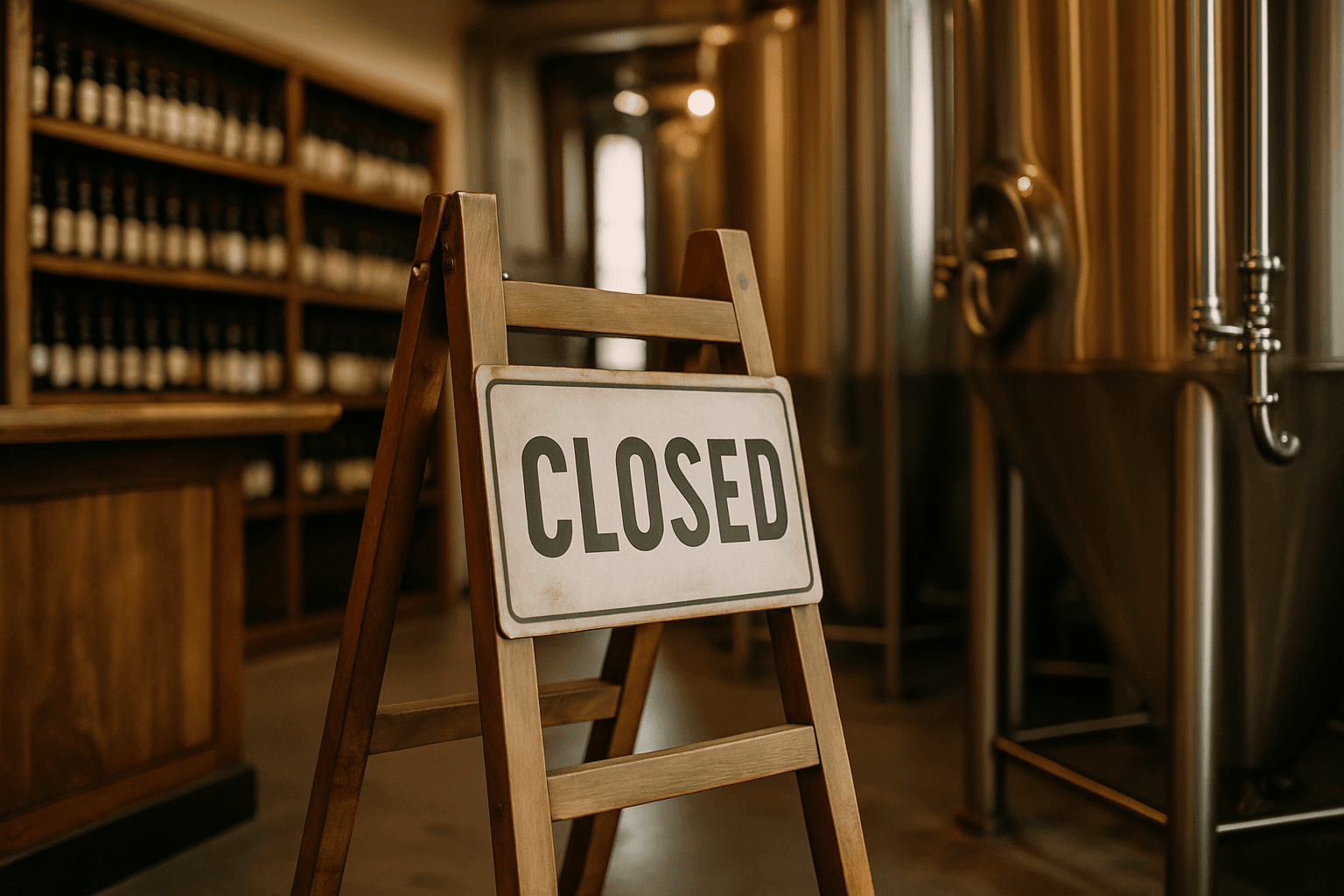
434 craft brewery closures in 2025 outpaced openings for the first time. Learn how to audit your craft beer section and protect your store from supply gaps.
- The Numbers Are In: Craft Brewery Closures Hit a Tipping Point
- Why This Is Happening: The Forces Squeezing Craft Breweries
- Why Liquor Store Owners Should Care Right Now
- How to Audit Your Craft Beer Section: A Practical Playbook
- Building a Craft Beer Section That's Disruption-Proof
For over a decade, the craft beer story wrote itself: more breweries, more brands, more shelf space, more sales. You could stock your craft section with a "more is more" mentality and ride the wave. That wave just broke. Craft brewery closures are now outpacing openings for the first time in the industry's modern history, and the pace is picking up — not slowing down. If you run a liquor store, this shift has direct, dollars-and-cents consequences for your business.
The good news? This isn't a eulogy for craft beer. It's a wake-up call — and the retailers who respond now will come out ahead. The ones who keep running on autopilot will lose SKUs, lose customers, and lose ground to competitors who saw this coming. This post breaks down exactly what's happening, why it matters to your bottom line, and gives you a practical, repeatable playbook to audit your craft beer section and stay ahead of the disruption.
Let's start with the numbers.
The Numbers Are In: Craft Brewery Closures Hit a Tipping Point
Let's cut straight to it: 434 US craft breweries closed in 2025, while only 268 opened, according to Brewers Association data. That net loss of 166 breweries in a single year signals something structural, not cyclical. The Brewers Association is calling it a "painful period of rationalization."
Learn how email segmentation for liquor stores drives repeat sales with a 4,200% ROI. List-building tactics, purchase...
Craft beer sales declined 4% last year. Consumers are shifting — toward spirits, RTDs, non-alcoholic options, or simply buying fewer SKUs. That demand-side squeeze is starving breweries of the revenue they need to survive.
It's Not Just the Little Guys Going Under
Here's what should really get your attention: size doesn't equal safety. Iron Hill Brewery — a 22-location operation — filed for bankruptcy and shuttered its doors. [VERIFY: Confirm current status — reports suggest approximately five locations may be attempting to reopen under new ownership.] 21st Amendment Brewery closed its original San Francisco brewpub. [VERIFY: Confirm whether the broader brewing/distribution operation continues.] Thimble Island Brewing Co. shut down. These weren't homebrew experiments that couldn't scale. They were established, recognizable brands.
And the closures cluster geographically. The Chicago market lost five breweries in just six weeks in early 2025. If you're carrying local craft brands — and you should be — you could lose multiple SKUs in a single month with zero warning.
Wine shops are becoming experience destinations by adding tastings, classes, and events. See how real retailers are d...
Every one of these closures represents a SKU that could vanish from your shelf. Your regulars who buy that specific IPA every Friday? They'll notice before you do — and they'll wonder why you weren't prepared.
That's exactly why a proactive craft beer audit matters right now. Not next quarter. Now.
Why This Is Happening: The Forces Squeezing Craft Breweries
The numbers tell the story. But to protect your business, you need to understand why — because the forces driving these craft brewery closures aren't going away anytime soon.
Learn how to run compliant, high-performing Google Ads for liquor stores. Covers campaign setup, bidding strategies, ...
Consumer Habits Shifted — and Didn't Shift Back
COVID permanently rewired how people drink. The shift from taprooms and bars to at-home consumption stuck — and breweries built around the taproom experience lost their core revenue model. Many never recovered.
Here's what matters for your store: some breweries aren't fully closing — they're shuttering taprooms and leaning harder into retail distribution. Your shelves are becoming their lifeline. That creates opportunity and risk you need to manage.
Supply Chain Pressures Are Making It Worse
Even breweries that survive are struggling to source malt, hops, yeast, and packaging materials consistently. This means shelf gaps don't always come from closures — sometimes they come from breweries that are technically still open but can't deliver on schedule.
Consolidation is emerging as a survival strategy, too. Chicago's Half Acre and Maplewood merged, and deals like this can change brand names, packaging, and distribution partners overnight. Without a regular audit process, you won't see these disruptions coming until customers are staring at empty slots.
Why Liquor Store Owners Should Care Right Now
Regional Closures Hit Fast and Hard
Craft brewery closures don't spread evenly — they cluster. When a regional market loses multiple breweries in quick succession, the impact on local retailers is immediate. By the time a brewery announces it's done, your distributor may already be out of stock. Supply disruptions don't wait for you to find a replacement.
Your Craft Beer Section Is a Liability If You're Not Watching It
Dead shelf space costs you twice: once in lost revenue, and again in lost credibility. A craft beer section with dusty cans, discontinued labels, and gaps where popular brands used to sit tells your best customers you're asleep at the wheel.
That matters because craft beer buyers tend to be your highest-margin, highest-frequency shoppers. They notice details. They talk to each other. Losing their trust because your selection looks neglected is one of the most expensive quiet mistakes a store can make.
This is why craft beer section management has to be proactive. A quarterly audit — checking sell-through rates, monitoring brewery health, and building backup supplier relationships — beats scrambling after the fact every single time.
How to Audit Your Craft Beer Section: A Practical Playbook
Hoping for the best isn't a strategy. Here's a straightforward, repeatable process to protect your shelves and your bottom line.
Step 1: Identify Your At-Risk SKUs
Start by listing every craft brand you carry. Then do some homework on each brewery's health. This doesn't need to take all week — but it does need to happen.
Look for warning signs: inconsistent deliveries, a shrinking lineup from a brewery that used to send you six varieties, silence on their social media, or news about layoffs and taproom closures.
Flag any brand from a brewery with fewer than five years in business or a limited distribution footprint. These aren't automatic cuts — they're watch-list items. Closures are hitting smaller, younger operations hardest, and your audit should reflect that reality.
Step 2: Check Velocity and Margin on Every Craft SKU
Pull your sales data from the last 90 days. Identify your top 20% — the craft SKUs that actually move — and your bottom 20%, the ones collecting dust and tying up capital.
Then calculate margin per linear foot of shelf space. This is where section management gets real: craft beer should earn its real estate the same way your bourbon and tequila do. If a slow-moving craft SKU is occupying prime shelf space, that's a problem you can fix today.
Step 3: Evaluate Your Distributor Relationships
Call your distributors. Ask them directly: which craft brands are they confident will maintain consistent supply over the next 6–12 months? What new brands are entering their portfolio that could fill gaps?
A good distributor will be honest about risk. If yours dodges the question or sugarcoats everything, that's its own red flag — and worth noting.
Bonus: Create a simple tracking spreadsheet and set a quarterly calendar reminder to repeat this audit. The craft beer landscape is shifting too fast for annual reviews to cut it anymore.
Let our team show you what's possible.
our team specializes in digital marketing strategies that drive real results. Let us show you what's possible.
Schedule a CallBuilding a Craft Beer Section That's Disruption-Proof
Auditing your section tells you where you stand today. The real competitive advantage comes from building a section that can absorb hits without missing a beat.
Diversify Your Craft Beer Portfolio Like an Investment
Think of your shelf space the way a financial advisor thinks about a portfolio: spread the risk.
Our recommendation: no single craft brewery should represent more than 10–15% of your craft beer shelf space — unless it's a proven, stable producer with rock-solid distribution. When a major brand disappears overnight, retailers who leaned heavily on it scramble. Diversification is your insurance policy.
Balance your mix across three tiers: local, regional, and national craft brands. Local brands drive loyalty and set your store apart from the chain down the street. National craft brands — Sierra Nevada, Boston Beer, Deschutes — provide the supply stability that keeps your section full. You need both, and you need neither to dominate.
Lean Into Regional Survivors and Rising Brands
Not every closure is the end of a story. Some breweries are closing taprooms but pivoting hard toward retail distribution. These "survivors" are often highly motivated retail partners — offering better pricing, POS materials, even exclusives to get shelf placement.
Build those relationships now, before your competitors do.
Use the disruption as a merchandising opportunity, too: rotate emerging brands into a "New & Noteworthy" end cap. It signals to customers that your craft beer section is actively curated — not collecting dust.
Consider Craft-Adjacent Categories to Fill Gaps
Your craft beer customer isn't just a beer drinker. They're an adventurous drinker.
When supply disruptions leave gaps on your shelves, fill them strategically with categories that appeal to the same palate: hard ciders, craft seltzers, imported specialty beers, or non-alcoholic craft options. These aren't compromises — they're expansion opportunities that keep your best customers exploring within your four walls instead of shopping somewhere else.
A thorough audit should include these adjacent categories as part of the plan, not an afterthought.
Talk to Your Customers Before They Walk
A disruption-proof section is only half the equation. How you handle brand disappearances can either erode trust or build it — and the difference comes down to communication.
How to Communicate Brand Discontinuations
Don't leave an empty shelf and hope nobody asks. When a popular brand disappears, get ahead of it. Use shelf talkers right where the product used to sit: "Looking for [Brand]? That brewery closed its doors, but we think you'll love [Alternative]." Post the same message on social media. Mention it at checkout.
Stores that communicated proactively during the recent wave of closures kept customers coming back. Those that stayed silent lost them to competitors who seemed more dialed in.
Train your staff with a simple script: "That brewery closed, but we brought in this one — similar style, local, and honestly we think it's even better." That informed recommendation is the difference between a shelf-stocker and a trusted advisor.
Turn Disruption Into a Customer Loyalty Moment
Send a quick email or social post featuring curated "replacement picks" whenever a well-known brand closes. This is ten minutes of work that drives real engagement and foot traffic — effective section management that doubles as marketing.
Here's the positive framing your customers need to hear: the breweries surviving this shakeout are generally making better, more consistent beer. Your customers' experience can actually improve — if you manage the transition well. A thoughtful audit positions you as the expert guiding them through the change, not just reacting to it.
The Bottom Line: Craft Beer Isn't Dying, But Your Section Needs Active Management
Let's be clear: craft brewery closures are contracting the category. But craft beer still commands premium margins and drives loyal foot traffic. The category isn't disappearing — it's getting leaner.
That's not a crisis. It's a signal to pay attention.
Your Action Plan
The retailers winning through this disruption are treating their shelf space like a managed portfolio — not a set-it-and-forget-it display. Here's what to do:
- Audit your craft SKUs this week. Identify brands showing signs of trouble — inconsistent deliveries, declining velocity, or financial red flags.
- Talk to your distributors about supply stability for your top sellers.
- Diversify your shelf across local, regional, and national craft brands to spread risk.
- Create a communication plan for when a customer-favorite brand disappears.
- Set a quarterly calendar reminder to repeat this entire audit process.
The stores that treat ongoing craft brewery closures as an opportunity to sharpen their section management will earn the customers that competitors lose. The stores that ignore it will watch those customers walk down the road to the retailer who didn't.
Start your audit today. Your shelves — and your customers — can't afford to wait.
10+ years helping liquor retailers and beverage brands grow through data-driven digital marketing. Learn more