E&J Gallo Bourbon Acquisition: What the $775M Four Roses Deal Means for Your Liquor Store Shelf Strategy
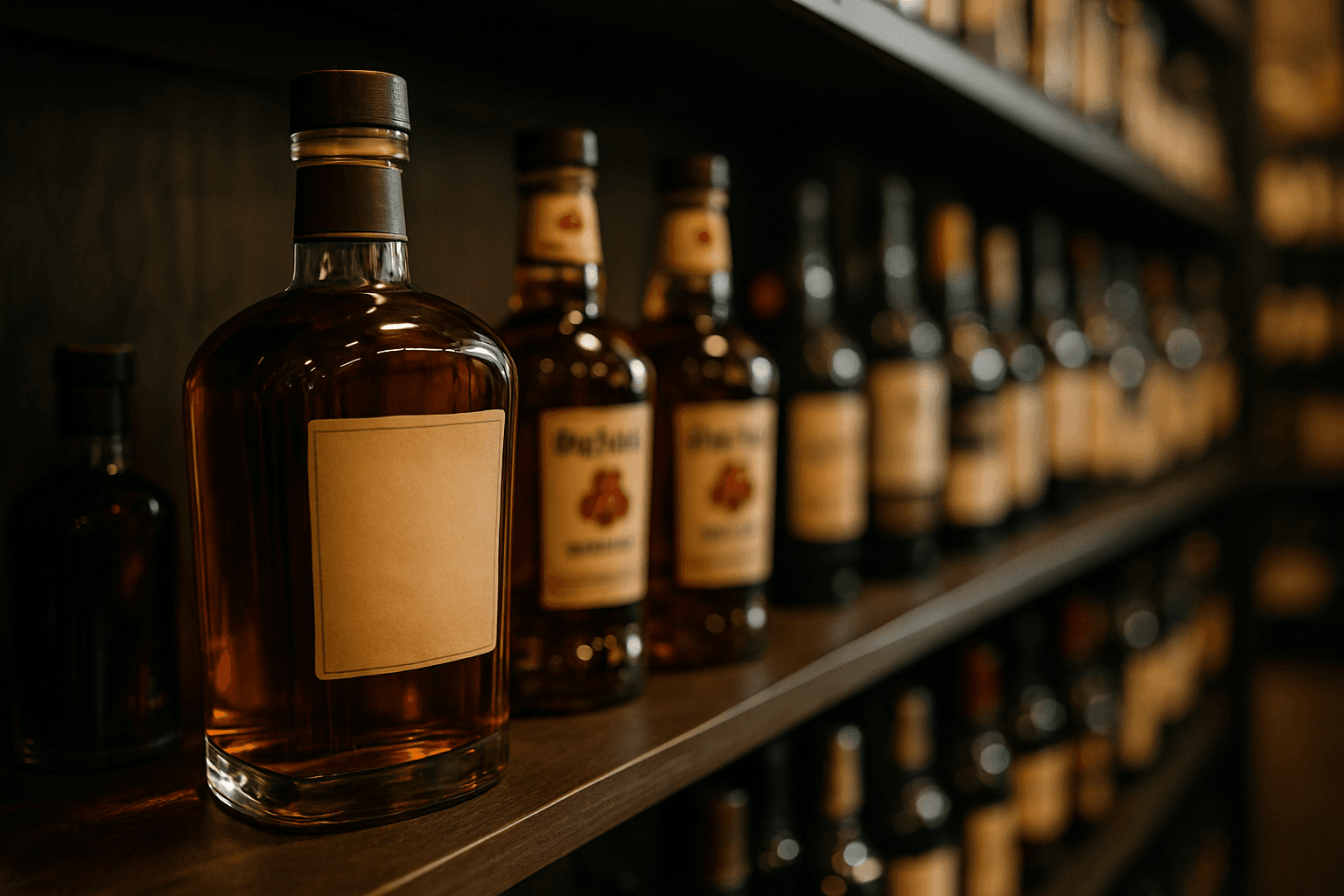
The E&J Gallo bourbon acquisition of Four Roses for $775M signals a major spirits pivot. Here's what liquor store owners need to know about shelf strategy.
- America's Biggest Winemaker Just Dropped $775 Million on Bourbon — Here's Why You Should Care
- Gallo's Spirits Pivot Didn't Start Yesterday: The 50-Year Backstory Retailers Miss
- The 'Hail Mary' Narrative vs. Reality: Is Gallo in Trouble or Playing Offense?
- Spirits Industry Consolidation: What the Big Players Know That You Should Too
- Your Liquor Store Shelf Strategy: 5 Moves to Make Before the Dust Settles
America's largest winemaker just spent up to $775 million on a Kentucky bourbon distillery — and if you run an independent liquor store, that number should stop you mid-sip. The E&J Gallo bourbon acquisition of Four Roses isn't just a headline for industry insiders to chew on. It's a flashing signal about where consumer demand, distribution power, and margin opportunities are heading for the next several years.
Here's the thing: most retailers will read about this deal, shrug, and go back to business as usual. The ones who pay attention — who understand what it means when a company with Gallo's resources and data makes a bet this size — will be the ones repositioning their shelves, renegotiating with distributors, and capturing the margin upside before their competitors even notice the shift.
This piece breaks down the full story behind the deal, cuts through the misleading narratives, and gives you five concrete moves to make right now. Whether you're already stocking Four Roses or haven't carried it in years, your shelf strategy needs to account for what's coming.
America's Biggest Winemaker Just Dropped $775 Million on Bourbon — Here's Why You Should Care
When E. & J. Gallo Winery writes a check for three-quarters of a billion dollars, it's not impulse shopping. The E&J Gallo bourbon acquisition of Four Roses Distillery closed in early 2026 — roughly two months after the initial agreement was announced. For a deal this size, that timeline is lightning fast. It signals urgency, conviction, and a company that had already done its homework.
If you run an independent liquor store, this matters more than you might think.
Discover 7 proven Instagram content ideas for liquor stores that boost engagement and drive sales. Learn how to promo...
The Deal at a Glance
Gallo purchased Four Roses Bourbon from Kirin Holdings , bringing the iconic Lawrenceburg, Kentucky distillery back under American family ownership. The price tag makes it one of the most significant spirits transactions in recent years.
But here's the detail that reframes the whole story: this isn't a winemaker stumbling into whiskey on a whim. Gallo's spirits arm, Spirit of Gallo, has been in the game since 1975 — nearly 50 years of building brands across vodka, rum, tequila, gin, and more. In that time, they've grown from a single-brand operation into one of the largest spirits distributors by volume in the United States. This is a spirits pivot that's been building for decades.
Why This Isn't Just Another Corporate Acquisition
Corporate deals happen constantly. Most don't change what you stock or how you sell it. This one's different for two reasons.
First, Four Roses returning to American family ownership is a genuine storytelling asset. Customers respond to heritage, provenance, and "brought it back home" narratives — and smart retailers can use that.
Avoid TTB violations and Google Ads suspension with this guide to alcohol advertising rules for liquor stores. Expert...
Second, this deal signals where the industry's center of gravity is heading. Gallo is betting big that your liquor store shelf strategy needs to evolve, and they're positioning themselves to be on the winning side of that evolution.
This article breaks down exactly what the acquisition means for independent retailers making shelf and purchasing decisions right now — not in theory, but in practice.
Gallo's Spirits Pivot Didn't Start Yesterday: The 50-Year Backstory Retailers Miss
To understand why this deal matters for your store, you need to understand the company making it. And the backstory here is a lot longer — and more relevant — than most people realize.
Here's what most independent retailers get wrong: they think a winemaker is stumbling into whiskey. The reality? Gallo has been building toward this exact moment for half a century.
Learn how email segmentation for liquor stores drives repeat sales with a 4,200% ROI. List-building tactics, purchase...
From E&J Brandy to Spirit of Gallo
The pivot started in 1975 with the launch of E&J Brandy — a product that quietly became one of the best-selling brandies in America and laid the foundation for something much bigger.
If you only associate the Gallo name with wine, you're missing a massive piece of the picture. Spirit of Gallo manages brands across every major spirits category, backed by distribution infrastructure that reaches virtually every market in the country.
A Diversified Portfolio Built for This Moment
Over five decades, Gallo grew from a single-brand wine company into a spirits powerhouse that most retailers underestimate. The Four Roses acquisition isn't a panic play. It's the largest and most deliberate step yet in a long-running strategy aimed squarely at premium American whiskey.
For your store, that distinction matters. This is serious distribution muscle meeting surging bourbon demand — and it's going to reshape what shows up on your shelf.
The 'Hail Mary' Narrative vs. Reality: Is Gallo in Trouble or Playing Offense?
Now that you understand Gallo's spirits track record, let's address the elephant in the room — because if you've been reading the trade press, you've probably seen a very different story.
What the Headlines Are Saying (and Getting Wrong)
You've seen the framing: Gallo is desperate. Wine is dying. This is a last-ditch pivot. The layoffs are real. The wine category softening is real. But let's pump the brakes on the doom narrative for a second.
A company in freefall doesn't close a $775 million acquisition in two months. That's not panic — that's a deal team that had its ducks in a row. And here's the part most headlines skip: Gallo's spirits division has been operating for decades. This isn't a company wandering into unfamiliar territory — it's one that quietly built massive spirits distribution and is now making its boldest move yet.
The E&J Gallo bourbon acquisition is less "Hail Mary" and more "finally going all-in on the hand they've been playing for decades."
Reading Between the Lines for Retail Impact
Here's what actually matters for your business: Gallo is betting that premium bourbon growth will outpace wine growth for the foreseeable future. When a company with this much market data puts $775 million behind that thesis, it's a signal worth weighing against your own liquor store shelf strategy.
You're right to be skeptical of big corporate moves — most don't affect your register. But this one tells you where the volume and margin momentum is heading. The actionable question isn't whether Gallo made the right call. It's whether your shelf allocation reflects the same trend they're chasing.
Spirits Industry Consolidation: What the Big Players Know That You Should Too
Gallo's move doesn't exist in isolation. Zoom out, and you'll see it fits neatly into a much bigger pattern — one that's been reshaping the spirits landscape for years and is now accelerating.
The Consolidation Pattern in Spirits
This acquisition is the latest move in a well-established playbook: major beverage companies are snapping up heritage brands that carry craft credibility and premium price points.
Here's what matters for your shelf: when a company with Gallo's distribution muscle acquires a beloved brand, the downstream effects are predictable. Bigger marketing budgets roll out. Distributor reps push harder. Consumer awareness climbs. And eventually, customers walk into your store asking for that brand by name.
Why Bourbon Specifically — and Why Now
Bourbon remains one of the fastest-growing spirits categories in America, and brands with authentic Kentucky provenance command both fierce consumer loyalty and real shelf premiums. Four Roses, distilled in Lawrenceburg, checks every box.
The speed of this deal — closed roughly two months after announcement — tells you how urgently Gallo wanted in. When the biggest wine company in America puts three-quarters of a billion dollars behind a demand trend, independent retailers have a choice: ride the wave or watch competitors catch it first.
Let our team show you what's possible.
our team specializes in digital marketing strategies that drive real results. Let us show you what's possible.
Schedule a CallYour Liquor Store Shelf Strategy: 5 Moves to Make Before the Dust Settles
Enough context. Let's talk about what you actually do with all of this. Here's how to turn this acquisition into action before your competitors do.
Audit Your Current Bourbon and Spirits Mix
Move 1: Review your Four Roses inventory and positioning today. With integration already underway, expect increased distributor attention, fresh promotional support, and possibly adjusted pricing as Gallo folds Four Roses into its national network. Position yourself to capitalize, not scramble.
Move 2: Step back and look at your overall bourbon-to-wine shelf ratio. When the biggest winemaker in America drops $775 million on a Kentucky distillery, that's not a whim — it's a data-driven bet on where consumer demand is heading. If bourbon is eating into wine's share in your store, give it the space it's earning.
Prepare for the Distribution and Pricing Ripple Effects
Move 3: Watch for Gallo's cross-category bundling. A company that sells both wine and spirits at scale means distributor reps will inevitably push combo deals — wine and spirits under one purchase order. Know your margins on both sides before you say yes. Bundled savings that compress your bourbon margins aren't savings at all.
Move 4: Don't sleep on the competitive response. Other bourbon brands will react to Gallo's increased marketing muscle and distribution push. Watch for deals from competitors trying to protect their shelf space — that's exactly where margin opportunities hide.
Use the Story to Sell More Bottles
Move 5: Four Roses returning to American family ownership from a Japanese conglomerate is a genuinely compelling narrative. Customers who care about provenance and heritage — and plenty do — will respond to it. Put it on shelf talkers. Post it on social media. Let the story do the selling. You don't need to manufacture marketing when a $775 million headline writes the copy for you.
What This Means for Your Distributor Relationships
Those five moves will get your shelf in shape — but the real leverage play happens in the conversations you're having with the people who fill that shelf. This acquisition directly impacts the dynamics with your distributor reps right now.
Gallo's national distribution infrastructure is about to push Four Roses into accounts and markets it may not have reached before. If Four Roses wasn't already flowing through your primary distributor, expect that to change — and when it does, your negotiating position shifts.
Expect the Pitch — and Be Ready
Your rep is going to bring up Four Roses soon, if they haven't already. Be proactive instead of reactive. Ask directly: what's changing with pricing, allocation, and the promotional calendar? The retailers who ask first consistently get the best deals and earliest access to promotional support.
Gallo needs to prove this investment was worth it — and that urgency works in your favor.
Leverage the Transition Window
During brand ownership transitions, there's almost always a window where the new owner is hungry to show growth and justify the acquisition price. That's your leverage moment. Push for better terms, co-op marketing dollars, exclusive local activations, or favorable case pricing.
But here's the caution: don't over-commit based on promises. Wait for confirmed pricing and written marketing support before making big inventory bets. Gallo's pivot is real and well-funded, but smart retailers let the ink dry before rearranging the shelves.
The Bottom Line: Follow the Money, Adjust the Shelf
When a company like E. & J. Gallo puts $775 million behind a single bourbon brand, it's not a guess — it's a thesis on where American drinking habits are headed. The E&J Gallo bourbon acquisition of Four Roses tells you exactly where the smart money sees growth: premium American whiskey.
You don't need to overhaul your store overnight. But you do need a liquor store shelf strategy that accounts for continued premiumization across the spirits category. Distribution muscle, marketing dollars, and consumer demand are all converging on bourbon — and that convergence will reshape what moves off your shelves.
The independent retailers who win in the next two to three years will be the ones who read signals like this acquisition and adjust before their competitors do. Not reactively. Strategically.
If you want help building a shelf strategy and marketing plan that keeps pace with industry shifts like this, Intentionally Creative ↗ works with liquor retailers who want data-backed decisions — not guesswork. Let's talk.
10+ years helping liquor retailers and beverage brands grow through data-driven digital marketing. Learn more