India's Can Shortage Is a Warning Sign for US Beer Supply Chains: What Independent Liquor Stores Need to Watch
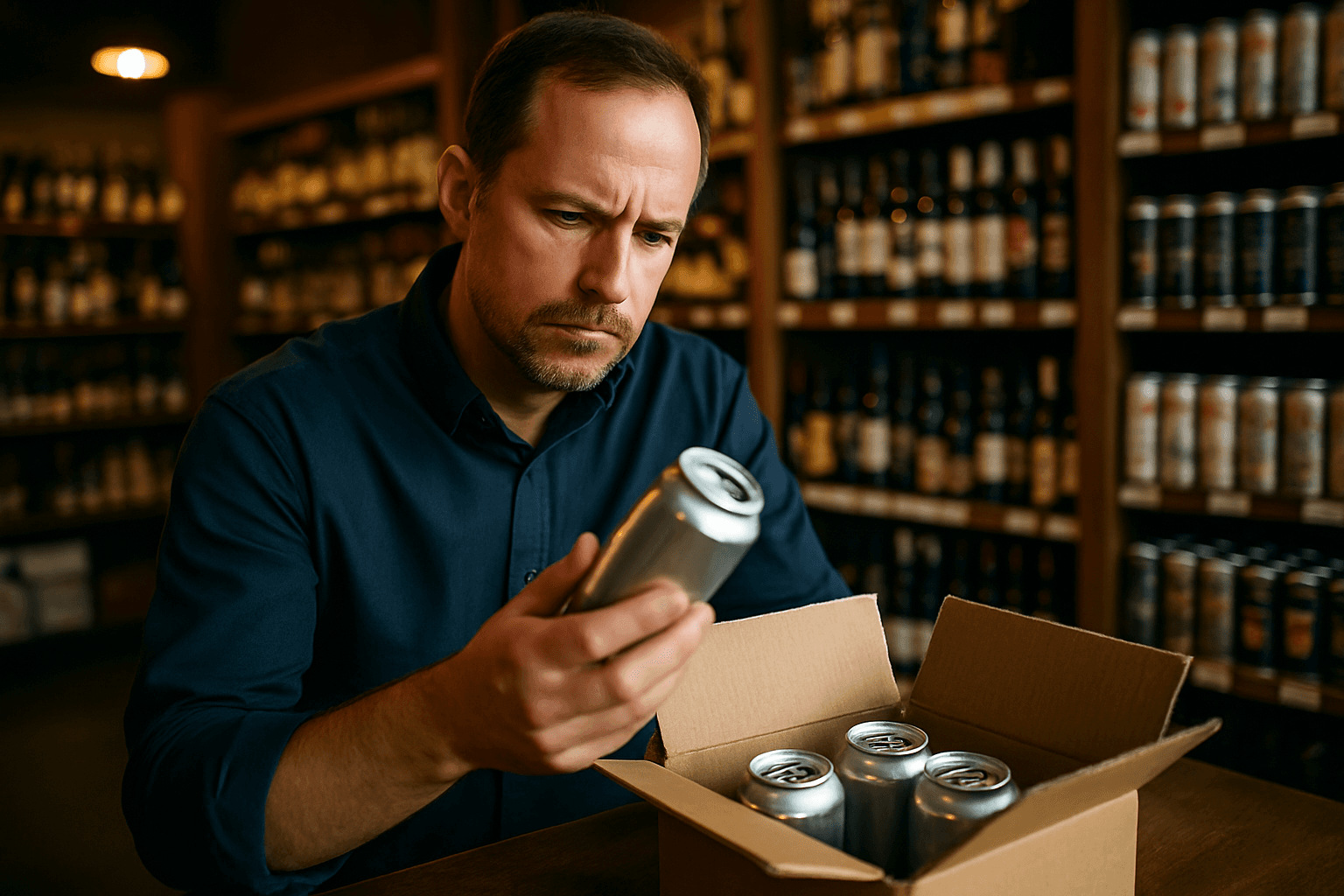
India's beer can shortage signals US supply chain risks. Learn what independent liquor stores need to watch and how to protect inventory.
- The Signal From the East: Why India's Beer Crisis Matters to US Stores
- The Aluminum Dependency Problem in Craft Beer
- How Beer Supply Chain Disruption Spreads From West Asia to Your Shelves
- What Independent Liquor Stores Should Watch in 2025
- How to Build Resilience Into Your Beer Program
Picture this: It's a warm Saturday afternoon, and a regular customer walks in looking for their favorite local IPA. You reach for the shelf—and it's empty. Not out of stock for a day or two, but potentially weeks. This isn't a nightmare scenario from a distant dystopia. It's what's happening right now in India, and it's a preview of pressures that may be heading to your shelves.
Understanding how beer supply chain disruption spreads across oceans is no longer optional for independent liquor store owners—it's essential. When India's massive beer market faces a packaging crisis, it creates ripples that eventually reach suppliers, distributors, and retailers here in the US. The question isn't whether these pressures will find their way to your store, but whether you'll be ready when they do.
This guide breaks down what independent liquor stores need to watch, how to spot warning signs early, and practical steps you can take right now to build resilience into your beer program before a supply crunch catches you off guard.
The Signal From the East: Why India's Beer Crisis Matters to US Stores
A Significant Shortage in a Key Market
India's beer industry is sounding alarms as it heads into peak summer demand with significant supply disruptions. Beer producers in India faced a shortfall of 120-130 million units of 500-ml cans in 2025, with imports unable to bridge this gap. This shortage isn't just a local problem—it's a warning sign for the global beer supply chain.
Discover proven liquor store customer retention tactics to build loyalty, increase profitability through repeat custo...
Aluminum cans currently make up around 60 percent of craft beer's packaged volume, according to BevSource. That means any meaningful disruption in can availability creates immediate ripple effects through the entire industry. As India competes for finite aluminum can inventory with other major markets, the pressure on global supplies intensifies—pressure that eventually finds its way to shelves in the US.
How Geopolitical Tensions Ripple Across Oceans
The root cause traces back to escalating tensions in West Asia, where supply chain constraints have triggered input cost surges across the beverage industry. Fortune India reports that beer producers are experiencing declining margins and slower revenue growth as a result. These aren't minor hiccups—they represent structural pressure on producers that inevitably flows downstream.
What happens in India's beer market doesn't stay in India. This is a preview of pressures hitting closer to home. When aluminum costs rise in Mumbai, can manufacturers in the US eventually feel the squeeze. When Indian breweries compete aggressively for limited packaging, American craft producers may find their usual suppliers stretched thin.
Learn how to build a liquor store email marketing funnel with welcome sequences, smart segmentation, and promo cadenc...
For independent liquor stores, now is the time to watch these signals closely. A beer supply chain disruption that seems oceans away today could affect your inventory in six months. Understanding the connections between global markets and your local shelves gives you the advantage of preparation—not panic.
The Aluminum Dependency Problem in Craft Beer
Craft beer's packaging strategy has created an unexpected vulnerability. Understanding this dependency is critical for anyone concerned about beer supply chain disruption.
Why Cans Dominate Craft Packaging
Aluminum cans currently make up around 60 percent of craft beer's packaged volume, according to BevSource. That dominance sounds efficient—until supply tightens. Cans offer superior portability, faster chilling, and protection from light. But this near-monopoly on format means craft packaged beer is exposed to aluminum can shortage beer disruptions as a single category. When can manufacturers face constraints, most craft packaged beer is affected simultaneously. There's no backup format sitting idle to absorb the shock.
Learn how email segmentation for liquor stores drives repeat sales with a 4,200% ROI. List-building tactics, purchase...
How the Shift to Cans Changed the Game
The coronavirus shifted consumption away from on-premise draft toward retail-ready cans almost overnight, according to West MT Series. This permanent behavioral change locked in higher can demand while supply infrastructure remained strained. Compounding the issue, geopolitical tensions are rippling through energy markets, affecting everything from aluminum production to distribution costs. According to Fortune India, supply disruptions linked to these conflicts are pressuring margins across the beverage industry.
For independent liquor store operators watching US beer supply issues, the message is clear: your independent liquor store inventory decisions need to account for packaging vulnerabilities you can't control.
How Beer Supply Chain Disruption Spreads From West Asia to Your Shelves
How Supply Chain Tensions Travel
The global beer supply chain is more fragile than most independent liquor store owners realize. Ongoing conflict in West Asia is disrupting aluminum supply to India, which then cascades into production shortages across India's beer market. According to Fortune India, supply chain issues from the West Asia conflict lead to a decline in alcohol beverage makers' margins and slower revenue growth.
This matters for US retailers because aluminum cans currently make up around 60 percent of craft beer's packaged volume, according to BevSource. Beer producers faced a shortfall of 120-130 million units of 500-ml cans in 2025, as reported by Alcircle. When one major market faces supply constraints, it creates ripples across the entire global network.
The Margin Pressure Chain Reaction
Core beer ingredients—malt, hops, and yeast—have experienced price volatility, quality variations, and shipping delays in recent years, according to Beer and Brewing. When geopolitical instability triggers energy shortages abroad, international brewers face rising costs and issue price hike warnings. Those production cost increases flow downstream to distributors and ultimately to retailers like your store. The question isn't whether this beer supply chain disruption will affect your shelves, but when—and how prepared you'll be when it does.
What Independent Liquor Stores Should Watch in 2025
Inventory Red Flags to Monitor
When it comes to your independent liquor store inventory, early detection matters more than ever. Watch for these warning signs of beer supply chain disruption:
- Extended lead times on craft beer orders, particularly for canned products. If your distributor suddenly can't fulfill standard orders within the usual window, that's a signal something's backed up upstream.
- Allocation limits from distributors often indicate they've been told to ration product—which points to genuine upstream shortages rather than temporary logistics delays.
- Production schedule shifts at the brewery level. When breweries start prioritizing kegs over cans (or vice versa), it usually means they're working around packaging constraints. Aluminum cans currently make up around 60 percent of craft beer's packaged volume, according to BevSource, so any shift in canning allocation directly affects what's available on your shelves.
- Temporary packaging switches. If a brand that typically sells in cans suddenly offers only bottles—or announces a packaging change—that's a telltale sign of can allocation pressure.
Supplier Communication Gaps
Here's a blind spot many independent liquor stores overlook: many small-to-mid-sized breweries lack integrated communication systems like EDI or API links with their primary suppliers, according to Dropt Beer. This creates gaps where you simply can't see what's coming down the pipeline until it lands—or doesn't land—on your order. Building direct relationships with brewery reps and asking pointed questions about their packaging situation can help you anticipate shortages before they hit your shelves.
Let our team show you what's possible.
our team specializes in digital marketing strategies that drive real results. Let us show you what's possible.
Schedule a CallHow to Build Resilience Into Your Beer Program
The warning signs are there. If you're relying on a narrow mix of canned craft beer from a handful of suppliers, now's the time to rethink your beer supply chain strategy. A beer supply chain disruption can wipe out your top sellers overnight—and without a backup plan, you're leaving money on the table.
Diversify Your Packaged Beer Sources
Don't put all your eggs in one basket. Avoid depending on a single distributor or just a few craft breweries for your core canned offerings. Instead, build relationships with regional breweries that may have more localized supply chain stability. When national supply chains tighten, these smaller players often have more flexibility and shorter lead times.
Strengthen Relationships With Multiple Suppliers
Communicate proactively with your top craft suppliers about their production capacity and any anticipated shortages. Don't wait for them to tell you there's a problem—ask questions now. Create a contingency list of substitute brands for your best-sellers in case supply disruptions hit. Knowing your backup options before you're in crisis mode keeps your shelves stocked and your customers happy.
Consider Bottled Alternatives Strategically
Aluminum cans currently make up around 60 percent of craft beer's packaged volume, according to BevSource. That concentration creates vulnerability. Develop relationships with breweries that offer alternative formats—bottled craft beer may become a genuine competitive advantage if can supply remains constrained. Position yourself as the store that has what others can't get.
The goal isn't paranoia—it's preparation. Small adjustments to your sourcing strategy today can insulate your independent liquor store from the big supply shocks that always seem to catch the industry off guard.
Talking to Customers About Potential Supply Changes
Setting Expectations Without Causing Alarm
When beer supply chain disruption affects your shelves, transparency becomes your best friend. Let regular customers know directly when their favorite brands face supply constraints. Frame the conversation around your commitment to keeping them informed, not around problems.
Your team needs to speak confidently about why certain products may be temporarily unavailable. Aluminum cans currently make up around 60 percent of craft beer's packaged volume (BevSource), which means any aluminum can shortage hits craft beer particularly hard. Make sure staff understand these dynamics so they can answer questions without creating panic.
Positioning Substitutions as Discovery
Turn supply challenges into opportunities. When a favorite becomes unavailable, frame it as a chance to discover new favorites rather than a shortage. Train your staff to highlight exciting alternatives and new arrivals that fill gaps left by unavailable favorites.
Use social media and email to showcase these new arrivals. The goal: transform a supply constraint into a discovery moment that builds customer loyalty and positions your independent liquor store as a place where something new and exciting is always worth exploring.
The Bottom Line: Prepare Now, Not During a Shortage
India's current can shortage is a leading indicator, not a guarantee of US disruptions—but early awareness gives you a competitive advantage. As Fortune India notes, supply chain issues from the West Asia conflict have already led to margin declines and slower revenue growth for beverage makers. Aluminum cans make up around 60 percent of craft beer's packaged volume (BevSource), meaning any ripple effects in the US beer supply landscape could hit independent liquor store inventory hard.
Monitor, Don't Panic
Supply chain visibility is your best defense. Stay informed about your suppliers' situations, but avoid reactive over-ordering that could create artificial shortages elsewhere. The stores that will navigate this best are those building relationships and diversifying now.
Build Supplier Relationships Before You Need Them
Share concerns and questions openly with your distribution partners—they're facing these challenges too. Ask about their supply stability, alternative sourcing options, and forward inventory planning. The window to act proactively is open now; don't wait until an aluminum can shortage beer crunch forces your hand.
The beer supply chain disruption affecting India's breweries today is a clear signal that the unexpected can happen—and when it does, independent stores with strong supplier networks and diversified sourcing will be the ones keeping their shelves full while competitors scramble. Start the conversation with your distributors this week, map out your backup suppliers, and position your store for resilience. Your future self—and your customers—will thank you.
Sources
Fortune India | Alcircle | BevSource | West MT Series | Beer and Brewing | Dropt Beer
10+ years helping liquor retailers and beverage brands grow through data-driven digital marketing. Learn more