The Fabergé Whiskey Theft and Rare Spirits Hype: How Scarcity Marketing Psychology Can Help You Sell Allocated Bottles Faster
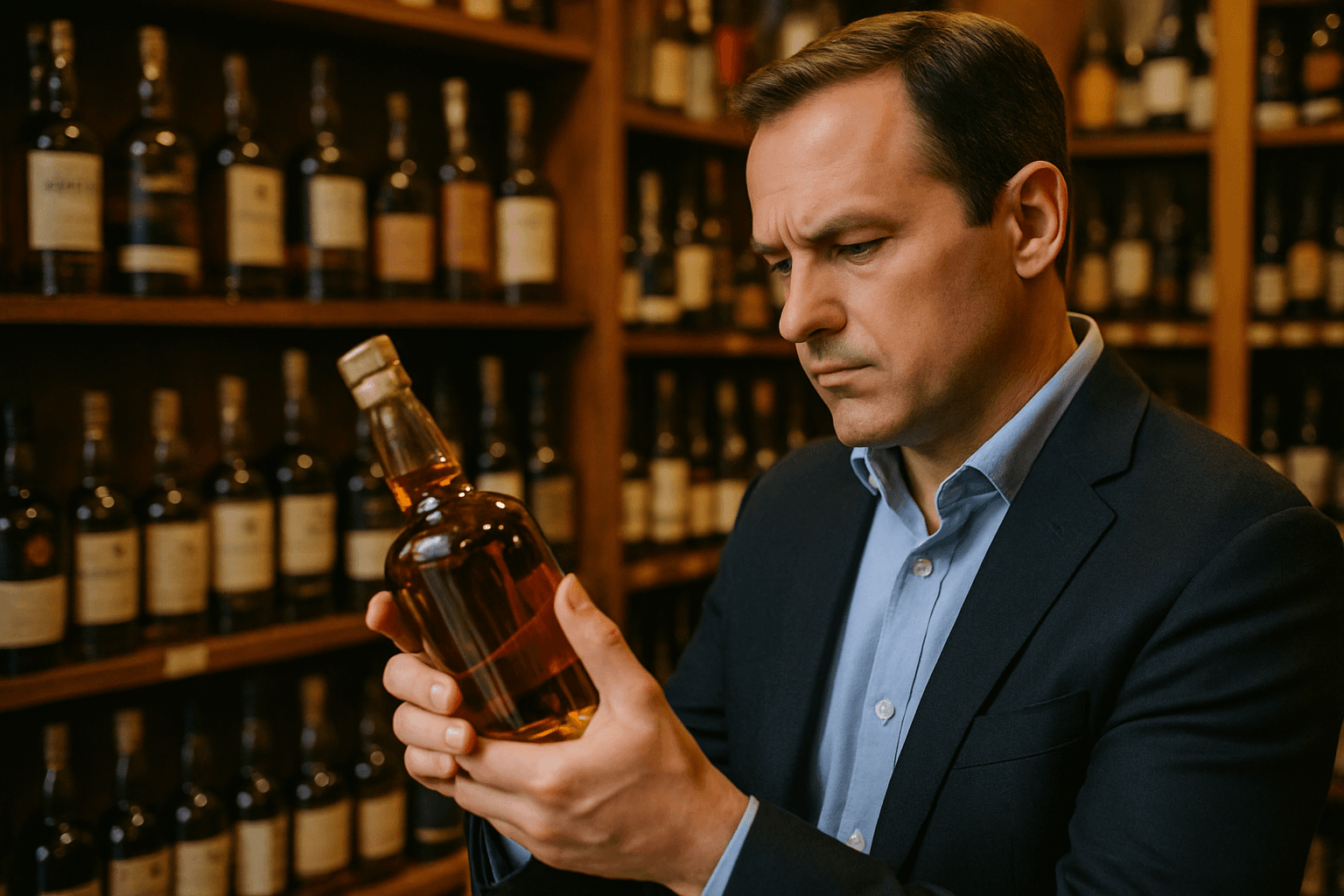
Learn how scarcity marketing in liquor retail can help you sell allocated bottles faster. Proven psychology tactics for independent store owners.
- When Spirits Become Treasure: Why Rare Whiskey Theft Matters to Your Store
- Why Scarcity Marketing Works in Liquor Retail (It's Not Just Hype)
- How to Sell Allocated Bottles Faster: 5 Scarcity Tactics That Actually Work
- Rare Spirits Marketing Strategy for Social Media and Email
- The Ethics of Scarcity: Where Smart Marketing Ends and Manipulation Begins
In recent years, rare whiskey theft has become an international news category. Six-figure collections have vanished from private cellars, auction houses, and retail locations — planned heists driven by one thing: demand that far outstrips supply. [VERIFY: If a specific heist is cited, confirm details. Several high-profile whiskey thefts have been reported, but exact figures and locations should be sourced.]
These stories should matter to you, even if your store's most expensive bottle is a $200 store pick. Because the same psychology that turns whiskey into a target for professional thieves is the same psychology that can transform your allocated inventory from a nice-to-have into a genuine growth engine. That psychology has a name: scarcity marketing in liquor retail.
Most independent liquor store owners already know their allocated bottles are special. What they don't know — or at least don't act on — is just how much untapped value is sitting behind the counter. We're not talking about price gouging or artificial hype. We're talking about proven behavioral science, applied ethically, to sell more bottles, drive more foot traffic, and build the kind of customer loyalty that compounds over years. In a market where U.S. spirits revenue actually contracted in 2024 — a rare decline the industry hasn't seen in years (Forbes, Feb 2025) — that's not optional. It's survival.
This post breaks down exactly how scarcity works, why your allocated inventory is chronically undermarketed, and the specific tactics you can deploy starting this week to sell allocated bottles faster — while making your customers feel great about buying them.
When Spirits Become Treasure: Why Rare Whiskey Theft Matters to Your Store
People don't steal things that aren't valuable. They steal Fabergé eggs, diamond necklaces, and — increasingly — rare whiskey.
Discover 7 proven Instagram content ideas for liquor stores that boost engagement and drive sales. Learn how to promo...
The Fabergé Egg Connection
Fabergé eggs weren't originally priceless. They became priceless because scarcity, craftsmanship, and cultural obsession compounded over time. Allocated whiskey is following a similar trajectory. When secondary market platforms like Whisky Auctioneer, Cabinet7, Bottle Blue Book, and Bourbon Concierge exist specifically to connect buyers with bottles they can't find at retail, you're not looking at a niche hobby. You're looking at a robust demand gap with real dollars behind it.
Why Your Allocated Inventory Is Undervalued
Here's the core argument: if people are literally committing crimes to get rare bottles, the demand signal is deafening. Yet most independent liquor stores treat allocated inventory like any other product — stick it on a shelf, maybe mention it on Instagram, move on.
That passive approach is expensive, especially in a down year. You can't afford to undersell your highest-margin products.
The good news? Effective scarcity marketing in liquor retail doesn't require a Fabergé-level collection. You just need to understand why scarcity makes people act — and how to apply that psychology ethically to sell allocated bottles faster and drive real foot traffic.
10 proven liquor store social media content ideas to connect with customers, boost brand visibility, and drive both i...
So what exactly makes scarcity so powerful? Let's dig into the science.
Why Scarcity Marketing Works in Liquor Retail (It's Not Just Hype)
Scarcity marketing isn't some sleazy sales trick. It's behavioral economics with decades of research behind it — and your allocated bottles are already sitting on a goldmine of it.
The Psychology Behind "I Need That Bottle"
Here's the short version: when supply is limited, perceived value skyrockets. That's not opinion. That's how human brains are wired.
But here's the part most retailers miss. It's not really about wanting the bottle. It's about the fear of not getting it. Psychologists call this loss aversion — the pain of missing out hits roughly twice as hard as the pleasure of acquiring something. That's why "Only 3 left" works better than "Great whiskey, buy now." One triggers urgency. The other is just noise.
Discover 7 proven TikTok marketing strategies for liquor stores that build real engagement and bring customers throug...
The stores that understand how to position allocated bottles through smart scarcity marketing — not just shelf placement — are the ones that will keep growing while competitors stall.
From Pliny the Elder to Pappy: Proof That Controlled Exclusivity Moves Product
You want real-world proof? Look at Pliny the Elder. Russian River Brewing doesn't run massive ad campaigns for it. They don't need to. The scarcity is so dialed in that consumers rely on secret local networks and literal eavesdropping to find out when bottles drop. That's not paid media. That's earned demand through controlled availability.
Whiskey collectors routinely trade multiple lower-tier bottles for a single allocated release — proving perceived scarcity inflates value far beyond what's actually in the glass. The secondary market infrastructure confirms it: platforms exist specifically because demand wildly outpaces retail supply.
Your allocated whiskey marketing doesn't need to manufacture scarcity from scratch. The scarcity already exists. You just need to activate it.
Now let's get tactical. Here are five concrete moves you can make with your next allocation.
How to Sell Allocated Bottles Faster: 5 Scarcity Tactics That Actually Work
When the overall pie is shrinking, your allocated bottles aren't just exciting inventory — they're strategic assets. Here's how to use scarcity marketing liquor retail operators swear by to protect margins and drive sales across your entire store, without resorting to price gouging or anything that'll get you side-eyed by your regulars.
Tactic 1: The Controlled Reveal — Announce Less, Sell More
Stop blasting every allocated arrival across every channel at the same time. Instead, stagger the information.
Send your email list or SMS subscribers a first-look notification. Then wait 24–48 hours before posting on social media. This creates insider tiers — your most engaged customers feel rewarded, and everyone else learns that subscribing is the only way to stay ahead.
This is the Pliny the Elder model applied to your store. When people have to earn the news, the news itself becomes part of the product's value. That dynamic is exactly how to sell allocated bottles without discounting a thing.
Tactic 2: The Waitlist and Loyalty Loop
Set up a simple waitlist for your next allocated release. A Google Form works fine — this doesn't require fancy software.
A waitlist does three things at once: it builds a first-party data list you own (not Meta's, not Google's), it creates a sense of earned access, and it gives you hard demand numbers to bring to your distributor when negotiating future allocations.
Here's the psychological kicker: the waitlist itself is a scarcity signal. If there's a list, it must be worth waiting for.
Tactic 3: The Bundle Strategy — Anchor High, Sell Wide
Use your allocated bottle's pull to move everything around it. Require a purchase of two or three complementary bottles — store picks, underperforming SKUs, house favorites — to unlock the right to buy the allocated bottle.
This increases average transaction value, clears slow-moving inventory, and reframes the allocated bottle as a reward rather than just a purchase. In a down year, bundles protect margin on your most valuable inventory while driving incremental sales on everything else.
Tactic 4: The Charity Auction — Goodwill Meets Good Business
Some retailers auction allocated whiskey above SRP and donate the premium to local causes. Think about what that does. You move the bottle. You generate press coverage. You drive foot traffic. You build community goodwill — all without anyone accusing you of price gouging. Some state-run ABC systems already do this with Pappy Van Winkle, and it works. Channel the demand gap into something your community actually benefits from.
Tactic 5: The In-Store Release Event
Make the release an event. Set a date. Run a social media countdown. Offer tastings of the distillery's non-allocated expressions. Bring in a local food vendor.
This model scales. Limited-edition beverage drops in other categories have proven that the experience of the release drives as much demand as the product itself. [VERIFY: The claim that G-Dragon's limited beverage sold 10 million cans in South Korea in under a year needs a source.] You don't need a celebrity. You need intentionality.
The allocated bottle is the anchor. The experience — the energy, the content, the community — is your actual marketing strategy. Even customers who walk away empty-handed leave impressed, and impressed customers come back.
These five tactics will move bottles. But to build anticipation before the release and capture demand after it, you need a digital strategy that's just as intentional.
Rare Spirits Marketing Strategy for Social Media and Email
What to Post (and What to Hold Back)
Your social media feed is a trailer, not the full movie. The best rare spirits marketing strategy treats every post like a breadcrumb leading somewhere — not a full buffet.
Do this:
- Post the empty shelf spot with a "Coming Soon" tag. That negative space does more work than a product photo ever will.
- Share the unboxing video, but blur the label. Let your followers guess in the comments.
- Use countdown stickers on Instagram Stories. Simple, effective, zero cost.
- Post the "Sold Out" aftermath. That empty display case is FOMO fuel for the next release.
Don't do this:
- Don't list prices on public posts. You're inviting price comparison and secondary market drama. (Resale-tracking platforms already put your pricing under a microscope.)
- Don't over-explain the allocation process. Mystery is part of the appeal. Less information often drives more action.
Email and SMS: Your Most Underrated Sales Channel
Here's the truth about selling allocated bottles: social media builds buzz, but email and SMS close the deal.
A segmented email to your top 200 spenders announcing early access will outperform any Instagram post. Keep the copy tight — what it is, why it's rare, how to claim it, and a hard deadline.
Every conversion matters in a flat or declining market. For allocated whiskey marketing and limited edition releases, less is more. The goal isn't reach — it's targeted urgency delivered to the people most likely to buy.
All of these tactics are powerful. But there's a line between smart marketing and something that'll cost you customers. Let's talk about where that line is.
Let our team show you what's possible.
our team specializes in digital marketing strategies that drive real results. Let us show you what's possible.
Schedule a CallThe Ethics of Scarcity: Where Smart Marketing Ends and Manipulation Begins
Let's address the elephant in the room. Some stores mark up allocated bottles 3–5x SRP, and customers absolutely notice — especially when secondary market platforms make pricing transparent to everyone. In a year where the industry is contracting, burning customer goodwill is a strategy you can't afford.
Price Gouging vs. Value Positioning
There's a real difference between exploitation and smart positioning. Value positioning — bundles, tasting events, loyalty-tier access — gives customers more for their money. That's how to sell allocated bottles without torching your reputation.
Transparency Builds Long-Term Trust (and Repeat Buyers)
Tell customers the truth: you got six bottles and 200 people want one. That honesty is the marketing. Effective scarcity marketing liquor retail owners can be proud of rewards loyalty, not the highest bidder.
Quick rule of thumb: if your tactic would embarrass you in a local news story, rethink it. If it would make a great story, double down.
Your Allocated Bottles Are Already Marketing Gold — Start Treating Them That Way
Your allocated inventory isn't just product — it's your single most powerful marketing asset. The margin matters, sure. But the foot traffic, email signups, social engagement, and brand perception those bottles generate? That's where the real compounding value lives.
The demand gap is already proven. The secondary market exists because supply can't meet demand. Your job isn't to create desire. It's to structure it.
Quick-Start Checklist for Your Next Allocated Release
- Build a waitlist before the next allocation arrives.
- Segment your email list by spend level.
- Plan one in-store release event this quarter.
- Create a bundle offer that moves complementary inventory alongside the allocated bottle.
- Post the "Sold Out" photo — every single time.
If you're sitting on allocated bottles and selling them first-come-first-served with zero strategy, you're leaving revenue, customer data, and brand equity on the shelf. Scarcity marketing in liquor retail isn't manipulation — it's just smart business. The demand already exists. Structure it.
Ready to turn your allocated inventory into a real growth strategy? Contact Intentionally Creative ↗ to build a scarcity marketing plan tailored to your store — because the next allocation is coming, and your competitors are already paying attention.
10+ years helping liquor retailers and beverage brands grow through data-driven digital marketing. Learn more