The Micro-Distillery Boom Is Reaching Rural America: What Bed-and-Breakfast Distilleries Mean for Independent Liquor Retailers
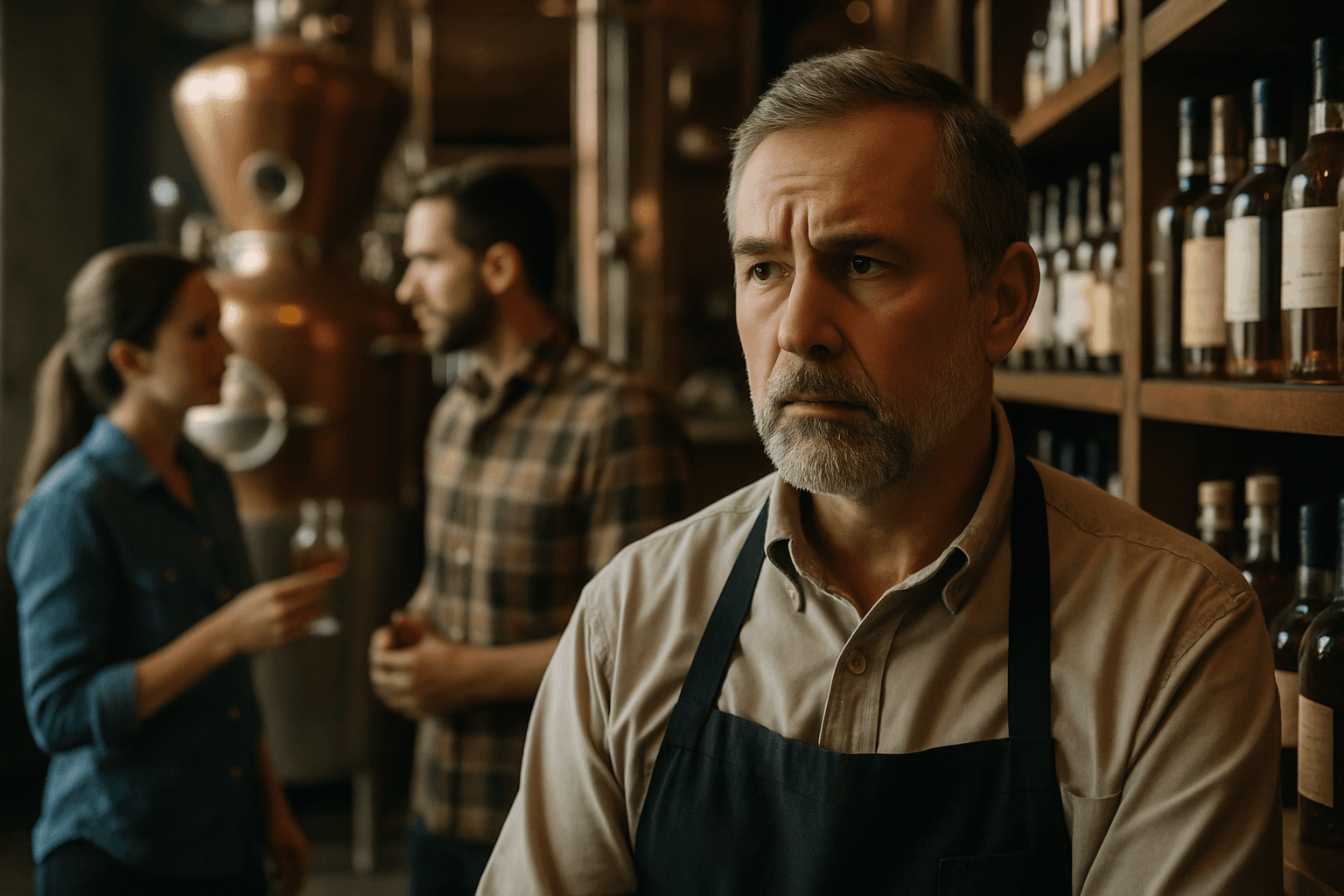
Micro-distillery competition independent liquor retailers is heating up as rural craft distilleries grow. Here's what smart store owners need to know now.
- A Bed-and-Breakfast Just Got a Distillery License — And That Should Be on Your Radar
- The Micro-Distillery Boom by the Numbers
- Why Rural Distillery Approvals Are Accelerating
- What the Big Players Are Already Telling You
- Where Independent Retailers Actually Have the Advantage
Somewhere in rural America right now, a couple is checking into a charming bed-and-breakfast. They'll sleep in a room with exposed beams, wake up to a farm-fresh breakfast — and before they leave, they'll buy a bottle of small-batch whiskey distilled on the property. That bottle? It's one your customer won't be buying from you this weekend.
The craft spirits landscape has shifted dramatically over the past decade, and micro-distillery competition facing independent liquor retailers is no longer a big-city problem. It's showing up in small towns, along back roads, and inside businesses you'd never have pegged as competitors five years ago. The latest example — a bed-and-breakfast called Dotty Wampus earning federal approval to distill spirits on-site — is a perfect case study in where this trend is heading and how fast it's moving. [VERIFY: Confirm Dotty Wampus is a real, named business with verifiable TTB approval. Link to source.]
Here's the good news: this doesn't have to be a threat. Independent retailers who understand what's happening — and respond strategically — are positioned to come out ahead. But that starts with paying attention. Let's break down what's really going on, what the numbers say, and exactly what you can do about it.
A Bed-and-Breakfast Just Got a Distillery License — And That Should Be on Your Radar
What Happened with Dotty Wampus
Dotty Wampus, a bed-and-breakfast, recently earned TTB (Alcohol and Tobacco Tax and Trade Bureau) approval to distill spirits on-site. A small, rural, hospitality-adjacent business now has a federal license to make and sell its own liquor. They've got rooms upstairs, a copper still out back, and a tasting room where guests can sip something they can't buy anywhere else. [VERIFY: Confirm details — rooms, copper still, tasting room — or soften to general description.]
Discover 7 proven Instagram content ideas for liquor stores that boost engagement and drive sales. Learn how to promo...
It sounds charming. It is charming. It's also a competitive signal you shouldn't ignore.
Why This Isn't Just a Quirky News Story
The micro-distillery boom has been building for years. In 2007, the U.S. had roughly 100 micro-distilleries. By 2017, the American Craft Spirits Association counted well over 1,500 — with new ones opening at a pace that would have seemed absurd a decade earlier. [VERIFY: Confirm ACSA figures for 2017. Some sources cite 1,500+; others cite 2,000+.]
The growth hasn't slowed. The global flavored whiskey market alone is projected to grow at a 6.5% CAGR, driven largely by consumer demand for craft and specialty options. [VERIFY: Source this projection — which research firm, what forecast period?]
10 proven liquor store social media content ideas to connect with customers, boost brand visibility, and drive both i...
Here's what matters for you: this wave has moved well beyond Brooklyn and Napa. Your next competitor might not look like a distillery at all. It might look like a farmhouse with a gorgeous Instagram page and a loyal following of tourists who buy bottles before they check out.
The Micro-Distillery Boom by the Numbers
To understand just how significant this shift is, it helps to zoom out and look at the full growth curve.
A Two-Decade Growth Curve That's Still Climbing
The craft distillery count in the U.S. has exploded from roughly 100 operations in 2007 to an estimated 2,700+ by the early 2020s, according to the American Craft Spirits Association. [VERIFY: Confirm current ACSA count.] That's not a niche trend. That's an industry transformation.
Discover 7 proven TikTok marketing strategies for liquor stores that build real engagement and bring customers throug...
And the demand side is keeping pace. Craft spirits' share of the total U.S. spirits market has been climbing steadily, with consumers — especially millennials and Gen Z — actively seeking out small-batch, locally made products over mass-market brands.
Rural America Is the New Frontier
What's changed most recently is where these distilleries are landing. New York's Hudson Valley experienced what observers called a "full-blown renaissance of artisanal microdistilling," proving that semi-rural regions aren't afterthoughts — they're fertile ground. [VERIFY: Source for the "full-blown renaissance" quote.]
Belmont Farm Distillery in rural Culpeper, Virginia, blends working agriculture with spirits tourism — a destination model that directly parallels the bed-and-breakfast distillery concept now spreading nationwide.
If you're an independent liquor store owner in a rural or suburban market thinking this won't reach you — it probably already has. The question isn't if you need a marketing strategy to respond. It's how fast you can build one.
Why Rural Distillery Approvals Are Accelerating
So what's making it so much easier for a bed-and-breakfast — or a farm, or a weekend getaway — to get a distillery license in the first place?
Agricultural Exemptions and Relaxed Zoning
Craft distilleries face real regulatory burdens at both the federal and state level. But rural operations have a structural advantage: agricultural zoning exemptions, farm distillery statutes, and local governments that are practically rolling out the red carpet for economic development dollars.
The bed-and-breakfast distillery model is especially smart. It bundles tourism, hospitality, and spirits production into one destination — often qualifying for multiple categories of local tax incentives and support programs.
The TTB Approval Process: More Navigable Than Ever
Small distillery TTB approval is still rigorous, but the industry has matured around it. Specialized consultants, attorneys, and even template applications now guide newcomers through the process efficiently. The barrier to entry keeps dropping.
For independent liquor retailers, the takeaway is straightforward: micro-distillery competition is intensifying because it's never been easier to start one. If you've operated in a rural or small-town market without direct local craft competition for years, that comfortable position may not last.
What the Big Players Are Already Telling You
Diageo and Pernod Ricard See the Pressure
When billion-dollar spirits companies start publicly discussing small producers chipping away at market share, that's not casual commentary — that's a boardroom concern. Both Diageo and Pernod Ricard have acknowledged the competitive pressure from independent distillers in investor communications and industry interviews. [VERIFY: Locate specific quotes or earnings call references from Diageo and/or Pernod Ricard discussing craft competition.]
If the giants are worried, independent retailers can't afford to shrug this off.
Competition Is Coming from Every Direction
Here's what makes micro-distillery competition for independent liquor retailers especially tricky: it's not just about shelf space. It's about attention. A craft distillery with a tasting room, a sunset view, and a story about the founder's great-grandmother's bourbon recipe is selling an experience. You can't beat that on price alone.
Meanwhile, independent retailers face pressure from the other direction too. Colorado has been wrestling with legislation around grocery store expansion into full-strength spirits sales. [VERIFY: Confirm current status of Colorado grocery/liquor legislation.] Ontario's small producers have pushed back against private-label alcohol policies that threaten their shelf access. [VERIFY: Source and confirm Ontario policy details.]
Independent retailers are caught in a genuine squeeze: big retail on one side, local craft on the other. Pretending this multi-front battle isn't happening is the most expensive strategy you could choose.
Let our team show you what's possible.
our team specializes in digital marketing strategies that drive real results. Let us show you what's possible.
Schedule a CallWhere Independent Retailers Actually Have the Advantage
Now, before you start drafting your retirement plan, take a breath. Because the picture isn't nearly as bleak as it might seem. When you honestly assess what you bring to the table versus what a tasting room offers, the math might surprise you.
Selection Depth That No Tasting Room Can Match
Most micro-distilleries produce a narrow lineup. Maybe a vodka, a gin, and a whiskey — possibly a seasonal release if they're ambitious. Your store? Hundreds or thousands of SKUs spanning every category, price point, and flavor profile consumers could want.
A local craft distillery actually highlights your advantage — you can stock their products alongside everything else. Turn a potential competitor into a supplier. Ride their marketing buzz right to your shelves.
That breadth isn't just inventory. It's a genuine competitive moat.
Convenience, Consistency, and Community Trust
Tasting rooms are destinations. Your store is routine. Most consumers aren't driving 30 minutes to a bed-and-breakfast distillery every time they need a bottle for Friday night.
Your location, your hours, your reliability — these matter enormously to time-pressed buyers. And here's what's easy to underestimate: you already have community trust and established customer relationships. Every new distillery that opens has to build local credibility from zero.
You've already done that work. A smart marketing strategy leans into it — reminding customers why you're the known, trusted local source while welcoming the micro-distillery boom as an opportunity, not just a threat.
5 Marketing Moves to Stay Ahead of Local Craft Distillery Competition
Knowing your advantages is one thing. Putting them to work is another. Here are five concrete moves you can make right now to turn this shifting landscape in your favor.
Lean Into Local — Don't Fight It
1. Stock local craft spirits prominently and promote them. If a nearby distillery is generating buzz, ride that wave. Feature their products front and center, host joint tastings, and position your store as the destination for everything local. When customers come looking for that small-batch bourbon they tried at a bed-and-breakfast, you want them finding it on your shelf — not driving back to the source.
2. Use data to curate smarter. Track what's selling and what's trending. Consumer appetite for craft and specialty spirits keeps climbing — adjust your inventory before the trend passes you by, not after.
Build Experiences They Can't Replicate
3. Create in-store tasting events and educational experiences. You don't need a copper still to offer a curated whiskey flight or a "meet the maker" night. Experiences build loyalty that price never will.
4. Close the digital gap. Most micro-distilleries are better at Instagram than independent retailers. Fix that with consistent social media, Google Business optimization, and email marketing highlighting new arrivals and local picks. Your online presence is your storefront for the next generation of buyers.
5. Tell your story. You're not a faceless chain — you're a local business owner who knows spirits. Make sure customers see that on your website, your social channels, and on the shelf through staff picks and handwritten recommendations.
Micro-distillery competition doesn't have to be a death sentence for independent liquor retailers. It can fuel your next chapter — if you're willing to move.
The Bottom Line: The Boom Isn't a Threat If You Treat It Like an Opportunity
The micro-distillery boom in rural America is real, accelerating, and not going away. Dotty Wampus' bed-and-breakfast distillery approval isn't an anomaly — it's one of hundreds of signals that the landscape is shifting permanently.
But more competition doesn't mean defeat for independent liquor retailers. It means adaptation. Stock local. Market smarter. Lean into what you already do better than any tasting room: selection, convenience, and community trust. Retailers who build their strategy around these strengths won't just survive the craft distillery wave — they'll profit from it.
The stores that thrive in this new landscape won't be the ones that ignored the trend or tried to fight it. They'll be the ones that saw a bed-and-breakfast with a copper still and thought, How do I make that work for me?
If you're an independent retailer ready to turn local competition into local advantage, Intentionally Creative can help. Let's talk. ↗
10+ years helping liquor retailers and beverage brands grow through data-driven digital marketing. Learn more