TTB Mandatory Recall Authority: What Liquor Store Owners Must Do When Brands Pull Products
TTB's recall authority is changing. Learn what liquor store owners must do when brands pull products, compliance steps, and how to handle voluntary recalls.
- The regulatory landscape is shifting
- What this means for independent retailers
- What TTB's authority actually looks like today
- The legal framework behind voluntary recalls
- How brands notify TTB
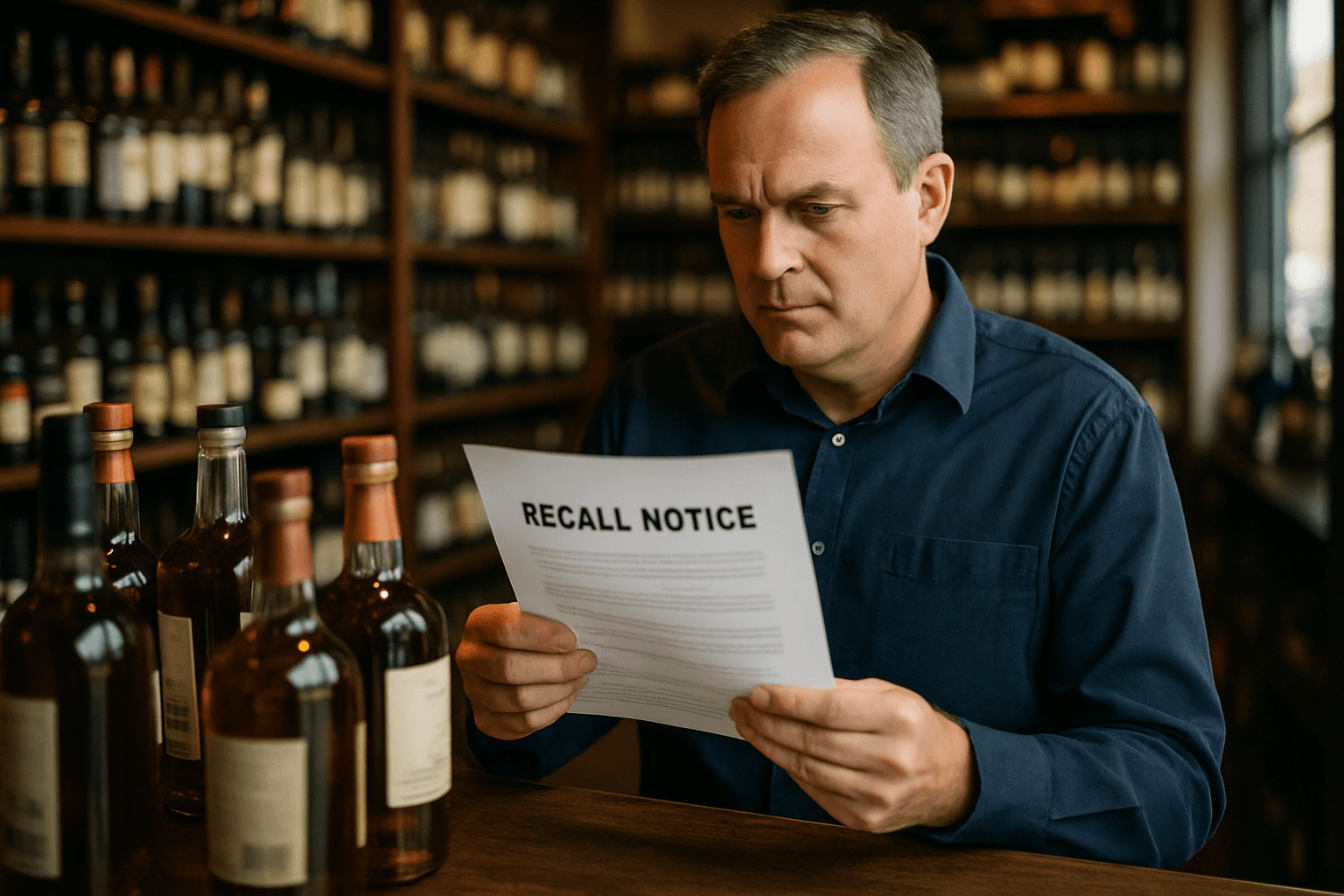
Picture this: It's a Tuesday afternoon, and you're restocking shelves when a customer approaches with a bottle in hand. "Is this part of the recall?" they ask. You have no idea what they're talking about. By the time you get home and check your email, you'll find a notice buried in your inbox from a brand you carry—sent three days ago.
Sound stressful? It doesn't have to be.
Whether or not TTB mandatory recall authority becomes reality, liquor store owners face real compliance obligations when brands pull products from shelves. This guide walks you through exactly what you need to know—from how the current system works to what steps to take when you get that unexpected call.
Discover the top SEO mistakes liquor stores make and proven fixes. Learn local SEO tactics to boost visibility and dr...
You understand the regulatory landscape, but knowing that TTB does not have statutory authority to require an industry member to recall an adulterated or mislabeled alcohol beverage is only half the picture. The other half? What you do when a voluntary recall lands on your desk. Let's break down how the system actually operates today.
The regulatory landscape is shifting
The current framework centers on voluntary action, but that doesn't mean retailers are off the hook. You still carry responsibility for swift implementation when a brand decides to pull a product. TTB has primary responsibility for issuing recall notices and monitoring voluntary recalls of alcoholic beverages, but the work of removing products from shelves happens at your level.
Discover why BevNET Live NYC 2026 (June 10-11) is the must-attend event for liquor store owners. Learn about the 1:1 ...
Here's what that means for your store: you need systems in place before a recall notice arrives. When brands make the call to pull a product, they notify TTB through the Market Compliance Office, file the necessary documentation, and then retailers like you receive word—sometimes with urgency, sometimes buried in an email queue. Your job is to act fast regardless.
What this means for independent retailers
The distinction between mandatory and voluntary recall authority matters less than you might think. Even under the current voluntary system, you have compliance obligations that mirror what a mandatory framework would require: remove affected products, document your response, notify customers if necessary, and maintain records.
Learn how email segmentation for liquor stores drives repeat sales with a 4,200% ROI. List-building tactics, purchase...
The good news? These procedures are learnable and manageable with the right preparation. The sections ahead give you a step-by-step breakdown of how recalls work, what your response should look like, and how to build lasting compliance habits.
What TTB's authority actually looks like today
Here's something that surprises many liquor store owners: when a recall hits your shelves, it's not because the government forced anyone's hand. Right now, TTB mandatory recall authority doesn't exist in the way you might expect. Recalls are defined as voluntary actions taken by industry members to remove alcohol beverages from the marketplace, meaning the brand makes the call on whether to pull a product.
TTB monitors these situations and issues recall notices, but they can't compel a brewery or distributor to act. You receive notice after the brand has already decided to act—and that's a critical distinction for your planning.
The legal framework behind voluntary recalls
The reason this works the way it does comes down to statutory authority—or rather, the lack of it. TTB does not have statutory authority to require an industry member to recall an adulterated or mislabeled alcohol beverage.
Instead, TTB operates through a coordination framework, with primary responsibility for issuing recall notices and monitoring voluntary recalls of alcoholic beverages. What TTB does have is the ability to track what happens and apply pressure through its oversight role.
For retailers, this shifts your approach to alcohol product recall procedures. You're not waiting on federal mandates to protect your customers—you're responding to brand decisions and managing your own compliance obligations accordingly.
Let our team show you what's possible.
our team specializes in branding strategies that drive real results. Let us show you what's possible.
Schedule a CallHow brands notify TTB
When a brewery or distillery determines a product needs to be pulled from shelves, the first call they make isn't to you—it's to TTB's Market Compliance Office at 202-453-2251 (option 3). Recalls are defined as voluntary actions taken by industry members to remove alcohol beverages from the marketplace, meaning the brand initiates the process, not the federal government.
For breweries specifically, there's a critical procedural requirement: any brewer initiating a recall must notify TTB and file a Notice of Intent before destroying recalled beer. This step isn't bureaucratic paperwork—it directly affects whether the brewery can claim a federal tax credit on the wasted product.
Federal oversight of voluntary withdrawals
Here's something many liquor store owners don't realize: despite the headline-grabbing phrase "TTB mandatory recall authority," TTB's actual role is limited to monitoring and coordination. TTB does not have statutory authority to require an industry member to recall an adulterated or mislabeled alcohol beverage. What TTB does have is primary responsibility for issuing recall notices and monitoring voluntary recalls of alcoholic beverages.
TTB pays particularly close attention to recalls involving health hazards or significant mislabeling issues. While they can't force a brand to act, they can apply pressure through their monitoring role and public communications.
Understanding this process helps you anticipate what information you'll receive and when. You'll typically get notified by the brand directly—TTB's role is oversight, not direct-to-retailer communication.
Your recall response: Step-by-step
When a brand issues a recall, time matters. TTB has primary responsibility for issuing recall notices and monitoring voluntary recalls of alcoholic beverages, but the actual work of removing products from shelves happens at the store level. Here's what you need to do.
Immediate Actions Within the First 24 Hours
Once you receive notice that a product is being recalled, act immediately. Don't wait for additional instructions—pull the affected items from your shelves right away. Check the recall notice carefully and verify the specific lot numbers, UPC codes, and product details to ensure you're removing the correct items and not inadvertently pulling unaffected inventory.
Quarantine recalled products in a designated area, completely separated from your regular stock. This prevents accidental restocking and makes the return process cleaner when you coordinate with the brand or distributor. Then contact the brand or distributor directly to confirm return authorization and get their specific instructions for handling the recalled alcohol.
Documenting Everything for Liability Protection
Every step of your recall response needs a paper trail. Keep written records of:
- When you received the recall notice
- When you removed the products
- Who you spoke with at the brand or distributor
Note the time, date, and content of every communication.
This documentation protects your store if questions arise later about whether you acted promptly. Even if TTB does not have statutory authority to require a recall, your state alcohol regulatory agency may have different requirements—and your customers expect you to take swift action when their safety is at stake.
For questions about alcohol product recall procedures, industry members can contact the TTB Market Compliance Office at 202-453-2251 (option 3).
Building recall-ready operations
Inventory Management Actions
When a recall notice arrives, time is your biggest constraint. Start by cross-referencing the recall notice against your POS inventory system to identify affected transactions and determine exactly which SKUs are impacted. Once confirmed, pull affected products from online listings and promotional materials immediately—leaving a recalled item visible to customers creates unnecessary risk and confusion.
Train your staff on recall recognition: what to look for includes matching lot numbers, bottling dates, and product codes from the official notice. Designate a specific team member as the recall point person so there's never a question about who to notify when alerts arrive.
Develop a recall response protocol before you need one. Having written procedures means your team can act within minutes rather than scrambling to figure out next steps. TTB has primary responsibility for issuing recall notices and monitoring voluntary recalls of alcoholic beverages, so your internal protocol should align with their notification timeline.
Customer Communication Best Practices
If affected products have already reached customers, develop clear scripts for staff handling inquiries. Document every action taken during the recall response and retain this documentation for a minimum of two years for regulatory audit purposes. This paper trail demonstrates your commitment to liquor store recall compliance and protects you if questions arise later.
The Market Compliance Office at 202-453-2251 (option 3) is available for guidance during the recall process.
Looking ahead: January 2025 proposed regulations
On January 17, 2025, TTB published two Notices of Proposed Rulemaking that may affect alcohol beverage labeling regulations, according to the Brewers Association. This regulatory activity signals that the landscape of alcohol oversight may be shifting. Currently, TTB does not have statutory authority to require an industry member to recall an adulterated or mislabeled alcohol beverage—recalls remain voluntary actions taken by industry members. While TTB mandatory recall authority has not yet been confirmed, it is clearly under consideration as part of broader regulatory updates.
Preparing for potential mandatory recall authority
Even if expanded authority is granted, liquor store owners should anticipate that their obligations may evolve alongside any new federal directives. TTB currently holds primary responsibility for issuing recall notices and monitoring voluntary recalls of alcoholic beverages, which suggests that retailers would likely face similar compliance requirements under a mandatory framework.
Staying ahead means connecting with resources now. Bookmark TTB's business compliance pages and maintain active membership in industry associations that provide real-time regulatory updates. The Market Compliance Office can be reached at 202-453-2251 (option 3) for questions about current recall procedures.
Even though TTB does not have statutory authority to require an industry member to recall an adulterated or mislabeled alcohol beverage, retailers still need solid processes when brands pull products from the market.
Key contacts and official resources
- Bookmark TTB's Product Recalls page for current recall notices and guidance documents
- Contact the Market Compliance Office at 202-453-2251 (option 3) for recall-related inquiries
- Subscribe to TTB industry circulars for regulatory updates affecting retail dealers
Building a long-term compliance strategy
- Document your internal recall procedures in writing—treat it like a food safety plan
- Create clear protocols for pulling products, communicating with staff, and handling customer returns
- Review TTB alcohol regulations annually for compliance updates
These routine reviews keep your liquor store recall compliance sharp and help you act quickly when alcohol product recall procedures activate.
The goal isn't just reacting to recalls. It's building systems that protect your customers, your inventory investment, and your store's reputation.
Take Action Now
Whether TTB mandatory recall authority eventually becomes law or the system remains voluntary, one truth holds steady: when a brand pulls a product, your response reflects on your store. Customers trust you to keep their drinks safe. That trust is hard to earn and easy to lose.
The retailers who navigate recalls best aren't the ones who hope it never happens—they're the ones who prepared before it did.
Start today. Pull together your team, review the compliance checklist, and make sure your staff knows exactly what to do when a recall notice arrives. Bookmark the Market Compliance Office number (202-453-2251, option 3), subscribe to TTB industry updates, and keep your recall protocol where everyone can find it.
Because when that bottle shows up in a customer's hand, you don't want to be scrambling. You want to be ready.
10+ years helping liquor retailers and beverage brands grow through data-driven digital marketing. Learn more