Why Campari Group's 2.9% Q1 Growth Is a Signal for Independent Spirits Retailers
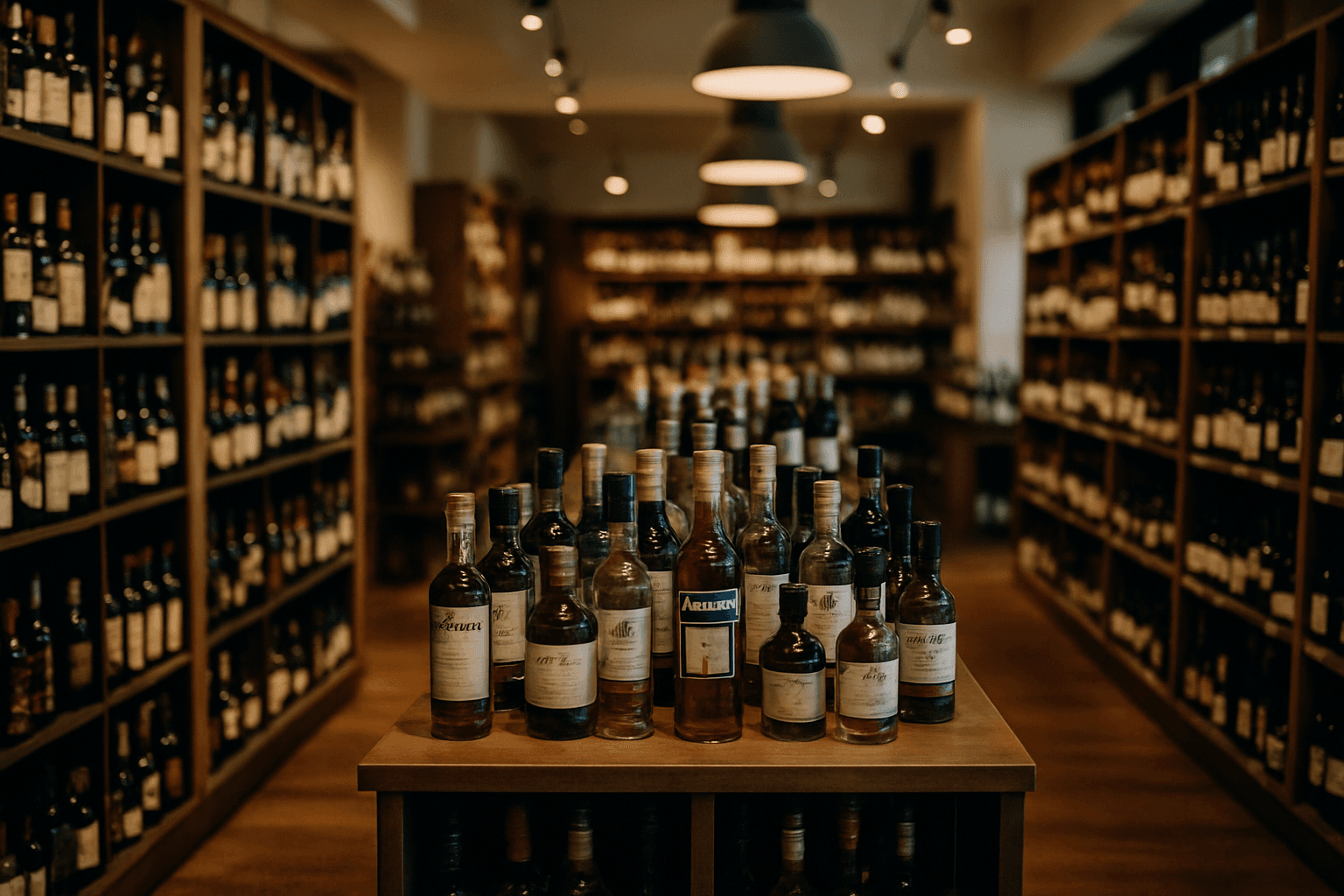
Discover 9 proven marketing strategies for liquor stores that capitalize on industry growth. Actionable tips for spirits retailers.
- TL;DR
- 1. Understand the Growth Landscape for Independent Spirits Retailers
- 2. Build a Cocktail Content Engine on Social Media
- 3. Host Virtual Tastings to Reach Customers Beyond Your Store
- 4. Launch Email Campaigns That Actually Get Opened
TL;DR
- The spirits retail industry continues expanding—independent stores can capture growth with strategic marketing for liquor stores
- Digital engagement through social media and email drives customer loyalty and repeat visits for beverage retailers
- Experiential events and local partnerships create memorable brand moments that differentiate independent stores from chains
- Community presence and authentic engagement build loyalty that survives price competition
- Data-driven decisions separate thriving liquor stores from stagnant ones
1. Understand the Growth Landscape for Independent Spirits Retailers
The spirits retail sector has demonstrated sustained expansion, creating strategic opportunity for independent operators who act decisively. Revenue from beer, wine, and liquor stores in the US has grown at a compound annual growth rate (CAGR) of 2.2% (Top Liquor Store Trends: Statistics And Trends Shaping 2026 ↗). Independent stores can capture market share by implementing targeted marketing for liquor stores that addresses local customer preferences—something large chains often overlook. While big-box retailers invest heavily in broad campaigns, your edge lies in knowing your neighborhood. Meet customers where they are through personalized outreach: community events, local partnerships, and digital engagement that reflects your store's unique identity.
2. Build a Cocktail Content Engine on Social Media
Recipe and cocktail content is your highest-ROI content lever for marketing for liquor stores on visual platforms. Short-form videos of drinks being made drive organic engagement far better than product shots or promotional posts. Even better: encourage customers to film themselves mixing drinks from your shelves—this user-generated content functions as authentic social proof that resonates more than branded messaging ever could. Build a posting schedule around seasonal themes and holidays so your store stays visible without significant ad spend. A bartender demonstrating a simple seasonal recipe on their phone once a week will consistently outperform a single polished brand video posted sporadically.
3. Host Virtual Tastings to Reach Customers Beyond Your Store
Host live stream tasting events to connect with customers outside your immediate area. Unlike your physical store, virtual tastings break through geographic limits—customers can experience your curated selection without stepping foot inside. Pair each event with an exclusive bottle discount available only to viewers; this turns engaged audiences into actual buyers during or shortly after the stream. While large e-commerce platforms dominate on price and convenience, personalized virtual experiences give independent retailers a marketing for liquor stores advantage they cannot easily copy. These events build community, showcase expertise, and create memorable moments that drive both online and in-store sales.
Let our team show you what's possible.
our team specializes in digital marketing strategies that drive real results. Let us show you what's possible.
Schedule a Call4. Launch Email Campaigns That Actually Get Opened
Email marketing delivers some of the highest returns in marketing for liquor stores, but only when your messages feel personal rather than promotional. Start by segmenting your subscriber list by purchase history so wine buyers see different recommendations than bourbon shoppers — relevance drives opens and conversions. A regular newsletter featuring staff picks and pairing suggestions keeps your store top of mind and nudges customers back through your doors, especially when you link those picks directly to products in stock. Set up simple automation for abandoned cart reminders and birthday rewards to retain customers on autopilot. With industry growth projected to continue, independent retailers who master email outreach gain a measurable edge over stores that rely solely on foot traffic.
5. Lean Into Seasonal and Themed Promotions
Calendar-aligned marketing creates urgency and draws attention to your offerings. Events like whiskey month or summer rosé releases give customers a reason to visit and stock up. Themed bundle deals encourage cross-category purchasing and larger basket sizes without discounting individual items deeply. Plan your promotional calendar quarterly to maintain momentum and audience engagement throughout the year. As the industry grows, seasonal promotions remain a proven tactic for marketing for liquor stores looking to stand out.
6. Invest in Paid Advertising That Targets Your Ideal Customer
Social platforms like Facebook and Instagram give you geographic targeting tools that are uniquely valuable for marketing for liquor stores. You can reach local shoppers within a defined radius during moments when they're most likely to buy—holiday gifting season, weekend planning, or right before a local event. Retargeting ads capture high-intent visitors who browsed your site or social pages but left without purchasing, keeping your brand top of mind until they're ready to buy. Start with a modest budget and track cost per conversion closely. Scale only what delivers measurable returns.
7. Create Experiential Moments That Drive Word-of-Mouth
Turn your store into a destination by hosting tasting events and meet-the-distiller nights that give customers a reason to visit beyond restocking their bar cart. When these experiences consistently exceed expectations, attendees become your most powerful organic marketing channel—they share photos, tag friends, and recommend your store to anyone who asks. Partner with brands for co-sponsored tastings to split costs while expanding your guest list and reaching new audiences. Word-of-mouth from a single well-executed event can generate more reach than weeks of paid advertising. Make every event count toward building loyalty that keeps customers coming back.
8. Engage Your Local Community Authentically
Show up for your neighborhood and your neighborhood will show up for you. Sponsor local charity drives, community events, or youth sports teams to embed your store into the fabric of neighborhood life. Partner with nearby restaurants for cross-promotions—think bundle deals, co-hosted tasting events, or shared loyalty programs that bring customers to both businesses. Independent retailers who build genuine community connections create the kind of loyalty that withstands price wars with big-box competitors.
9. Track Your Metrics and Double Down on What Converts
Start tracking which marketing channels actually move the needle for your store. Monitor email open rates, social media engagement metrics, and per-customer spend data to identify where your highest-performing marketing for liquor stores efforts are concentrated. Run A/B tests on subject lines, ad copy, and promotional offers every month—small tweaks often reveal dramatic differences in conversion. Let the numbers guide your budget allocation and stop spending on tactics that don't deliver measurable ROI.
The independent spirits retailers who will thrive in 2026 are those treating marketing as a disciplined system—combining digital engagement, community presence, and data analysis into a cohesive strategy. Pick one or two signals from this list to implement first, measure what matters, and build momentum from there. Your neighborhood customers are looking for a store that knows them—make sure that's you.
Ready to sharpen your marketing strategy? Download our free Spirits Retail Marketing Playbook — a step-by-step guide to implementing these signals at your store. Get the playbook here →
Frequently Asked Questions
What are the most effective marketing strategies for an independent liquor store?
The most effective marketing for liquor stores combines digital tactics with experiential elements. Social media content featuring cocktail recipes, email newsletters with staff recommendations, seasonal promotions, and in-store tasting events work together to build customer loyalty and drive repeat purchases. Independent retailers should focus on community engagement and personalized service that larger chains cannot replicate.
How can a small liquor store compete with big-box retailers using marketing?
Small liquor stores compete by leveraging authenticity and local relationships rather than price. Experiential marketing—such as virtual tastings and community sponsorships—creates emotional connections. Digital marketing through targeted social media ads and email campaigns reaches customers efficiently without requiring massive budgets. The key is consistent, value-driven communication that big retailers cannot personalize.
What digital marketing channels work best for spirits retailers?
Social media platforms like Instagram and TikTok excel for visual spirits content, particularly cocktail recipes and behind-the-scenes store moments. Email marketing delivers strong ROI for customer retention and repeat purchases. Facebook and Instagram paid ads allow precise local targeting. The best approach uses multiple channels in coordination rather than relying on a single platform.
How often should liquor stores run promotions?
Liquor stores should maintain a consistent promotional rhythm—typically one major promotion per month aligned with seasonal themes or holidays, supplemented by smaller weekly or biweekly offers. Over-promoting can train customers to wait for discounts, while too few promotions may reduce engagement. Balance promotional frequency with value communication to maintain healthy margins.
What role does community engagement play in liquor store marketing?
Community engagement builds the kind of customer loyalty that transcends price competition. Sponsoring local events, partnering with nearby restaurants, and supporting charitable causes embed your store in neighborhood identity. Customers who feel connected to a local business often become advocates who refer friends and family, generating organic growth through word-of-mouth marketing.
How can liquor stores measure the ROI of their marketing efforts?
Track marketing ROI by monitoring specific metrics for each channel: email open and click-through rates, social media engagement and follower growth, paid ad conversion costs, and per-customer spend before and after campaigns. Implement unique promo codes or tracking links to attribute sales directly to specific tactics. Review these metrics monthly to identify which strategies deliver the best return and reallocate budget accordingly.
Are virtual tasting events worth the investment for liquor stores?
Virtual tasting events offer strong ROI for liquor stores seeking to expand their reach beyond walk-in customers. They require minimal overhead—smartphones, sampling products, and basic streaming setup—while creating engagement with customers who may never visit your physical location. Pair each event with exclusive bottle discounts to convert attendees into buyers. Success depends on consistent promotion and quality presentation.
10+ years helping liquor retailers and beverage brands grow through data-driven digital marketing. Learn more