Wine Shops Are Reinventing Themselves as Experience Destinations: Lessons From Retailers Who Are Getting It Right
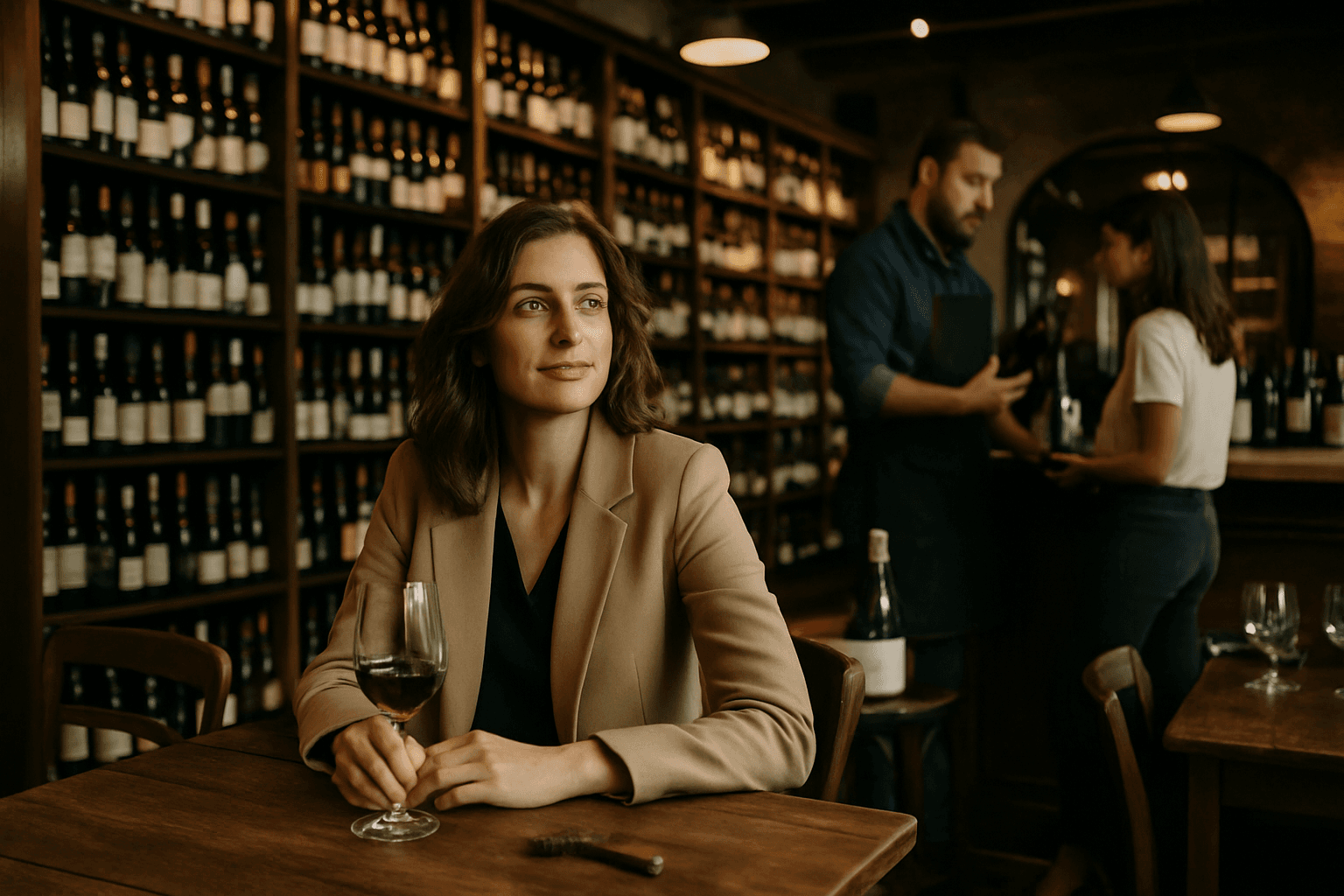
Wine shops are becoming experience destinations by adding tastings, classes, and events. See how real retailers are driving loyalty and revenue with this model.
- The Bottle Shop Isn't Dead — It's Evolving
- Real Stores, Real Strategies: How Wine Retailers Are Building Experiential Models
- The Power of Consistent Event Programming
- Content and Community: The Marketing Engine Behind Experiential Retail
- Borrowing From Napa: Food Pairings and Elevated In-Store Experiences
The wine shop down the street that's been quietly packing the house every Saturday afternoon? They're not running a clearance sale. They're pouring a curated flight of small-production Willamette Valley Pinots while a local cheesemonger walks the room with paired bites. And their regulars — the ones who used to buy online — now show up weekly, spend more per visit, and bring friends.
This isn't a fluke. It's a fundamental shift in how the most successful independent retailers are thinking about their business. The wine shop experience destination — a store built around discovery, education, and community rather than just shelf space — is emerging as the most durable competitive strategy in liquor retail. Not because it's trendy, but because it solves a real problem: how do you get customers to choose your store when they can buy the same bottle cheaper online or closer to home?
The answer, as a growing number of retailers are proving, is that you stop selling bottles and start selling reasons to visit. What follows are the strategies, models, and frameworks behind the shops that are getting this right — and a practical playbook for joining them.
The Bottle Shop Isn't Dead — It's Evolving
Why 'Just Selling Wine' Isn't Enough Anymore
Here's the reality: if you're an independent wine or liquor retailer competing on price alone, you're in a fight you can't win. Big-box stores have buying power you don't. Grocery chains have foot traffic built in. Delivery apps let customers tap a screen and skip your store entirely.
But the shops that are actually thriving right now? They've stopped playing that game altogether. They're not competing on price — they're competing on experience.
Learn how to advertise a liquor store online using Reddit. 8 proven strategies to reach local buyers Reddit's communi...
And the demand backs it up. In Austin, TX alone, Eventbrite lists multiple recurring ticketed wine tasting events in a single metro area — hosted by retailers and educators who understand that people want more than a transaction. They want a reason to show up.
What 'Experience Destination' Actually Means for a Retail Store
A wine shop experience destination isn't some abstract marketing concept. It's simple: a store that gives customers a reason to visit, linger, learn, and come back — not just grab a bottle and leave.
Some retailers have made this shift so deliberately they've put it in their name. Destination Wine & Liquor in Tarrytown, NY carries a deep inventory and has earned customer praise on Yelp for its spacious, warehouse-style layout — proof that physical environment design matters as much as selection.
Here's the thesis: this strategy isn't reserved for fancy urban boutiques. It's a model any independent retailer can borrow from. And the stores doing it well are seeing real results — more foot traffic, stronger loyalty, and higher average ticket sizes.
Learn how independent liquor stores can win against Total Wine & More with smart marketing, local SEO, and customer l...
So what does this look like in practice? Let's look at the retailers who are already making it work.
Real Stores, Real Strategies: How Wine Retailers Are Building Experiential Models
The experiential wine retail model isn't theoretical — it's already happening in stores across the country. Here's how four retailers are making it work with very different playbooks.
Curated Tastings That Go Beyond the Folding Table
Maison Brondeau in White Plains, NY has built its entire brand around weaving global wine education into the shopping experience. This isn't a Saturday afternoon card table with plastic cups and a half-open bottle of Pinot Grigio. It's a deliberate, curated brand experience where tastings serve as both education and entertainment.
Over in Burbank, GINI Wine Shop takes a different angle — hosting complimentary luxury tasting events, including Armenian wine tastings that spotlight underrepresented regions. The word "complimentary" makes some owners flinch, but here's the key insight: free doesn't mean unprofitable. These events drive discovery purchases (customers buy what they just tasted) and generate serious word-of-mouth. That's a marketing strategy that compounds over time.
Stop leaving online sales on the table. Here are the 10 most costly e-commerce mistakes liquor stores make and how to...
Tech-Driven Self-Pour and Interactive Concepts
Barrels and Vines in Maynard, MA runs a self-pour wine bar concept that blends retail and hospitality. Customers explore wines at their own pace using tap technology — no waiting for a server, no pressure. This model lowers staffing costs while increasing dwell time and per-visit spend. More time in the store, more bottles in the bag.
The takeaway isn't that every shop needs tap walls. It's that reducing friction between "tasting" and "buying" is one of the highest-leverage moves in experiential retail.
Identity-Driven Branding and Niche Positioning
La Caviste in Poughkeepsie is a woman-owned shop using sharp curation and identity-driven branding to carve out its niche. The lesson here is one every independent retailer should internalize: you don't need the biggest selection. You need the most intentional one. A focused point of view, clearly communicated, beats a sprawling inventory with no personality every single time.
These examples share a common thread: each store found its own version of experiential retail. But the real magic happens when these strategies aren't one-and-done — they're built into a consistent rhythm.
The Power of Consistent Event Programming
Here's a pattern that should get your attention: across metro areas like Austin, recurring ticketed wine tastings are filling up on platforms like Eventbrite week after week. Not one-off launch parties. Not seasonal blowouts. Recurring experiences that consumers actively seek out and pay for.
Why One-Off Events Don't Build Loyalty
Grand openings spike. Holiday tastings spike. Then traffic drops back to baseline. Sound familiar? One-off events are promotions. They create a moment, not a habit. And habits are what drive repeat revenue.
The stores that are successfully building destination status treat their event calendar like a product line — something customers can rely on, not just stumble into.
How Recurring Tastings Create Habitual Visitors
Austin Wine Merchant runs Saturday afternoon tastings spotlighting specific producers — not occasionally, but consistently. That consistency is the entire strategy. It turns a marketing tactic into a customer habit.
Think about the business logic. A regular event schedule gives you:
- A predictable marketing calendar you can plan inventory around
- A reason to email your list every week (with something genuinely worth opening)
- A built-in mechanism for introducing new products to an engaged, in-store audience
This isn't just community building. It's inventory strategy. The compounding effect of weekly or biweekly programming beats any single blockbuster event — because the store that shows up every Saturday becomes the store customers think of first.
Of course, consistency only pays off if people actually know your events exist. That's where content and community marketing come in.
Content and Community: The Marketing Engine Behind Experiential Retail
Transforming your shop into a destination is only half the equation. The other half? Making sure people know about it.
Martin's Wine in Baton Rouge has cracked this code. They publish educational content consistently — blog posts, tasting notes, varietal deep-dives — while hosting regular events designed for everyone from curious beginners to seasoned collectors. The result is a content-driven flywheel: events generate content, content promotes events, and both build the kind of trust that turns browsers into regulars.
Turning Events Into Content (and Content Into Events)
Here's what most retailers miss about their tasting events: a single two-hour tasting can fuel an entire week of marketing content. Photos of guests swirling glasses. A 30-second video of your sommelier explaining why that Albariño pairs with Gulf shrimp. Customer testimonials captured on the spot. An email recap with tasting notes. Three or four social posts.
"I don't have time to be a content creator." Fair. But you're not creating content from scratch — you're documenting what you're already doing. The event is the content.
Building a Local Following That Big-Box Can't Replicate
This is where your marketing strategy gets a structural advantage. Every event you host generates a Google Business update, a potential local press mention, and fresh event listings that boost local SEO. Destination Wine & Liquor in Tarrytown pairs deep product selection with an experiential atmosphere that customers specifically praise in reviews — calling out the space itself as a reason to visit.
No online retailer can replicate that. No chain can localize that authentically. Your business model, built on real community connection, becomes its own moat.
Let our team show you what's possible.
our team specializes in digital marketing strategies that drive real results. Let us show you what's possible.
Schedule a CallBorrowing From Napa: Food Pairings and Elevated In-Store Experiences
Napa Valley tasting rooms figured something out years ago: wine paired with food isn't just tastier — it's a fundamentally different experience. And now, brick-and-mortar wine shops are borrowing that playbook to transform themselves from transaction points into genuine destinations.
What Tasting Rooms Are Doing That Retail Shops Can Adapt
Napa rooms build entire visits around curated food-and-wine pairings. The model translates surprisingly well to retail because it reframes the store visit as an occasion rather than an errand. Customers linger longer, try more, and buy with more confidence because they've experienced the wine in context — not just read a shelf talker.
Practical Ways to Elevate Without Overcomplicating
You don't need a commercial kitchen. Partner with a local cheese shop for a pairing night. Bring in a chef for a 30-minute demo. Theme tastings around cuisine regions — Italian wines with Italian bites. Collaborate with a local bakery on a dessert wine and pastry evening.
The ROI case is straightforward: food pairings increase perceived value, justify ticketed pricing, extend dwell time, and create shareable moments that drive organic word-of-mouth. That's a marketing investment that pays for itself.
All of this might sound ambitious, but the truth is you don't need to overhaul your entire operation at once. Here's how to start small and build momentum.
A Simple Framework for Getting Started
You don't need a grand reopening to start positioning your shop as a wine shop experience destination. You need a rhythm.
The 3-Tier Approach: Weekly, Monthly, Quarterly
Weekly: Start with one low-cost recurring tasting or a "Bottle of the Week" spotlight. Keep it simple — a single pour, a shelf talker, a quick social post. This is your foundation.
Monthly: Layer in a themed event. Think regional wine night (all Portuguese, all Oregon) or a food pairing with a local restaurant. These give you content, email hooks, and a reason for customers to plan a visit.
Quarterly: Go bigger. A three-session wine class series, a local producer showcase, or a charity tie-in. These build community identity and press coverage.
Start with just the weekly tasting. Run it consistently for eight weeks before adding anything else. Consistency beats ambition every time.
Measuring What Matters
Your marketing strategy needs KPIs, not guesswork. Track these five:
- Event attendance over time (trending up?)
- Email list growth per event
- Social media engagement on event content vs. standard posts
- Same-day sales per attendee — compare average basket size on event days vs. non-event days
- Repeat visit rate among event attendees
Start measuring from day one. The numbers will tell you what to double down on.
The Bottom Line: Experience Is the New Competitive Moat
The wine retail landscape is shifting. Stores positioning themselves as experience destinations are building something delivery apps and big-box pricing can't replicate — a real relationship with their community. Retailers like Destination Wine & Liquor in Tarrytown prove it works: pair deep selection with an inviting atmosphere, and customers notice. Meanwhile, the surge in recurring ticketed tastings across cities like Austin shows that consumer demand for these experiences is strong and growing.
You don't need to become an event venue overnight. You just need to give people a reason to walk through your door that goes beyond what's on the shelf. One tasting. One theme night. One consistent Saturday pour that becomes the thing your neighborhood looks forward to. That's where this starts.
The retailers winning right now aren't the ones with the lowest prices or the biggest ad budgets. They're the ones who understood something simple before everyone else did: people don't just want to buy wine. They want to experience it. And they'll keep coming back to the store that lets them.
Need help building a marketing strategy that turns foot traffic into loyal customers? That's exactly what we do at Intentionally Creative.
10+ years helping liquor retailers and beverage brands grow through data-driven digital marketing. Learn more