6. Develop Staff Picks with Genuine Product Education
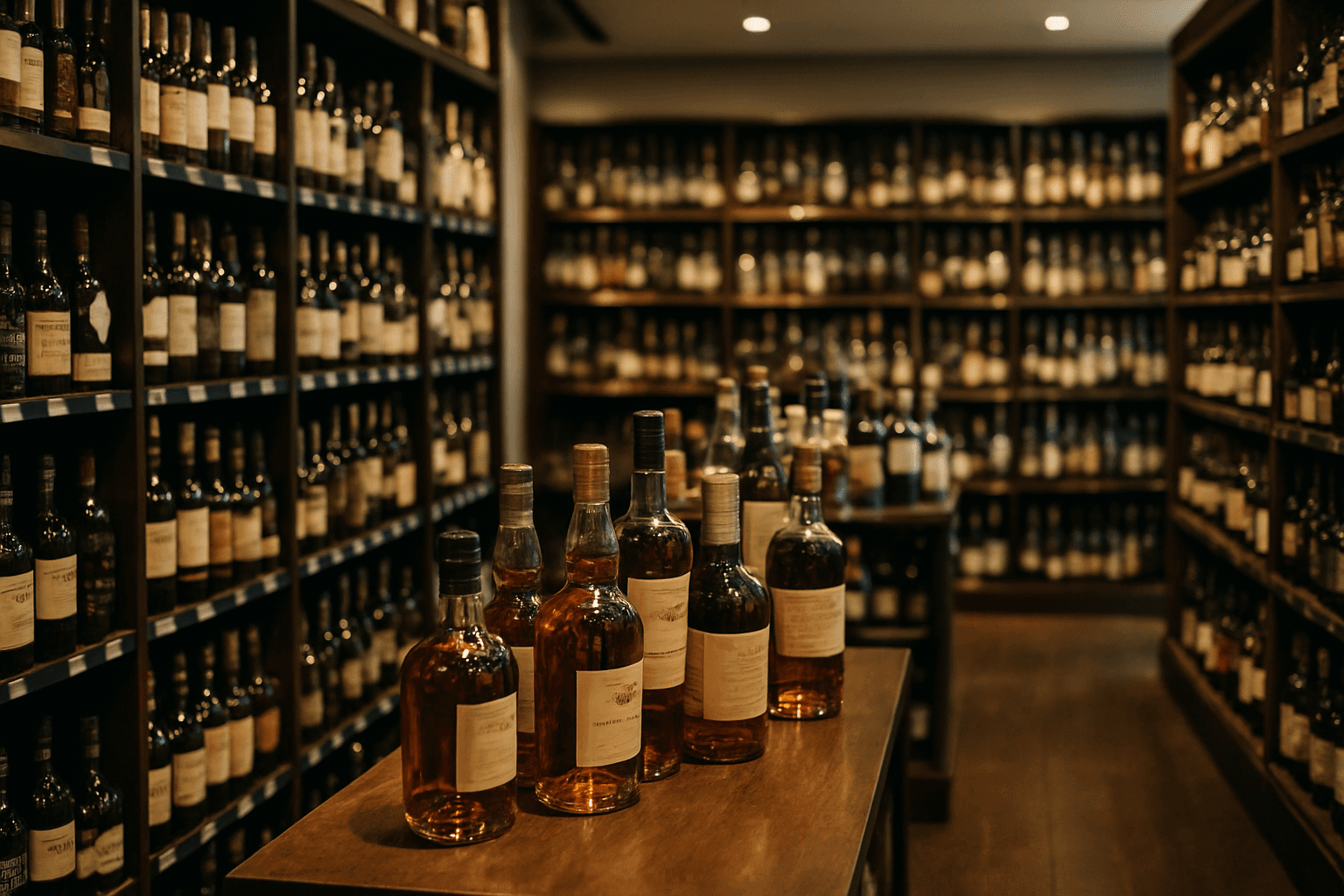
Turn your staff into your most effective retail liquor store marketing tool. Create recommendation cards that go beyond scores—include tasting notes, producer stories, and food pairings that help customers visualize the experience. Train your team to listen first, asking open-ended questions about preferences before suggesting products that genuinely match. Rotate featured picks weekly across categories like wine, spirits, and beer so repeat customers always have a reason to discover something new. This approach transforms a routine transaction into a trusted conversation, making your store the destination customers rely on for genuine guidance.
7. Use Purchase Data to Personalize Every Touchpoint
Your POS system holds the key to personalized retail liquor store marketing. Start tracking customer preferences at checkout—whether they always grab the same bourbon or stock up on roses before Valentine's Day. Use that data to send targeted product recommendations that feel like a tip from a friend, not a mass email. Segment your email list by category (wine, spirits, craft beer) so each customer gets offers that actually match their taste. After major holidays, follow up with personalized restock suggestions based on their previous occasion purchases. The $250B wine and liquor retail industry operates on systems built for generic retail, but your store doesn't have to. Personalization turns one-time buyers into loyal regulars.
8. Host In-Store Events That Online Retailers Cannot Match
Partner with distributors and local producers to schedule weekly or monthly tasting events that draw customers in on your slowest days. Pair these with educational workshops—wine basics, cocktail crafting, food pairing—positioning your store as the neighborhood's go-to beverage authority. Save your most coveted experiences for loyalty members: exclusive pre-release tastings and limited allocations turn your best customers into advocates who spread word-of-mouth buzz no algorithm can replicate. This hands-on approach is your unfair advantage in retail liquor store marketing.
9. Build a Modern, Mobile-Optimized Store Website
In the $250B wine and liquor retail industry, your website is often a customer's first impression—make it count. Ensure your site loads quickly on mobile devices since many shoppers will check it while standing in your aisle comparing prices. Add curbside pickup and local delivery options to compete with online convenience while leveraging your proximity advantage. Include an integrated inventory lookup so customers can verify product availability before visiting. These practical features turn your website into a genuine sales channel rather than a digital business card, and they're essential for any effective retail liquor store marketing strategy.
You don't need to outspend the chains—you need to outconnect. By combining digital visibility with the personal experiences and community ties that big retailers can't replicate, your store becomes more than a place to buy alcohol. It's a destination. Start with one or two of these strategies, measure what works, and build from there. Your loyal customers are out there waiting to find you.
Frequently Asked Questions
How can independent liquor stores compete with Total Wine and other big box competitors?
Focus on advantages that require significant investment for chains to replicate: local SEO presence, personalized customer relationships, community partnerships, and curated staff expertise. The wine and liquor retail industry rewards stores that build genuine connections rather than competing on price and selection alone.
What is the most cost-effective marketing channel for small liquor stores?
Email marketing and local SEO offer the highest return on investment for independent stores with limited budgets. Both channels let you reach customers directly without paid advertising costs, and they compound over time as your customer database grows.
How often should a liquor store post on social media?
Consistency matters more than frequency for retail liquor store marketing. Many industry guidelines suggest aiming for 3-4 quality posts per week across platforms where your customers spend time, but focus on experiential content—recipes, tastings, staff stories—rather than promotional posts that feel like advertising.
How do rewards programs help independent stores compete with chains?
Personalized rewards programs create loyalty that big box stores struggle to replicate at the local level. When customers feel recognized by name and their preferences are remembered, they develop emotional connections that transcend price comparisons.
Google My Business optimization, local community partnerships, and in-store tasting events consistently drive foot traffic. Combine these with targeted social media ads to reach customers in your immediate area who are most likely to become regular visitors.
How can liquor stores use data to improve marketing?
Track customer purchases at checkout to segment your email list, personalize staff recommendations, and send relevant offers based on individual preference patterns. Even basic purchase tracking enables targeted marketing that feels personalized rather than broadcast.