Why 'High-Strength' Spirits Are a Compliance Trap for Liquor Stores (And What to Do Instead)
By Intentionally Creative10 min read
Listen to this article13:51
Schedule a free strategy call and Intentionally Creative will build a custom plan for you.
Schedule Your Free Strategy CallFree audit. No commitment.
Get a Free Audit. No commitment.
Learn how to market high-ABV spirits without TTB compliance risks. Expert guide for liquor store owners on alcohol advertising rules.
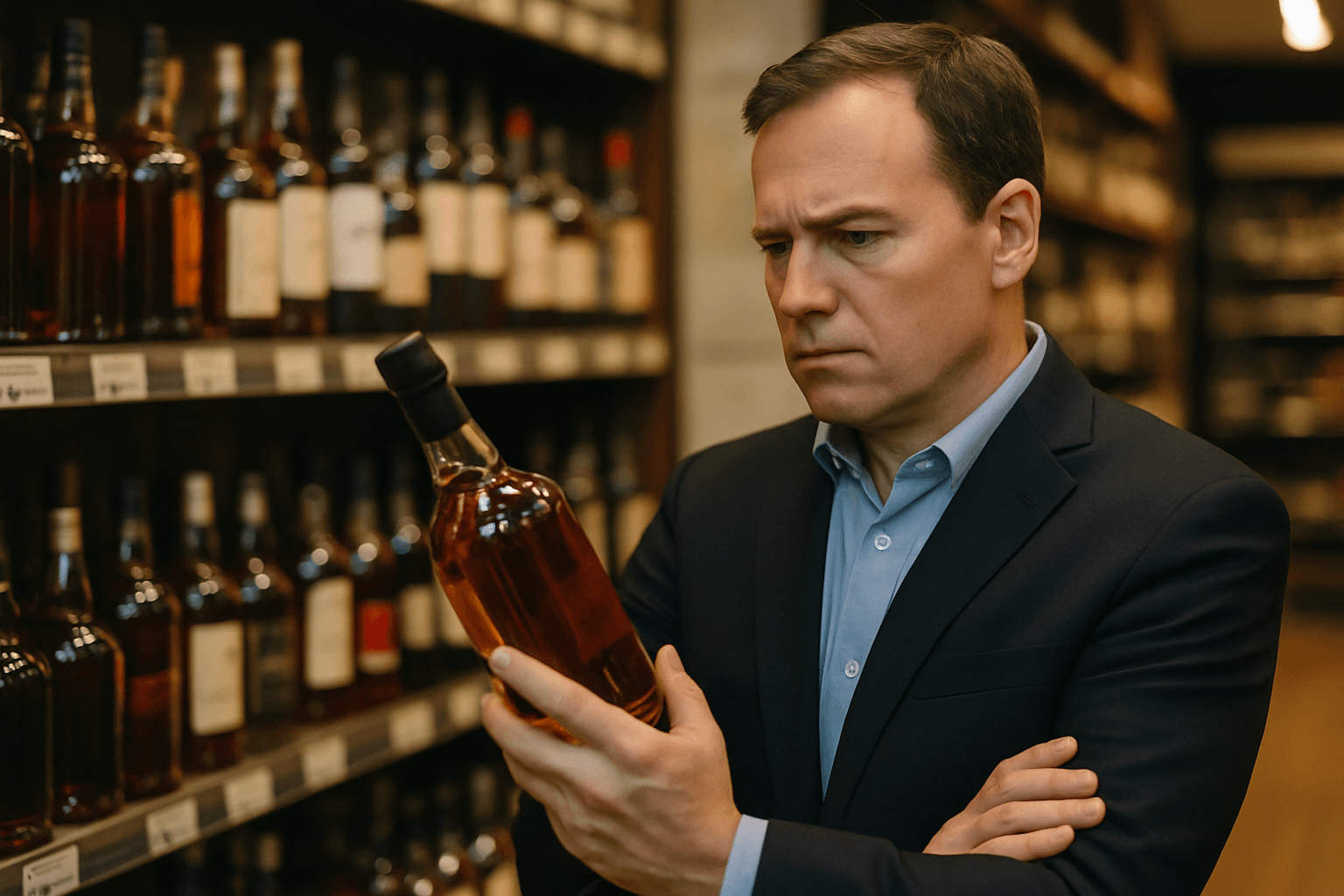
You've stocked the shelf. You've built a display that showcases your rarest finds. A customer walks in asking about that 60% ABV whiskey everyone's been talking about online, and your staff naturally highlights why it's special—its intensity, its value, the "experience" it delivers.
Before you know it, one of those shelf talkers or social posts triggers a closer look from regulators. Suddenly, you're fielding questions about marketing language you thought was harmless.
This scenario plays out more often than most liquor store owners realize. The high-strength spirits category is growing, customer interest is genuine, and the marketing instincts that work for most products can quietly create compliance exposure when applied to high-ABV bottles. Understanding where that line sits—and how to stay confidently behind it—can mean the difference between building a thriving category and dealing with regulatory friction.
Stop leaving online sales on the table. Here are the 10 most costly e-commerce mistakes liquor stores make and how to...
This guide examines the compliance landscape, identifies the specific pitfalls around high-strength spirits compliance, and gives you practical alternatives so you can market these products without the worry.
High-strength spirits—typically above 50% ABV—have built a passionate following among consumers chasing intensity, exclusivity, and value. These bottles move well, and the appeal is obvious: more potency per dollar, a novelty factor that drives conversation, and a collector segment that keeps them coming back.
Discover the top SEO mistakes liquor stores make and proven fixes. Learn local SEO tactics to boost visibility and dr...
But here's what many store owners discover the hard way: the marketing language that sells these products often crosses regulatory lines written into federal and state rules. Potency claims, value comparisons, and even shelf talker language can trigger TTB compliance concerns for liquor stores. What feels like enthusiastic product promotion can become a violation.
This guide explains the alcohol advertising regulations that matter most, walks through the specific TTB compliance issues surrounding high-strength spirits, and delivers actionable alternatives so you can market confidently without creating unnecessary risk.
10 wine club marketing tactics that reduce the 40% year-one cancellation rate and boost member spending at your liquo...
The Alcohol and Tobacco Tax and Trade Bureau (TTB) oversees how distilled spirits are marketed and advertised in the United States. This includes scrutinizing any claims about strength, potency, or alcohol by volume (ABV). For liquor stores, this means your marketing materials, shelf talkers, social media posts, and even staff conversations about products fall under federal oversight when they touch on alcohol content.
The TTB takes a firm stance against marketing that could be seen as promoting heavy drinking. When your messaging highlights high alcohol content as a selling point, regulators may view it as an indirect endorsement of overconsumption. Federal rules explicitly prohibit advertisements that downplay alcohol's risks or present it as harmless—or worse, desirable.
This creates real compliance exposure for liquor stores that lean too heavily on "extra strong" or "high-octane" language in their promotions. Even well-intentioned efforts to educate customers about a product's profile can cross into problematic territory if the emphasis feels like advocacy for drinking more.
High-strength spirits compliance isn't about avoiding the topic of ABV entirely—it's about how you frame it. Descriptive, factual language about a spirit's characteristics differs sharply from marketing language that glorifies its punch. The distinction matters, and regulators are watching for exactly that line.
When it comes to high-strength spirits compliance, the path from clever marketing to regulatory trouble is shorter than most retailers realize. Understanding where stores commonly slip up is the first step toward protecting your business.
The most frequent compliance missteps involve language that emphasizes intoxication potential rather than product quality. Phrases like "extra strong," "high-octane," or "powerful" might seem like harmless descriptors, but they can flag your store for TTB review. Regulators look for language that encourages excessive consumption or suggests the product will produce heightened effects.
Another common mistake involves supplier-created point-of-sale materials. Many retailers assume that if a brand provided the signage, the compliance burden falls on them—not true. You can inherit the risk of materials you display. Always review supplier POS for compliance before putting it on your floor.
In-store displays that highlight alcohol percentage as a selling point often cross the line. Signs reading "65% ABV!" or "World's Strongest Vodka" may drive curiosity purchases, but they also send a clear message to regulators that you're marketing the product's strength as its primary appeal.
Social media presents its own challenges. Posts celebrating "bruiser bottles" or "face-melters" may seem playful and resonate with your audience, but they carry real alcohol advertising regulations risk. Even if the tone is joking, the content can be interpreted as encouraging high-volume consumption.
The key to avoiding these pitfalls isn't fear—it's awareness. Before you promote any high-ABV product, ask yourself: "Does this describe the spirit's quality and character, or does it suggest its intoxicating power?" That simple filter can keep your store on the right side of liquor store marketing restrictions and protect you from costly violations.
When it comes to high-strength spirits compliance, the smartest move is also the simplest: change the conversation. Instead of building your marketing around how much alcohol a bottle contains, shift the focus to what makes it worth drinking.
Shoppers browsing your high-ABV section aren't just looking for a buzz—they want something worth the investment. Let your marketing speak to that. Describe the tasting notes. Suggest food pairings. Talk about the cocktail possibilities or the perfect moment to pour it neat. When you lead with flavor and occasion instead of potency, you're not just staying on the right side of alcohol advertising regulations—you're actually helping customers make informed decisions they'll feel good about.
Your distributors and brand partners have already done the heavy lifting when it comes to regulatory review. Brand-approved point-of-sale materials, shelf talkers, and tasting notes have typically cleared TTB compliance requirements. When you're promoting a high-ABV bottle, lean on these resources. They keep your liquor store marketing restrictions front of mind while giving you professional, eye-catching content without the compliance homework.
Your team is often the first point of contact with customers—and the most likely place where risky claims slip through. Create simple, clear guidelines that steer staff away from comparative strength language. Phrases like "strongest," "most powerful," or "biggest kick" can land you in hot water. Instead, train your team to speak factually: mention ABV when it's genuinely helpful (say, when a customer asks about mixing ratios), but keep it matter-of-fact rather than promotional.
When it comes to high-strength spirits compliance, a moment of preparation saves you from costly corrections later. Before any marketing goes live—in-store signage, social media posts, email campaigns, or promotional materials—run through this checklist.
Run through these five questions before every post. It's the simplest step toward marketing that sells—without the legal headaches.
10+ years helping liquor retailers and beverage brands grow through data-driven digital marketing. Learn more
Here's what many liquor store owners don't realize: compliance issues often come to light through channels you might not be actively monitoring. The TTB conducts routine sweeps that include social media accounts, retailer websites, and point-of-sale materials. If you're running a promotion featuring high-strength spirits compliance claims without proper substantiation, there's a good chance it surfaces during one of these regular reviews.
Beyond federal oversight, state alcohol control agencies frequently run their own parallel compliance programs with distinct requirements. A violation that slips past TTB standards might still trigger action at the state level—and vice versa. This layered enforcement structure means you need to think about compliance across multiple jurisdictions, not just one.
When violations are confirmed, the penalties aren't minor. Retailers typically face warning letters as a first step, followed by potential fines depending on the severity and repeat nature of the offense. In some cases, the TTB requires corrective advertising—essentially forcing you to publicly walk back claims you made.
The most serious violations can result in permit suspension, which directly threatens your ability to operate. But here's the part many owners underestimate: the reputational damage often eclipses any financial penalty. A public compliance action becomes part of your business record, potentially affecting supplier relationships, customer trust, and long-term viability.
When you're weighing whether a marketing tactic is worth the risk, remember that rebuilding credibility after a violation takes far longer than the sales boost that prompted it.
Intentionally Creative specializes in digital marketing strategies that drive real results. Let us show you what's possible.
Schedule a CallHigh-strength spirits compliance doesn't have to feel like walking on eggshells. By keeping the focus on the experience, leaning on pre-approved materials, and equipping your staff with the right words, you can market these products confidently—without the risk.
High-strength spirits compliance isn't about avoiding the category entirely—it's about knowing where the regulatory guardrails sit so you can market confidently and profitably.
The most successful independent stores treat alcohol advertising regulations as a category management tool, not a burden. High-strength spirits can absolutely be part of a profitable, compliant category strategy when you separate what moves off shelves from what clears your marketing campaigns.
Building simple internal processes makes all the difference. Before launching any promotion or advertising creative, ask yourself: Does this mention alcohol content in a way that could encourage excessive consumption? If the answer is unclear, pause and verify.
When in doubt, consult the TTB's industry resources or work with your distributor's compliance team before launching a campaign. A five-minute call now can prevent a warning letter—or worse—later.
Ready to audit your current marketing materials? Download our free High-ABV Compliance Checklist and review every post, sign, and shelf talker in your store this week. Your store's reputation—and your license—depends on getting this right.
Start your compliance review today.