Wine as a Social Bridge: How Liquor Retailers Can Use Community-Building Messaging to Attract Diverse Customer Segments
By Intentionally Creative13 min read
Listen to this article16:11
Schedule a free strategy call and Intentionally Creative will build a custom plan for you.
Schedule Your Free Strategy CallFree audit. No commitment.
Get a Free Audit. No commitment.
Discover how liquor retail community marketing turns wine into a social bridge — proven strategies to engage diverse customers and grow your store's reach.
Every liquor store sells wine. But the stores that are actually growing — the ones pulling in new faces while keeping their regulars loyal — aren't just selling bottles. They're using wine as the centerpiece of something bigger: a liquor retail community marketing strategy that turns a retail transaction into a neighborhood relationship.
Here's the reality. The liquor retail landscape is more competitive than it's ever been. Between big-box chains, online delivery apps, and the grocery store down the street, your customers have options. Price alone won't keep them coming back. What will? Belonging. The feeling that your store is their store — a place that knows them, reflects them, and gives them a reason to show up beyond a shelf tag.
Wine is how you build that feeling. It's the most socially versatile category in your store, and when you wrap the right messaging and experiences around it, it becomes a bridge — between your brand and your community, between longtime regulars and first-time visitors, and between customer segments that most stores never think to connect. This guide breaks down exactly how to make that happen, with strategies you can start using this month.
Here's a truth most store owners already feel but rarely act on: wine is the single most versatile product in your store for building real relationships with customers.
Think about it. Beer has its loyalists. Spirits have their cocktail crowd. But wine? Wine sits in a category all its own — approachable enough for the complete beginner picking up a bottle for a dinner party, yet endlessly deep for the collector hunting allocated Burgundy. It crosses age, income, and cultural lines in ways no other category consistently does.
DTC spirits brands are reshaping liquor retail competition. Learn how direct-to-consumer models work and what they me...
And yet, most liquor stores default to the same playbook: stack it high, price it low, and hope the deal-seekers come back. They rarely do. Price-driven promotions attract transactional customers, not community members. They don't build the kind of lasting customer engagement that actually grows your business.
Wine is the on-ramp. It's the category where a 25-year-old exploring natural wines and a 60-year-old Napa loyalist can both feel welcome in your store. When you build your wine marketing around education and experience — not just price tags — you open the door to diverse customer segments that price promotions simply can't reach.
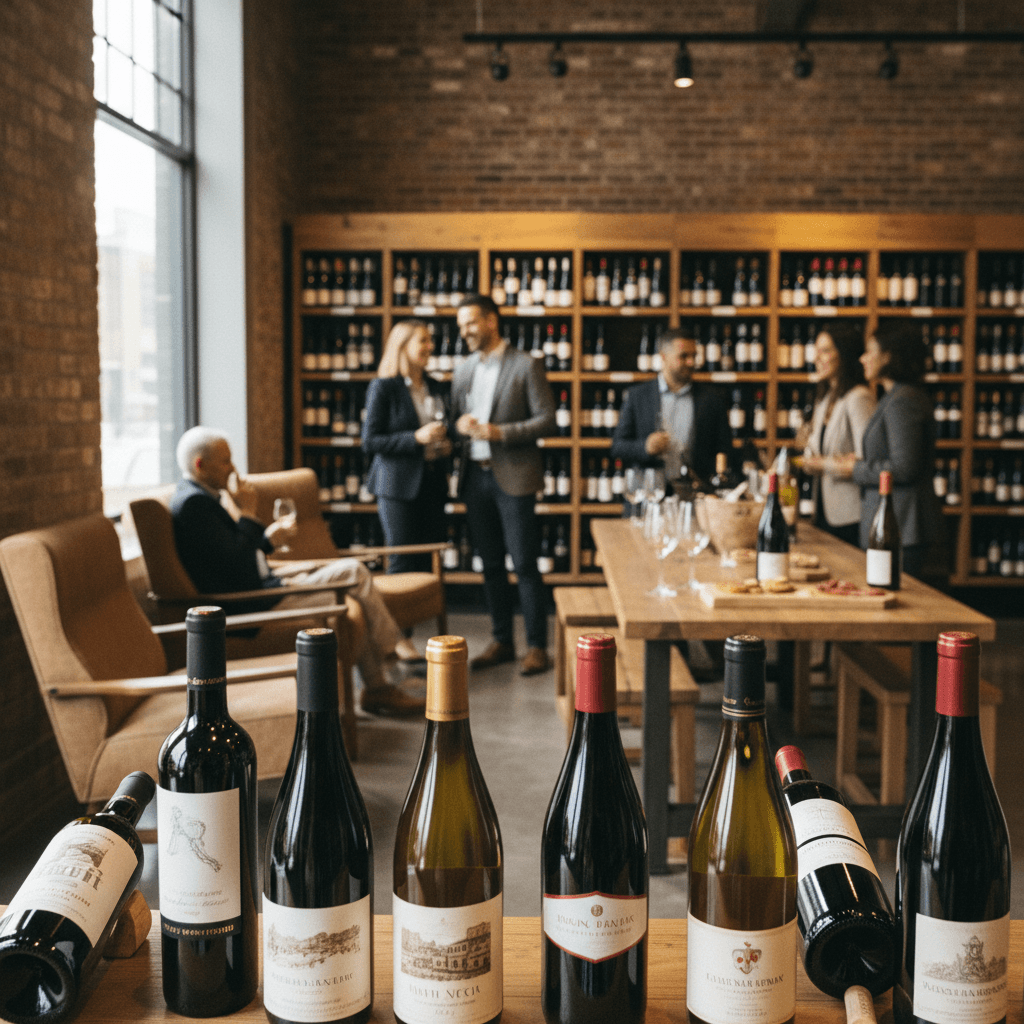
This is the concept that changes everything. Wine-centered experiences — tastings, food pairings, winemaker visits — create neutral ground where different customer segments connect with your brand and each other. That's the social bridge effect.
Community engagement and events show up in nearly every major industry guide on liquor store promotion, and wine is the through-line tying most of them together. When Juno's Liquor launched three new locations across the DFW market, their expansion required localized community-building strategies tailored to each neighborhood's demographics — exactly the kind of work wine-centered programming supports naturally.
Whisky Hammer's Hong Kong move reveals growing whisky secondary market opportunities for liquor retailers. Learn what...
There's a demand-side signal here, too. In the Sumter Westend neighborhood , residents actively organized around liquor retail decisions in their area, demonstrating that community perception directly impacts whether a store sinks or thrives. Wine gives you the vehicle to shape that perception intentionally — positioning your store as a gathering place rather than just a transaction point.
Understanding why wine works as a social bridge is step one. Step two is getting clear on exactly who you're building that bridge to.
Here's a truth that sounds obvious but gets ignored constantly: your customers aren't a monolith. The person grabbing a $12 Pinot Grigio for a Tuesday book club is not the same person hunting for a 2015 Barolo to cellar. Effective community marketing starts with recognizing at least six distinct segments walking through your doors (or not walking through them — yet):
Each group responds to different messaging, different shelf placement, and different in-store experiences. And your staff? They're your first line of community building. Hiring knowledgeable team members — and actually investing in their education — creates the kind of inclusive, welcoming environment that attracts and retains customers across every background and experience level.
Champagne shipments 2025 reached 26.4M bottles in the U.S. Learn how liquor retailers can capitalize on sparkling win...
What works in one neighborhood won't automatically work in another. Different demographics, different cultural touchpoints, different price sensitivities. Juno's Liquor learned this firsthand when expanding across DFW — each location required its own localized approach because generic promotion couldn't compete with genuine neighborhood connection.
The lesson from Sumter Westend reinforces this from the opposite angle: when residents feel ownership over what's in their neighborhood, they engage. People care about who you are to their community, not just what you sell.
Your actionable takeaway: Before building any campaign, audit your current customer base first. Pull your sales data. Talk to your staff. Identify which segments you're underserving — then build your engagement strategy around closing those specific gaps.
Once you know who you're talking to, the next question is how to talk to them — and that's where most stores get it wrong.
Here's the disconnect: community engagement shows up in virtually every industry playbook for liquor store promotion. Yet most stores still default to "10% off Chardonnay this weekend" as their primary communication.
That's not community. That's a coupon.
Effective liquor retail community marketing means positioning your store as a local gathering point and cultural contributor — not just a place to buy bottles. The difference between stores that nail this and stores that don't comes down to two shifts.
Stop leading with price. Start leading with people.
Feature staff picks with the actual story behind them — why Maria from your evening crew loves that Malbec, what it pairs with, the first time she tried it. Celebrate cultural moments tied to wine traditions: harvest festivals, Hispanic Heritage Month, local food pairings with the BBQ joint two blocks over. Highlight your local partnerships openly.
Your tone should be confident and warm — never performative. Diverse customer segments can spot inauthenticity instantly. If you're celebrating a cultural moment, make sure someone on your team actually understands it.
The stores winning at community marketing aren't the loudest. They're the most present. Practical moves:
You don't need a bigger marketing budget to reach new customers. You need better partners.
Cross-marketing with local businesses — wineries, restaurants, complementary retailers — is one of the most effective community marketing tactics available, and it costs next to nothing. Each partner brings their own audience to the table, effectively doubling your reach into customer segments you'd never access through your own channels alone.
Start with businesses that share your customer but not your product. Three ideas you can run with this month:
Wine is uniquely versatile as a cross-marketing vehicle. It pairs with food, art, music, books, flowers — practically anything that brings people together.
Keep partnerships simple and reciprocal: feature partners on your social media, share email lists (with permission), and co-brand in-store signage. These low-cost moves send a high-value signal — that your store isn't just in the community, it's part of it.
That kind of trust turns first-time visitors into regulars.
Your next loyal customer isn't walking through your door first — they're scrolling past your post. The question is whether you give them a reason to stop.
Effective liquor retail community marketing online doesn't require a massive budget. It requires showing up consistently and treating social media like a conversation, not a billboard.
Here's an underused strategy: talk with people, not at them.
Chat-first engagement means prioritizing personalized, conversational interactions through DMs, comments, and messaging apps. When someone asks "What pairs with salmon?" in your Instagram DMs, that's not an interruption — that's a sale and a relationship starting simultaneously.
A first-time wine buyer and a seasoned collector both appreciate being heard. Community is built in the replies, not the posts. Respond to every comment and DM. Every single one.
Match your platform to your audience. Instagram and TikTok reach younger demographics. Facebook Groups drive local community engagement. Email newsletters nurture your loyal base. Don't spread thin — go where your people actually spend time.
Content that performs:
10+ years helping liquor retailers and beverage brands grow through data-driven digital marketing. Learn more
Great messaging sets the stage. But the real magic happens when you give people a reason to show up in person.
Events and clubs consistently rank among the highest-impact tactics for liquor retailers because they do something ads can't: they put people in a room together around a shared experience.
Here's the metric that matters: new customer acquisition per event — not just attendance. If the same 20 regulars show up every Thursday, you're preaching to the choir, not building bridges.
Design events for inclusion. That means themed tastings with low barriers to entry: wines under $15, spotlights on women winemakers, or regions your community has cultural ties to. If your neighborhood has a growing Latin American population, a South American wine night isn't pandering — it's smart marketing that reflects the people around you.
Use beginner-friendly formats with no-judgment language. "No wrong answers" isn't just a nice sentiment; it's a customer acquisition tool. Offer multilingual event materials where relevant. And don't sleep on hybrid formats — virtual tasting events and live streams expand your reach beyond your four walls, letting you connect with customers who might never walk in cold.
One-time event attendees are great. Repeat members are better. Wine clubs and subscription boxes turn a single transaction into an ongoing relationship — and a sense of belonging.
Subscription models scale well across multiple locations or customer segments: curated boxes reflecting local tastes, member-only pickup events, and early access to new arrivals create engagement that compounds month over month.
The goal isn't just revenue (though recurring revenue is beautiful). It's identity. Members don't just buy wine from you — they belong to something you built. That's the bridge.
Events and clubs build your core community. But to reach beyond your existing audience, you need to borrow someone else's.
Intentionally Creative specializes in digital marketing strategies that drive real results. Let us show you what's possible.
Schedule a CallThe bottom line: post less polished content more often, reply like a human, and remember that every comment thread is a mini focus group telling you exactly what your customers want.
Here's the bottom line: wine is a uniquely powerful social bridge. Smart community marketing built around it can attract diverse customer segments — without blowing your budget.
Track metrics that matter for real engagement:
Remember: how your community feels about your store drives real revenue. Measure sentiment, not just sales.
The liquor stores that will thrive over the next decade aren't the ones with the biggest ad budgets or the deepest discounts. They're the ones that become indispensable to their communities — the stores people recommend to friends, defend on Nextdoor, and drive past two competitors to visit.
Wine gives you the tool. Liquor retail community marketing gives you the framework. And the strategies in this guide — from segment-specific messaging to local partnerships to social media that actually sounds human — give you the playbook.
You don't need to do everything at once. Pick one section that resonated. Execute it this week. Measure what happens. Then build from there. The social bridge between your store and your community doesn't get built in a day, but every tasting, every partnership, every genuine reply to a DM lays another plank.
Ready to build a community marketing strategy tailored to your store, your neighborhood, and your goals? Connect with Intentionally Creative ↗ — we'll help you reach diverse customer segments with a plan that actually fits.