Are Tariffs Pushing Consumers Toward American Wines? How to Rebalance Your Domestic vs. Import Shelf Mix
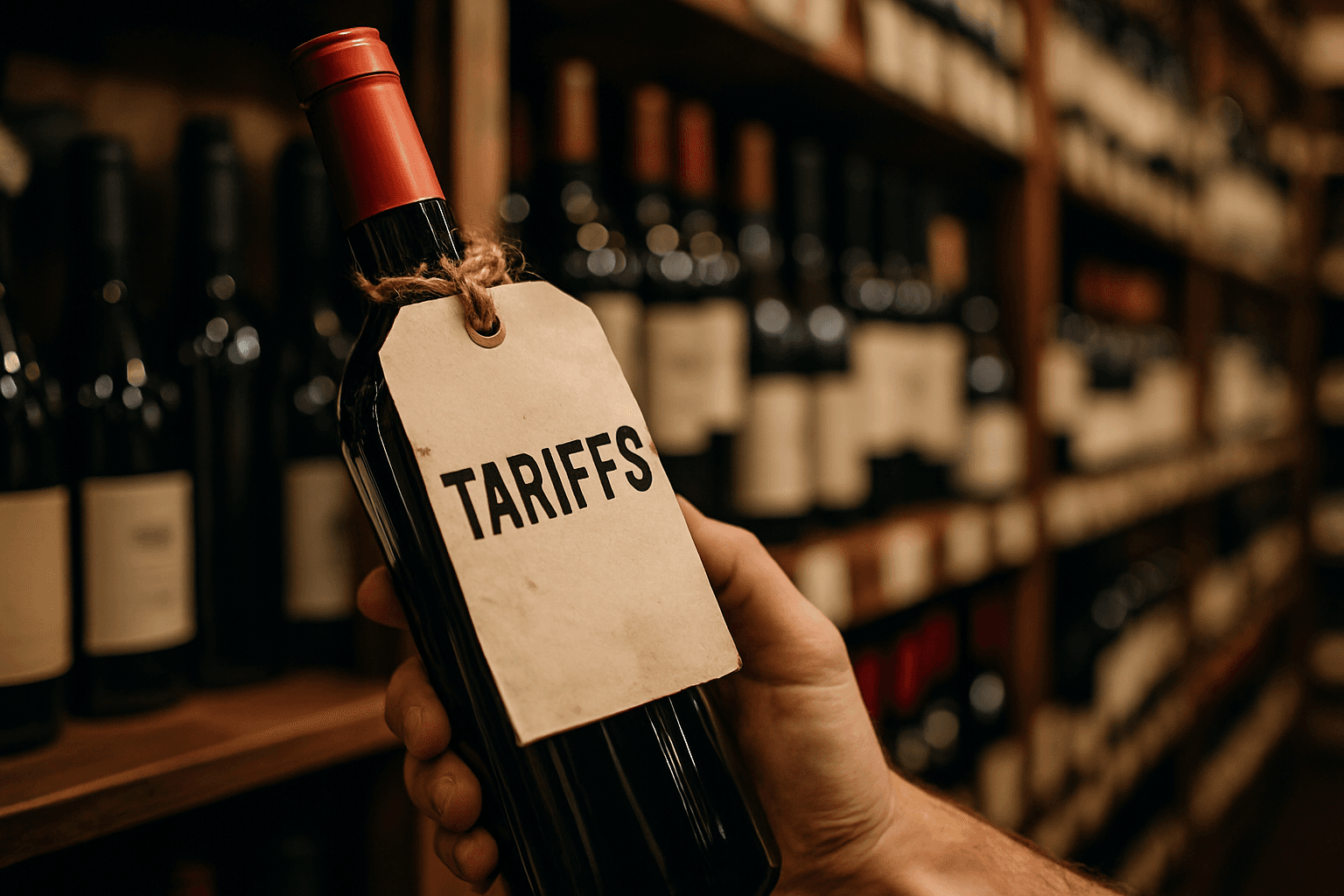
How are tariffs impact on wine retail reshaping your shelf mix? The real data on domestic vs. imported wines — and what smart liquor stores should do now.
- The Simple Narrative vs. the Messy Reality of Wine Tariffs
- Why Tariffs Haven't Been the Win for American Wine That Everyone Expected
- The Distributor Math That Most Retailers Aren't Seeing
- Consumer Behavior Isn't Shifting as Fast as You'd Think
- A Smarter Shelf Mix Strategy for the Tariff Era
Every liquor store owner in America is hearing the same pitch right now: tariffs are making imported wines more expensive, so load up on domestic bottles and ride the wave. It's a tidy story — and if you've been in this business long enough, you know tidy stories about consumer behavior almost never survive contact with your actual sales data. The tariffs impact on wine retail is real, but the playbook for responding to it is a lot more nuanced than "swap out Bordeaux for Sonoma."
Here's what we know for certain: the EU imposed a 15% tariff on wine imports effective August 2025 [VERIFY: confirm exact rate and effective date]. What we don't know — and what nobody can honestly tell you yet — is exactly how your customers will respond over the next 12 to 18 months. The early signals are mixed, the supply chain pressures cut in both directions, and the people advising you on inventory have their own margin incentives that may not align with yours.
This post breaks down what's actually happening — the data, the distributor dynamics, the consumer psychology, and the strategic moves that separate stores reacting to headlines from stores building a smarter shelf. If you're trying to figure out how to balance your domestic and import wine mix right now, start here.
The Simple Narrative vs. the Messy Reality of Wine Tariffs
What You're Hearing: Tariffs Will Push Shoppers to Buy American
If you've been following trade news — or just talking to your distributor reps — you've probably heard some version of this: tariffs on European wine mean customers will naturally pivot to domestic bottles. Simple shelf swap. Easy money.
Stop leaving online sales on the table. Here are the 10 most costly e-commerce mistakes liquor stores make and how to...
It's a clean story. It's also incomplete.
What's Actually Happening: It's Way More Complicated
The 15% EU tariff is real. But here's what most hot takes leave out: according to University of Chicago/Becker Friedman Institute research, price effects from tariffs take nearly a year to fully materialize at the retail level. We're still in the early innings. The full impact won't be clear until well into 2026.
Meanwhile, the picture keeps getting messier:
Discover the top SEO mistakes liquor stores make and proven fixes. Learn local SEO tactics to boost visibility and dr...
- Distributors typically earn higher profit margins on foreign wines than domestic ones — which means they're not exactly rushing to help you shift shelf space.
- Some countries are hitting back with retaliatory trade actions that are squeezing U.S. wine exports [VERIFY: specify which countries and what form these actions take], putting pressure on domestic producers from the other side.
- Plenty of retailers were stocking up on European inventory ahead of price increases in late 2025 — a sign that import demand isn't evaporating anytime soon.
So no, this isn't a simple swap. This guide is here to help you make smart, data-driven inventory decisions while the dust is still very much settling.
Why Tariffs Haven't Been the Win for American Wine That Everyone Expected
If tariffs are supposed to be a gift to American winemakers, why aren't domestic producers celebrating? Because the tariffs impact on wine retail cuts in directions most people haven't considered.
The Double Squeeze on Domestic Producers
American vintners aren't sitting in the catbird seat. They're caught in a double squeeze.
Learn how to run compliant, high-performing Google Ads for liquor stores. Covers campaign setup, bidding strategies, ...
First, their production costs are climbing. Glass bottles, corks, oak barrels, stainless steel equipment — much of it imported, much of it now more expensive. Those input costs don't disappear just because the competition got pricier.
Second — and this is the part that surprises people — some California winemakers are actively opposing tariffs on European competitors. Why would they root for cheaper imports? Because they understand a healthy import market benefits the entire wine ecosystem. Consumers who explore Barolo often buy Napa Cab too. These categories aren't in a zero-sum fight. They're co-dependent.
Retaliatory Tariffs Are Shrinking U.S. Wine's Global Footprint
Retaliatory trade actions from the EU and other markets [VERIFY: specify which countries beyond the EU] are cutting into domestic producers' export revenue. Less export income means tighter margins at home — which translates to less promotional support, fewer competitive pricing programs, and potentially higher wholesale costs passed along to you.
The bottom line: Don't assume domestic producers are positioned to fill your shelves at better prices. Their cost structures are under pressure from both directions. Factor that reality into your planning before you overhaul your shelf mix.
The Distributor Math That Most Retailers Aren't Seeing
So if domestic producers can't simply ride tariffs to easy wins, who is benefiting from the current situation? Follow the margin trail, and you'll land squarely in your distributor's office.
Here's an uncomfortable truth nobody in that office is eager to discuss: the people advising you on what to stock have a financial reason to keep your shelves loaded with imports.
Why Your Distributor Might Not Push Domestic Alternatives
Distributors generally earn stronger margins on foreign wines than domestic ones [VERIFY: source for this claim]. That's baked into the three-tier system's economics. So when the EU tariff hit, your distributor didn't suddenly start championing American alternatives. Their reps kept pushing Bordeaux and Barolo because their commissions and company margins depend on it.
The lag in tariff price effects creates a window where distributors can maintain import volume before sticker shock hits your customers. Some even encouraged retailers to stock up on European inventory ahead of anticipated increases — protecting their pipeline, not necessarily your bottom line.
How Margin Structures Shape What Lands on Your Shelf
Your optimal product mix and your distributor's optimal product mix are not the same thing right now. Full stop.
If you're waiting for your distributor to guide your shelf rebalancing, you're letting someone else's P&L dictate yours. Run your own margin analysis. Pull your POS data. Compare landed cost, turn rate, and gross margin on imports versus domestic bottles today — not six months ago.
Consumer Behavior Isn't Shifting as Fast as You'd Think
Understanding distributor incentives is critical — but it only tells half the story. The other half is what's happening on the demand side. And that's where things get even more counterintuitive.
Import Loyalty Is Stickier Than Tariff Headlines Suggest
The fact that retailers nationwide bet their own capital on continued import demand through late 2025 tells you more than any trend piece. Store owners don't stock up on product categories they expect to collapse.
And that bet makes sense when you look at the mechanics. Wine producers and importers have engaged in "tariff engineering" — relabeling products, restructuring supply chains, finding creative ways to soften the duty hit. The market is bending around tariffs, not breaking toward domestic alternatives.
The Value Perception Problem for Domestic Wines
Here's a structural challenge for any shelf rebalancing strategy: many consumers perceive European bottles as better value — especially under $15 [VERIFY: source for this consumer perception claim]. If someone's go-to $12 Côtes du Rhône jumps to $14, they're far more likely to absorb that increase or explore another import than gamble on an unfamiliar $12 domestic wine.
That perception gap won't resolve itself overnight.
The actionable takeaway: Don't over-rotate your shelves based on assumptions about how customers should respond to tariffs. Test small. Measure actual sell-through. Let your customers' buying patterns — not headlines — guide your rebalance.
Let our team show you what's possible.
our team specializes in digital marketing strategies that drive real results. Let us show you what's possible.
Schedule a CallA Smarter Shelf Mix Strategy for the Tariff Era
All of this might sound like a case for doing nothing. It's not. It's a case for doing the right things — deliberately, with data backing every move. The tariffs impact on wine retail isn't a reason to panic. It's a reason to get strategic.
Run the Numbers Before You Rearrange the Shelves
Before you touch a single bottle, audit your current import vs. domestic margin performance at the SKU level. Which imported wines are most exposed to tariff-driven price increases? Which domestic wines could realistically slot into those same price brackets and styles?
Remember: your distributor has a financial incentive to keep imports on your shelves — even when it's not in your best interest. Know your numbers so you can push back.
Three Tactical Moves to Make Right Now
Move 1: Identify your vulnerable SKUs. Flag your most tariff-exposed imports and identify domestic alternatives that compete on both quality and price point. Don't guess — match by style and bracket.
Move 2: Use the transition period strategically. Price effects won't fully materialize until mid-to-late 2026. That gives you runway to test domestic alternatives through end-cap displays, staff picks, and tasting events. Gather real sell-through data before making permanent shelf changes.
Move 3: Negotiate smarter with distributors. If they want to keep import volume flowing through your store, they should invest in helping you diversify — better domestic pricing, promotional support, or both. Make it a two-way conversation.
Where Domestic Wines Actually Have an Opportunity
The sweet spot sits squarely in the $15–$25 range. American wines from Oregon, Washington, and emerging California regions can genuinely compete here on quality and story. Look especially for bottles with strong brand narratives — sustainability, small-batch production, regional pride. These resonate with consumers already inclined to buy local.
One critical warning: don't simply swap premium European wines for budget domestic bottles. Your customers will notice the quality gap — and they'll blame your store, not the tariffs. Match quality tier for quality tier. That's how you protect both your margins and your reputation.
What to Watch in 2026: The Signals That Should Trigger a Bigger Shift
You've got a strategy. Now you need to know when to accelerate it. The next 12 months will bring clearer signals — if you know where to look.
Price Thresholds That Change Consumer Behavior
Monitor wholesale price increases on your key import SKUs. When increases cross the 10–15% threshold on a given price tier, consumer behavior shifts become measurable. A $12 Italian Pinot Grigio that creeps to $14 might hold. Push it past $15, and you'll see sell-through decline — that's where customers start making different choices.
Track sell-through rates by tier quarterly, not in reaction to headlines. Set calendar reminders. Review the data. Then adjust based on what your register is telling you.
Trade Negotiation Scenarios and What They Mean for Your Inventory
Tariff situations are fluid. The EU's 15% tariff came alongside ongoing negotiations, and policy could shift in either direction. Retaliatory actions squeezing domestic producers from the international side could eventually mean more domestic inventory competing for your shelf space at better pricing.
The smart move? Build flexibility into your purchasing strategy rather than making a big bet in either direction. Negotiate shorter commitment windows with distributors. Keep a quarterly review cadence for your wine category performance. The retailers who win in uncertain environments aren't the ones who predict the future. They're the ones who see the signals early and move decisively when the data supports it.
The Bottom Line: Don't Let Headlines Make Your Merchandising Decisions
The tariffs impact on wine retail is real — but it's not the simple story you're hearing. The easy narrative says imports get expensive, consumers switch to American wines, and you adjust your shelf accordingly. The reality is messier.
The 15% EU tariff hit in August 2025, yet price effects won't fully reach retail for months. Distributors are motivated to keep pushing imports. Retailers nationwide were stocking up on European inventory through late 2025. And retaliatory trade actions are adding cost pressures to domestic producers too.
So your shelf strategy shouldn't come from cable news. It should come from your POS data.
The stores that win in uncertain markets stay flexible, test small before committing big, and let register data — not headlines — drive the plan.
Here's your next step: Pull your wine category sales data from the last 90 days. Compare margin performance, sell-through rates, and price-tier trends for imports versus domestic bottles. That single exercise will tell you more about what your shelf mix should look like than any article — including this one. And if you want help turning that data into a strategy that actually moves the needle, reach out to the Intentionally Creative team ↗. We help liquor retailers make smarter decisions with the numbers they already have.
10+ years helping liquor retailers and beverage brands grow through data-driven digital marketing. Learn more