Bacardi Pushes St-Germain Into French Grocery Retail: What Big-Brand Channel Expansion Strategies Signal for Independent Liquor Store Positioning
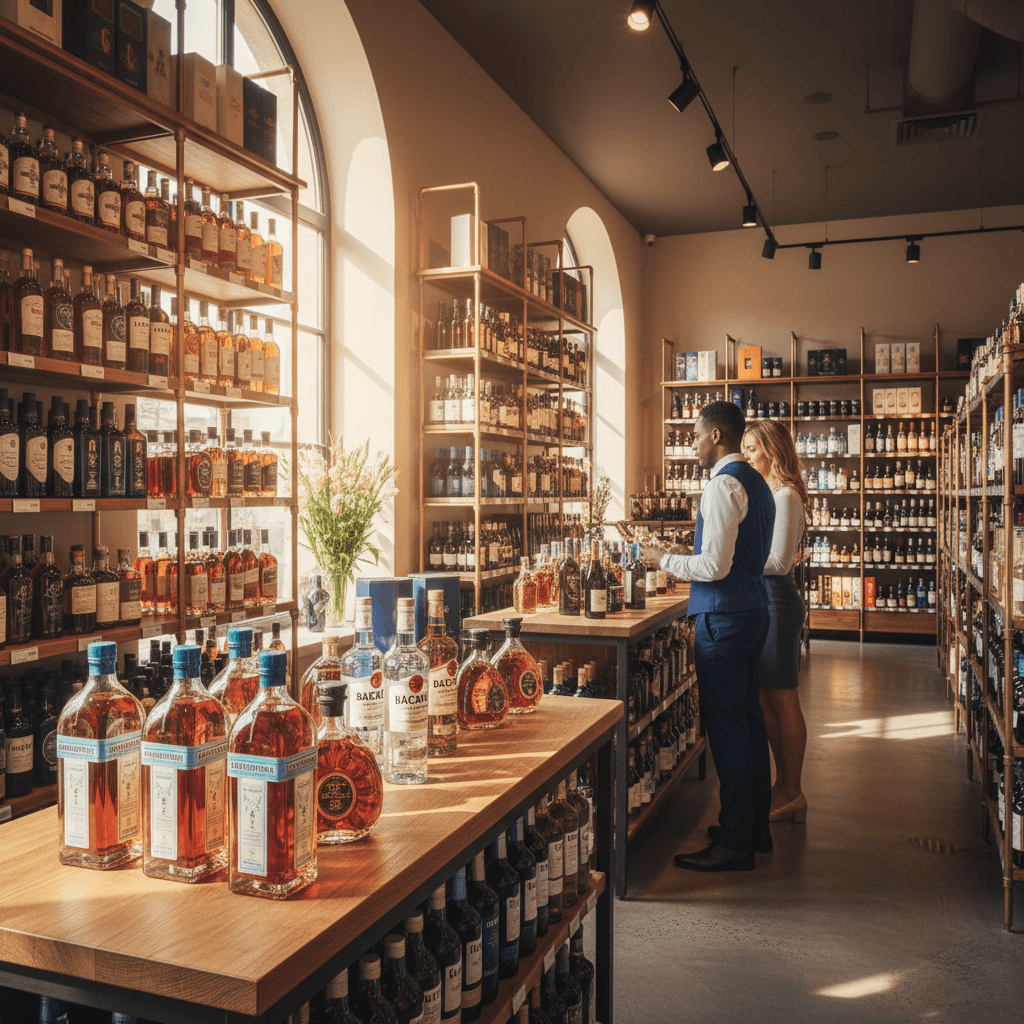
Bacardi's St-Germain grocery move reveals a big brand liquor channel expansion strategy trend. Here's what independent liquor stores should do next.
- Bacardi Just Made a Channel Move — And Independent Liquor Stores Should Pay Attention
- The Big-Brand Playbook: Why Conglomerates Are Flooding New Channels
- What This Means for Independent Liquor Store Positioning
- 5 Liquor Retail Marketing Strategies to Stay Ahead of Big-Brand Channel Expansion
- The Bigger Picture: Channel Diversification Is Reshaping the Entire Spirits Industry
A premium elderflower liqueur that built its name in craft cocktail bars is about to sit between the cereal and the frozen pizzas. That's not a hypothetical — it's Bacardi's actual plan for St-Germain in France, and it tells you everything you need to know about where the spirits industry is headed. When a conglomerate takes one of its most carefully positioned brands and pushes it into mass-market grocery, that's not a one-off distribution tweak. That's a big brand liquor channel expansion strategy with implications that ripple far beyond Europe.
If you own or operate an independent liquor store, this move deserves more than a passing glance. The brands that once made your shelves special are being systematically pushed into channels designed for volume, not curation. And the companies doing it — Bacardi, Campari, and others — aren't slowing down. They're accelerating.
This post breaks down exactly what's happening, why it matters for your business, and — most importantly — what you can do about it right now. Not in theory. In practice.
Bacardi Just Made a Channel Move — And Independent Liquor Stores Should Pay Attention
What Happened: St-Germain Hits French Grocery Shelves
Bacardi is pushing St-Germain — the elderflower liqueur that built its reputation behind craft cocktail bars and on the shelves of specialty retailers — into French grocery channels. The goal is straightforward: volume growth.
This is a textbook big brand liquor channel expansion strategy. Take a brand with premium cachet, move it into mass-market distribution, and capture consumer segments that never would have walked into a specialty shop to find it.
Discover the 7 essential marketing budget benchmarks for liquor stores. Learn how top performers allocate spend for m...
And Bacardi isn't operating in a vacuum. The global alcohol market is valued at roughly $570 billion, with projections through 2034 pointing toward sustained growth driven by hybrid beverages and channel diversification. Campari Group acknowledged significant headwinds in 2025 before doubling down on geographic expansion into high-volume retail. The conglomerates are reading the same data you should be: where a product is sold matters as much as what's being sold.
Why This Isn't Just a European Story
If you're an independent liquor store owner in the U.S., don't dismiss the St-Germain grocery retail expansion as a French market story. It's a leading indicator.
When premium brands go mass-market, independent liquor store positioning gets harder overnight. The products that once differentiated your shelves start showing up at the supermarket. Your margins compress. Your "discovery" advantage shrinks.
This isn't just industry news — it's a signal. And the retailers who spot these signals early are the ones who adapt their liquor retail marketing strategy before the squeeze hits, not after.
Discover the 10 most costly alcohol marketing compliance mistakes liquor stores make and actionable strategies to mai...
Understanding the signal is step one. Step two is understanding the playbook behind it — because Bacardi isn't improvising here. They're running a strategy that every major spirits company in the world is now copying.
The Big-Brand Playbook: Why Conglomerates Are Flooding New Channels
Here's the short version: the biggest spirits companies in the world are done being picky about where they sell.
To understand why that matters for your store, you need to understand three distribution approaches — no MBA required:
- Intensive distribution means getting your product into every possible outlet. Think Coca-Cola. Every gas station, every grocery aisle, everywhere.
- Selective distribution means choosing specific channels — liquor stores, cocktail bars, specialty retailers — where the brand experience can be controlled.
- Exclusive distribution means ultra-limited availability designed to create prestige and scarcity.
St-Germain's grocery retail expansion is a textbook shift from selective toward intensive. A liqueur that built its reputation in craft cocktail bars and curated bottle shops is now competing for shelf space in the supermarket aisle. That's not an accident — it's a deliberate channel strategy playing out in real time.
Learn how email segmentation for liquor stores drives repeat sales with a 4,200% ROI. List-building tactics, purchase...
From Selective to Intensive: How Distribution Strategy Is Shifting
IWSR identifies three forces reshaping beverage alcohol through 2026 and beyond: premiumization, channel diversification, and shifting consumer occasions. All three point in the same direction — big brands pushing into grocery retail to capture volume where consumers already shop.
The data backs this up. Global rum market analysis — Bacardi's core category — now segments growth projections by distribution channel, tracking off-trade grocery and specialty retail separately. When channel choice becomes a line item in board-level market reports, it's no longer a marketing decision. It's a financial one.
Campari, Bacardi, and the Industry-Wide Pattern
This isn't just Bacardi. Campari Group's response to a difficult 2025 was telling: rather than launching new products, they doubled down on wider distribution of existing brands into new geographies and high-volume channels. When a conglomerate under margin pressure chooses reach over innovation, they're chasing volume — not cachet.
The question for independent liquor store positioning isn't whether this trend continues. It's how you respond before it reshapes your competitive landscape entirely.
So what does that response actually look like? It starts with understanding exactly where this trend hits your business hardest.
What This Means for Independent Liquor Store Positioning
Let's cut to it: the St-Germain grocery retail expansion isn't just a Bacardi distribution decision. It's a signal flare for every independent liquor store owner paying attention.
The Exclusivity Erosion Problem
For years, carrying brands like St-Germain gave independent liquor stores a built-in differentiator. Customers came to you because they couldn't find these products at the supermarket. That moat is shrinking — and it's shrinking fast.
This is the predictable outcome of every big brand channel expansion push. When a formerly premium-positioned brand becomes available at grocery, the perceived exclusivity drops overnight. Customers who used to make a special trip to your store can now grab it alongside their weekly groceries.
When Your Shelf Advantage Walks Into a Grocery Aisle
Here's the deeper problem: this doesn't just affect one SKU. It shifts how consumers think about your store's role. If the "special" brands are everywhere, what makes your store special?
Consider the pressure from multiple directions. Independent stores now face channel expansion eroding their premium brand advantage AND entirely new product categories — zero-proof spirits, functional cocktails, spirit-based RTDs — competing for the same consumer dollars. Simultaneously.
That's a lot. But here's the thing — this is a wake-up call, not a death sentence.
The independent liquor store positioning strategies that worked five years ago won't hold. But the stores that recognize this shift and adapt their liquor retail marketing strategy now — before the next wave of brands follows St-Germain into the grocery aisle — will come out measurably stronger. The opportunity is in moving first.
And moving first means having a concrete plan. Here are five strategies that turn this industry shift into your competitive advantage.
5 Liquor Retail Marketing Strategies to Stay Ahead of Big-Brand Channel Expansion
When conglomerates like Bacardi push premium brands into grocery, it's easy to feel the squeeze. But here's the thing — a big brand liquor channel expansion strategy actually clarifies your competitive advantages. You just have to lean into them.
1. Double Down on Curation Over Catalog
Your advantage isn't having everything. It's having the right things, presented by people who actually know what they're talking about. Build themed collections — "Summer Spritz Essentials," "Bourbon Under $50 Worth Hoarding," staff picks of the month. Grocery stores stock shelves by planogram. You stock them with intention. That's independent liquor store positioning at its most powerful, and customers feel the difference immediately.
2. Own the Education and Discovery Experience
In an industry where hybrid beverages and emerging categories are reshaping what people drink, consumers are curious. Grocery shoppers grab and go. Your customers want to explore. Host tastings. Create shelf-talkers with cocktail recipes. Build an email list that actually delivers value — not just sale flyers. The first step in any retail channel strategy is understanding how consumers behave differently in each channel. Use that knowledge.
3. Lean Into Premium Positioning — Strategically
The St-Germain grocery retail expansion means a $35 elderflower liqueur now sits on a fluorescent-lit shelf next to mass-market mixers. That's your opening. Set prices that project value. Merchandise with care. Make your store feel like a different tier of experience — not just a different location. When mass-market channels absorb premium brands, your environment becomes the differentiator.
4. Build a Local Brand That Grocery Can't Replicate
The conglomerate playbook is scale over soul. Yours is the opposite. Invest in community events, a real social media presence, partnerships with local restaurants and bars. Grocery chains are faceless. You're not. That local identity compounds over time in ways that no national distribution strategy can touch.
5. Stock What Grocery Won't (or Can't)
Small-batch spirits. Allocated bourbons. Natural wines. Emerging craft categories. These products are your moat — and as major brands migrate to mass retail, the shelf space they leave behind creates room for what grocery will never carry. Even better? These SKUs often carry stronger margins.
A smart liquor retail marketing strategy doesn't fight the wave of channel expansion. It positions you where the wave can't reach.
These five strategies work at the store level. But to really future-proof your business, it helps to zoom out and understand the macro forces shaping what comes next.
Let our team show you what's possible.
our team specializes in branding strategies that drive real results. Let us show you what's possible.
Schedule a CallThe Bigger Picture: Channel Diversification Is Reshaping the Entire Spirits Industry
The St-Germain grocery retail expansion is one move on a much larger chessboard.
Hybrid Beverages, Zero-Proof, and the Blurring of Categories
Alcoholic beverage manufacturers are flooding the market with hybrid products: spirit-based RTDs, wine-spirit blends, functional cocktails with adaptogens and botanicals. These products don't fit neatly into traditional retail categories, which makes channel strategy a critical competitive differentiator for brands and retailers.
Meanwhile, the non-alcoholic and zero-proof segment is growing fast — and it's competing directly for consumer spending that used to go exclusively to spirits. Independent stores that lean into these categories rather than dismissing them gain a genuine new traffic driver. The customers buying zero-proof spirits on a Tuesday are often the same ones buying premium bourbon on Friday.
What This Means for Your Store Long-Term
Market projections through 2034 consistently point to growth fueled by two forces: product hybridization and channel diversification. Every major spirits company is building its strategy around getting existing brands into more places — not just creating new ones.
For independent liquor store positioning, the takeaway is blunt: the channel map is being redrawn. Your competitive edge can no longer rest on what brands you carry — it has to come from the experience, expertise, and community connection that no grocery aisle can replicate. That's your liquor retail marketing strategy now.
Understanding the big picture is essential. But strategy without action is just commentary. Here's how to turn this analysis into something you can act on this week.
How to Audit Your Store's Competitive Position Right Now
A Quick Self-Assessment for Independent Liquor Store Owners
With conglomerates pushing into high-volume grocery channels — and market projections increasingly segmented by distribution channel — every big brand channel expansion move eventually touches your shelves. The question isn't if it affects you. It's how prepared you are.
Here's a framework you can work through in 15 minutes.
Three Questions to Ask This Week
1. Which of your top 20 revenue SKUs could land in grocery within 18 months? The St-Germain grocery retail expansion is a template. Flag those products and start building differentiation around them now — curated pairings, exclusive sizes, staff expertise that adds value beyond the bottle.
2. Are customers coming for discovery or convenience? Convenience-driven traffic is vulnerable to grocery competition. Discovery-driven traffic is your moat. Track it simply: How many customers ask for recommendations? How many grab-and-go? If you don't know your ratio, start paying attention this week.
3. Does your marketing say why you're different — or just that you exist? Your liquor retail marketing strategy should sell the experience, not the inventory. Independent liquor store positioning lives or dies here.
The Bottom Line: Big Brands Will Keep Expanding — Your Job Is to Make That Irrelevant
Bacardi's St-Germain grocery retail expansion isn't the threat. It's a symptom. The real challenge is commoditization — premium brands getting pushed into every channel until they feel ordinary. With market projections through 2034 pointing toward accelerating channel diversification, this playbook will repeat across the industry.
Here's what matters: independent liquor store positioning was never about carrying what grocery carries. It's about curation, expertise, and community that no endcap display can replicate.
The stores that read this news as a strategic prompt — not a panic button — will own their markets for the next decade. That's not optimism. That's a liquor retail marketing strategy built on what big brands literally cannot copy.
Start with the three-question audit above. Do it this week — not next month. And if you want help turning these insights into a marketing strategy built specifically for your store, get in touch with Intentionally Creative ↗. We help independent liquor retailers build brands that don't flinch when the conglomerates make their next move.
10+ years helping liquor retailers and beverage brands grow through data-driven digital marketing. Learn more