Experience-Based Retail in the Liquor Industry: What Brands Get Right (and Wrong) About Tasting Rooms and Visitor Centers
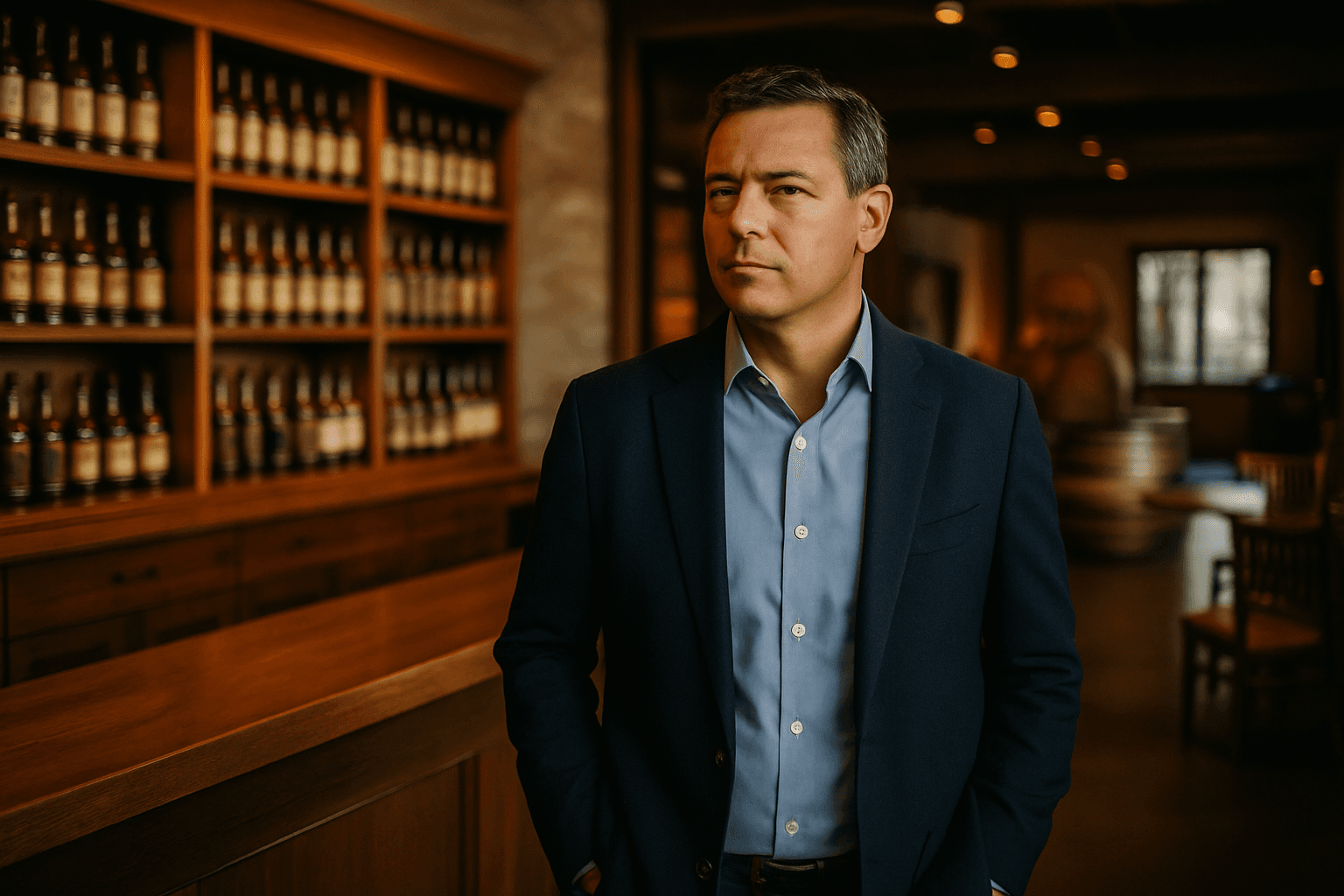
What makes experience-based retail work for liquor stores and tasting rooms? Key strategies from P2PI, Distiller Magazine, and industry examples.
- The Shift from Transactions to Experiences in Beverage Retail
- What Tasting Rooms Teach Us About Customer Acquisition
- Why Some Experience-Based Retail Models Struggle: Lessons from the Field
- Multisensory Retail: Creating Differentiation in Oversaturated Markets
- The 'Try-Before-You-Buy' Model: Technology Meets Experience
Walk into any independent liquor store on a Saturday afternoon and you'll likely see the same scene playing out across thousands of locations: customers browsing shelves, comparing prices, maybe grabbing a six-pack on the way out. It's functional. It's familiar. And increasingly, it's not enough.
The way people buy alcohol is shifting beneath our feet. Online retailers promise convenience, large chains leverage buying power, and consumer expectations keep climbing. For independent liquor stores and beverage brands, this creates a pressure that no amount of competitive pricing can fully relieve. The question isn't whether the industry needs to change—it's how to change in ways that actually stick.
Experience-based retail in the liquor industry offers a compelling answer. But here's the catch: not every experiential approach works, and the gap between a thriving tasting room and a costly experiment often comes down to strategy, scale, and sincerity.
The Shift from Transactions to Experiences in Beverage Retail
Why traditional retail is struggling
Independent liquor stores are caught in a squeeze. Consolidation among larger chains is reshaping the competitive landscape, while consumer expectations keep climbing. When shoppers can order anything online with next-day delivery, a transactional brick-and-mortar experience just doesn't cut it anymore. Major players across the industry have announced strategic overhauls in recent years, illustrating how even established operators struggle to adapt. Traditional models built on convenience and price alone are losing relevance.
What the experience economy means for liquor stores
The hybrid liquor store model—combining retail with bar or restaurant concepts—is reshaping independent retail differentiation. Operators report that these concepts drive customer loyalty by creating destinations, not just transactions. For distillers and beverage brands, visitor center retail strategy and distillery tasting room marketing represent real opportunities to connect authentically with consumers.
In-store experiential concepts focused on human connection help beverage alcohol brands engage shoppers while championing their products. Private events, dynamic tastings, tours, and education helped grow a brand's fan base as people brought their people.
For experience-based retail liquor industry operators, the writing is on the wall: stores that offer more than transactions will thrive. Those that don't risk becoming obsolete.
What Tasting Rooms Teach Us About Customer Acquisition
When done right, experiential retail creates something traditional marketing can't buy: advocates.
The word-of-mouth machine
When distilleries invest in private events, dynamic tastings, tours, and education, something powerful happens: attendees bring their networks. This organic growth model means one interested customer often converts into three or four. According to Liquid Marketing in Distiller Magazine ↗, these touchpoints helped brands build loyal fan bases by turning visitors into ambassadors who shared their experiences with friends and family.
For the liquor retail industry, this reveals why experience-based retail strategies carry such weight. You're not just moving product—you're creating conversation starters.
Beyond the free pour: education-driven experiences
The most effective visitor center retail strategy goes beyond pouring samples. Educated customers develop emotional connections to brands, and those connections translate into repeat purchases and fierce loyalty that lasts well beyond the initial visit.
When someone learns about the fermentation process, the sourcing of ingredients, or the craft behind a particular spirit, they take that story home with them. That narrative becomes part of their purchase decision—and part of what they share with others.
The challenge for smaller retailers: Scaling these touchpoints requires intentionality. You likely don't have the square footage or staff for a full tasting room, but even a monthly guided tasting or quarterly educational event can create meaningful customer acquisition momentum. The key is treating every interaction as an opportunity to give customers something worth talking about—and handing them the microphone to do it.
Why Some Experience-Based Retail Models Struggle: Lessons from the Field
The promise of experience-based retail is clear. But here's what the industry doesn't always talk about: the execution is where things fall apart.
When scaling experiences beyond local appeal
Many industry observers have noted the complexities of scaling experience-based retail at enterprise level. This shift isn't a failure of the concept; it's a reminder that experiential commerce scales differently than traditional retail.
The brands that succeed with tasting rooms and visitor centers understand something crucial: the magic often lives in specificity. Private events, dynamic tastings, and personalized education help grow a brand's fan base because people genuinely connect with people. That human element is extraordinarily difficult to replicate across hundreds of locations.
Why large operators and independent retailers face different challenges
When we talk about distillery tasting room marketing or visitor center retail strategy, we're often discussing fundamentally different operational realities.
Large chains face pressure to standardize what works best when localized and community-driven. Every location needs to feel authentic—yet authenticity at scale requires substantial investment in training, culture, and systems.
Independent retailers, conversely, can leverage their size as an advantage. You don't need to replicate a winning formula across 1,000 locations. You need to create one remarkable experience that your neighborhood talks about.
Understanding this distinction matters: strategic repositioning differs from operational failure. For independent operators, this signals an opportunity to focus on depth over breadth—building the kind of beverage brand experience marketing that enterprise models struggle to deliver at scale.
Multisensory Retail: Creating Differentiation in Oversaturated Markets
So what does this look like on the ground? Let's get practical.
How to implement sensory marketing without a dedicated space
Not every retailer has room for a full tasting room, and that's okay. The principles of sensory marketing can transform even a modest product display into something memorable.
- Visual elements like strategic lighting and thoughtful product arrangement draw customers in.
- Aromatic cues—subtle vanilla notes near bourbon displays or fresh citrus near gin sections—create emotional anchors that help products stick in customers' minds.
- Tactile engagement through product sampling remains one of the most powerful conversion tools available, letting shoppers experience quality before committing to purchase.
These elements work together to create an experience-based retail environment where products tell their own stories.
Low-budget vs. high-investment experience strategies
For smaller operations, effective distillery tasting room marketing principles can be scaled down. Consider hosting pop-up tastings during peak hours, creating dedicated sampling stations, or partnering with local producers for evening events.
For those ready to invest more, research shows that private events, dynamic tastings, tours, and education helped grow brand audiences as people brought their people—meaning satisfied customers organically expand your reach through their networks.
Whether you operate a modest bottle shop or a full visitor center, the goal remains the same: creating moments that transform browsers into buyers and one-time purchasers into loyal advocates.
Let our team show you what's possible.
our team specializes in branding strategies that drive real results. Let us show you what's possible.
Schedule a CallThe 'Try-Before-You-Buy' Model: Technology Meets Experience
Now let's talk about tools—specifically, how technology can extend your experiential reach.
What experiential retail technology looks like in practice
Modern experience-based retail liquor industry players are deploying smart dispensing systems, digital tasting stations, and virtual reality tours to create immersive try-before-you-buy moments. These technologies let customers sample rare spirits, explore flavor profiles, and build confidence in their purchases—all without committing to a full bottle first. When The Established ↗ reported on experiential liquor stores changing consumer purchasing habits, they highlighted how retailers using technology to remove purchase risk are seeing stronger customer engagement and loyalty.
Balancing technology investment with ROI
For independent retailers evaluating tech investments, the key question isn't "what's cool" but "what creates connection." Private events, dynamic tastings, tours, and education helped grow one brand's fan base as people brought their people—showing that technology works best when it facilitates genuine human interaction rather than replacing it.
Before investing in any system, ask yourself:
- Does this extend the experience beyond physical limitations?
- Can it scale during peak periods without proportional staff increases?
- And most importantly, does it give customers a reason to visit you instead of ordering online?
The independent operators winning in beverage brand experience marketing are those treating technology as an amplifier of personal service, not a replacement for it.
The Bottom Line: Experience Is an Investment, Not a Gimmick
Here's the truth the liquor industry needs to hear: experience-based retail isn't a trend to ride until the next thing comes along. It's a fundamental shift in how successful retail operates.
What separates winning retailers from those that struggle
The retailers who thrive in today's experience-based retail liquor industry landscape treat every customer touchpoint as part of the product itself—not as a line item to cut when margins tighten. Those who succeed in distillery tasting room marketing understand that visitor center retail strategy isn't separate from operations—it's woven into them.
The difference between those who win and those who struggle often comes down to one thing: commitment. When brands grow their audience through private events, dynamic tastings, tours, and education, they build loyalty that can't be replicated online, according to Liquid Marketing in Distiller Magazine ↗. Those who treat the experience as overhead eventually pay the price.
Your next 90 days: where to start
Small, consistent steps beat expensive pivots. Start with one element of beverage brand experience marketing—a single tasting event, a refined welcome experience—and build from there. Consistency compounds. No need to overhaul everything. Just commit to doing one thing really well, then expand.
The stores that will still be standing five years from now aren't waiting for permission to evolve. They're creating reasons for customers to walk through the door—and making sure those customers leave with something worth talking about.
10+ years helping liquor retailers and beverage brands grow through data-driven digital marketing. Learn more