The India Beer Shortage Signals a Packaging Crisis US Retailers Should Watch: What Stores Should Stock Now
Global beer shortages are hitting close to home. Learn what India's packaging crisis means for US liquor store inventory and what to stock now.
- Why Beer Shortages Are Suddenly Everywhere
- India's Can Shortage: The Warning Sign US Stores Can't Ignore
- The US Beer Shortage Is Already Here (And It's Not Just the Big Cities)
- Why Independent Liquor Stores Are Most Vulnerable
- What You Should Stock Now: A Practical Inventory Strategy
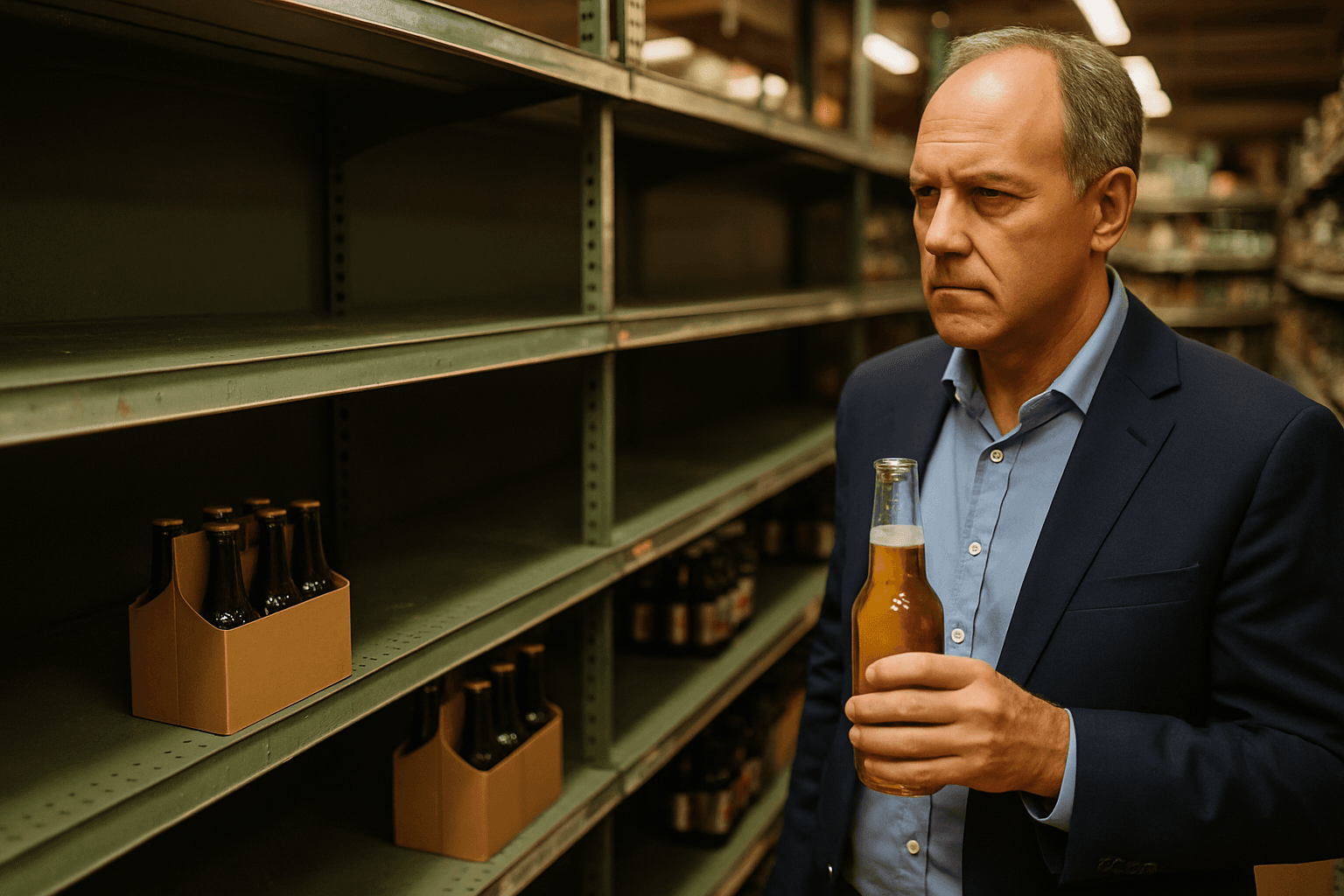
Walk into your store on a Thursday morning to restock the cooler, and you find gaps where popular brands should be. Not a promotional gap—a real one. Your distributor can't say when it'll clear. Sound unlikely? For some US retailers, this isn't a hypothetical. It's happening now.
Over the past several months, a convergence of global events—geopolitical tensions, energy shortages, and domestic distribution challenges—has created pressure points in the beer supply chain that most liquor store owners haven't faced before. While headlines about India's packaging crisis may feel distant, the truth is that the same forces disrupting brewers overseas are starting to show up in US inventory systems. Whether you're running a single independent shop or managing multiple locations, understanding these shifts isn't optional anymore—it's essential for keeping shelves full and customers happy.
This post breaks down what's actually happening, why it matters for your store right now, and what steps you can take to stay ahead of the beer shortage US retailers are increasingly experiencing.
Why Beer Shortages Are Suddenly Everywhere
When you hear about a beer shortage in India, it's easy to dismiss it as someone else's problem. Don't.
Discover the 7 essential marketing budget benchmarks for liquor stores. Learn how top performers allocate spend for m...
What's triggering the global beer supply crunch
The current beer shortage US retailers are facing isn't coming from a single direction. In India, a gas shortage linked to the Iran war is disrupting glass bottle and can manufacturing, causing brewers to warn of shortages and rising costs, according to Reuters. Mississippi is dealing with a 170,000-case backlog affecting package stores, bars, and restaurants—with orders facing significant delays.
Even major players aren't immune. Constellation Brands, which brews Modelo, saw quarterly sales fall for the first time in over a decade, partly due to immigration-related workforce pressures, per san.com.
Why geography doesn't protect you from supply chain disruptions
This isn't isolated. It's a pattern playing out across the industry. A common challenge many brands face is that demand shifts can create sudden gaps even for established products across different markets. When demand spikes for a particular brand or style, it can create real shortages in affected markets—leaving retailers scrambling to fill the gap.
Discover the 10 most costly alcohol marketing compliance mistakes liquor stores make and actionable strategies to mai...
Whether it's the beer packaging crisis affecting production overseas or domestic distribution bottlenecks, the message is the same: disruption can strike any link in the supply chain, regardless of company size.
India's Can Shortage: The Warning Sign US Stores Can't Ignore
When a packaging problem emerges halfway across the world, it's easy for busy liquor store owners to dismiss it as someone else's concern. That instinct could be costly this time.
How geopolitical tensions are affecting packaging material supply chains
The conflict between Iran and India has created an energy shortage that's rippling through manufacturing in unexpected ways. According to Reuters, India's gas shortage is disrupting the production of glass bottles and aluminum cans—the very materials brewers need to get product to market.
Discover 7 proven distribution strategies for liquor stores facing supply chain changes. Boost your liquor delivery m...
Here's why that matters for your store: India plays a significant role in global packaging supply chains. When manufacturing constraints hit there, they don't stay contained. Energy costs rise, production slows, and those constraints push outward to affect beverage supply chains worldwide.
What happens when brewers can't get packaging
Major brewing operations have begun warning of potential price increases and supply disruptions due to manufacturing constraints. Mississippi is dealing with a 170,000-case backlog affecting package stores, bars, and restaurants, with orders facing significant delays.
This isn't just about India. It's a case study in how interconnected packaging supply chains have become. The same geopolitical and energy dynamics that disrupted Mississippi's ABC warehouse could, if they hit North American manufacturing, create the kind of beer shortage US retailers can ill afford.
Smart store owners are watching these trends now—not waiting until shelves go bare.
The US Beer Shortage Is Already Here (And It's Not Just the Big Cities)
When headlines talk about supply chain troubles, it's easy to assume the problem lives somewhere else. But if you're running an independent liquor store, the beer shortage US retailers are experiencing right now isn't a distant forecast—it's sitting on your shelves (or more likely, the gaps where your shelves should be).
How regional supply crunches are affecting independent retailers
The India beer shortage has dominated industry news as a packaging crisis looms, but American retailers don't need to wait for global ripples to feel the squeeze. In Mississippi, a 170,000-case backlog has created real pain for package stores, bars, and restaurants struggling to keep product flowing. For many business owners, orders are now facing significant delays, leaving shelves bare and customers frustrated. This isn't happening in some distant metro area—it's happening in neighborhoods where independent retailers are the only option.
How demand shifts can outpace supply
Beyond logistics, demand patterns are shifting in ways that strain supply chains. A common challenge many brands face is that demand shifts can create sudden gaps even for established products. When demand spikes for a particular brand or style, it can create real shortages in affected markets—leaving retailers scrambling to fill the gap. These aren't theoretical scenarios. They're real examples from recent months showing how quickly beer supply can tighten based on nothing more than a demand spike.
The lesson here for independent liquor stores is straightforward: the old "order what you always order" approach doesn't account for these swings. Monitoring industry trends shows that flexibility in your SKU mix isn't just smart—it's becoming necessary for survival.
Why Independent Liquor Stores Are Most Vulnerable
Here's something worth considering: while large chains can weather supply disruptions by drawing on deep distributor relationships and massive reserve inventory, independent liquor stores often lack those safety nets. And yet, when shortages hit, the blame and the customer frustration land on you—the store owner—regardless of what's happening upstream.
What supply chain disruptions mean for smaller retailers
When supply chains tighten, independent liquor stores face a different reality than their corporate competitors. While the current beer shortage US retailers are experiencing creates challenges across the industry, smaller operators feel the impact disproportionately. Independent stores often lack the buying power and backup inventory that major chains maintain.
This became painfully clear in Mississippi, where a 170,000-case backlog in alcohol supply left package stores, bars, and restaurants facing significant delays—many owners reported empty shelves and frustrated customers with no clear timeline for relief.
The advantage (and disadvantage) of not being a national chain
Here's the thing: you might assume big chains are insulated from these disruptions. They're not. Even major brewing companies are reporting rough quarters. Constellation Brands, the brewer behind Modelo, saw quarterly sales fall for the first time in over a decade—though in their case, immigration crackdowns were cited alongside broader supply challenges.
What this tells you: the India beer shortage and its ripple effects on beer packaging crisis concerns are creating headwinds across the entire sector. National retailers typically receive priority allocation when inventory tightens—it's simple math, volume buyers get served first.
For independent stores, this means you can't afford to be reactive. Building relationships with distributors, monitoring industry trends closely, and stocking strategically now puts you ahead of competitors still waiting for problems to resolve themselves.
Let our team show you what's possible.
our team specializes in digital marketing strategies that drive real results. Let us show you what's possible.
Schedule a CallWhat You Should Stock Now: A Practical Inventory Strategy
The India beer shortage offers a preview of what supply chain disruptions can look like—and the Mississippi alcohol shortage proves it's not just an overseas problem. A 170,000-case backlog has left package stores, bars, and restaurants struggling to keep shelves stocked. That kind of disruption can happen anywhere.
Here's how to prepare.
Prioritizing high-demand, shelf-stable products
Canned beer should move to the top of your ordering list. As Reuters reports, gas shortages affecting Indian manufacturers are disrupting glass bottle and can production globally. Cans are less vulnerable to these glass supply chain pressures and restock faster when availability tightens. Stock up on your top-selling domestic lagers and crowd-pleasing craft offerings in cans first.
Building buffer stock without overextending cash flow
You don't need to fill a warehouse. If you typically order weekly, aim to keep 10-14 days of backup inventory on your fastest-moving items. This gives you breathing room if orders get delayed. Operators in Mississippi experienced firsthand how delays can stretch for extended periods. A modest buffer protects sales without tying up capital you need elsewhere.
Diversifying your beer portfolio
Don't lean on a single brewery or distributor for your core inventory. Identify at least one backup brand in each category you carry—whether that's domestic lagers, import mainstays, or popular craft styles. When demand spikes or supply tightens, you'll have alternatives ready instead of empty floor space.
Now's the time to review your beer shortage US retailers strategy and make these adjustments before disruptions reach your market.
How to Monitor Your Inventory and Spot Warning Signs Early
For US retailers watching the beer packaging crisis unfold globally, proactive monitoring can mean the difference between weathering a supply disruption and facing empty shelves. Here's how to stay ahead of a potential beer shortage.
Tracking the metrics that matter most
The most effective approach is to track your weekly sell-through rates on core SKUs. A sudden spike in demand can be an early signal that supply chains are straining. Flag any week where sell-through shows an unusual spike and investigate whether it's a promotional artifact or a broader trend.
You should also monitor distributor communications closely. Any mention of allocation, backorder status, or delayed shipments deserves immediate attention. In Mississippi, a 170,000-case backlog affected package stores, bars, and restaurants, with orders facing significant delays. If your distributor mentions similar constraints, your store could be next.
When to escalate concerns with your distributor
Build a direct relationship with your primary sales representative. When shortages emerge, stores with established contacts tend to learn first. Ask your rep specifically about allocation limits and incoming shipment timing.
Early warning framework: Two or more consecutive weeks of out-of-stocks on any core item equals time to act. Increase order frequency, explore substitute SKUs, and communicate with your distributor about securing additional allocation. The India beer shortage and its ripple effects on global packaging supply remind us that the industry demands vigilance—waiting for a crisis to arrive at your door is already too late.
The Bottom Line: Don't Wait for the Shelves to Go Empty
The India beer shortage and beer packaging crisis aren't just overseas headlines—they're warning signs for every beer shortage US retailers need to take seriously. Global supply chain disruptions are already filtering down to store shelves, and the industry is pointing toward continued volatility.
This isn't a problem to solve once and forget. Inventory strategy needs to be ongoing, not a one-time reaction to a crisis. The 170,000-case backlog affecting Mississippi package stores is a reminder that shortages can arrive fast and linger for extended periods, disrupting orders and leaving shelves bare.
Here's what you can do right now:
- Audit your current stock and identify which brands depend on affected packaging supply chains
- Contact your distributors to understand their inventory outlook and any pending constraints
- Build a diversification plan — consider stocking backup SKUs from alternative suppliers
The stores that prepare now will be in a stronger position when the next shortage hits. Don't wait until your cooler shelves are empty to act.
10+ years helping liquor retailers and beverage brands grow through data-driven digital marketing. Learn more