Global Prohibitionist Groups Are Pushing for Wine Warning Labels: What Liquor Retailers Should Know About the Latest Regulatory Threat
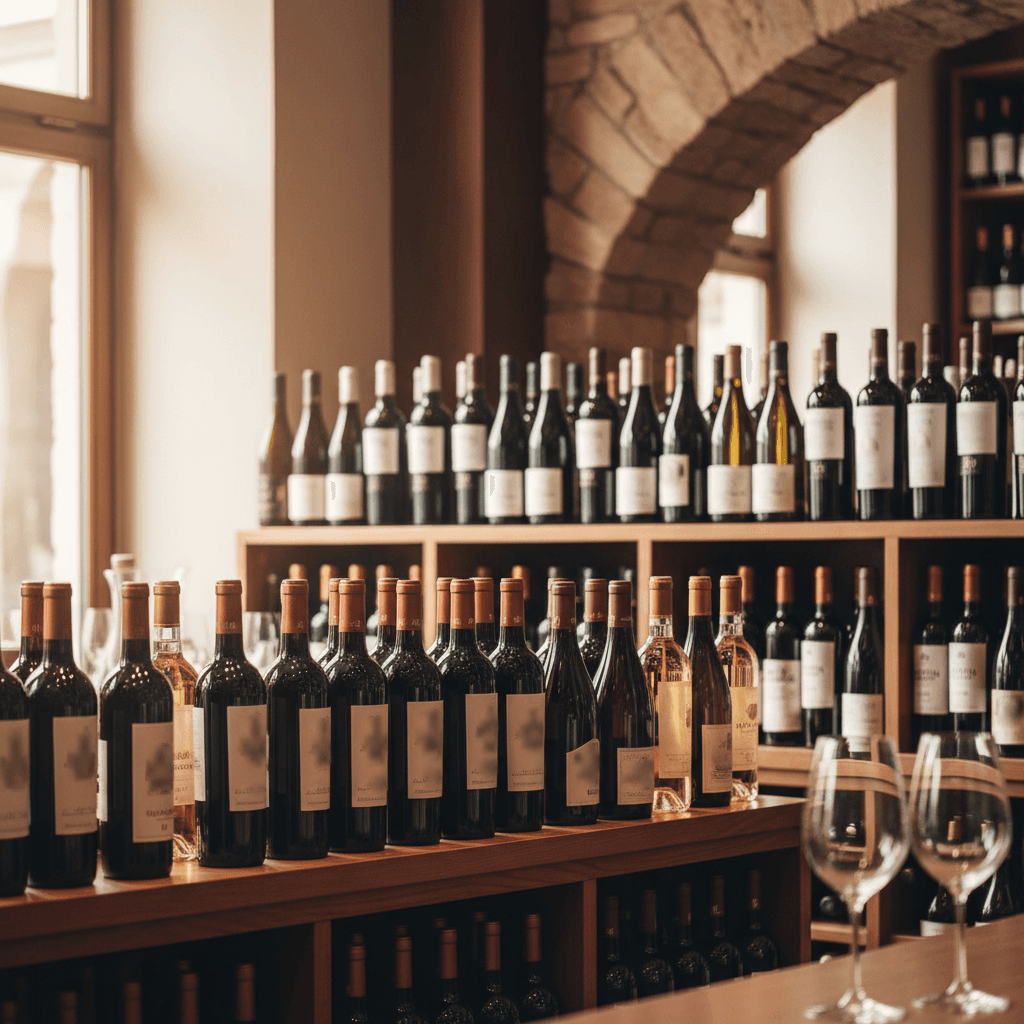
Wine warning labels regulations are gaining global momentum. Here's what liquor retailers need to know about the sales impact, timeline, and how to prepare.
- The Warning Label Movement Is Picking Up Speed — And It's Headed for Your Shelves
- The Hard Data: How Cancer Warning Labels Directly Impact Alcohol Sales
- Where US Alcohol Labeling Law Stands Right Now
- This Is Part of a Bigger Labeling Movement — Not an Isolated Case
- The Timeline: How Fast Could This Actually Hit US Retailers?
You didn't get into the liquor business to become a regulatory analyst. But right now, a global movement to slap cancer warnings on wine bottles is gaining serious traction — and if you're not paying attention, it could blindside your bottom line before you've had a chance to prepare.
Here's the reality: wine warning labels regulations are no longer a fringe policy idea debated in academic journals. They're active legislation in Canada, enacted law in Ireland, and under serious exploration in the UK. A landmark study has already shown that cancer-specific labels drove a 6% drop in alcohol sales — real dollars disappearing from real registers. For an independent retailer doing a million in wine revenue, that's $60,000 evaporating. And the organizations pushing these mandates aren't slowing down. They're building a playbook, country by country, that's designed to reach your shelves.
This isn't a post about politics or whether these labels are "right." It's about what's happening, what the data says, and what you — as a liquor retail owner or operator — should be doing about it right now. Let's break it down.
The Warning Label Movement Is Picking Up Speed — And It's Headed for Your Shelves
If you think this is someone else's problem, it's time to reconsider. What's unfolding across Canada, Ireland, and the UK isn't a series of isolated policy experiments — it's a coordinated regulatory wave building momentum toward US shores.
Here's the snapshot: Canada is weighing a Senate bill that would require cancer warnings on every alcohol product sold in the country. A landmark Canadian study already linked cancer warning labels to a 6% drop in alcohol sales — a number that should make every retailer sit up. Ireland has enacted labeling laws mandating health and calorie information on all alcohol products, though implementation has been pushed to 2028. And the UK government is actively exploring mandatory health warning labels and nutritional information on alcohol packaging.
Three major English-speaking markets. All moving in the same direction. That's not coincidence — that's a trend.
Why This Isn't Just a European Problem Anymore
The US already requires health warnings on all beverages containing 0.5% ABV or more, with TTB-mandated minimum text sizes. The regulatory infrastructure exists. What's changing is the appetite to expand it. When Canada passes its bill, it sets a global precedent that health-advocacy organizations across the wine industry will use as a blueprint.
The Advocacy-to-Legislation Playbook
The pattern is consistent: fund research, generate headlines, pressure legislators, pass laws. Ireland's delayed timeline to 2028 proves these laws face resistance — but they still pass. Meanwhile, a French court ruling on "Sud de France" labeling now affects an estimated 100 million bottles per year, showing how quickly regulatory decisions scale.
For liquor retailers focused on regulatory compliance, the message is clear: understand this movement now, while you can plan — not when new labels are already disrupting your shelves and your margins.
The Hard Data: How Cancer Warning Labels Directly Impact Alcohol Sales
The global momentum is one thing. But what do the numbers actually say? Let's move past the speculation and look at what the data tells us — because there's one study that keeps coming up in every policy discussion, and it should be on your radar.
The Canadian Study That Has the Industry Worried
Researchers in Canada tested cancer warning labels on alcohol products in a controlled retail environment. The result: a 6% drop in alcohol sales directly linked to the labels. That's not a survey about intentions. That's real purchasing behavior, tracked at the register.
This is the most concrete evidence to date that warning labels change how consumers buy. Health-advocacy groups have been quick to seize on it, pointing to this data as definitive proof that labels "work" — and they're using it to accelerate legislative momentum in multiple countries.
Ireland's labeling law has already drawn formal opposition from European wine-producing nations and global trade bodies. They see these labels as a serious commercial threat with the potential to spread internationally. When France's courts ruled on the "Sud de France" labeling dispute, the decision affected roughly 100 million bottles annually — proof that labeling battles can disrupt supply chains at massive scale.
What a 6% Sales Drop Actually Means for an Independent Store
Let's bring this home. If your store does $1 million annually in wine sales, a 6% decline means $60,000 gone. That's not a rounding error. That's a part-time employee. That's your marketing budget. That's the margin between a good year and a stressful one.
For independent operators already managing tight margins and growing compliance demands, this isn't an abstract policy debate. It's a direct threat to your bottom line.
Where US Alcohol Labeling Law Stands Right Now
So the international data is alarming and the global trend is clear. But what does the regulatory landscape actually look like here at home? Understanding the current framework helps you see exactly how new wine warning labels regulations would compound the compliance burden you and your suppliers already manage.
What the Alcoholic Beverage Labeling Act Already Requires
Under 27 U.S. Code § 215, every beverage containing 0.5% ABV or more must carry a Surgeon General's warning. You see it on every bottle in your store — the familiar language about pregnancy risks and operating machinery.
Here's what it doesn't mention: cancer.
That's the gap advocacy groups are targeting. The existing warning hasn't been meaningfully updated in decades, and cancer risk is now the new frontier for organizations pushing expanded labeling mandates in the US. They're pointing to the Canadian study's 6% sales decline as evidence that cancer-specific warnings change behavior. That number gets attention in policy circles.
TTB Labeling Requirements You're Already Following
The Alcohol and Tobacco Tax and Trade Bureau — TTB — is the federal agency that approves every label on every bottle you sell. They don't just review the words; they regulate minimum text sizes down to the millimeter.
Now imagine cancer language gets added to the required warning. Every supplier resubmits labels. Packaging gets redesigned. Costs go up. Timelines stretch. And that disruption flows directly downstream to your shelves.
Any new mandate layers onto existing requirements, consuming more label real estate, increasing supplier costs, and potentially forcing packaging reformulation across entire product lines.
This Is Part of a Bigger Labeling Movement — Not an Isolated Case
Here's where a lot of retailers miss the bigger picture. Alcohol isn't being targeted in a vacuum — it's part of a fast-moving, cross-category regulatory wave.
The Texas Food Additive Warning Label Precedent
In 2025, Texas passed a food additive warning label law requiring specific disclosures on products containing certain additives. That's Texas — not exactly a state known for regulatory overreach. When a traditionally business-friendly legislature decides consumers need more label warnings on food, it signals something bigger than partisan politics. Legislators who vote yes on food labeling rarely draw a hard line at the liquor aisle door. The political dynamics are genuinely bipartisan — progressive health advocates and conservative consumer-protection voices both find common ground on public health labeling, making these measures harder to fight on party lines alone.
How Regulatory Appetite Is Growing Across Product Categories
This isn't conspiracy thinking. It's pattern recognition. When one product category gets new label mandates, adjacent categories typically follow within two to five years. Ireland is pushing forward with alcohol labeling laws. French courts are reshaping wine labeling at scale. Health-advocacy organizations are lobbying for cancer warnings across the industry. The US already requires health warnings on every beverage above 0.5% ABV. The infrastructure for expanded mandates exists. The appetite is growing. And the pattern is clear.
Let our team show you what's possible.
our team specializes in digital marketing strategies that drive real results. Let us show you what's possible.
Schedule a CallThe Timeline: How Fast Could This Actually Hit US Retailers?
Now that you understand the scope — international momentum, domestic precedent, cross-category trends — let's get to the question every liquor store owner actually wants answered: how long do I have?
Longer than the headlines suggest — but shorter than you'd like.
Lessons from Ireland's Delayed Implementation
Ireland enacted its alcohol labeling provisions, making it the first country to mandate comprehensive health warnings — including cancer risk — on alcohol products. But here's the detail most coverage skips: full implementation was delayed until 2028. Industry pushback, trade disputes, and logistical realities pushed that timeline out significantly.
That's not a fluke. It's a pattern. Even when wine warning labels regulations clear legislative hurdles, the rollout phase gives retailers real breathing room to adapt operations and supplier relationships.
What the Canadian Senate Bill Means for US Legislative Momentum
Canada's pending Senate bill is the one to watch. If passed, it would create a powerful national precedent for cancer-specific alcohol warnings — and US advocacy groups would immediately leverage that precedent in lobbying campaigns.
The realistic US timeline? Federal action is unlikely before 2027–2028. But state-level proposals could move faster — think the Texas food label law model.
Bottom line: you likely have 2–4 years of lead time. Use it for preparation, not complacency.
What Smart Liquor Retailers Should Be Doing Right Now
Two to four years sounds comfortable. It's not. That window closes fast when you're running a business day to day. The regulatory ground is shifting. You don't need to panic — but you do need to move.
Monitor the Regulatory Landscape Without Panicking
Join or actively engage with your state retail liquor association. Full stop. These groups are your first line of defense against unfavorable legislation and your best source of early warnings on emerging wine warning labels regulations. They track bills, mobilize opposition, and give you a seat at the table before decisions get made without you.
Stay informed, but don't catastrophize. Ireland's labeling timeline has already shifted once. Timelines move. What matters is that you're paying attention.
Strengthen Your Supplier Relationships and Industry Associations
Talk to your distributors and suppliers now. Ask how they're tracking emerging labeling regulations globally and what their contingency plans look like if label changes hit. The French "Sud de France" ruling showed that labeling disputes can disrupt supply chains at massive scale — relabeling millions of bottles isn't a theoretical exercise.
Your suppliers are watching these campaigns closely. Make sure their intelligence is flowing to you.
Prepare Your Business for Potential Compliance Changes
Audit your current compliance. The US already requires health warnings on all alcohol beverages, with TTB-mandated minimum text sizes. If new mandates come, regulators often audit existing compliance first. Don't be the store that gets flagged for old violations during a new enforcement wave.
Diversify your product mix. Even a 3–6% suppression in wine sales hurts if wine is your whole identity. Strong positions in spirits, craft beer, RTDs, and non-alcoholic alternatives give you revenue resilience.
Don't ignore the consumer education angle. Customers who trust your expertise will ask about these labels. Being informed positions you as the knowledgeable local retailer — the one people come back to.
The Bottom Line: Stay Informed, Stay Ahead, Stay Profitable
The data doesn't lie. Cancer warning labels drove measurable sales declines in Canada. Labeling disputes are reshaping wine supply chains across Europe. Health-advocacy organizations are making real legislative progress — and wine warning labels regulations are advancing on multiple fronts.
But here's the opportunity buried inside the threat: retailers who act now win later. The ones who monitor emerging labeling laws in their state, strengthen distributor relationships, and diversify their product mix won't just survive a regulatory shift — they'll be positioned to capture market share from competitors who got caught flat-footed.
Regulatory compliance isn't glamorous, but it's profitable. And in a landscape where the rules are about to change, the retailers who understand those rules first have the advantage.
Here's your move: Bookmark this topic. Call your state retail association this week. Have the labeling conversation with your top three distributors. And keep reading — we're tracking every development in this space so you don't have to sort through the noise yourself.
Your shelves. Your margins. Your move.
10+ years helping liquor retailers and beverage brands grow through data-driven digital marketing. Learn more