Johnson Brothers Expands Pernod Ricard Partnership Across Key Markets: What Shifting Distributor Alliances Mean for Your Store
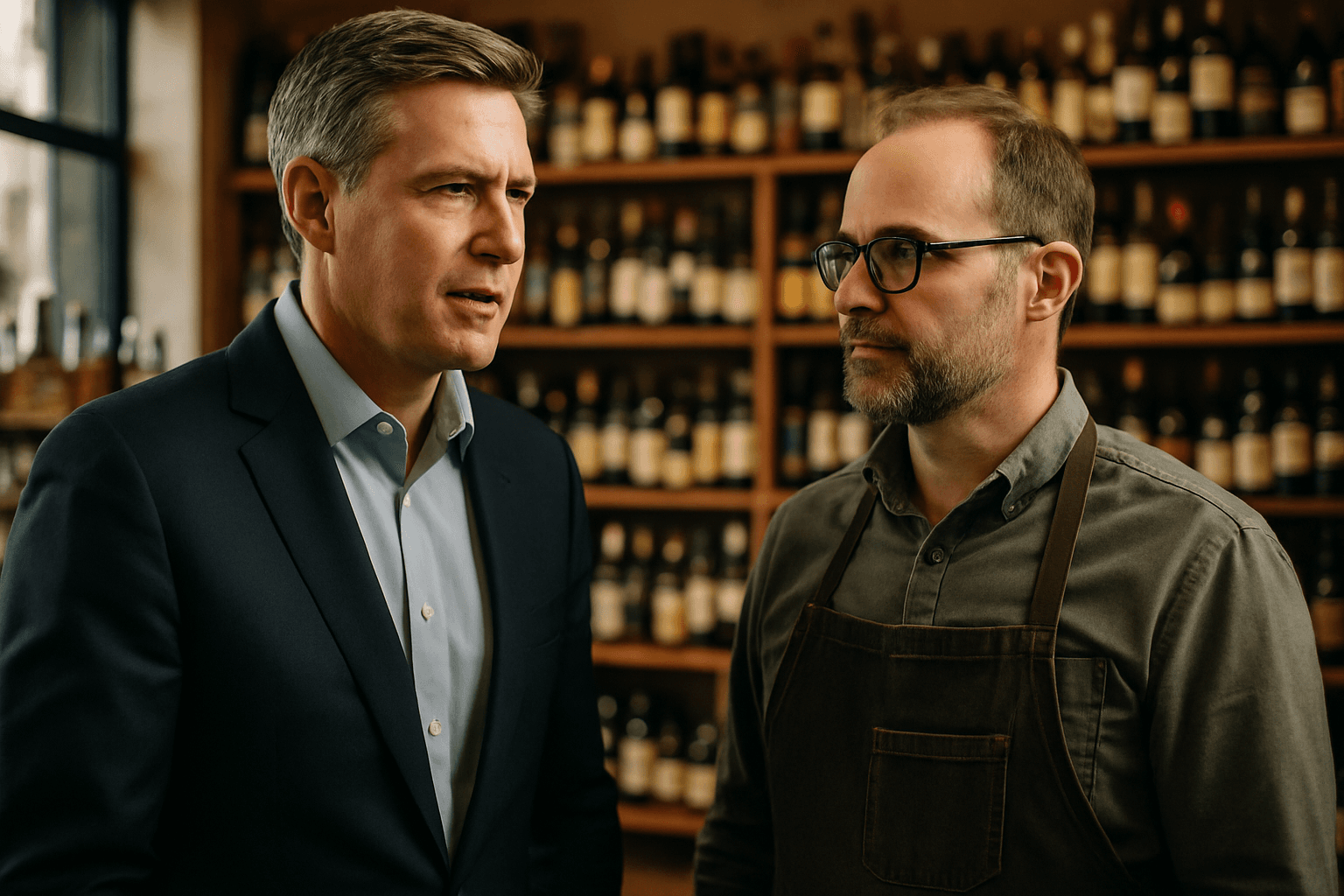
How liquor distributor alliances affect independent retailers' brand access. What the Johnson Brothers–Pernod Ricard expansion means for your store.
- The Big News: Johnson Brothers and Pernod Ricard Just Reshaped Distribution in 5+ States
- The Bigger Picture: Distributor Consolidation Is Accelerating — Fast
- What This Actually Means for Independent Retailers in Affected States
- Even If You're Not in These States, Pay Attention
- Your Counterplay: The Independent Distributor Network and Differentiation Strategy
If you run an independent liquor store, the companies that deliver your product matter almost as much as the product itself. Who distributes what — and where — determines which brands you can stock, what pricing you get, how often a rep shows up, and whether your promotional calendar looks healthy or hollow. So when two major players restructure their relationship across half a dozen states overnight, it's not back-page trade news. It's the kind of shift that changes how you do business on Monday morning.
That's exactly what just happened. Johnson Brothers, one of the largest family-owned distributors in the country, significantly expanded its partnership with Pernod Ricard USA — the world's second-largest spirits supplier. The deal reshapes distribution across Indiana, Nebraska, North Dakota, South Dakota, and Texas, and it carries implications that stretch well beyond those borders.
For independent retailers, liquor distributor alliances like this one create a fork in the road. You can wait for the changes to wash over you, or you can understand what's happening, why it's happening, and how to position your store on the right side of it. This post breaks down the deal, the broader consolidation trend driving it, and the concrete steps you can take — whether you're in an affected state or watching from three time zones away.
The Big News: Johnson Brothers and Pernod Ricard Just Reshaped Distribution in 5+ States
What Happened and Where
Around March 20, 2026 , Johnson Brothers announced a significant expansion of its partnership with Pernod Ricard USA — picking up the full Pernod Ricard portfolio across Indiana, Nebraska, North Dakota, and South Dakota. That's not a partial lineup or a trial run. That's the entire book.
But it doesn't stop there. Johnson Brothers Maverick of Texas formed its own separate strategic partnership with Pernod Ricard, which tells you this isn't a one-off regional deal. It's a deliberate, multi-state consolidation under one distributor umbrella.
Learn how email segmentation for liquor stores drives repeat sales with a 4,200% ROI. List-building tactics, purchase...
This builds on groundwork already laid. Johnson Brothers had been representing Pernod Ricard's GEM portfolio across Hawaii, Indiana, Iowa, and additional states. The new agreement takes that existing relationship and turns the volume way up.
For context, Johnson Brothers operates within the Independent Distributor Network — a group of 32 local distributors spanning 25 states . When a network that size deepens its ties with a supplier of Pernod Ricard's scale, the ripple effects reach far beyond state lines.
Why Pernod Ricard Matters to Your Shelves
Let's be specific about what's moving through these new channels: Absolut. Jameson. Malibu. The Glenlivet. These aren't back-shelf curiosities — they're the brands driving foot traffic and margin in independent stores every single week.
When liquor distributor alliances shift at this scale, brand access for independent retailers can change fast. New reps, new ordering systems, new pricing structures. Whether you're in one of the directly affected states or not, this partnership signals a trend worth watching closely.
Wine shops are becoming experience destinations by adding tastings, classes, and events. See how real retailers are d...
The Bigger Picture: Distributor Consolidation Is Accelerating — Fast
This isn't just a headline about one partnership. It's a signal flare.
Pernod Ricard didn't quietly add a state or two to Johnson Brothers' territory. They expanded across at least four new states simultaneously, plus added Texas through Johnson Brothers Maverick. That kind of multi-state rollout doesn't happen without a strategic mandate from the top.
And it fits a pattern every independent retailer needs to understand.
The Shrinking Distributor Landscape by the Numbers
The math is straightforward and a little uncomfortable. Major suppliers are concentrating volume with fewer distribution partners. Southern Glazer's, Republic National, and now Johnson Brothers continue absorbing larger supplier portfolios. Johnson Brothers already represented Pernod Ricard's GEM portfolio across several states before this expansion — now they're deepening that footprint significantly.
Learn how to run compliant, high-performing Google Ads for liquor stores. Covers campaign setup, bidding strategies, ...
Meanwhile, organizations like the Independent Distributor Network face increasing pressure as major suppliers prioritize scale over local relationships.
Why Suppliers Are Choosing Fewer, Bigger Partners
The answer is efficiency. Pernod Ricard's decision signals a clear priority: unified market strategy over localized distributor relationships. Add the looming tariff threats creating market uncertainty , and you understand why suppliers want stable, large-scale partners to weather potential economic disruption.
For independent liquor store owners, the practical effects of shifting liquor distributor alliances on independent retailers are real: fewer reps to negotiate with, potentially less flexibility on pricing and allocations, and a fundamentally different relationship dynamic. Brand access increasingly runs through bigger gatekeepers — and adapting isn't optional.
Now let's get specific about what this looks like on the ground — starting with the states directly in the path of this transition.
What This Actually Means for Independent Retailers in Affected States
If you're running an independent liquor store in one of the five affected states, this isn't just industry news — it's your Tuesday morning changing. When distributor alliances shift, independent retailers feel it first, often before anyone bothers to send a memo.
Here's what's actually coming your way, and how to stay ahead of it.
Expect Transition Disruptions — Plan for Them
When a portfolio this size moves to a new distribution partner, the ripple effects are real. We're talking new sales reps knocking on your door (or not knocking yet), altered delivery schedules, and potentially revised pricing structures across dozens of SKUs.
The Johnson Brothers Pernod Ricard partnership now covers full-portfolio distribution in at least four new states, plus Texas through the Maverick division. That's a massive logistical lift, and transitions of this scale rarely go perfectly smooth.
Rural retailers, pay special attention. Delivery logistics could shift significantly in less densely served areas of the Dakotas. Build buffer stock now on high-velocity Pernod Ricard brands like Jameson and Absolut. An out-of-stock on Jameson during a transition window isn't a minor inconvenience — it's lost revenue walking out your door.
Pricing, Promos, and Rep Relationships May All Shift
Here's the part nobody loves hearing: that great relationship you had with your previous distributor rep? It may not carry over. Transitions like this often mean starting from scratch on the human side of the business.
Act now, not later. Reach out to Johnson Brothers reps in your market before the transition fully takes effect. Introduce yourself, share your store's volume data, and ask about the new promotional calendar. Co-op marketing programs and display opportunities frequently reset during these shifts, and retailers who understand the new structure early get first crack at the best deals.
Johnson Brothers already represented Pernod Ricard's GEM portfolio across several states, so they're not building from zero — but your access to promotional support depends on you raising your hand.
The retailers who treat this as an opportunity rather than an inconvenience? They'll be the ones with better shelf positioning and stronger margins six months from now.
Even If You're Not in These States, Pay Attention
The expanded Johnson Brothers Pernod Ricard partnership currently touches five states. But if you're running a store in Georgia or Oregon and thinking "not my problem" — think again.
The Domino Effect on Independent Retailers Nationwide
Pernod Ricard isn't a niche player. When a company that size consolidates distribution under fewer partners, it sends a signal to the entire industry.
Here's the pattern worth watching: Johnson Brothers previously handled Pernod Ricard's GEM portfolio across a handful of states. Now they've picked up full portfolio rights in four additional states, plus Texas through their Maverick division. That's not a one-off — it's a strategy. And if it delivers results, expect this model to expand further. The IDN already spans 25 states, creating a framework that makes scaling straightforward.
The impact of liquor distributor alliances on independent retailers is a national trend, not a regional headline.
How Consolidation Changes Your Negotiating Power
When a distributor like Johnson Brothers gains more territory and more brands, it gains leverage — not just with suppliers, but in how it prioritizes accounts. Large chain accounts will naturally get preferential treatment. Not out of malice, but out of volume-driven economics.
Fewer distributor options means less ability to negotiate better pricing or terms. Brand access increasingly depends on being a priority account — and that takes work.
The shifting distribution landscape rewards retailers who are organized, data-driven, and proactive. Track your sales data. Know your margins by category. Build a case for why your store deserves attention. Because waiting for your rep to call? That's no longer a strategy.
That said, consolidation at the top doesn't mean independents are out of moves. Far from it.
Let our team show you what's possible.
our team specializes in digital marketing strategies that drive real results. Let us show you what's possible.
Schedule a CallYour Counterplay: The Independent Distributor Network and Differentiation Strategy
Here's the thing about liquor distributor alliances independent retailers need to understand: every time a mega-deal reshapes the landscape, it simultaneously opens doors elsewhere. You just have to know where to look.
What the IDN Offers That Big Distributors Can't
Enter the Independent Distributor Network (IDN) — a coalition of locally-owned distributors covering 25 states. If you're not already working with them, now's the time.
As major portfolios consolidate under fewer, bigger roofs, something predictable happens: those big distributors get busy. Their reps have more SKUs to push, more chain accounts to service, and less time for your 2,000-square-foot shop on Main Street.
IDN members operate differently. They're hungry for strong retail partnerships. They carry craft, emerging, and regional brands that chains aren't stocking — and they'll actually return your phone calls. Access to unique products increasingly runs through exactly these kinds of distributors.
This is your competitive edge, not your consolation prize. While chains fight over shelf space for the same major-label SKUs, you can build a discovery-driven shopping experience that customers can't find anywhere else. That's what drives loyalty — and loyalty drives margin.
Building a Brand Mix That Doesn't Depend on One Distributor
The smartest operators treat distributor relationships like an investment portfolio: diversified.
Keep your large distributor partnerships strong for must-stock brands — nobody's saying drop your Johnson Brothers rep. But simultaneously deepen relationships with IDN members and regional distributors for margin-rich, exclusive products that differentiate your shelves.
Think of it this way: retailers locked into one or two distributors are exposed. When those distributors shift priorities — say, onboarding a massive new portfolio across five states — your store's needs might slide down their priority list.
Diversification reduces that risk and creates opportunities your competitors will miss entirely.
With that framework in mind, here's exactly where to start.
5 Action Steps for Independent Retailers Right Now
Liquor distributor alliances affecting independent retailers are shifting fast. Here's how to stay ahead — not scramble to catch up.
- If you're in Indiana, Nebraska, North Dakota, South Dakota, or Texas: Contact Johnson Brothers now. Understand your new account structure, delivery schedule, and promotional programs before the transition creates confusion.
- Audit your Pernod Ricard SKU performance. Know your top sellers and margin drivers cold. When your new rep walks in, you negotiate from data — not guesswork. That's how you protect your margins during any distribution transition.
- Build buffer inventory on high-velocity Pernod Ricard brands during the transition. Out-of-stocks on Jameson or Absolut cost you more than a few extra cases on the shelf.
- Explore the Independent Distributor Network. With locally-owned distributors across 25 states, there's likely one in your market offering differentiated brand access you're missing.
- Start tracking which distributors carry which brands — regardless of your state. The Johnson Brothers Pernod Ricard partnership covers new territory today; tomorrow, another alliance reshapes yours. Retailers who monitor these shifts adapt. Everyone else reacts.
The Bottom Line: Consolidation Isn't Going Away — But Neither Are Smart Independents
The Johnson Brothers Pernod Ricard partnership expansion is one move in a much larger chess game reshaping liquor distribution nationwide. With Pernod Ricard's global scale and Johnson Brothers already embedded in 25+ states, these consolidation trends will keep accelerating.
But independent retailers who treat this as a wake-up call — not a death sentence — will thrive. The stores that win combine must-have major brands with curated, unique selections no chain can replicate. That's always been your superpower, and shifting distributor landscapes only make it more relevant.
The relationship between liquor distributor alliances and independent retailers has always been uneven — but it's never been one-sided. You have choices. You have data. You have a local customer base that walks in specifically because you're not a chain. Now's the time to lean into that advantage with intention.
Start with the five action steps above. Pick the one that applies most to your store today, and execute it this week. The retailers who move first during transitions like this don't just survive the shift — they come out of it stronger. Be that retailer.
10+ years helping liquor retailers and beverage brands grow through data-driven digital marketing. Learn more