On-Trade Recovery Continues: How Shifting Consumer Habits Should Inform Your Liquor Store Assortment Strategy
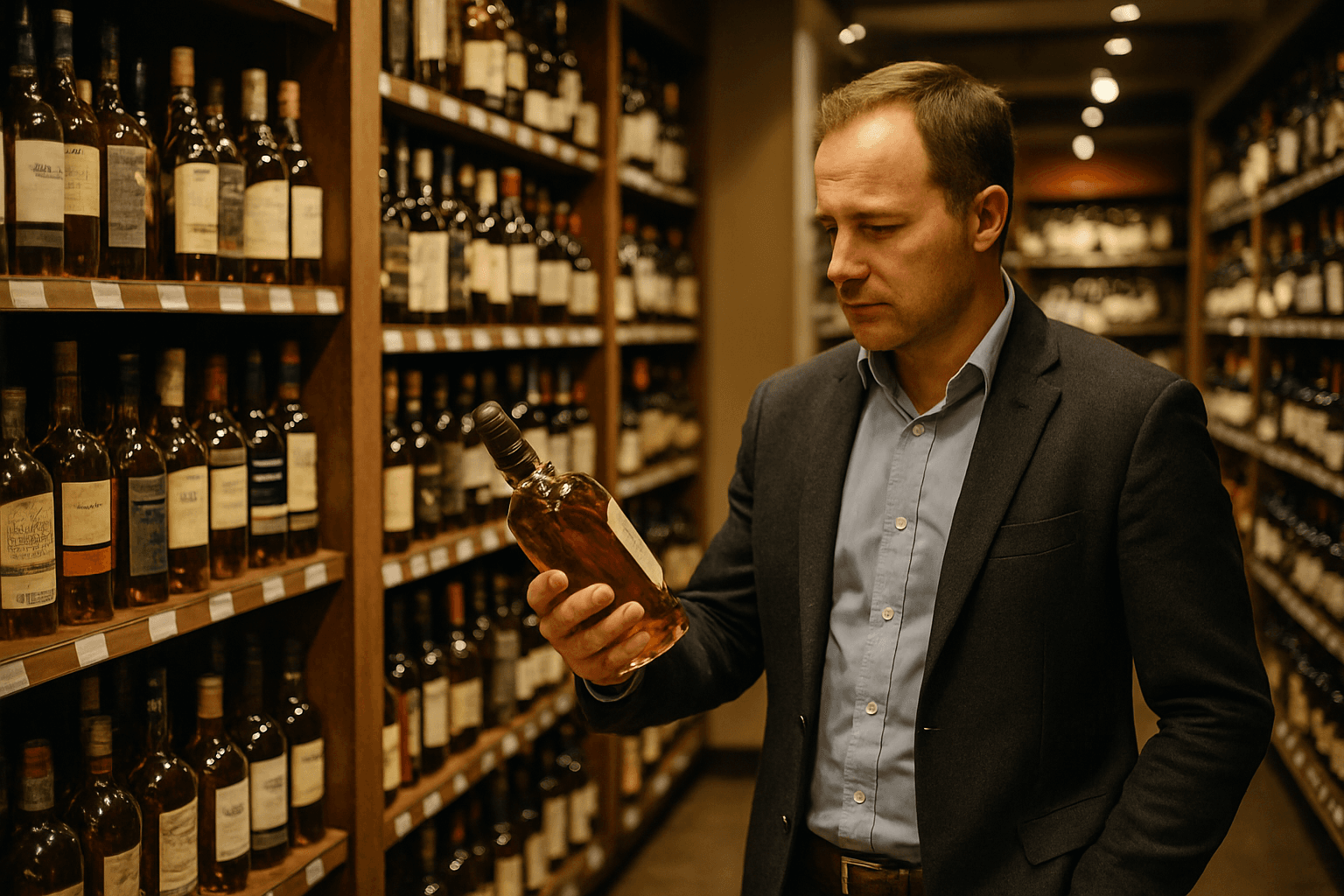
On-trade recovery is reshaping liquor retail. Learn how to align your liquor store assortment strategy with evolving consumer habits for better ROI.
- The On-Trade vs. Off-Trade Landscape: What's Really Happening
- What Assortment Analytics Can Tell You About Your Shelves
- The Case for Private Label: Store Brand Alcohol Is Growing
- Building Your Assortment Framework: Core, Seasonal, and Trend Categories
- Merchandising That Moves Products: Placement and Inventory Management
Picture this: a regular customer walks into your store on a Friday evening, grabs their usual bottle of bourbon, and heads to the register. But this time, they mention they've been going out more lately—to that new cocktail bar downtown, to dinner at the Italian place on Main Street. They're not the only one. Across your customer base, you're noticing something shift: the occasions that used to bring people to your shelves are increasingly happening somewhere else.
If you've felt that change in your daily sales, you're not imagining it. As bars, restaurants, and hospitality venues continue their recovery, independent liquor stores face a changed competitive landscape. Understanding this shift isn't optional—it's essential for any effective liquor store assortment strategy. The good news? This moment also presents an opportunity for operators willing to adapt. Private label has gained significant ground, data-driven placement is more accessible than ever, and emerging spirits brands are actively seeking off-trade shelf space. What you do with these trends will determine whether you're fighting for yesterday's customers or building for tomorrow's growth.
In this post, we'll walk through how the on-trade recovery is reshaping consumer habits, what assortment analytics can reveal about your current setup, and practical steps you can take right now to build a smarter, more profitable liquor store assortment strategy.
Learn how email segmentation for liquor stores drives repeat sales with a 4,200% ROI. List-building tactics, purchase...
The On-Trade vs. Off-Trade Landscape: What's Really Happening
The return of on-trade consumption creates direct competition for every off-trade liquor retail operation. Restaurants and bars that were closed or limited during recent years are reclaiming share of wallet from consumers who previously bought more alcohol for home consumption. This means your customer base may be purchasing differently than they did during peak off-trade growth periods.
Store brand alcohol has gained significant ground, making private label ripe for expanded selections and higher price points. For independent operators, this signals an opportunity to differentiate through curation and service that big-box competitors can't match.
Wine shops are becoming experience destinations by adding tastings, classes, and events. See how real retailers are d...
Consumer habits in alcohol retail are evolving as hospitality reopens. Rather than competing directly with restaurants on convenience, smart retailers are leaning into categories where off-trade excels—whether that's rare finds, competitive pricing on staples, or expert recommendations that turn a routine purchase into something more. Your liquor store assortment strategy should reflect not just what sells, but how consumer purchasing patterns are shifting as the market rebalances between on-trade and off-trade.
What Assortment Analytics Can Tell You About Your Shelves
Now, here's where data becomes your best friend. When it comes to your liquor store assortment strategy, guesswork is the enemy of growth. Assortment analytics can help liquor retailers determine where to place products on the shelves to optimise sales, turning gut feelings into grounded decisions.
Learn how to run compliant, high-performing Google Ads for liquor stores. Covers campaign setup, bidding strategies, ...
Think about it: your best-selling bourbon doesn't belong in the dusty corner behind the specialty bitters. But that's exactly what happens when placement decisions are based on habit rather than evidence. Effective strategies include planogram placement, inventory management, merchandising support, and customer behavior analysis—all of which feed into a smarter approach to how you arrange your space. Understanding which products perform in which positions prevents overstocking slow-movers and keeps your most profitable SKUs front and center where shoppers can find them.
The insight phase naturally leads to action. Once you know what's working and what isn't, you can make real changes. Many retailers find that regular analysis of placement data helps identify underperforming categories that might be eating up valuable shelf space without pulling their weight. Maybe that craft gin section seemed like a good idea during the trendy phase, but you notice your customers keep gravitating toward familiar vodkas and domestic beers. Analytics can reveal whether your customers are ready for more of these offerings—or whether premium positioning would better serve your demographic.
The beauty of data-driven merchandising? You stop guessing and start responding to what your customers actually want.
The Case for Private Label: Store Brand Alcohol Is Growing
Private label has moved well beyond its budget-friendly roots. Today's store brands compete on quality across wine, spirits, and beer—categories where consumers increasingly trust retailers' own offerings to deliver value without sacrificing taste. As the off-trade liquor retail landscape evolves, your liquor store assortment strategy should account for this shift in consumer habits.
Store brand alcohol has gained significant ground, making private label ripe for expanded selections and higher price points. Rather than treating private label as a placeholder for missing national brands, forward-thinking retailers are building distinct store brand programs. Expansion opportunities exist across wine, spirits, and beer categories. Your liquor store assortment strategy should evaluate which segments currently lack store brand presence and where margin opportunities exist. The key is balancing variety with focus—don't spread private label too thin across categories where national brands already perform strongly.
Private label no longer means "cheap alternative." Premium spirits distribution has expanded beyond traditional bar and restaurant channels, demonstrating that store brands can command shelf space at higher price points. Effective strategies include planogram placement, inventory management, and merchandising support that positions private label as a quality choice. Test a few premium SKUs alongside entry-level options to capture consumers trading up while retaining price-conscious shoppers.
Building Your Assortment Framework: Core, Seasonal, and Trend Categories
With your data insights guiding the way and private label opportunities in mind, it's time to build—or refine—the actual framework that organizes your inventory. Think of this as the architecture behind every shelf decision.
Core Products: Your Foundation
Your core products are the backbone of your inventory—and your reputation. These are the bottles customers reach for on autopilot: your reliable vodkas, crowd-pleasing Pinot Grigios, and consistent bourbon picks that keep them coming back week after week. Core items anchor your store's identity and drive predictable revenue. The assortment planning process includes defining strategy categories—core, seasonal, and trends—and building your category structure with the right product mix. Without a strong core, your store lacks an identity. With one, you build the trust that turns first-time visitors into regulars.
Seasonal and Trend Categories: Your Growth Engine
Once your foundation is solid, seasonal and trend categories become your growth engine. These are the discovery-driven purchases—the limited-edition holiday wine, the trending hard seltzer, or the small-batch mezcal everyone's asking about. The key is balance. Seasonal items deserve prime placement when they're relevant, then rotate out gracefully. Private label presents opportunities for expanded selections and unique finds your customers won't spot at the big-box competitor down the street. By weaving trend categories into your liquor store assortment strategy, you create reasons for customers to explore beyond their usual—and maybe discover their new favorite.
Let our team show you what's possible.
our team specializes in digital marketing strategies that drive real results. Let us show you what's possible.
Schedule a CallMerchandising That Moves Products: Placement and Inventory Management
Building a solid category framework means nothing if your products aren't positioned to sell. When consumers shifted drinking occasions from bars and restaurants to home during recent years, your shelf placement suddenly mattered more than ever. An effective liquor store assortment strategy isn't just about what you stock—it's about where and how you display it.
Effective strategies to increase liquor store sales include planogram placement, inventory management, merchandising support, and customer behavior analysis. But what does that look like in practice? Start with your highest-traffic zones:
- Place high-margin items and private label spirits at eye level.
- Use cooler door placement strategically—premium craft beers and ready-to-drink options near the front capture impulse buyers entering the store.
- If you have a beer cave, optimize it for browsing; open-facing shelving outperforms end-caps for discovery-driven purchases.
Nothing kills a well-planned display faster than empty shelves or dusty dead stock. Regular inventory turns prevent dead stock while ensuring popular items stay stocked—it's a simple principle with significant revenue impact. Structure your ordering around the core-seasonal-trend framework: maintain consistent depth on your bestsellers, rotate seasonal offerings (think pumpkin spice liqueurs in fall, light Spritz options in summer), and test trend items in limited quantities before committing shelf space.
The key? Match your inventory depth to actual velocity. A slow-moving premium bourbon earns its shelf space differently than a weekly-turnover vodka—but both need disciplined replenishment to perform.
Premium Spirits and Supplier Partnerships: Expanding Your High-Margin Offerings
Merchandising gets products in front of shoppers, but partnerships get the right products on your shelves in the first place. And right now, the spirits landscape is shifting in ways that create real opportunity for independent retailers.
As on-trade recovery continues, emerging spirits brands are increasingly targeting off-trade liquor retail channels for growth. Recent distribution moves—like Darco Spirits expanding its premium offerings to over 200 Pennsylvania Liquor Control Board stores—demonstrate how newer brands are actively seeking shelf space outside traditional bar and restaurant accounts. For your liquor store assortment strategy, this shift represents a real opportunity: you can position your store as a destination for discovery by stocking these forward-thinking brands before your competitors do.
Partnering with emerging spirit brands does more than fill a gap in your inventory—it differentiates your store. When you work directly with suppliers, you often gain access to exclusive releases, better margin structures, and co-marketing support. Premium categories consistently deliver higher margins, especially when your staff can confidently recommend them. Effective sales strategies include merchandising support and customer behavior analysis to ensure those premium placements actually convert. Pairing a curated premium selection with knowledgeable staff recommendations turns browsing into buying. Your liquor store assortment strategy should balance core staples with trend-forward finds that keep customers coming back for something new.
Putting It All Together: Your Actionable Assortment Strategy
As the on-trade recovery continues, your liquor store assortment strategy needs to work smarter—not just harder. The key is building a foundation that supports both today's sales and tomorrow's opportunities.
Start with what sells. Before chasing trends, audit your core categories using your POS data. Use your existing inventory reports to identify gaps and slow movers, then seek direct customer feedback during checkout to understand what they're actually asking for. If you haven't already, test two or three private label SKUs in your top-performing spirits categories.
On the planning side, commit to quarterly reviews using actual sales data, not gut feelings. Consumer purchasing patterns shift quickly, especially as off-trade liquor retail channels mature. Your ability to adapt based on performance metrics will separate you from competitors who set and forget. The assortment planning process includes defining strategy—core, seasonal, and trends—and building your category structure with the right product mix.
Here's the bottom line: the off-trade landscape is shifting, and the retailers who thrive will be the ones who stop relying on assumptions and start building their liquor store assortment strategy around real data, strategic curation, and genuine customer insight. Your shelves have never been more important—and they've never had more potential. Start with your data, lean into what makes you different, and don't be afraid to test something new. The customers who walked out the door for bars and restaurants? Some of them are coming back to you. Make sure you have what they're looking for when they do.
Ready to take action? Audit your core categories this week, identify one trend opportunity to test, and schedule your first data review. Your future customers are waiting.
10+ years helping liquor retailers and beverage brands grow through data-driven digital marketing. Learn more