Spring 2026 Spirits Trend Report: Agave Alternatives, Functional Spirits, and What's Actually Moving Off Shelves
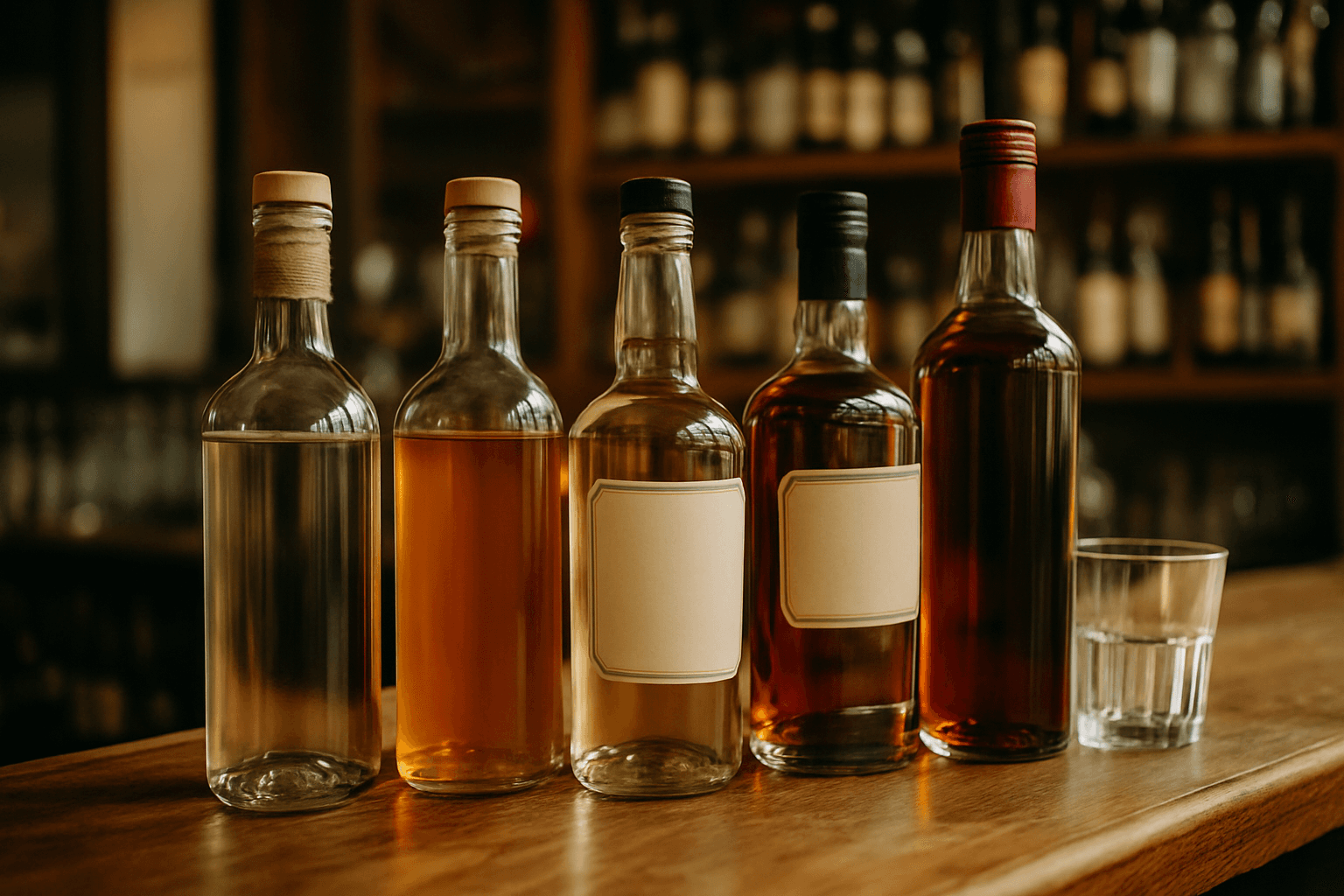
Our spring 2026 spirits trends report breaks down agave alternatives, functional spirits, and the data-backed shifts liquor retailers need to stock for now.
- Why This Spring Feels Different: The Big Picture for Liquor Retail in 2026
- Agave Alternatives: The Non-Alcoholic Subcategory You Can't Ignore
- Functional Spirits and Mood-Enhancing Beverages: Wellness Hits the Liquor Aisle
- The Daycap Revolution: Cordials, Aperitifs, and Lower-ABV Spirits
- Soju's Breakout Moment: The Spirit Most Retailers Are Underestimating
Every quarter, we dig into the data so you don't have to — pulling from distributor reports, industry research, and real conversations with independent retailers across the country. This spring, the signals are louder than usual. Spring 2026 spirits trends aren't just reshaping cocktail menus in major metros. They're rewriting the rules for what belongs on your shelves, how you merchandise it, and which customers you're either capturing or losing at the door.
Here's what we found: agave alternatives are earning platinum certifications. Functional spirits are the number-one trend category according to the National Restaurant Association. Soju — already the world's best-selling spirit by volume [VERIFY: some sources attribute this to the Jinro brand specifically rather than soju as a category] — is finally breaking through in the U.S. And your customers are increasingly drinking earlier in the day, not later, which changes the entire product mix conversation.
This isn't a trend-chasing exercise. It's a practical, data-backed guide built specifically for liquor store owners and operators who need to make smart inventory decisions this quarter. We'll tell you what to stock, what to watch, what to skip, and exactly how to test without overcommitting.
Why This Spring Feels Different: The Big Picture for Liquor Retail in 2026
Let's be honest — every spring brings a wave of "hot trend" lists that mostly apply to cocktail bars in Brooklyn. This one's different. The trends reshaping 2026 aren't just about what's new; they're about a fundamental shift in who's buying, what they're looking for, and when they're drinking it. If your shelf strategy hasn't changed in the last 18 months, you're probably leaving money on it.
A Generational Split Is Reshaping Your Shelf Strategy
Here's the tension you're managing right now: Gen Z is trading up. According to SevenFifty Daily's 2026 analysis [VERIFY: confirm source and specific claim], younger legal-age drinkers are specifically bolstering the gin category, reaching for premium and super-premium bottles. Meanwhile, Millennials — your most established spending cohort — are prioritizing organic certification, lower-ABV options, and clean-label products. One generation wants top-shelf. The other wants transparency. You need to serve both without doubling your inventory headaches.
The Trends That Actually Matter for Independent Retailers
Southern Glazer's identified 10 distinct drink trends for 2026, ranging from cordials and aperitifs to Asian-influenced spirits like soju. The National Restaurant Association's What's Hot report ranked healthier and functional beverages as the number one trend category this year. That's not on-premise noise — that's consumer demand hitting your register.
But you don't have time to parse all of it. So this report distills the key liquor retail trends into what actually belongs on your shelves this quarter: agave alternatives (including non-alcoholic options scoring platinum certifications), functional spirits reshaping the wellness aisle, the soju breakout, lower-ABV daycap drinks, sustainability as a genuine selling point, and format innovations worth the shelf space.
Let's get into it.
Agave Alternatives: The Non-Alcoholic Subcategory You Can't Ignore
Let's get this out of the way: non-alcoholic agave spirits aren't a gimmick, and they're not glorified juice. They're purpose-built to replicate the flavor profile of tequila and mezcal — the peppery bite, the vegetal sweetness, the smoky finish — for consumers who want the cocktail ritual without the alcohol. And in spring 2026, they're one of the most actionable retail opportunities you can capitalize on with minimal risk.
This tracks with the bigger picture. The NRA's What's Hot ranking put functional and health-conscious beverages at the very top of their list — and agave alternatives sit squarely at that intersection of wellness and cocktail culture. Consumers aren't abandoning margarita night — they're expanding what it looks like.
The Brands Competing for Shelf Space Right Now
Three names keep showing up in buyer conversations: Ritual Zero Proof, Lyre's Agave Blanco [VERIFY: confirm current product name], and Abstinence Spirits Cape Agave [VERIFY: confirm current product name]. Each takes a slightly different approach to the category, but Ritual is carrying the strongest proof point for your shelf talkers — their Agave Spirit Alternative scored a 98/100 Platinum certification from the Beverage Testing Institute [VERIFY: confirm this specific score and certification with a direct source]. That's not marketing fluff. That's a concrete data point your staff can use to convert a skeptical customer in under ten seconds.
How to Merchandise Agave Alternatives Without Cannibalizing Tequila Sales
Here's the merchandising move that matters: put them next to your tequila and mezcal, not in a separate NA section. The purchase occasion is complementary. Think about the host buying a bottle of reposado and a bottle of Ritual for the same party. That's a bigger basket, not a lost sale. Burying these products in an isolated non-alcoholic corner kills that impulse.
Will NA spirits replace your tequila revenue? No. They still represent a small slice of total spirits sales. But the growth rate and margin profile make agave alternatives worth testing with 2–4 facings. Stock them, track velocity for 60 days, and let the data tell you what to do next.
Functional Spirits and Mood-Enhancing Beverages: Wellness Hits the Liquor Aisle
Agave alternatives are one piece of a much larger wellness-driven shift. This next category takes that health-conscious consumer mindset and pushes it even further — into adaptogens, nootropics, and mood-enhancing ingredients that are redefining what a "spirit" can be.
When the National Restaurant Association puts healthier and functional beverages at the top of their annual trend ranking, it's worth paying attention. What started on cocktail menus is now migrating to retail shelves, and it's one of the most consequential shifts for independent store owners to understand this year.
What "Functional" Actually Means in a Spirits Context
Strip away the marketing gloss and here's what you're looking at: beverages — both alcoholic and non-alcoholic — that incorporate adaptogens, nootropics, botanicals, or other active ingredients marketed to deliver something beyond flavor. Stress relief. Energy. Gut health. Mood enhancement. Think of it as the supplement aisle and the spirits shelf having a conversation they've never had before.
Retailers and restaurants are increasingly stocking drinks that promise these wellness benefits. For your store, that means evaluating a new breed of brands positioning themselves at that intersection — and deciding which ones deserve shelf space.
Which Products Are Gaining Traction (and Which Are Hype)
Here's the honest take: the functional category is still maturing. Not every product delivers on its claims, and your customers know it. They're skeptical — rightfully so.
Stock brands with transparent ingredient lists and credible third-party validation. The products gaining real traction tend to have clean labeling, recognizable botanical ingredients, and verifiable testing behind their claims.
The practical play: Create a small "Functional & Feel-Good" endcap or dedicated shelf section grouping these products together. It signals your store is current and curated without requiring a massive inventory bet. Start with four to six SKUs, monitor performance over a full quarter, and expand based on what actually moves — not what looks trendy on Instagram.
The Daycap Revolution: Cordials, Aperitifs, and Lower-ABV Spirits
The wellness trend doesn't just show up in what people are drinking — it's changing when they drink, too. Among the most compelling spring 2026 spirits trends is the rise of the "daycap" — lower-ABV drinks built for brunch, afternoon hangs, and early evening wind-downs rather than late-night pours.
Why 'Daycap' Is Replacing 'Nightcap' as a Purchase Occasion
Southern Glazer's flagged cordials and aperitifs as a leading trend for 2026, and the data backs them up. This category has moved well beyond Aperol. We're talking amaro flights, gentian-based aperitifs, craft vermouths, and botanical cordials from small producers most independent stores haven't stocked yet.
Millennials — a demographic with serious spending power — are specifically prioritizing lower-ABV options. They're actively searching for products that fit the daycap occasion, and many of them are walking out of independent stores empty-handed because the selection isn't there. That's money left on the table.
Stocking for the Aperitivo Moment
Your move: expand your aperitif and cordial selection beyond the usual suspects. Consider bundling a vermouth, an amaro, and a sparkling water as a "Spritz Kit." That kind of added-value merchandising drives a higher ring per transaction without requiring a hard sell.
Also worth watching: the tiny pours trend happening on-premise. Tasting menus and small-format pours are lowering the trial barrier for curious drinkers. Translate that to retail with half-bottles, sample packs, and curated multi-spirit bundles. When someone's never tried a gentian aperitif, a $15 discovery pack converts far better than a $35 full bottle they're unsure about.
Let our team show you what's possible.
our team specializes in digital marketing strategies that drive real results. Let us show you what's possible.
Schedule a CallSoju's Breakout Moment: The Spirit Most Retailers Are Underestimating
Speaking of approachable, lower-ABV spirits with crossover appeal — there's one category that checks every box we've been talking about, and most American retailers are still sleeping on it.
Here's a stat that surprises most of them: soju is already the world's best-selling spirit category by volume [VERIFY: confirm whether this refers to the category or the Jinro brand specifically]. Not whiskey. Not vodka. Soju. And in spring 2026, the U.S. market is finally catching up.
Why K-Culture Is Driving a Real Sales Trend
This isn't hype — it's backed by real data. Southern Glazer's named "Amplified Asian influence" among their 10 distinct drink trends for 2026, with soju leading the charge. The cultural engine behind it is massive and national: K-drama viewership, K-pop fandom, and Korean cuisine going fully mainstream. These aren't coastal-city phenomena. They're digital, they're everywhere, and they're converting curiosity into purchases.
Gen Z is the key demographic here. They're discovering soju as an entry-level spirit — lower ABV, affordable, Instagram-friendly, and approachable. It fits the same sessionable profile driving the aperitif boom.
Positioning Soju in Your Store
If you're not carrying soju yet, start simple: 2–3 SKUs. A classic like Chamisul plus one flavored option. Place them near your vodka or sake section with a brief shelf talker — something like "Korea's #1 spirit. Light, smooth, mixable. Try it." Education drives trial in unfamiliar categories, and a single sentence removes the hesitation.
Don't wait for big-box stores to optimize their sets. Early movers in independent retail will capture the curious consumer first.
Sustainability, RTD Innovation, and Format Plays: The Trends Rounding Out Spring 2026
We've covered the major category shifts. Now let's round out the picture with three more trends that, while not category-defining on their own, are shaping how every product on your shelf gets packaged, positioned, and sold.
Sustainability as a Shelf-Level Differentiator
Sustainability has graduated from back-label fine print to front-label selling point. Upcycled ingredients, carbon-neutral distilling, and regenerative agriculture sourcing are showing up as actual purchase drivers — not just feel-good marketing.
Here's the practical takeaway: you don't need to audit every brand's supply chain. But stocking a few spirits with clear, easy-to-communicate sustainability stories gives you a merchandising angle — shelf talkers, endcap themes, social content — and connects with the growing segment of shoppers who factor environmental impact into buying decisions. Among spring 2026 spirits trends, this one has real staying power.
Ready-to-Drink and Experiential Packaging
Pre-batched, garnished, beautifully packaged RTD cocktails are blurring the line between bar and living room. Consumers want the craft cocktail experience at home — without the effort or the barware. For your shelves, prioritize RTDs that look and feel premium, not just convenient. Experiential packaging sells itself.
Small Formats and Sample Packs: Lowering the Trial Barrier
Half-bottles, 50ml sample packs, and curated multi-spirit bundles reduce risk for curious shoppers — especially those exploring functional spirits or agave alternatives for the first time. Consider building your own sample bundles from existing inventory. It's a low-cost way to drive trial and move slower SKUs.
Your Spring 2026 Action Plan: What to Stock, What to Watch, What to Skip
The Quick-Reference Cheat Sheet for This Quarter
Here's your scannable breakdown:
Stock Now:
- Agave alternatives — non-alcoholic and low-proof options are surging. Ritual Zero Proof's Agave Alternative earned a 98/100 Platinum from the Beverage Testing Institute [VERIFY]. Customers are asking for these.
- Expanded aperitif selection — Southern Glazer's flagged cordials and aperitifs as a leading 2026 category.
- Soju — Asian-influenced spirits are on the same list, and the crossover appeal is real.
Watch Closely:
- Functional spirits — the NRA ranked healthier/functional beverages as the top trend for 2026. Demand is building, but the category is still maturing.
- Sustainability storytelling — customers care, but it sells better as a merchandising angle than a standalone category.
Experiment With:
- Small-format bundles (mix-and-match trial packs)
- Premium RTD upgrades
How to Test Trends Without Overcommitting Inventory
None of these trends require ripping up your planogram. Start with 2–4 new SKUs per category. Track velocity for 60–90 days. Expand what moves, cut what doesn't. That's it.
The retailers winning this year are the ones paying attention to what customers are already searching for. These aren't predictions — they're signals from real purchasing data and industry analysis. Act on the signal.
The Bottom Line
The spring 2026 spirits trends shaping this quarter aren't fleeting fads — they're the result of generational shifts, cultural momentum, and consumer expectations that have been building for years and are now hitting a tipping point at the retail level. Agave alternatives have the data behind them. Functional spirits have the industry's top ranking. Soju has global volume and a cultural tailwind most American retailers haven't tapped yet. And the daycap occasion is creating entirely new reasons for customers to walk through your door.
You don't need to overhaul your store overnight. You need a plan, a few smart bets, and 60 days of data to know what's working. That's how independent retailers stay ahead — not by chasing every trend, but by testing the right ones with intention.
Intentionally Creative helps liquor retailers turn trend intelligence into revenue — from shelf strategy and merchandising to digital campaigns that drive foot traffic around the products your customers are actively searching for. Book a free spring strategy call and we'll map out your Q2 plan together.
10+ years helping liquor retailers and beverage brands grow through data-driven digital marketing. Learn more