Sysco's $29 Billion Jetro Acquisition: What Cash-and-Carry Distribution Consolidation Means for Independent Liquor Store Purchasing Power
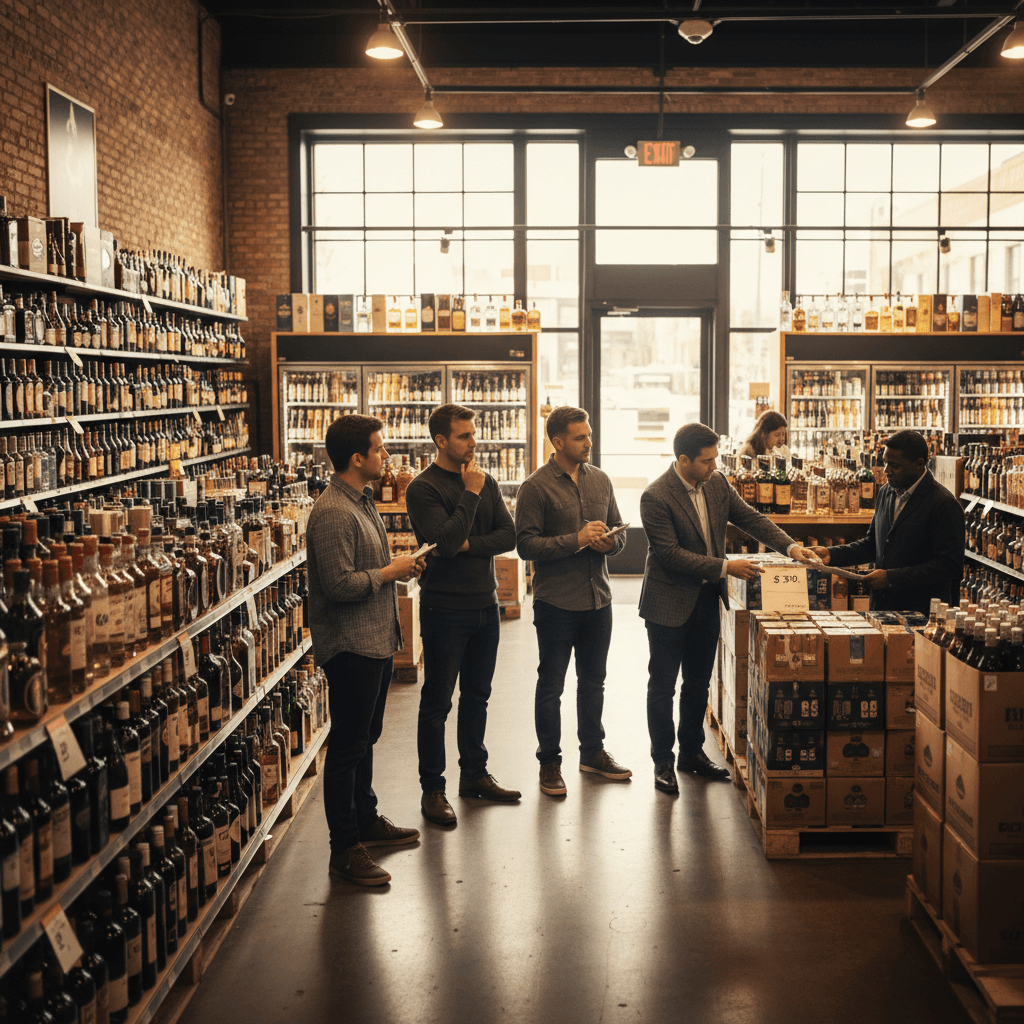
Sysco's $29.1B Jetro acquisition reshapes cash-and-carry distribution. Here's what the Sysco Jetro acquisition means for liquor stores' pricing and supply.
- What Happened: The $29.1 Billion Deal in Plain English
- Inside the Deal: What Sysco Is Really Buying
- How Independent Liquor Stores Actually Use Restaurant Depot (And What's at Stake)
- The Consolidation Trend Is Bigger Than One Deal
- 5 Moves Independent Liquor Stores Should Make Now
A $29.1 billion deal just reshaped the wholesale distribution landscape — and if you run an independent liquor store, the ripple effects are heading straight for your margins. Sysco's acquisition of Jetro Restaurant Depot isn't just the biggest foodservice merger of the decade. It's a structural shift in how independent retailers access the cash-and-carry channels they've quietly depended on for years. The Sysco Jetro acquisition affects liquor stores in ways that go far beyond the foodservice headlines, and most coverage isn't connecting those dots.
Here's the thing: you don't have to buy a single bottle of spirits from Restaurant Depot for this deal to matter to your business. If you've ever loaded up on mixers, bar snacks, tasting supplies, or packaging at one of their warehouse locations, you've been benefiting from a competitive dynamic that's about to change. When the nation's largest distributor absorbs one of the last major independent cash-and-carry operators, the pricing pressure that kept your costs in check loses its counterweight.
This isn't a reason to panic. It is a reason to pay attention, plan ahead, and make some smart moves while you still have options. Let's break down what's actually happening, what it means for your store, and what you can do about it — with data, not drama.
What Happened: The $29.1 Billion Deal in Plain English
In May 2025, Sysco — the nation's largest food distributor with roughly $76 billion in annual revenue — announced it's acquiring Jetro Restaurant Depot for $29.1 billion. The deal breaks down to $21.6 billion in cash plus 91.5 million Sysco shares, valuing Jetro at a 14.6x acquisition multiple. That's a premium price tag that tells you exactly how badly Sysco wants what Jetro built.
Learn how email segmentation for liquor stores drives repeat sales with a 4,200% ROI. List-building tactics, purchase...
And what Jetro built matters to you more than you might think.
Jetro Restaurant Depot currently operates over 150 warehouse locations across the country, opening 5–6 new stores every year — a pace Sysco has signaled it plans to accelerate post-acquisition. On paper, this is a foodservice distribution merger. In practice, it's a consolidation of cash-and-carry purchasing channels that reshapes the landscape for thousands of small, independent buyers — including independent liquor stores.
Why a Foodservice Merger Should Be on Every Liquor Retailer's Radar
If you've ever walked through a Restaurant Depot to stock up on mixers, bar snacks, disposable cups, ice, or even beer and wine for your shelves — this deal directly affects your bottom line. Those 150+ warehouses have quietly served as a critical purchasing channel for independent liquor store owners who need flexibility, no-minimum orders, and competitive pricing without committing to a broadline distributor's delivery schedule.
Wine shops are becoming experience destinations by adding tastings, classes, and events. See how real retailers are d...
Here's the fundamental problem: when two of the biggest names in wholesale distribution merge, the competitive pressure that kept pricing honest for small buyers starts to evaporate. Your purchasing power doesn't shrink overnight. It erodes — one price increase, one discontinued SKU, one policy change at a time.
Inside the Deal: What Sysco Is Really Buying
A Delivery Giant Meets a Cash-and-Carry Footprint
These two companies operate on opposite ends of the wholesale spectrum. Sysco is a services-heavy delivery operation — they bring product to your door on their schedule, with their markup baked in. Restaurant Depot is the warehouse you drive to yourself, grab what you need, and skip the delivery fees.
Together, they now cover virtually every way an independent business can buy wholesale goods. That's not diversification. That's consolidation of options.
Learn how to run compliant, high-performing Google Ads for liquor stores. Covers campaign setup, bidding strategies, ...
Morningstar analysts see limited revenue synergies but expect Sysco to accelerate Jetro's expansion well beyond its current pace. More locations sounds great — until you realize they'll all operate under one corporate umbrella with a unified pricing strategy.
The "Higher-Margin" Signal Independent Buyers Should Notice
Wall Street is characterizing this acquisition as Sysco's entry into a "higher-margin restaurant segment." From a buyer's perspective, higher margin for Sysco means higher costs for you.
When a company pays a 14.6x acquisition multiple, that premium doesn't just sit on a balance sheet. It needs to be earned back. That pressure flows downhill — straight to the independent owners and operators walking through those warehouse doors.
The low-cost, no-frills value proposition that made Restaurant Depot attractive now has a $29.1 billion price tag hanging over it. The math demands margin optimization over rock-bottom pricing, and someone else is controlling the ceiling.
How Independent Liquor Stores Actually Use Restaurant Depot (And What's at Stake)
If you've never made a Restaurant Depot run for your store, this section might not resonate. But if you have, you already know exactly what's at stake.
The Cash-and-Carry Advantage for Small Retailers
Here's the reality for a lot of independent liquor store owners: Restaurant Depot isn't where you buy your core spirits inventory. It's where you buy everything else.
You're grabbing cases of tonic water, ginger beer, and sparkling water for your mixer section. You're loading up on cocktail napkins, plastic cups, and cheese platters before a Saturday tasting event. You're sourcing bar snacks — nuts, crackers, olives — at margins that actually make sense for retail. And in certain states, you're picking up beer and wine inventory at wholesale prices that compete with (or beat) your traditional distributor.
The cash-and-carry model gave independents something genuinely powerful: the ability to buy what you need, when you need it, without minimum orders or delivery fees. No rep breathing down your neck. No $500 delivery threshold. Just walk in, buy smart, walk out. It functioned as a pressure valve against traditional distributor pricing — a competitive counterweight that kept your overall supply costs in check.
What You Could Lose in a Consolidated Supplier Landscape
Let's be direct with the skeptics: the Sysco Jetro acquisition doesn't mean liquor stores see price hikes next Tuesday. That's not how consolidation works. But historically, when fewer distributors control more of the market, independent buyers' leverage erodes gradually. Fewer options means less ability to negotiate — or walk away. The structural shift removes the very competitive counterweight that kept broader pricing more favorable for small buyers.
The Consolidation Trend Is Bigger Than One Deal
Wholesale Distribution Consolidation Across the Beverage Industry
Let's zoom out. This acquisition isn't happening in isolation. It's the latest move in a broader wave of distribution consolidation reshaping how products reach independent retailers.
For independent liquor store owners, the math is straightforward: fewer, larger companies now control more of the supply pipeline you depend on. Even if your core alcohol inventory flows through state-regulated distribution channels, the ancillary products and supplies you purchase through cash-and-carry outlets — mixers, snacks, cleaning supplies, packaging, store essentials — directly affect your overall cost structure and margins. When those channels consolidate, your leverage shifts whether you notice it immediately or not.
What History Tells Us About Pricing After Mergers
History consistently shows the same pattern: the initial pitch after consolidation is always efficiency and better service. And sometimes that's true — expanded product selection, more locations, streamlined ordering.
But the longer-term reality for small buyers? Reduced negotiating leverage. Standardized terms that are less flexible. A service model that prioritizes larger accounts first.
To be fair, a combined Sysco-Jetro operation could benefit independents through broader selection and geographic reach. But those benefits tend to serve the acquirer's margin goals — not the independent buyer's bottom line. The question isn't whether consolidation is happening. It's how you respond.
Let our team show you what's possible.
our team specializes in digital marketing strategies that drive real results. Let us show you what's possible.
Schedule a Call5 Moves Independent Liquor Stores Should Make Now
The Sysco Jetro acquisition affects liquor stores whether you shop at Restaurant Depot regularly or not. Here's how to stay ahead of it.
1. Audit Your Restaurant Depot Spending Before Anything Changes
Pull your last 90 days of Restaurant Depot receipts and categorize every line item. Mixers, cups, napkins, snacks, cooler bags — all of it. Know exactly what percentage of your operating costs flow through that channel. You can't protect margins you haven't measured. Once Sysco starts integrating Jetro's operations, pricing structures and membership policies could shift with little warning. Your audit is your early warning system.
2. Diversify Your Supplier Relationships Today
Identify 2–3 alternative sources for your most-purchased cash-and-carry items right now. Regional wholesalers, online wholesale platforms like Faire or Boxed, even Costco Business Center — put them on your radar before you actually need them. Your current backup plan might not exist in six months. Build relationships while you have leverage, not while you're scrambling.
3. Explore Cooperative Purchasing Groups
This is the move industry experts consistently rank as the top counter-strategy to distribution consolidation. Joining or forming a cooperative purchasing group with other independent retailers gives you volume-based pricing leverage that a single store simply can't achieve. Sysco paid a premium because they're betting on scale. You should be too — just collectively.
4. Use Technology to Track Costs and Compare Pricing
You don't need expensive software. Even a quarterly spreadsheet comparing pricing from your top five suppliers creates accountability and hands you real data for negotiations. Inventory management and price-tracking tools help you spot cost creep before it eats your margins. Your purchasing power depends on information as much as volume.
5. Strengthen Your Direct-to-Brand Relationships
For mixers, non-alcoholic beverages, and specialty items, going direct to brands can bypass distribution markups entirely. Many craft and emerging producers are eager for retail partnerships and will offer competitive pricing to independents who commit to shelf space. As this deal reshapes how liquor stores access cash-and-carry goods, direct relationships become a genuine competitive advantage — not just a nice-to-have.
What to Watch For in the Coming Months
Regulatory Review and Timeline
A deal this size doesn't close quietly. The acquisition will face serious FTC scrutiny — the nation's largest food distributor absorbing a major cash-and-carry chain raises obvious competition questions. Watch for review updates closely. Any conditions placed on the merger could include requirements to maintain pricing structures or preserve independent access terms. Those conditions matter directly to your bottom line.
Early Warning Signs That Pricing Is Shifting
Don't wait for a press release to tell you costs went up. Monitor these signals now:
- Changes to Restaurant Depot membership terms — new fees, restricted hours, or tiered access
- Minimum purchase requirements appearing where none existed
- Product selection narrowing toward higher-margin items at the expense of value options
- Any departure from the warehouse's historically no-frills pricing model
Consolidation doesn't announce itself. It creeps in through incremental changes that are easy to miss. Set a quarterly calendar reminder to audit your supplier terms for the next twelve months. Track pricing, selection, and access across every channel. The stores that catch shifts early will adapt. The rest will just absorb the margin hit.
The Bottom Line: Consolidation Rewards the Prepared
Sysco's $29.1 billion acquisition of Jetro Restaurant Depot isn't abstract news — it reshapes wholesale distribution for every independent buyer, including liquor stores relying on cash-and-carry channels for margin-critical supplies. When a dominant distributor absorbs a major cash-and-carry chain and plans to accelerate its growth, the competitive landscape shifts whether you're ready or not.
The Sysco Jetro acquisition affects liquor stores at the structural level — not through a single dramatic price hike, but through the slow, steady erosion of the competitive dynamics that gave independent buyers options and leverage. The stores that recognize this now and act accordingly will be the ones still thriving when the dust settles.
You can't stop distribution consolidation. But you can refuse to be passive about it. The independent liquor store owners who come out ahead will diversify suppliers now, measure everything, and build purchasing leverage before the market forces their hand.
If you want help building a marketing and operations strategy that protects your margins in a consolidating market, Intentionally Creative ↗ works exclusively with liquor retailers who think like business owners — because that's exactly what you are.
10+ years helping liquor retailers and beverage brands grow through data-driven digital marketing. Learn more