Wisconsin's Craft Beverage Tourism Boom: Lessons Independent Retailers Can Steal from Brewery and Winery Trail Marketing
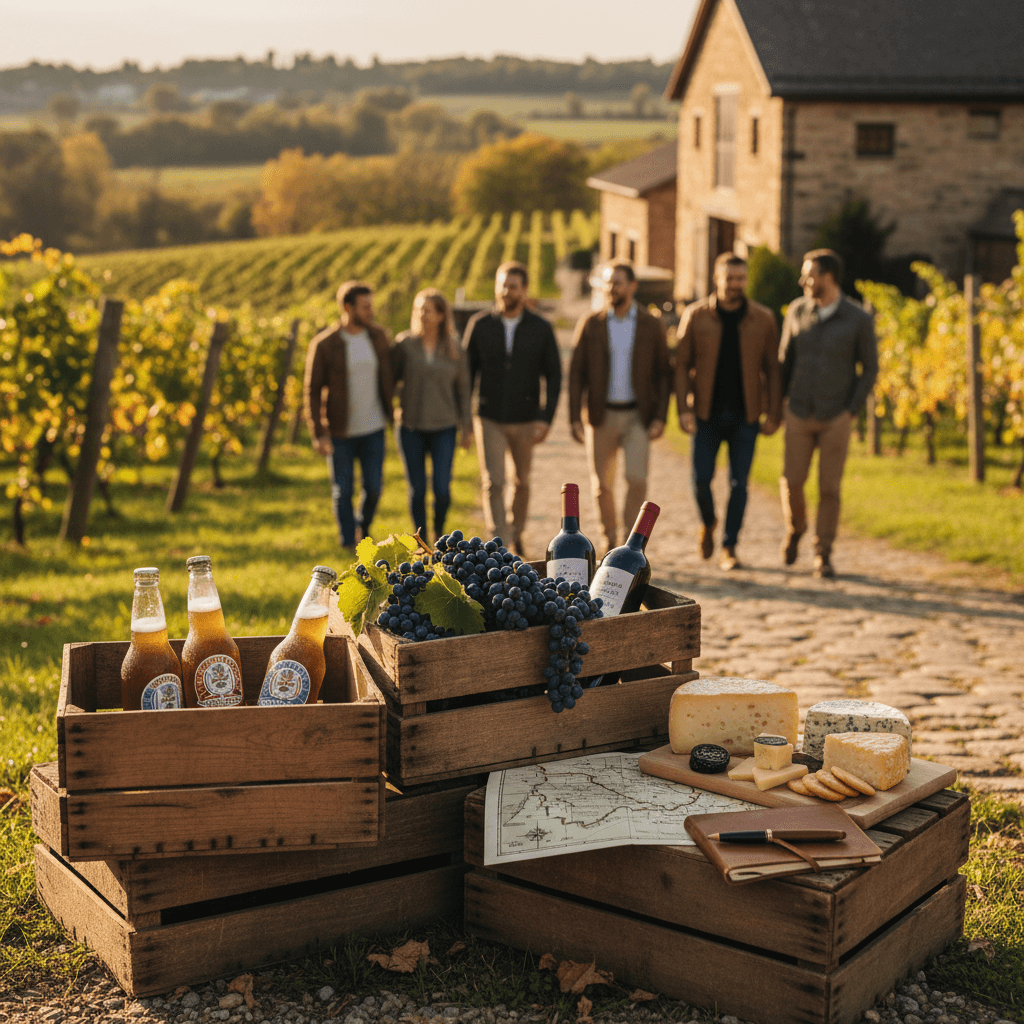
Wisconsin's craft beverage tourism marketing is exploding. Here's how independent liquor stores can steal proven tactics from brewery and winery trail programs.
- Wisconsin's Craft Beverage Tourism Is Having a Moment — And Retailers Are Missing It
- How Brewery and Winery Trails Actually Work (The Business Model Behind the Buzz)
- The Competition Next Door: Michigan Just Raised the Stakes
- Wisconsin's Secret Weapon: A Brewing Heritage Most States Would Kill For
- 5 Trail Marketing Tactics Independent Liquor Stores Can Steal Right Now
Wisconsin's craft beverage scene is booming — and it's not just the breweries cashing in. Across the state, organized trail programs, digital passports, and tourism-backed marketing campaigns are funneling thousands of visitors through curated craft beverage experiences. It's a full-blown craft beverage tourism marketing movement, and it's reshaping how consumers discover, engage with, and buy local products. The problem? Independent liquor retailers are almost entirely absent from the conversation.
That's a mistake — and an opportunity. The same tactics driving foot traffic to taprooms and tasting rooms can work for your store. Gamification, cross-promotion, heritage storytelling, event-driven engagement — none of these require a brewing license. They require a willingness to think differently about where your store fits in the local beverage ecosystem.
This post breaks down exactly how Wisconsin's brewery and winery trail programs work, why neighboring states are raising the competitive stakes, and — most importantly — five specific tactics you can steal and put to work in your store starting this month. No theory. No fluff. Just a proven playbook that someone else already tested for you.
Wisconsin's Craft Beverage Tourism Is Having a Moment — And Retailers Are Missing It
Something significant is happening across Wisconsin, and if you run an independent liquor store, you need to pay attention — because right now, you're probably not part of the conversation.
What's Actually Happening on the Ground in Madison and Milwaukee
Madison On Tap now connects over 30 breweries, cideries, and distilleries through a free digital passport that offers visitors discounts and prizes as they hop from stop to stop. It's a ready-made tourism engine for craft beverages — and it's growing fast.
Learn how email segmentation for liquor stores drives repeat sales with a 4,200% ROI. List-building tactics, purchase...
Meanwhile, Milwaukee has launched its own dedicated Brewery Trail program through Visit Milwaukee, backed by real marketing dollars and institutional support. Wisconsin's two largest metro areas are actively building tourism infrastructure around craft beverages, leaning into a brewing heritage that stretches back to the turn of the 20th century with legacy names like Pabst, Schlitz, Blatz, and Miller.
For context on how big this can get: Michigan's craft beverage industry is valued at an estimated $4 billion, according to industry reporting from the Michigan Craft Beverage Council. Globally, brewery tourism is growing as experiential travel becomes the norm. Wisconsin is positioning itself to capture a serious piece of that growth.
Why This Matters If You Sell Bottles, Not Pints
Here's the opportunity gap worth paying attention to: breweries and wineries are capturing tourism foot traffic and building brand loyalty through trail programs — while most independent retailers sit on the sidelines. You carry the same products. Often a broader selection. Yet you're invisible in these programs.
This isn't about turning your store into a tourist attraction. It's about borrowing the strategies that are clearly working — digital passports, cross-promotion, event-driven foot traffic — and applying them to your business.
Wine shops are becoming experience destinations by adding tastings, classes, and events. See how real retailers are d...
The playbook already exists. Someone else just wrote it first.
So let's look under the hood at how that playbook actually works — and why the model is so easy to adapt.
How Brewery and Winery Trails Actually Work (The Business Model Behind the Buzz)
The trail model is simpler than it sounds: create a curated route of local producers, give visitors a way to check in digitally at each stop, then reward them with discounts, prizes, or exclusive merch for completing the trail. The result? Repeat visits and a flood of social sharing — the two things every retailer wants but struggles to manufacture.
Madison On Tap nails this. Their free digital passport connects visitors to the Madison-area craft beverage scene with no app download required and no complicated sign-up. Just visit, check in, earn rewards. It works because it removes friction while adding fun.
Learn how to run compliant, high-performing Google Ads for liquor stores. Covers campaign setup, bidding strategies, ...
This model isn't unique to Wisconsin, either. New Jersey's Sip & See Somerset weaves local heritage storytelling into its craft beverage trail. Down in Texas, similar programs do the same. These examples prove the model travels well beyond any single state.
The Digital Passport Play: Gamification That Drives Repeat Visits
Gamification turns a casual visit into a mission. When customers are three check-ins away from a limited-edition pint glass, they don't just come back — they bring friends. That's trail-style promotion working for you without spending a dime on ads.
Social Capital: The Secret Ingredient You Can't Buy
Here's what separates trails that thrive from trails that fizzle. Research from NC State University found that the real driver behind successful craft beverage tourism isn't marketing spend — it's social capital. Trust, genuine collaboration, and shared networks between producers and tourism stakeholders matter more than any budget.
The takeaway for your store: Trails succeed because they build a shared ecosystem where everyone promotes everyone else. That's a fundamentally different mindset than competing alone for the same customer. And it's one independent retailers can absolutely adopt.
Understanding the model is one thing. But understanding the competitive pressure bearing down on Wisconsin makes acting on it feel a lot more urgent.
The Competition Next Door: Michigan Just Raised the Stakes
What 'Michigan Crafted' Means for Wisconsin Retailers
In 2025, Michigan launched "Michigan Crafted" — a unified, consumer-facing brand built to promote its craft beverage industry across every channel. This isn't a chamber of commerce pamphlet. It's an organized, state-funded campaign designed to pull visitors east.
For Wisconsin retailers — especially those near the border or in tourist corridors — this changes the math. Michigan isn't just competing brewery-to-brewery. They're competing brand-to-brand, with a polished identity that makes it easy for travelers to choose their state over yours.
Meanwhile, experiential brands like BrewDog are proving that destination drinking is big business globally. Coasting on heritage alone won't cut it anymore.
The Wake-Up Call
Michigan's estimated $4 billion craft beverage industry is the engine behind their marketing push — and it should motivate, not intimidate.
Wisconsin has real advantages: programs like Madison On Tap, deep brewing roots, and fiercely loyal local producers. But those advantages only pay off when retailers actively plug into local trail programs and tourism efforts instead of watching from the sideline.
The opportunity is there. Michigan just made it more urgent.
The good news? Wisconsin has something Michigan can't easily replicate — and most retailers aren't using it yet.
Wisconsin's Secret Weapon: A Brewing Heritage Most States Would Kill For
Wisconsin doesn't need to manufacture a craft beverage story. It already has one — and it's over a century old.
Pabst. Schlitz. Blatz. Miller. These aren't just beer brands. They're cultural landmarks baked into the identity of an entire state. That kind of emotional resonance is marketing gold, and most retailers are leaving it on the table.
According to Destinations International, beer tourism stimulates local economies and positions breweries as anchor attractions that draw visitors and spending. Retailers who connect their brand to Wisconsin's heritage get to ride that same wave — without brewing a single batch.
From Pabst and Schlitz to Your Top Shelf: The Storytelling Goldmine
This is where craft beverage tourism marketing meets smart retail. Trail programs work because they tell a story visitors want to step inside. Your store can do the same thing.
How to Turn Nostalgia Into a Marketing Strategy That Sells
Curate a "Wisconsin Heritage Shelf." Host a tasting that traces the line from Schlitz to a modern Milwaukee craft lager. Partner with a local historian for a one-night event. You're not just selling bottles — you're creating an experience, exactly like trail marketers do.
That's a differentiation play big-box competitors simply cannot replicate with any authenticity. It's yours to own.
Enough context. Here's exactly how to put all of this to work — starting now.
Let our team show you what's possible.
our team specializes in digital marketing strategies that drive real results. Let us show you what's possible.
Schedule a Call5 Trail Marketing Tactics Independent Liquor Stores Can Steal Right Now
You don't need to build a taproom or plant a vineyard to benefit from craft beverage tourism. You just need to think like a trail — and act like a destination.
1. Partner With (or Create) a Local Beverage Trail
Your local Convention & Visitors Bureau likely already runs something you can plug into. Madison On Tap, for example, features over 30 craft beverage stops in the Madison area — but retail locations are underrepresented. Contact your tourism board and ask to be listed. Offer exclusive trail-participant discounts to drive foot traffic. If no trail exists in your area, propose one. Someone has to organize it — why not the retailer who stocks everyone's product?
2. Launch Your Own Digital Passport or Loyalty Program
Trail programs work because of gamification: visit places, collect stamps, earn rewards. Replicate that at the store level. A simple punch card — or a low-cost app like Stamp Me — where customers earn rewards for trying different local craft products costs almost nothing and drives repeat visits. Give your customers a reason to explore your shelves the same way trail visitors explore a region.
3. Host Events That Make Your Store a Destination
Tasting nights. Meet-the-brewer Saturdays. Seasonal promotions tied to Wisconsin's brewing heritage. Research consistently shows that successful craft beer marketing depends on building unique brand identity through local events. That applies to your store, not just breweries.
4. Co-Market With Local Breweries, Wineries, and Distilleries
Share each other's social posts. Cross-promote events. Feature local producers in your email newsletter and ask them to mention you in theirs. This is trail-style collaboration in its simplest form — it builds trust and expands reach without expanding your budget.
5. Use Social Media Storytelling Like the Trails Do
Post the stories behind the bottles. Film the local brewer delivering kegs to your back door. Shoot a 30-second video explaining why a particular Wisconsin craft spirit matters. Trail programs succeed because they sell experiences, not just beverages. Your store has stories too — and telling them costs nothing but a smartphone and five minutes of authenticity.
What's Stopping Most Retailers (And How to Get Past It)
If the opportunity is this clear, why aren't more stores jumping in? Usually, it comes down to one mental block.
The "I'm Not a Tourism Business" Objection
Let's call it out: most liquor store owners don't see themselves as part of the tourism economy. You sell bottles, not experiences. But here's the thing — if you're anywhere near a market where people visit breweries, wineries, or distilleries, those consumers are already buying bottles to take home. The only question is where.
Those trail visitors need a retail stop. Craft beverage tourism marketing isn't about becoming a destination — it's about positioning your store as the obvious last stop on someone else's trail.
Start Small: The 30-Day Trail Marketing Test
You don't need a rebrand. Pick one local partnership, one tasting event, or one social media series tied to a nearby trail program. Run it for 30 days. Track foot traffic and sales on featured products.
That's your proof of concept — and the data you need to decide whether to go bigger.
The retailers who move first will own this positioning. The ones who wait will be scrambling when trail programs formalize and lock in preferred partners.
The Bottom Line: Craft Beverage Tourism Is a Retail Opportunity, Not Just a Producer Play
Here's the core takeaway: Wisconsin's craft beverage tourism boom is building infrastructure you can plug into right now. Madison On Tap's passport program, Milwaukee's official Brewery Trail — these programs are driving foot traffic through your market whether you capitalize on it or not.
The competition isn't slowing down. Michigan is investing aggressively behind its craft beverage brand, and trail programs are proliferating nationally. Your window to position your store as a craft beverage tourism marketing destination is open — but it won't stay that way.
Pick one tactic from the list above. Execute it this month. The tourism traffic is already flowing. Start capturing it.
10+ years helping liquor retailers and beverage brands grow through data-driven digital marketing. Learn more