GlenAllachie's 35-Year-Old Mizunara Cask Release: How to Use Ultra-Premium Whisky Drops to Drive Store Traffic and Social Buzz
By Intentionally Creative12 min read
Listen to this article15:13
Schedule a free strategy call and Intentionally Creative will build a custom plan for you.
Schedule Your Free Strategy CallFree audit. No commitment.
Get a Free Audit. No commitment.
Learn ultra-premium whisky retail marketing tactics using GlenAllachie's 35-Year-Old Mizunara cask release to drive foot traffic and social media buzz.
A bottle lands on your allocation sheet that practically sells itself — 35 years old, cask strength, matured in Japanese Mizunara oak. Your first instinct might be to tuck it behind the counter and wait for the right buyer to ask. But that instinct is leaving money on the table. A lot of money. The real value of a bottle like the GlenAllachie 1990 35-Year-Old isn't just the margin on one sale. It's the foot traffic, the social media reach, the email sign-ups, and the halo it casts over everything else on your shelves.
This is what ultra-premium whisky retail marketing looks like when you do it intentionally: you take a single, extraordinary release and turn it into an engine that drives awareness, loyalty, and revenue across your entire store. The collectors' market is massive and growing — but it's also getting pickier. Retailers who treat rare bottles as marketing events, not just inventory, are the ones capturing disproportionate share.
In this post, we'll break down exactly how to do that with the GlenAllachie 35-Year-Old Mizunara Cask — from the market data that explains why this moment matters, to the social media tactics, scarcity plays, and paid ad strategies that turn one bottle into a store-wide win. Whether you've already secured your allocation or you're still deciding, this is your playbook.
The super-premium whisky market is projected to hit $101.6 billion by 2032, growing at a 5.6% CAGR. But here's the tension: ultra-premium "status" spirits sales actually declined 8% in value in 2024. That means collectors aren't buying less — they're buying smarter. They're hunting bottles with genuine substance behind the price tag.
Discover how Provence transformed into a lifestyle brand. Learn provençal wine marketing tactics to boost regional Fr...
The GlenAllachie 1990 35-Year-Old is exactly that kind of bottle. And for store owners, it's less of a product and more of a launchpad.
Distilled in 1990 and bottled at 50.2% ABV cask strength, this Speyside single malt sits in the ultra-rare age-statement tier that collectors actively hunt. Thirty-five-year-old Scotch is scarce by nature — every year of evaporation (the "angel's share") makes what's left more precious.
But age alone isn't the story. This release was matured across four distinct cask types: Mizunara virgin oak, American oak, Oloroso sherry, and PX sherry casks. That layered maturation gives you — the retailer — a far richer narrative than any standard single-cask release. Each cask contributes a chapter: dried fruit, vanilla, spice, and something altogether more exotic.
Navigate liquor advertising regulations with confidence. Learn federal TTB rules, state-specific alcohol marketing la...
That exotic element? It's the Mizunara.
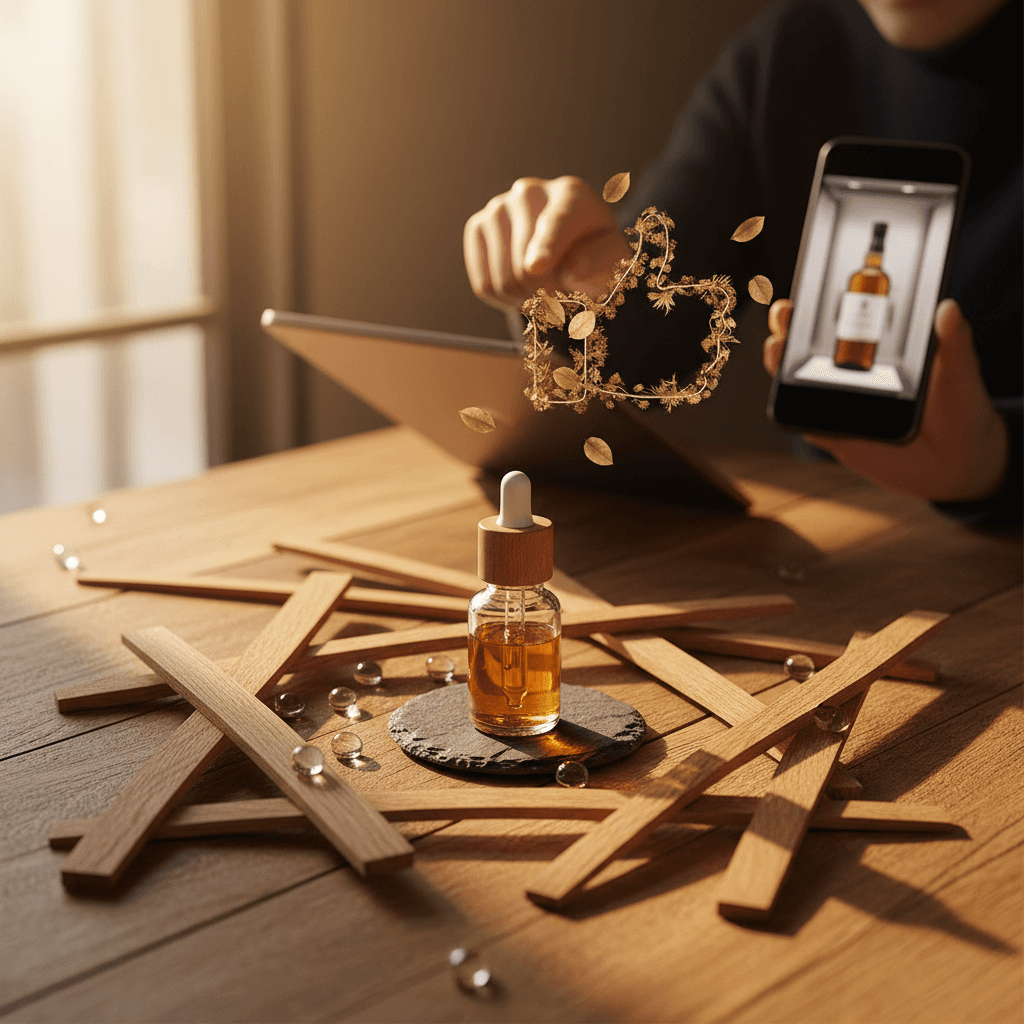
Mizunara is Japanese oak, and it's exceptionally rare. The trees need roughly 200 years to mature, and the wood is notoriously difficult to cooperage. But the payoff is unmistakable — tasting notes like coconut, sandalwood, and incense that you simply won't find in bourbon or sherry casks.
Here's why that matters for driving store traffic around a limited release: the GlenAllachie 35-Year-Old Mizunara Cask bridges two of the hottest collector categories on the planet — Scotch and Japanese whisky. It gives you a crossover audience most bottles can't touch.
DTC spirits brands are reshaping liquor retail competition. Learn how direct-to-consumer models work and what they me...
This isn't just inventory. It's a marketing event waiting to happen — and a real driver of social media buzz for your store. The rest of this post will show you exactly how to capitalize on it.
Now that you understand what makes this bottle special, let's zoom out and look at the market forces that make this moment so important for your business.
That $101.6 billion projection we mentioned? It tells you the customer base for bottles like this is growing — and they're willing to spend. The question isn't whether demand exists. It's whether those customers are spending in your store or someone else's.
Here's the cold water: that 8% decline in ultra-premium "status" spirits value last year means passive shelf presence — stocking a premium bottle and hoping the right buyer walks in — simply isn't working. The long-term trend is your friend, but the current climate demands smarter, more intentional marketing around limited releases.
This tension is actually your opportunity. Stores that actively generate buzz and foot traffic around drops like these will capture disproportionate share from competitors content to sit back and wait. The market rewards the intentional. Let's talk about how.
You don't need to sell the GlenAllachie 35-Year-Old Mizunara Cask to profit from it. You just need it on your shelf.
Whisky adviser Mark Littler nails this concept: ultra-premium whiskies function exactly like haute couture or limited-edition luxury watches. Nobody walks into Chanel expecting every customer to drop $30,000 on a runway piece — but that piece makes the $200 perfume feel like a steal. The same psychology applies to your store. A 35-year-old, four-cask-matured expression at cask strength tells every customer who walks through your door: this store is serious.
Consumer aspiration for premium spirits is climbing even when actual ultra-premium sales dip. That gap between desire and purchase is exactly where your mid-tier inventory lives. The GlenAllachie 35-Year-Old is the dream. Your $60–$120 bottles are the reality customers take home.
Customers drawn by the rare bottle browse. They discover. They buy.
Maximize this with smart merchandising: give the bottle a dedicated display featuring its four-cask maturation story. Add shelf-talkers connecting it to accessible GlenAllachie expressions nearby. Build a price ladder customers can actually climb.
The flagship is your magnet. Your broader inventory is where volume happens.
The bottle is doing its job on the shelf. Now it's time to make it work just as hard online.
Digital buzz is great, but the real magic happens when you channel that online attention into structured, in-person experiences.
When you're holding a handful of bottles of a cask-strength single malt distilled over three decades ago and matured across four cask types including rare Mizunara virgin oak, scarcity is your most powerful marketing tool. But only if you structure the buying process to squeeze every drop of engagement out of it.
This is ultra-premium whisky retail marketing at its most effective: turning limited supply into lasting customer relationships.
Here's what allocation-based marketing means in plain terms: you don't just put a rare bottle on the shelf and hope the right person walks in. You announce it across social media and email, build anticipation, and direct interested buyers to a sign-up form. Even a simple Google Form works.
Now you've got a contact list of high-intent whisky buyers — people you can market to for every future limited release, driving store traffic again and again.
Layer in a VIP preview or early-access window for loyalty program members. They get first crack at purchasing. Non-members see that perk and sign up. Existing members feel valued. Everyone wins.
If your bottle count allows it, open one and host a small-group tasting at a premium ticket price. Pair the experience with more accessible GlenAllachie age statements so attendees discover the broader range — and buy bottles they can actually take home.
Can't justify opening a 35-year-old expression? Use the GlenAllachie 35-Year-Old Mizunara Cask as your anchor event and pour other expressions from the lineup. The rare bottle creates the buzz. The tasting converts that digital attention into physical foot traffic — which, for any brick-and-mortar retailer, is the whole game.
You've got the organic strategy locked down. But what about putting a few dollars behind it? Here's when paid ads make sense — and how to keep the spend lean.
Most independent liquor store owners aren't sitting on a big digital ad budget, and that's completely fine. But when a bottle like the GlenAllachie 35-Year-Old Mizunara Cask hits your shelves, a small, strategic spend can punch way above its weight.
You don't need to blanket the internet. Run Instagram and Facebook ads geo-targeted within a 15–25 mile radius of your store. Layer on interest targeting: Scotch whisky, spirits collecting, Japanese whisky, and premium bourbon enthusiasts. You're not chasing mass reach — you're trying to find the 200–500 local whisky enthusiasts who will actually drive to your store for a bottle like this.
That's the kind of targeted traffic that converts.
A $50–$150 one-week campaign is plenty. The goal is generating buzz among a hyper-specific local audience, not racking up impressions from people three states away.
One important note: check your state and local regulations on alcohol advertising before launching any paid campaign. Compliance varies widely, and platforms like Meta offer age-gating tools — use them. A little due diligence keeps your ads running and your store out of trouble.
Now let's pull everything together into a step-by-step plan you can execute this week.
10+ years helping liquor retailers and beverage brands grow through data-driven digital marketing. Learn more
A 35-year-old whisky matured across four cask types and bottled at cask strength — that's not just a product. That's a content engine. Here's how to use it.
Master Distiller Billy Walker released a YouTube tasting video for this expression. That's free, high-authority video content sitting there waiting for you. Clip the best 15–30 seconds for Instagram Reels or TikTok. Loop it on your in-store digital displays next to the bottle. You don't need a production budget — you need a screen recording and a free editing app.
Instagram and Facebook: Post a carousel — the bottle, a close-up of that label, a tasting notes card, and a short Walker clip. Caption it with urgency: "Limited allocation — DM us to reserve." Tag @TheGlenAllachie. Their social team often engages, which puts your store in front of their followers for free.
TikTok and Reels: Shoot a 30-second unboxing or "first look." Lean hard into the Mizunara story. Japanese oak is a natural hook — it pulls in the whisky-curious audience already following Japanese whisky content. A 1990-distilled Scotch aged in Japanese oak? That's algorithm-friendly storytelling.
Email and SMS: Before you post anything publicly, send a targeted blast to your VIP or whisky club list. Give them a 24-hour head start. This rewards loyalty and creates genuine insider access — which drives foot traffic before the bottle ever hits your shelf display.
Here's the generational opportunity most retailers miss. The market for premium spirits is growing, but who's buying is shifting. Instagram-savvy brands are already capturing millennial and younger consumers. Retailers who invest in social-first marketing for heritage Scotch releases aren't just moving one bottle — they're building relationships with the next generation of enthusiasts. The social buzz you create today becomes the customer loyalty you profit from for years.
Intentionally Creative specializes in digital marketing strategies that drive real results. Let us show you what's possible.
Schedule a CallBuilding these systems now means you're not just selling one bottle. You're building infrastructure for every premium drop that follows.
Every ultra-premium whisky retail marketing moment is bigger than a single SKU. It's a chance to grow your list, generate social buzz, build credibility, and create social proof that compounds over time. The GlenAllachie 35-Year-Old is today's opportunity — but this playbook works for every rare drop that lands on your shelves.
The GlenAllachie 1990 35-Year-Old Mizunara Cask isn't just a beautiful bottle of whisky — though it's certainly that. For liquor retailers willing to be intentional, it's a case study in how a single ultra-premium release can generate foot traffic, grow your customer database, boost mid-tier sales through the halo effect, and establish your store as the go-to destination for serious collectors in your market.
The playbook is straightforward: secure the allocation, build anticipation before the bottle arrives, create content that tells the story, reward your best customers with early access, and merchandise smartly so the traffic converts across your entire shelf. None of this requires a big budget. It requires a plan.
Ultra-premium whisky retail marketing isn't about having the most expensive inventory. It's about treating every rare bottle as a strategic asset — not just a line item. The stores that figure this out don't just win one sale. They build a reputation that compounds with every drop.
Ready to build a repeatable system for turning premium spirits releases into sustained traffic and revenue? Intentionally Creative ↗ works with liquor retailers to make exactly that happen. Let's talk.