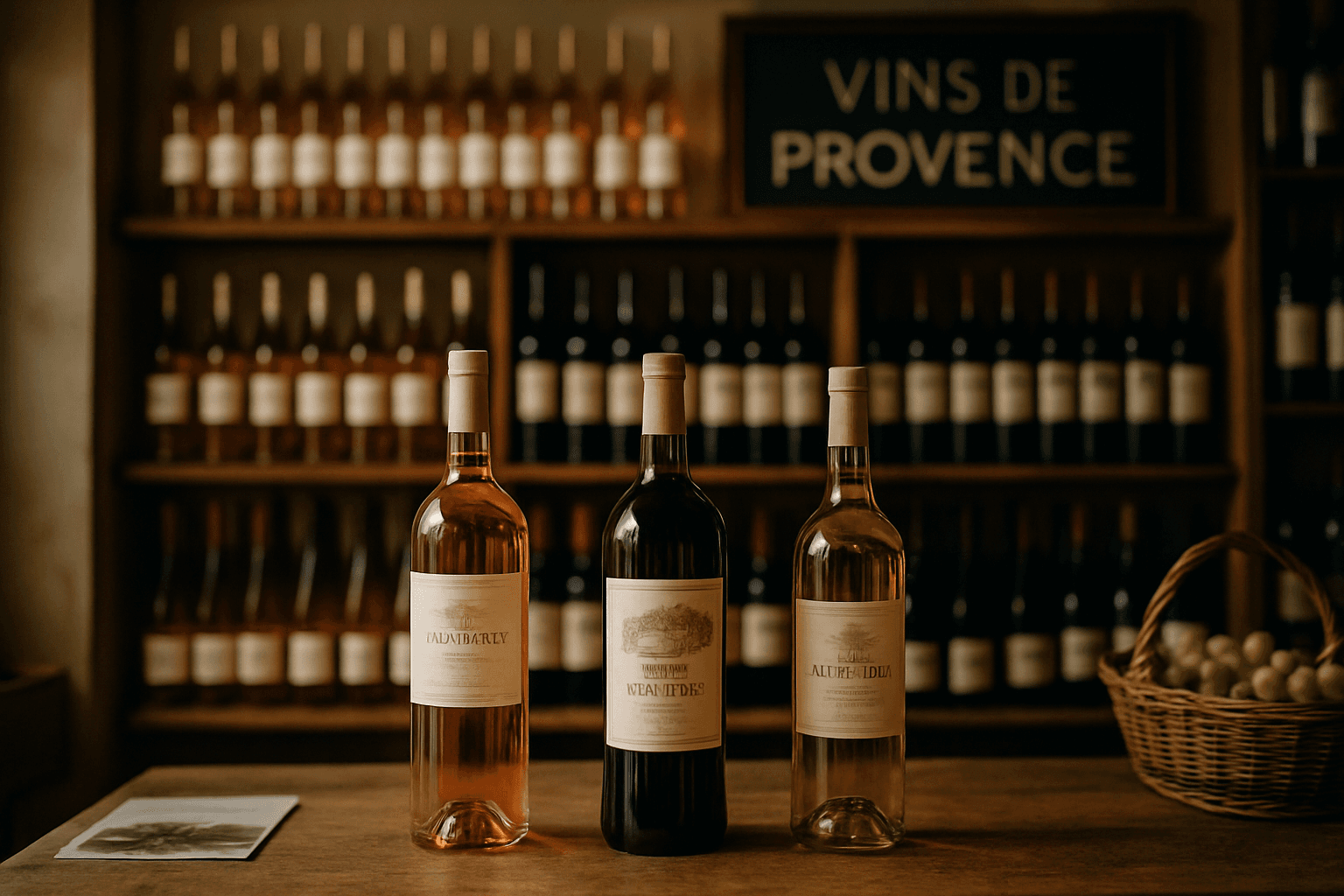
Beyond Rosé: How Provençal Wine Marketing Can Teach Independent Stores to Sell Regional French Wines
By Intentionally Creative10 min read
Listen to this article14:15
Schedule a free strategy call and Intentionally Creative will build a custom plan for you.
Schedule Your Free Strategy CallFree audit. No commitment.
Get a Free Audit. No commitment.
Discover how Provence transformed into a lifestyle brand. Learn provençal wine marketing tactics to boost regional French wine sales at your store.
Picture this: a customer walks into your liquor store and gravitates toward the French wine section. They linger at Bordeaux, maybe reach for a Burgundy—but when their eyes drift to the Loire Valley, Rhône, or Languedoc, something stops them. They put the bottle back. It joins the ranks of regional French wines that sit, unsold, while Provence rosé keeps flying off the shelf.
The difference isn't price point. It isn't placement or promotion. The difference is that Provence has mastered the art of selling a lifestyle, not just a bottle—and independent liquor stores can steal that playbook. The strategies driving Provençal wine marketing have transformed a Mediterranean region into a global lifestyle brand, and the same principles work for any regional French wine gathering dust on your shelves.
This isn't about rosé. It's about the marketing philosophy behind one of wine's greatest success stories—and how you can apply it to move Burgundy, Loire Valley, Rhône, and beyond. Let's dig into what makes Provence work, and how to make it work for your store.
Provence didn't just sell wine—it sold a vision. The region's wine council understood that modern consumers, particularly millennials, aren't just buying a bottle; they're buying into an identity. By positioning Provençal rosé around sun-drenched terraces, effortless entertaining, and the art of slow living, they transformed a traditional wine region into an aspirational lifestyle brand.
Discover how the wine auction market works and why your liquor store should tap into collector demand. Learn actionab...
According to Vins de Provence, their success stems from four strategic elements: high quality, limited quantity, positive regional image, and that distinctive pale, dry wine style. This combination proved powerful. The Drinks Business reports that Vins de Provence specifically targets millennials over Gen Z—a demographic that values authenticity and experience over simple product transactions.
The region invested significantly in this positioning, with €8.4 million put toward a new Provence rosé wine centre designed to anchor their marketing infrastructure for years to come, according to The Buyer.
Here's the truth most liquor store operators miss: customers buying regional French wines aren't just seeking a beverage—they're seeking a story they can tell about themselves.
Stop leaving online sales on the table. Here are the 10 most costly e-commerce mistakes liquor stores make and how to...
Instead of positioning your Burgundy, Loire Valley, or Rhône selections as commodity French wines, try selling the lifestyle. Describe the Sunday afternoon brunch table. Paint the picture of the Provençal countryside. Connect the wine to an experience your customer wants to believe about themselves.
This shift in French wine marketing strategies doesn't require massive budgets. It requires asking one simple question before each display and staff recommendation: What feeling am I selling?
When you help customers visualize the experience rather than just taste the product, you've discovered how to move regional French wines for liquor stores from obligation purchases to sought-after treasures.
Discover the top SEO mistakes liquor stores make and proven fixes. Learn local SEO tactics to boost visibility and dr...
Industry observers point to a deliberate strategy behind Provence rosé's rise from a regional French curiosity to a global phenomenon. According to Vins de Provence, the region's success stems from four interconnected elements: high quality, limited quantity, positive regional image, and a distinctive pale, dry wine style. These four pillars weren't accidental—they were intentionally cultivated, and independent liquor stores can borrow this framework when merchandising regional French wines.
The foundation of Provençal wine marketing success begins with quality and scarcity working together. By emphasizing craftsmanship and limited production, Vins de Provence created natural scarcity appeal that justifies premium positioning. This "quality over quantity" approach resonated particularly with millennial consumers, who the organization explicitly targets over Gen Z (The Drinks Business). For your store, this means stocking regional French wines that tell a quality story—and letting customers know when quantities are genuinely limited. A Loire Valley Sancerre or Alsace Riesling with a compelling origin narrative and restrained production becomes far easier to sell at strong margins when you've positioned it as a discovered treasure rather than mass-market inventory.
Provence built its brand on more than wine—it sold a lifestyle. The region invested €8.4 million in a dedicated wine centre to cement its position as a destination for wine culture (The Buyer). Combined with a distinctive pale, dry style that became instantly recognizable, Provence created a category identifier that set it apart in a crowded rosé market. Your French wine marketing strategies should consider how each region's story enhances the liquid in the bottle. Languedoc's Mediterranean warmth, Burgundy's heritage and terroir obsession, or the Rhône Valley's GSM blends each offer distinctive narratives that can differentiate your regional French wines for liquor stores from competitors simply pushing price.
When Vins de Provence built its marketing campaigns, they made a strategic choice to focus their efforts primarily on millennial consumers rather than spreading resources across all age groups. According to The Drinks Business, this demographic targeting reflects the region's understanding of where their strongest market position exists.
The reasoning is straightforward: millennials respond to lifestyle storytelling and authenticity rather than technical wine specifications. They're not asking for tannin levels or oak regimens—they want to understand the story behind the bottle, the region, and the experience of drinking it.
Rather than chasing every demographic with your regional French wines, look at where your store already has traction. Provence rosé success comes from four key elements: high quality, limited quantity, positive regional image, and a distinctive pale, dry wine style (Vins de Provence). This clarity of positioning allowed them to build genuine connections with a specific audience rather than diluted messaging to everyone.
The €8.4 million invested in a new Provence rosé wine centre reflects the serious infrastructure commitment behind this focused approach. That kind of investment only makes sense when you know exactly who you're talking to.
For independent liquor store wine sales, this means examining your current customer base and asking which regional French wines naturally align with your existing demographics. Your Provençal wine marketing should mirror this philosophy—lead with lifestyle, authenticity, and storytelling rather than vintage charts and critical scores. When you target the right customer first, broader appeal often follows.
The success of Provence rosé isn't accidental. It's engineered. The region has invested heavily in positioning itself as a lifestyle destination, not merely a wine-producing area. The €8.4 million investment in a new Provence rosé wine centre demonstrates the commitment to telling a bigger story—one that extends far beyond what's in the bottle.
When observers of the wine market compare Provençal wine marketing to Champagne, they're really comparing two masterclasses in premium positioning. Both regions built their prestige through decades of consistent branding, strict quality standards, and an unmistakable regional identity.
Champagne became synonymous with celebration. Provence rosé became synonymous with lifestyle and quality. The lesson? Regional authority doesn't happen by accident—it's engineered through sustained investment and messaging. According to Vins de Provence, their success stems from four key elements: high quality, limited quantity, positive regional image, and their distinctive pale, dry wine style.
The same French wine marketing strategies that elevated Provence work for other French regions too. When positioning regional French wines for liquor stores, lean into heritage and craftsmanship. Tell the story of the winemaker, the geography, the traditions. This is what transforms a bottle from commodity to experience.
For independent liquor store wine sales, that means creating dedicated French regional displays that elevate perception without discounting. Group your Rhône wines together with tasting notes. Feature Languedoc with context about its winemaking history. Let the display do the premium positioning work so your staff can have conversational selling moments instead of justifying prices.
The investment pays off. €8.4 million has been invested in a new Provence rosé wine centre, according to The Buyer—proof that even established regions keep building their authority. Your shelf space is your marketing real estate. Treat it accordingly, and your French regional wines will move from overlooked to aspirational.
The success of Provençal wine marketing offers a roadmap any independent retailer can follow—regardless of budget. The €8.4 million invested in a new Provence rosé wine centre shows what sustained commitment to regional branding can achieve. You don't need millions, but you do need consistency.
Your team is your most powerful marketing asset. Train staff to speak confidently about regional French wines for liquor stores—not just reading tasting notes, but understanding the story behind each appellation. Host monthly tasting events focused on a single region, like Burgundy or the Loire Valley. This mirrors the focused approach that helped Vins de Provence target millennials by creating authentic connections rather than broad appeals.
Transform your French wine section with consistent signage, region-specific imagery, and storytelling. Provence rosés succeeded by combining high quality, limited quantity, positive regional image, and distinctive style—according to Vins de Provence. Apply this framework: create dedicated shelf talkers that highlight what makes each region special, from Alsace whites to Rhône GSM blends.
Social media and email marketing can amplify regional French wine stories without requiring agency budgets. Share photos from supplier visits, post "Region of the Week" features, or send curated email picks tied to food pairings. The key is consistency—showing up regularly with compelling French wine marketing strategies that educate rather than hard-sell. Your customers will begin seeking out these regions on their own.
10+ years helping liquor retailers and beverage brands grow through data-driven digital marketing. Learn more
Vins de Provence understands that consumers buy experiences, not explanations. Rather than leading with technical specs, the region's marketing leans into sensory elements—the heady scents of pine and lavender, the warmth of a sun-drenched terrace, the unhurried rhythm of Provençal life.
This is what effective Provençal wine marketing looks like: it transports the consumer. It makes them feel the Mediterranean breeze before they've uncorked anything.
For independent liquor store wine sales, this represents a fundamental shift in approach. Your staff shouldn't just recite tasting notes—they should paint pictures.
When discussing regional French wines for liquor stores, train your team to frame their descriptions around lifestyle and sensory narrative. "This Burgundy pairs beautifully with a leisurely Sunday dinner" hits differently than "notes of cherry and earth."
French wine marketing strategies that work always involve storytelling. Help your customers imagine the vineyard, the tradition, the terroir. When your staff becomes storytellers, they become salespeople who don't sound like salespeople—and that's how you build loyalty in a crowded market.
Intentionally Creative specializes in digital marketing strategies that drive real results. Let us show you what's possible.
Schedule a CallProvence has cracked the code on regional wine marketing—and independent liquor stores can steal their playbook. The region's success proves that selling a lifestyle, not just a product, transforms customer interest into sales. Vins de Provence's winning formula hinges on four elements: high quality, limited quantity, positive regional image, and their distinctive pale, dry wine style, according to Vins de Provence.
Ready to apply Provençal wine marketing strategies to your store? Start by identifying your strongest customer demographic and matching regional French wines to their aspirational identity. Vins de Provence deliberately targets millennials over Gen Z with premium positioning, as reported by The Drinks Business.
Pick one underperforming French region in your inventory, craft a compelling story around it, train your team to tell it consistently, and track your results. The foundation stones are already laid for French wine marketing strategies that work—and your shelves are waiting to be transformed from overlooked inventory into sought-after treasures.