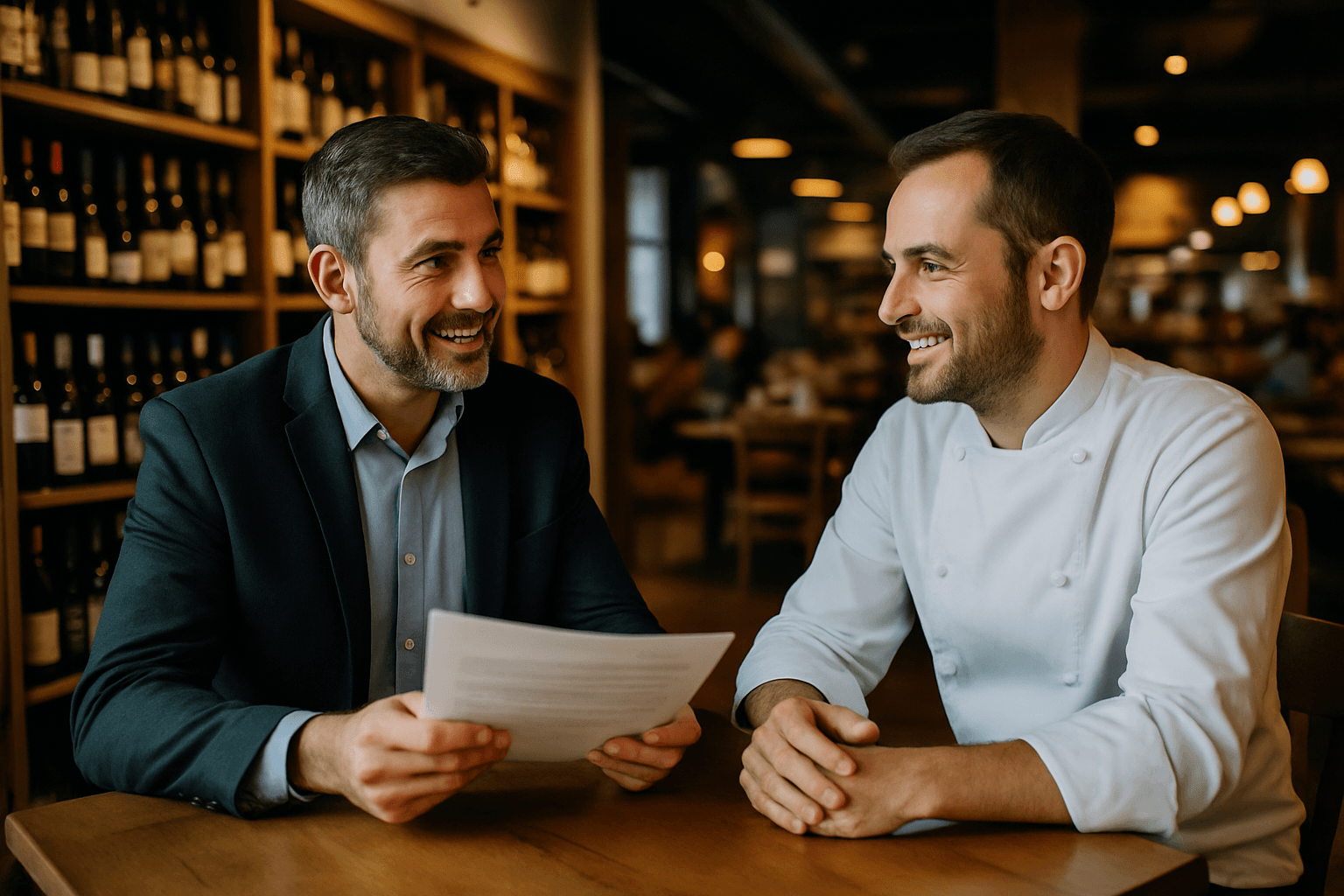
How Liquor Stores Can Build Restaurant Partnership Networks for Zero-Cost Local Growth
By Intentionally Creative12 min read
Listen to this article16:27
Schedule a free strategy call and Intentionally Creative will build a custom plan for you.
Schedule Your Free Strategy CallFree audit. No commitment.
Get a Free Audit. No commitment.
Discover zero-cost strategies for building liquor store restaurant partnership networks. Learn how to create mutually beneficial local partnerships that drive foot traffic.
Picture this: Many potential customers walk through the doors of restaurants and bars in your neighborhood every night. They order drinks, enjoy dinner, and head home—never knowing that a liquor store just blocks away stocks exactly what they're looking for. Meanwhile, you're spending hours crafting social media posts and debating ad budgets, while a simpler path to growth sits untapped.
Most liquor stores pour their marketing energy into digital ads and social media campaigns. But there's a more direct route hiding in plain sight—right in your own neighborhood. A well-crafted liquor store restaurant partnership can put your store in front of qualified, purchase-ready customers without spending a single dollar on advertising. The ingredients are already there: restaurants need your inventory expertise and hard-to-find products, and you need access to their built-in nightly traffic.
The best part? You don't need a big marketing budget to start. You just need to know what restaurants actually need and how to start the conversation.
Discover the 7 essential marketing budget benchmarks for liquor stores. Learn how top performers allocate spend for m...
Most liquor stores focus their liquor store marketing strategies on digital ads and social media. But there's a simpler approach sitting right in your neighborhood: the liquor store restaurant partnership.
Restaurants and bars need your products. They need special orders, hard-to-find spirits, and event supplies. Meanwhile, they have crowds of potential customers walking through their doors every single night. A restaurant referral program lets you tap into that existing traffic without spending a dime on advertising.
Discover the 10 most costly alcohol marketing compliance mistakes liquor stores make and actionable strategies to mai...
The legal landscape is shifting too. New York recently passed legislation allowing bars and restaurants to purchase up to six bottles total per week from retail liquor stores, which opens the door for natural collaboration between on-premises and off-premises retailers.
According to Signs and Mirrors, local partnerships rank among the smartest advertising moves for liquor stores. Success stories like The Good Pour, a luxury liquor store chain, demonstrate what's possible when you build strong relationships with restaurant groups.
Discover 7 proven distribution strategies for liquor stores facing supply chain changes. Boost your liquor delivery m...
Here's the thing about local business partnerships for liquor stores: they're low-effort but high-leverage. A single restaurant partner can put your store in front of a steady stream of potential new customers. And those relationships compound over time as satisfied diners become regulars who tell their friends.
You don't need a big budget to start. You just need to reach out.
Now that you see the opportunity, let's get specific about what makes restaurants tick. Understanding their actual pain points transforms your outreach from generic sales pitches into genuine solutions.
Restaurants operate under unique regulatory constraints that limit their purchasing flexibility. In New York, for example, the State Liquor Authority recently changed regulations to allow bars and restaurants to purchase up to six bottles total per week from retail liquor stores. For restaurants outside major distribution networks, sourcing specialty spirits and rare wines often becomes an operational headache.
A liquor store restaurant partnership built on your inventory depth can solve real problems. Restaurants often struggle with bulk purchasing limitations and gaps in specialty products that a well-stocked retail partner can address directly.
Signs and Mirrors identifies local partnerships as one of the most effective liquor store marketing strategies for driving foot traffic and sales. For restaurants, those partnerships translate to something specific: flexibility, access to products they can't get elsewhere, and suppliers who understand their operational rhythm.
Understanding restaurant pain points is essential when approaching outreach. A successful liquor store restaurant partnership delivers mutual value—restaurants solve sourcing challenges while your store gains consistent referral volume and a stronger position within the local hospitality community.
The theory sounds good, but what does this actually look like in practice? Let's examine stores that are building these partnerships and learn from their approaches.
Ready to start building your network? Here's how to make first contact without coming across as just another vendor.
Before making first contact, do your homework. Identify restaurants whose wine and spirit selections naturally complement your inventory focus areas. If you specialize in small-batch whiskeys, look for steakhouses and BBQ joints. Natural wine shop? Seek out farm-to-table bistros. This alignment makes your pitch relevant immediately.
Review their current menus and pricing tiers. Note any gaps where your selection could fill a need—especially for lesser-known producers their guests might love. The goal is to show up informed, not generic.
When you reach out, lead with what you can offer them, not what you want from the relationship. Restaurants hear plenty of sales pitches. Frame yourself as a resource.
Propose specific, simple collaboration ideas rather than vague partnership concepts. According to Signs and Mirrors, local partnerships rank among the smartest liquor store marketing strategies because they create mutual value. You might suggest cross-promoting a wine pairing dinner, featuring their cocktails with products from your shelves, or establishing a referral system where you recommend their space to customers planning events.
New legislation in New York now allows bars and restaurants to purchase up to six bottles per week from retail liquor stores, opening doors for direct restocking collaborations. Mentioning practical opportunities like this shows you've thought through their needs.
With the right approach and clear understanding of what works, you're ready to explore the specific formats you can implement starting today.
Building a liquor store restaurant partnership doesn't require a big budget—it requires the right approach. Here are three models that independent retailers are using to drive real results.
A restaurant referral program turns servers and bartenders into your frontline marketers. When your staff builds relationships with restaurant workers and offers a simple incentive—think a thank-you card, a discount on their next purchase, or entry into a monthly drawing—they're motivated to mention your store when guests ask where to grab a bottle for home.
This works especially well for off-premises purchases. With new legislation like New York's law allowing bars and restaurants to purchase up to six bottles per week from retail liquor stores, restaurant staff are already thinking about where to send customers. Make sure they're sending them to you. A well-structured restaurant referral program creates consistent walk-in traffic without paid advertising.
Social media makes cross-promotion almost free. Share cocktail recipes that feature products you carry, then tag the restaurant that inspired the drink. Highlight a chef's wine pairing suggestion on your Instagram story. Shout out a new menu item from your neighbor down the street.
The goal is audience overlap. When a local restaurant shares your post or mentions your store, you're reaching their followers—people who already enjoy dining out and are likely to also enjoy drinking well at home. Signs and Mirrors lists local partnerships as one of the most effective liquor store advertising strategies because the reach comes from your partner's existing customer base, not your own.
10+ years helping liquor retailers and beverage brands grow through data-driven digital marketing. Learn more
The Good Pour demonstrates what's possible when a liquor store commits to strategic collaboration. This luxury liquor store chain has developed genuine restaurant partnerships that benefit both sides—restaurants get access to curated selections and expertise, while the store reaches customers already in a purchasing mindset. The model works because it's not transactional; it's about creating complementary experiences that make both businesses more valuable to shared customers.
You don't need to be a luxury chain to make this work. The same principles behind a liquor store restaurant partnership apply whether you're running a single neighborhood shop or a multi-location operation.
Start small. Many successful partnerships begin with something as simple as a restaurant referral program—your servers recommend your store to customers finishing their evening, and you create a simple tracking system to measure results. New legislation in New York now even allows bars and restaurants to purchase directly from retail stores, opening formal collaboration channels that weren't available before.
Signs and Mirrors identifies local partnerships as one of the smartest advertising strategies for liquor stores because the return on investment is inherently favorable—you're reaching qualified customers through trusted recommendations rather than paid ads.
Pick one partnership format that fits your current capacity. Master that approach, measure the outcomes, then expand into additional collaboration formats. The stores making this work didn't try to build comprehensive networks overnight.
Intentionally Creative specializes in digital marketing strategies that drive real results. Let us show you what's possible.
Schedule a CallDeveloping partnerships with local restaurants and bars to increase visibility works best when you lead with value. Once they see what you bring to the table, the conversation about a restaurant referral program or deeper local business partnerships flows naturally.
Joint events create shared audiences and generate content. A tasting night featuring a local distillery or winemaker benefits both the producer and both of you—you bring the retail expertise and customer list, the restaurant brings the atmosphere and food pairings.
Seasonal activations work particularly well for creating predictable touchpoints. A summer sangria-making class, a winter whiskey tasting, or a spring wine-and-cheese evening gives both businesses something to promote together on a regular schedule. These events produce social media content, email newsletter material, and most importantly, memorable experiences that keep customers coming back.
The most successful liquor store restaurant partnerships start small, deliver value to both sides, and build from there.
You've launched your first partnership—now what? The real work is keeping these relationships alive and mutually valuable over the long haul.
Building a liquor store restaurant partnership is one thing—keeping it alive and mutually beneficial is where most independent operators fall short. The good news? It doesn't require complex systems or hours of administrative work.
Set up simple check-in schedules to keep partnerships active and prevent them from fading. A monthly text, quarterly coffee meetup, or even a quick phone call during slower periods works well. The goal is to stay top-of-mind without overextending yourself. Many successful operators treat these check-ins like any other business appointment—scheduled and non-negotiable.
Track referral source asks without needing complicated systems—a simple question during checkout suffices. "How did you hear about us?" takes seconds but builds your restaurant referral program data over time. No spreadsheets required. Just note the response and watch patterns emerge after a few months.
Community engagement compounds when partnerships are consistent and reciprocal. A local restaurant that sends you customers one week might need your expertise on wine pairing the next. These relationships, built through local business partnerships for liquor stores, create a network effect that grows stronger every season you nurture it.
The most successful liquor store marketing strategies aren't the flashiest—they're the most reliable.
Here's your roadmap to start building your liquor store restaurant partnership network this week—without spending a dime on advertising.
Start by identifying three restaurants whose style and clientele match your inventory focus. A well-stocked wine shop should look for farm-to-table spots, while a store specializing in craft spirits has natural alignment with gastropubs. Think about the dining experience your potential partners create and whether your shelves support it. Signs and Mirrors recommends building local partnerships as a core liquor store advertising strategy because these connections drive organic, repeat business without ad spend.
Reach out to one restaurant with a specific proposal tailored to what they actually need. Maybe their weekend menu lacks a sommelier-recommended pairing, or they want a curated shelf for off-premise customers. A successful liquor store restaurant partnership demonstrates that tailoring your offer to their pain points beats generic cold outreach every time.
Formalize one active partnership and implement a simple restaurant referral program. Set clear terms: how you'll track cross-purchases, whether you'll offer staff discounts, and how you'll communicate. Then build a second track—direct your new restaurant partner to send customers your way for off-premise needs. Local business partnerships for liquor stores increase visibility for both sides. The key isn't landing a dozen deals at once. Prioritize relationship building over quick transactions, and your local business partnerships will compound into steady, zero-cost growth.
Building a liquor store restaurant partnership isn't just a nice idea—it's one of the most reliable growth strategies available to independent retailers. Every restaurant in your neighborhood already has the customers you want walking through their doors. They already trust recommendations from the servers and bartenders they employ. And many of them are actively looking for exactly what you can offer: inventory expertise, hard-to-find products, and a supplier who understands the hospitality business.
The path forward is straightforward. Start this week by identifying your three best-fit restaurant candidates. Reach out this month with a specific proposal that solves one of their problems. Formalize your first partnership this quarter and commit to nurturing it over time. Those relationships will compound—they'll refer customers to you, amplify your reach on social media, and create opportunities for events and collaborations you haven't even imagined yet.
The best marketing doesn't always require a budget. Sometimes it just requires a conversation and the willingness to show up as a resource for your neighbors. Your next partnership is probably a block away, waiting for you to make the first move.
Ready to start? Head to your nearest restaurant this week and introduce yourself. That one conversation could be the start of your most effective marketing channel yet.