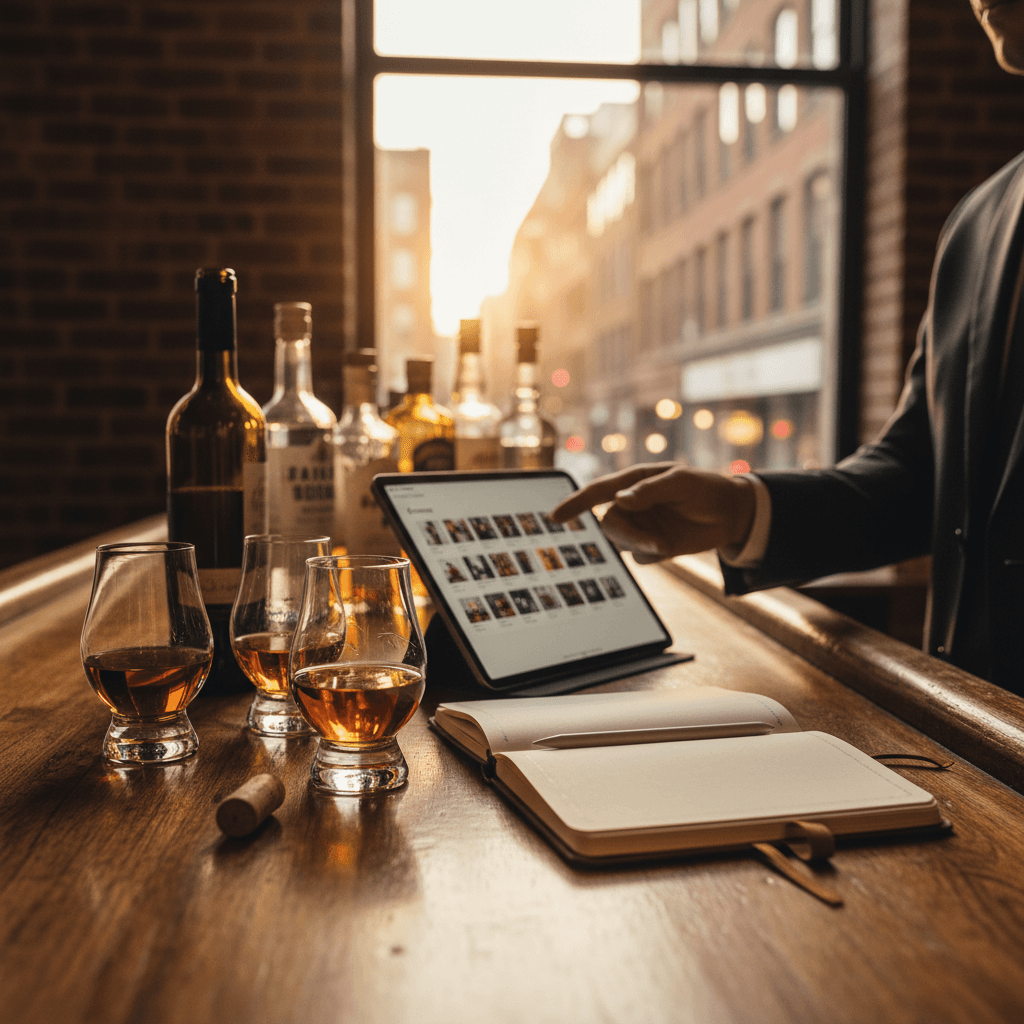
How Meta's Updated Alcohol Ad Policies Are Reshaping Digital Campaigns for Retailers
By Intentionally Creative11 min read
Listen to this article14:11
Schedule a free strategy call and Intentionally Creative will build a custom plan for you.
Schedule Your Free Strategy CallFree audit. No commitment.
Get a Free Audit. No commitment.
Meta alcohol ad policies are changing fast. Here's what liquor retailers need to know about the 2025 updates and how to keep your digital campaigns compliant.
If you own or operate a liquor store, your Facebook and Instagram strategy probably looked something like this a year ago: post a great bottle shot, write a sharp caption, maybe boost it for a few bucks, and watch the likes and foot traffic roll in. That playbook is broken now — and Meta alcohol ad policies are the reason why.
Meta has rolled out its most significant overhaul of alcohol advertising rules in years, touching everything from age verification to AI-generated content. At the same time, the platform has started throttling how often alcohol-related business pages get recommended to new audiences. The result? A one-two punch that's already reshaping how liquor retailers show up online — and how much it costs to stay visible.
This isn't a sky-is-falling post. It's a practical, section-by-section breakdown of what changed, what it means for your store, and exactly what to do about it. Whether you're running paid campaigns, promoting weekend tastings, or just trying to keep your organic reach from flatlining, the information here will help you stay compliant, competitive, and in front of the customers who actually buy from you.
If you run a liquor store's Facebook or Instagram page, you've probably noticed something off lately. Fewer likes. Less engagement. Posts that used to pull decent numbers now feel like they're shouting into a void.
You're not imagining it.
Meta has announced that alcohol-related business pages will no longer be recommended by the platform's algorithms. Your page won't show up in "Suggested for You" feeds, Explore surfaces, or recommendation modules. People who already follow you can still see your posts (in theory), but new customer discovery through organic content? That pipeline is closing fast.
Discover 7 proven Instagram content ideas for liquor stores that boost engagement and drive sales. Learn how to promo...
This is part of a broader overhaul spanning five compliance areas:
We'll break each of these down in detail below.
Here's the thing: Diageo and Constellation have eight-figure ad budgets. They'll adapt. They'll spend more on paid placements and move on.
Independent retailers? Most rely on Facebook and Instagram as a primary — sometimes the primary — marketing channel. When Meta's algorithm stops doing the heavy lifting on discovery, that free reach you've been counting on disappears.
This isn't a minor policy tweak. It's a structural shift in how liquor retail digital marketing works, and it demands a real response.
Avoid TTB violations and Google Ads suspension with this guide to alcohol advertising rules for liquor stores. Expert...
Meta's policy updates didn't arrive as one sweeping change — they landed across five specific areas that touch nearly every part of your digital campaign. Understanding each one is the difference between ads that run smoothly and ads that get pulled (or worse, get your account flagged).
Here's the plain-English breakdown so you can self-audit your campaigns today.
This one's non-negotiable. US alcohol advertisers must set audience targeting to 21+ on every campaign, every time. Not 18+. Not "mostly adults."
Go into your ad sets right now and verify your age targeting. Meta has tightened enforcement here, and there are no workarounds — custom audiences, lookalikes, and broad targeting all need to respect the 21+ floor. One misconfigured campaign can trigger a review of your entire ad account.
Working with a local beer blogger or a mixologist with a decent Instagram following? Any influencer promoting alcohol content must meet minimum age thresholds set by the platform. This adds a real vetting step for retailers who collaborate with local creators. Before you hand someone a bottle and a ring light, confirm their age and document it. This is your responsibility, not theirs.
10 proven liquor store social media content ideas to connect with customers, boost brand visibility, and drive both i...
Your ads must respect location-based alcohol laws — and if you operate in states with complex local-option regulations (looking at you, Texas and Kentucky), this matters enormously. You can't just blanket a state with promotions if certain counties or municipalities prohibit alcohol sales. Audit your geographic targeting against local regulations, especially if you serve customers across multiple jurisdictions.
Using AI tools to generate ad creative — images, copy, video? You're now required to disclose it. If AI made it, label it. This applies to everything from AI-generated product photography to copy written by ChatGPT. The fix is simple — just toggle the disclosure when uploading creative — but skipping it puts your ads at risk.
Every alcohol ad you run now lives in Meta's Ad Library with clear identification as alcohol content. Competitors, regulators, and consumers can see what you're running. For liquor retailers, that's actually an advantage — it keeps the playing field visible and rewards stores that run clean, compliant campaigns.
Bottom line: None of these areas require a law degree to manage. They require attention, a quarterly self-audit, and the discipline to check every campaign before it goes live.
Now, here's where things get tricky — because these rules don't just apply to the obvious product ads.
Here's where a lot of retailers get caught off guard. You already know Meta alcohol ad policies apply to your product promotions. But the reach of these rules goes well beyond a boosted post featuring your latest bourbon drop.
Meta doesn't just flag ads that sell alcohol. Their definition covers any content where alcohol is depicted or referenced — including venues, events, and lifestyle imagery. That photo of your beautifully stocked shelves in the background of an "open house" announcement? Meta may classify it as an alcohol ad.
Once that happens, your content is subject to all five compliance areas: age-gating, influencer vetting, geofencing, AI labeling, and transparency.
Think about your typical content calendar. Weekend tastings. Holiday promotions. Store anniversary celebrations with bottles visible on every table. All of this content can trigger compliance flags.
Posts that used to fly under the radar now risk ad rejections — or worse, account restrictions.
The fix? Audit your content calendar now. Every post promoting an event needs to meet the same standards as a direct product ad. Treating event content as "casual" is no longer an option.
And while you're auditing what's coming up on your calendar, it's worth looking backward too.
Here's something most liquor store owners aren't thinking about: that backlog of Facebook and Instagram posts you've been building for years. Your archive of bottle shots, tasting events, and holiday promotions didn't disappear — and under Meta's tightened enforcement, some of it could become a liability.
You might be tempted to shift your budget elsewhere. But here's the reality check: this crackdown isn't happening in a vacuum.
Google's alcohol ad policies enforce country-specific restrictions — meaning the rules change depending on where your customers are and what you're selling. Google also requires advertisers to avoid targeting minors and restrict ads to approved geographic locations.
Sound familiar? It mirrors exactly where Meta is heading — age-gating, geofencing, the works. This is an industry-wide platform crackdown, not one company's overcorrection.
If you diversified into Google Ads thinking you'd escape the tightening grip on social media alcohol advertising, think again. You'll face similar — and sometimes more granular — restrictions there too.
The play isn't platform-hopping. It's building a compliance-first strategy that works everywhere the rules are headed.
Here's what the new landscape looks like in practical terms for your store.
The days of posting a bottle shot with a clever caption and reaching thousands of local customers are over. With algorithmic suppression now baked into how Meta treats alcohol pages, relying on organic reach alone is a losing strategy.
Paid, compliant ad campaigns are the path forward. And honestly, the 21+ targeting requirement isn't the obstacle most retailers think it is. Eliminating impressions on users who can't legally buy your products means less wasted spend and better performance metrics. You're paying to reach actual customers, not teenagers scrolling past your content.
Here's the reframe most retailers miss: these restrictions aren't a burden — they're a filter that makes your ad spend more efficient.
Retailers who nail compliance first will see fewer ad rejections, more consistent delivery, and lower cost-per-result. Meanwhile, competitors who ignore the rules get flagged, restricted, or shut down entirely. That's market share sitting on the table.
The retailers who build compliant systems now won't scramble later when the next round of restrictions drops.
Get ahead of it. Your future self (and your ad budget) will thank you.
Getting your alcohol advertising right isn't optional anymore — it's operational. Missing even one compliance area can get your ads rejected, your delivery throttled, or your entire account restricted. That's lost revenue, effective immediately.
10+ years helping liquor retailers and beverage brands grow through data-driven digital marketing. Learn more
While these changes primarily target paid campaigns, the line between organic and promoted content gets blurry fast — especially if you've ever boosted a post.
Meta hasn't signaled retroactive enforcement on purely organic posts. But here's the catch: the moment you boost or promote legacy content that doesn't meet current standards, it can get flagged, rejected, or trigger account-level restrictions that affect your entire advertising capability.
With 21+ audience targeting now required, any older promoted content without proper age-gating is a risk. Start by reviewing every post you've ever put ad spend behind.
Think in three buckets:
This audit isn't glamorous work, but it's essential digital marketing hygiene. Block out two hours, pull up your content library, and work through it systematically. It's cheaper than rebuilding a restricted ad account.
If all of this has you thinking about shifting your budget to Google, hold that thought — because the grass isn't greener over there either.
Intentionally Creative specializes in digital marketing strategies that drive real results. Let us show you what's possible.
Schedule a CallHere's what to do about it.
One more thing: Schedule a quarterly compliance review. Meta alcohol ad policies are still evolving, and Google's own rules add another layer. Staying current is part of the job now.
Meta alcohol ad policies aren't a passing trend — they're the new baseline. With stricter requirements across age verification, influencer vetting, geofencing, AI labeling, and transparency — plus algorithm recommendation restrictions already rolling out — the rules are only tightening.
Independent liquor retailers who adapt now will hold their competitive edge while non-compliant competitors watch their reach evaporate and their budgets burn.
The retailers tracking these shifts across platforms are the ones who'll thrive long-term.
If navigating these restrictions feels overwhelming, you don't have to figure it out alone.
The rules have changed. Your strategy should too. Get in touch with Intentionally Creative to build a compliant digital marketing strategy that keeps your store visible, your ads running, and your customers coming through the door.