Climate Change Is Reshaping Wine Regions: What Shifting Vintages and New Appellations Mean for Your Store's Sourcing Strategy
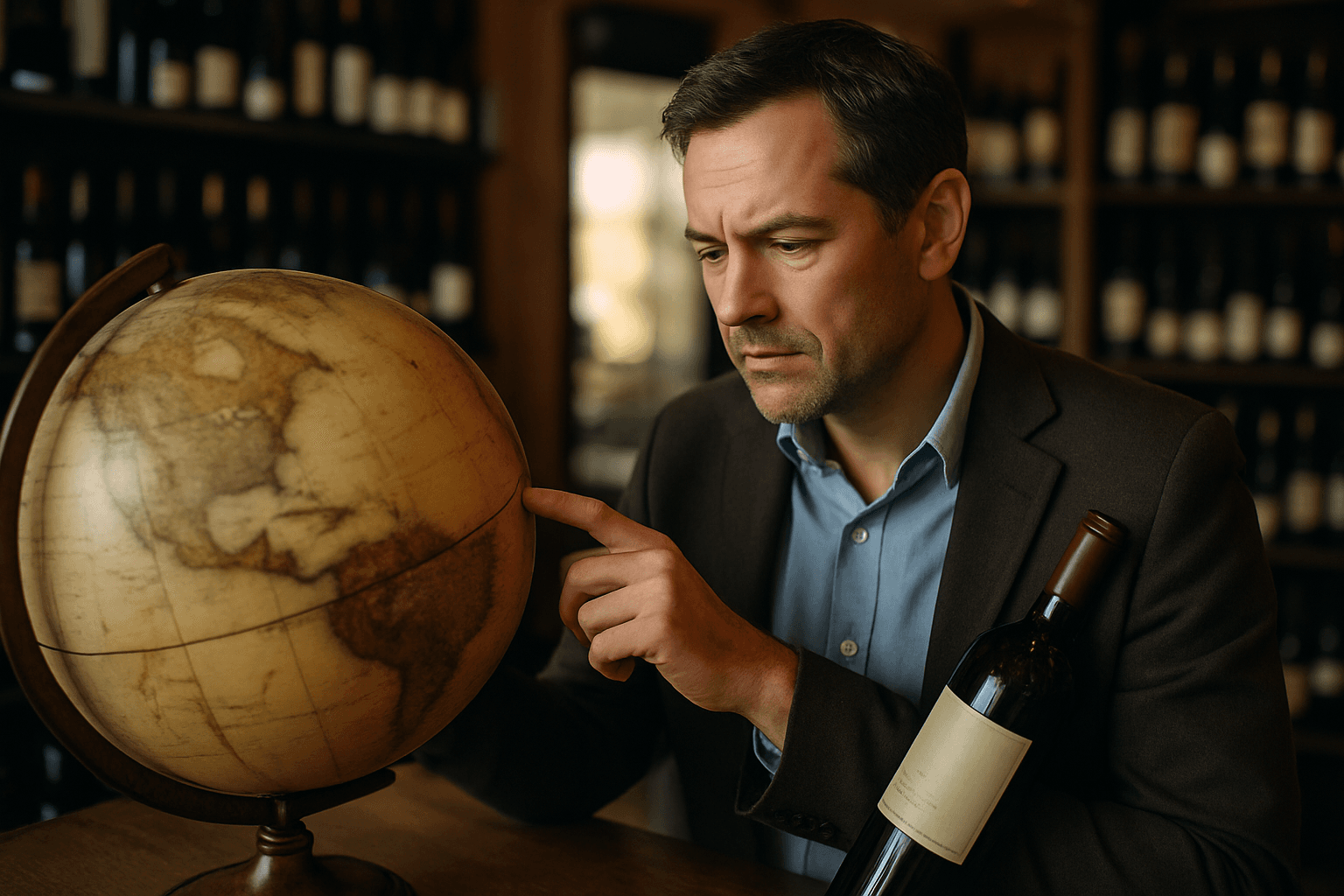
Climate change wine regions sourcing is shifting fast. Learn how emerging appellations and vintage disruptions impact your liquor store's buying strategy.
- What's Actually Happening to Traditional Wine Regions
- The New Wine Regions Retailers Need to Know in 2025
- Big Producers Are Already Making Their Move — Here's the Proof
- How to Adjust Your Wine Sourcing Strategy Now
- The Customer Angle: Why Shoppers Are Already Looking for These Wines
The wine world runs on geography. Bordeaux, Napa, Barossa — these names aren't just labels, they're promises. Your customers reach for them because they know what to expect. But what happens when the climate that built those promises starts breaking them?
Climate change wine regions sourcing is no longer a topic for industry conferences and sustainability panels. It's a buying decision you're making — or avoiding — every time you place a purchase order. Harvests are accelerating, flavor profiles are drifting, and entire appellations that defined "quality wine" for generations are facing existential pressure. Meanwhile, regions that would have drawn blank stares five years ago are producing bottles that win competitions and move off shelves.
This piece is your field guide to what's shifting, where the smart money is flowing, and how to adjust your sourcing strategy without blowing up what's already working. No panic. Just the data and the practical moves that separate retailers who adapt from those who get caught flat-footed.
What's Actually Happening to Traditional Wine Regions
Let's skip the doomsday framing and talk about what's actually on the ground — and in the glass.
Here's the number worth sitting with: 70% of current winemaking regions could become unsuitable for wine grapes if global warming exceeds 2°C above preindustrial levels [VERIFY: likely from Morales-Castilla et al., 2024 — confirm source and exact threshold]. That's not a fringe study. That's the trajectory we're on.
Discover how Provence transformed into a lifestyle brand. Learn provençal wine marketing tactics to boost regional Fr...
And wine doesn't exist in a vacuum. Viticulture is water-intensive, land-dependent, and extraordinarily sensitive to temperature swings — woven tightly into a broader agricultural system under the same pressures.
Accelerated Harvests and Flavor Profile Shifts
Warmer temperatures mean grapes ripen faster. That sounds harmless until you understand what it does to wine quality. Sugar accumulates before the grape's tannins, acids, and aromatic compounds have time to develop fully. The result? Unbalanced wines — higher alcohol, lower acidity, and flavor profiles that drift from what made those regions famous in the first place.
This is shifting vintages season by season, not decade by decade.
Why Your Bordeaux and Burgundy Allocations May Look Different Soon
Take Bordeaux — a region every retailer knows and most carry. Heat stress is producing wines that are riper, heavier, and less structured than the elegant profiles customers have loved for generations. That 13.5% ABV your customer expects? It's creeping toward 14.5% or higher in warm vintages.
Independent stores can capture Syrah's momentum with smart displays, staff storytelling, and Old World/New World tast...
For your sourcing strategy, this matters in a concrete way: if a loyal customer reorders their go-to Southern Rhône or Left Bank Bordeaux and the wine tastes different, that's a customer satisfaction problem sitting on your shelf.
The bottles look the same. The wine inside them doesn't. And that gap between expectation and reality is where your sourcing strategy either adapts or loses sales.
The New Wine Regions Retailers Need to Know in 2025
So if the old guard is under pressure, where should you be looking? The answer is already taking shape — and some of these regions are closer than you think.
Cool-Climate Regions on the Rise
Oregon and Washington State are the clearest signals for US retailers. Jackson Family Wines doubled its Big Salt production after acquiring Oregon vineyard operations — a move that tells you everything about where major producers see the future. When a company that size migrates investment toward cooler climates, it's not a gamble. It's a forecast.
Discover how Uruguay's emerging wine export strategy can help independent liquor stores market lesser-known wine regi...
Tasmania in Australia is following the same trajectory, producing Pinot Noirs and Chardonnays that are winning international competitions while traditional Australian regions battle heat stress and wildfire smoke taint.
These aren't novelty bottles anymore. They're producing serious wine — the kind customers walk in asking for by name.
8 Emerging Appellations Worth Watching
Liquor.com identified 8 specific wine regions emerging as climate-driven opportunities [VERIFY: confirm this specific Liquor.com article exists], spanning Northern and Eastern Europe, parts of North America, Asia, and — yes — even Denmark [VERIFY: Denmark specifically included]. New appellations in 2025 include regions that would have been punchlines a decade ago but are now earning critical acclaim.
For your sourcing strategy, these regions represent diversification, not replacement. Traditional Bordeaux and Napa aren't disappearing tomorrow. But smart liquor store operators are already stocking bottles from emerging appellations alongside the classics — and using the climate story as a conversation starter that moves product.
The retailers who educate their customers on why the map is shifting will build trust and move inventory that competitors don't even know exists yet.
Big Producers Are Already Making Their Move — Here's the Proof
When you want to know where an industry is heading, follow the money. The companies with the biggest research budgets and longest planning horizons are already repositioning their production geography — and that's a leading indicator independent retailers can't afford to ignore.
What Jackson Family's Oregon Bet Tells Us
Jackson Family's move into Oregon wasn't tentative — it was decisive. Doubling production on a specific label after acquiring cooler-climate vineyard land is the kind of capital allocation that reflects long-term climate modeling, not trend-chasing.
Meanwhile, across the Atlantic, major Champagne houses are investing heavily in sustainable production methods as climate risks threaten one of wine's most prestigious — and profitable — categories. When premium producers start hedging, pricing shifts and allocation changes aren't far behind.
What Major Producer Migration Signals for Independent Retailers
Here's why this matters for you: when big money flows into a region, distribution networks follow. Quality standards rise. Consumer awareness grows. Those eight emerging appellations we mentioned? They'll be on your customers' radar soon — if they aren't already.
For independent liquor stores, this creates a genuine buying opportunity. You can stock wines from new appellations before they hit peak demand, positioning your store as the discovery destination in your market. The big producers already made their bet. The question is whether you'll follow the signal or wait until everyone else does.
How to Adjust Your Wine Sourcing Strategy Now
All of this raises the obvious question: what do you actually do with this information? The good news is you don't need to reinvent your store. You need a few targeted adjustments.
This isn't about ditching your best-selling Napa Cab. That bottle moves for a reason. This is about building a smarter, more resilient approach — one that hedges against supply disruption and taps into where consumer curiosity is already heading.
Diversify Your Regional Mix
Pull up your inventory and do a quick regional audit. If more than 60–70% of your wine selection comes from traditional warm-climate regions — Napa, Bordeaux, Barossa Valley — you've got concentration risk. The data on threatened wine regions makes this more than theoretical.
Pay closer attention to vintage variation than you ever have before. A 2023 and a 2025 from the same producer in a heat-affected region may taste dramatically different. That matters when you're making reorder decisions and setting customer expectations.
Build Relationships with Emerging-Region Distributors
Start conversations with distributors who specialize in Oregon, Washington State, cool-climate European wines, and Southern Hemisphere producers. Ask specifically about new appellations and up-and-coming winemakers.
Also worth asking distributors about: sustainability certifications and climate-adaptive viticulture practices. Producers investing in resilient farming are more likely to deliver consistent quality long-term — which means fewer headaches for you on reorders.
Use Shelf Education to Drive Sales
Create a small "Emerging Regions" or "New World Classics" end cap. Keep signage dead simple — one sentence that tells the climate story and lets the wine sell itself. Something like: "Climate shifts are producing exceptional wines in unexpected places. Here's what's new."
Customers are increasingly curious about new appellations and shifting vintages. You don't need a lecture — just a nudge. The bottle does the rest.
The stores that diversify now won't just survive supply chain surprises. They'll be the ones customers trust to show them something worth trying.
Let our team show you what's possible.
our team specializes in digital marketing strategies that drive real results. Let us show you what's possible.
Schedule a CallThe Customer Angle: Why Shoppers Are Already Looking for These Wines
Here's the part that ties everything together: your customers aren't waiting for you to figure this out. Many of them are already there.
Sustainability as a Purchase Driver
Millennial and Gen Z wine buyers don't just tolerate sustainability stories — they seek them out. Younger consumers are connecting dots between what they drink and the planet they're inheriting. When you stock wines from producers adapting to climate realities — whether that's a Danish winery planting cold-hardy varietals or a Tasmanian producer thriving in newly viable terroir — you're answering a question these shoppers are already asking.
The Adventure-Seeking Wine Buyer
Searches for wine industry trends are climbing. Your customers are reading the same headlines about emerging regions and wondering if their local shop is keeping up. A climate-aware wine sourcing strategy gives you something the chain down the street doesn't have: a story worth telling.
That Danish rosé on your endcap becomes social media content, an email newsletter hook, and a tasting event theme — all from one smart sourcing decision. Tell the brief, honest story of why it's on your shelf, and you convert curious browsers into buyers.
Bottom Line: Climate Change Is a Sourcing Variable You Can't Ignore
The global wine map is shifting. That's not speculation — it's visible in every vintage report, every new appellation announcement, and every major producer quietly buying land in cooler regions.
The trend accelerates. It doesn't reverse. For your climate change wine regions sourcing strategy, that's not a footnote — it's a long-term planning reality.
But here's the good news: retailers who adjust now get first-mover advantage. Better selection from emerging wine regions. More resilient supply chains. And a stronger story to tell curious customers who are already looking for something new.
Start this week. Add one or two bottles from emerging appellations to your next order. Build an end cap. Brief your floor staff on the story behind the bottles. Track how they sell over 60 days and let the data guide your next move — no need to overhaul your inventory overnight.
And if you need help telling the story of your evolving selection through digital marketing that actually drives foot traffic? That's exactly what we do at Intentionally Creative ↗.
10+ years helping liquor retailers and beverage brands grow through data-driven digital marketing. Learn more