Heck Family Reacquires Kenwood Vineyards: What Heritage-Brand Buybacks Signal About the Wine Market and Which Labels to Watch
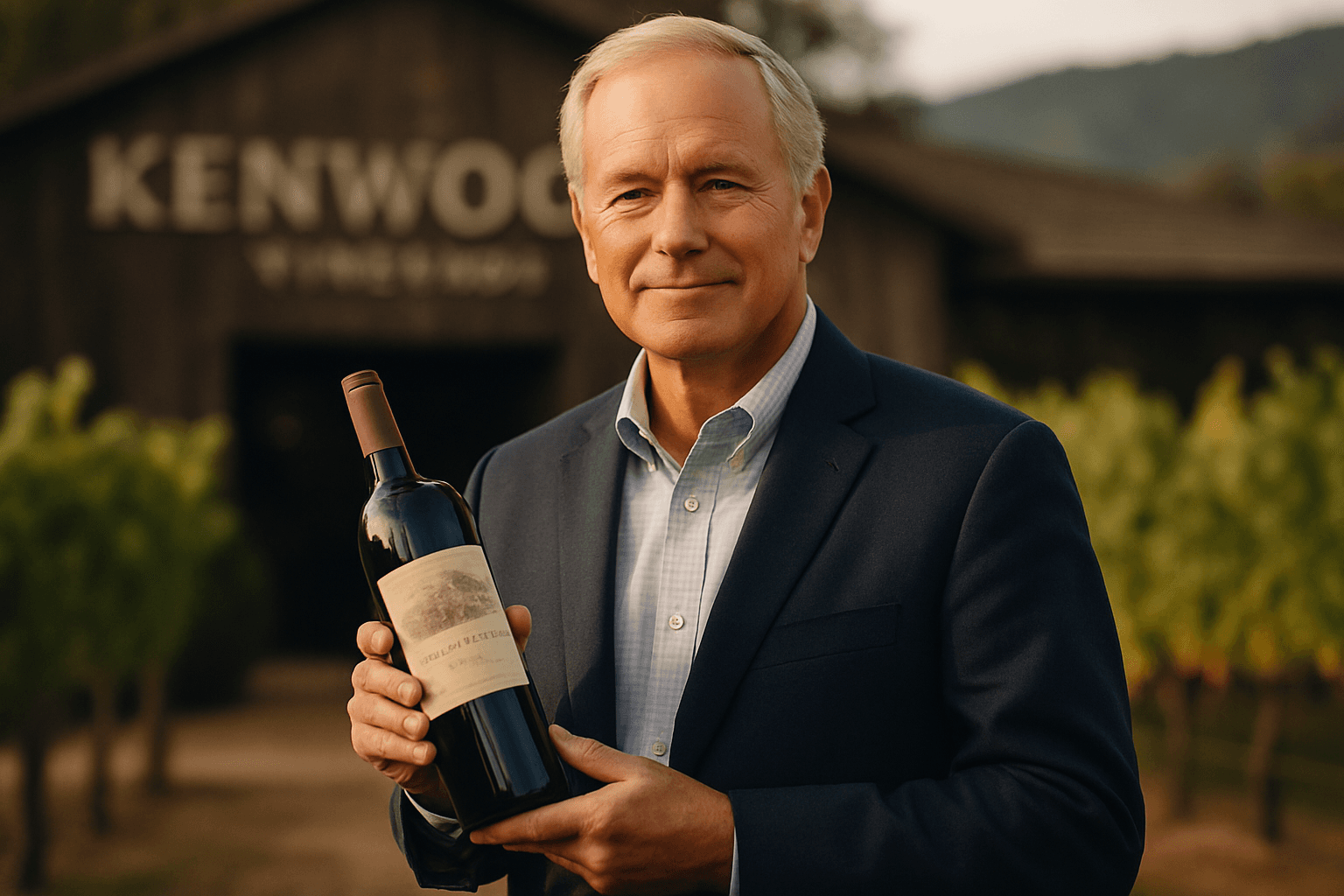
The Kenwood Vineyards Heck family buyback at $4M—down from $100M—reveals a major wine market shift. Here's what it means for your shelves.
- A $4 Million Deal That Tells a $100 Million Story
- What Went Wrong: How a Heritage Brand Lost 96% of Its Value Under Corporate Ownership
- The Bigger Trend: Heritage Wine Brand Acquisitions Are Accelerating
- What This Means for Your Shelves: Trends Retailers Should Act On Now
- Kenwood Vineyards: Labels Worth Watching Right Now
In wine, every transaction tells a story. But some transactions scream it. The Kenwood Vineyards Heck family buyback — a $4 million deal to reacquire a property that sold for roughly $100 million just twelve years ago — is one of the loudest signals the wine industry has sent in years. And if you run an independent liquor store, it's speaking directly to you.
This isn't a story about one family getting their winery back. It's about what happens when global conglomerates fail heritage brands, what consumers actually want in 2025, and where the smartest retail dollars should be flowing right now. The collapse in Kenwood's transaction value maps perfectly onto a broader shift: authenticity is winning, corporate polish is losing, and the retailers who move first will capture the margin.
We're going to break down exactly what happened, why it matters, and — most importantly — what you should do about it this week. Let's get into it.
A $4 Million Deal That Tells a $100 Million Story
Let that number sink in: $4 million.
That's what Gary Heck's Korbel & Bros. paid to reacquire Kenwood Vineyards from Pernod Ricard — a Sonoma Valley estate with decades of history. [VERIFY: Confirm acreage — 32 acres refers to estate footprint vs. vineyard sourcing.] The same property Pernod Ricard purchased for approximately $100 million back in May 2014.
Discover how Provence transformed into a lifestyle brand. Learn provençal wine marketing tactics to boost regional Fr...
That's not a discount. That's a 96% price collapse. And if you're running an independent liquor store, this story deserves more than a passing glance.
The Numbers Behind the Deal
Here's the timeline:
- Original ownership: [VERIFY: Kenwood Vineyards was founded by the Lee family in 1970. Confirm the Heck family's original connection and whether they operated Kenwood directly through Korbel & Bros. or acquired it at a later stage.]
- Subsequent sale: The property moved to Banfi Wines.
- 2014: Pernod Ricard acquired Kenwood for ~$100 million.
- 2025: [VERIFY: Confirm whether the deal closed in 2025 or 2026.] Gary Heck buys it back for roughly $4 million.
That's a full-circle, return-to-roots story — and a transaction that wiped out approximately 96% of the brand's perceived corporate value. The estate itself didn't shrink. The vines didn't disappear. What changed was how a global conglomerate valued a heritage brand it couldn't figure out how to scale.
Why This Price Drop Should Have Every Retailer's Attention
When major players dump heritage properties at pennies on the dollar, it means the big-brand consolidation playbook is breaking down. And when founding families scoop those brands back up? That's where the energy — and the margin — shifts toward independent retail.
Independent stores can capture Syrah's momentum with smart displays, staff storytelling, and Old World/New World tast...
Brands returning to their roots tend to refocus on quality, limited production, and authentic storytelling. Translation for your shelves: differentiated inventory your competitors at the chain store down the road won't carry.
Start paying attention to Kenwood now — before the relaunch narrative drives demand you didn't plan for.
So how did a $100 million brand become a $4 million property? The answer is a masterclass in what not to do with a beloved wine label — and a warning sign for every similar brand still sitting inside a corporate portfolio.
What Went Wrong: How a Heritage Brand Lost 96% of Its Value Under Corporate Ownership
The Conglomerate Playbook That Backfired
Here's a pattern that should look familiar if you've been watching heritage wine acquisitions over the past two decades: A large multinational spots a beloved boutique label with strong regional identity. They acquire it. Then the playbook kicks in. The brand gets folded into a portfolio of hundreds of labels. Marketing budgets get spread thin. The winemaking team changes. The local story that built the brand gets replaced by corporate messaging designed to work across global markets.
Discover how Uruguay's emerging wine export strategy can help independent liquor stores market lesser-known wine regi...
With Kenwood, the result was stark. The tasting room was shut down [VERIFY: Confirm whether the tasting room closure happened before or after the buyback, and who made that decision] — a clear signal that the property had been hollowed out and needs significant reinvestment before it can function as a destination brand again.
Brand-Value Erosion in Plain English
For liquor store owners watching wine market trends in 2025, here's the takeaway: consumers can feel when a label has lost its story. The brands on your shelf that read as "corporate" — vague origin narratives, inconsistent quality, packaging that looks designed by committee — those are the ones most vulnerable to exactly this kind of decline.
Your shoppers are increasingly choosing authenticity over familiarity. When a heritage brand loses its soul under corporate ownership, it doesn't just hurt the winery. It sits on your shelf longer, too.
Now here's where the story gets interesting for your business. Kenwood isn't an isolated case. It's the most dramatic example of a trend that's picking up speed across the entire wine industry.
The Bigger Trend: Heritage Wine Brand Acquisitions Are Accelerating
The Kenwood Vineyards Heck family buyback is part of a pattern that should have every liquor retailer paying attention.
When founding families can reacquire their brands at a fraction of the original sale price, it means these properties are now available at levels that make founder-led recoveries financially viable. And founders are moving fast.
Family Buybacks and Founder-Led Recoveries
The Heck family saw what many founding families are seeing right now — a brand they built still carries equity with consumers, even after years of corporate neglect. That gap between brand recognition and current valuation is creating a wave of heritage wine acquisitions across the industry.
[VERIFY: Confirm details on The Heritage Wine Company — launched by Miles Corish MW and Jim Ludwig — and their acquisition of Winchester Wines Group. Ensure entity names and principals are accurate.] Their model follows the same playbook: find brands that big companies let languish, acquire them at a discount, and reinvest in the authenticity that made them valuable in the first place.
New Players Betting Big on Authenticity
Here's where 2025 wine market trends get really interesting for retailers. It's not just founders buying back brands — the distribution layer is reorganizing around this movement too.
[VERIFY: Confirm Republic National Distributing Company's partnership with Heritage Wine Cellars — ensure this is the correct entity and not a conflation with Heritage Wine Company.] When both founders and distributors independently move toward the same category, that's not a trend — it's a market correction. Consumers want real stories behind real bottles, and the entire supply chain is restructuring to deliver them.
For retailers evaluating what to stock, this context matters. You're not riding a fad. You're positioning for where the market is headed.
Understanding the trend is one thing. Knowing what to do with it on your sales floor is another. Let's translate this market shift into concrete moves for your store.
What This Means for Your Shelves: Trends Retailers Should Act On Now
Heritage wine brand acquisitions like the Kenwood deal almost always precede a brand relaunch. Better juice, refreshed labels, and a founder story that practically sells itself. That's a trifecta for moving bottles in an independent store.
Think about the math: the Heck family bought back their winery at a massive discount, with every incentive to restore what made it special. When that restoration hits the bottle, you want it on your shelf.
The Authenticity Premium Is Real
You already know customers are asking for stories, not just specs. Shoppers will pay more for a label with genuine roots — especially when you can explain why it matters. Your staff can do that. Your shelf talkers can do that. A big-box store with 47 feet of wine wall and zero floor staff cannot.
That's your edge. Use it.
How to Spot the Next Heritage Comeback Brand
Here's a simple filter for identifying Kenwood-style opportunities — and the next brands like them:
- Once beloved — strong regional reputation, loyal following
- Conglomerate-acquired — sold to a major portfolio player
- Went quiet — reduced distribution, diluted identity
- Family or small-operator reacquisition — original owners (or similar) buy it back
Sonoma Valley wine labels in particular are worth watching. The region has several heritage properties sitting inside large portfolios that could follow the exact same trajectory. Build relationships with those distributors now, before the relaunch press hits and everyone scrambles for allocation.
With that framework in hand, let's get specific. Which bottles should you actually be looking at right now — and where else should you be placing your bets?
Let our team show you what's possible.
our team specializes in branding strategies that drive real results. Let us show you what's possible.
Schedule a CallKenwood Vineyards: Labels Worth Watching Right Now
Current Kenwood Bottles Still Worth Stocking
The tasting room is closed. Future plans are still taking shape. But that uncertainty is exactly why existing Kenwood inventory deserves your attention right now.
The Kenwood Vineyards Heck family buyback means current releases are likely available to you at rock-bottom wholesale. Buy them.
Here's the logic: if the Heck family successfully relaunches the brand — and family-led revivals tend to generate real consumer excitement — early adopters benefit from the buzz. You'll already have bottles on your shelves when customers come looking. Historically, heritage brand acquisitions lead to noticeable quality improvements within two to three vintages as returning ownership reinvests in vineyards and winemaking. Getting in early is the play.
Other Heritage Brands Poised for a Comeback
Kenwood isn't the only story here. The broader consumer shift toward authenticity over corporate polish means other California heritage labels with estate vineyards, real history, and a compelling narrative are worth watching too.
Think Sonoma Valley producers with multigenerational roots — brands that got swallowed by conglomerates and lost their identity. If Kenwood's second life proves the model works, expect more buybacks. Stock accordingly.
You see the opportunity. Now let's talk execution — the specific merchandising, pricing, and storytelling moves that turn this market insight into revenue.
The Retail Playbook: How to Profit from the Heritage-Brand Wave
Merchandising and Storytelling Tactics That Move Bottles
Create a "Heritage Comeback" endcap or dedicated shelf section featuring reclaimed labels like Kenwood alongside similar heritage acquisitions. Add shelf talkers that tell the story: A family sells their winery for ~$100 million, watches it languish under corporate ownership, then buys it back for $4 million. That's a narrative customers will repeat at dinner parties.
Train your staff on three talking points: the family history, why corporate ownership diluted the brand, and what's changing now. Takes ten minutes. Worth it.
Then host a "Brands Reclaimed" or "Family Roots" tasting event. It's a unique angle that gets people through your door — something Amazon and Total Wine literally cannot do.
Pricing Strategy for Comeback Labels
Heritage brands in transition often come at favorable wholesale costs. Resist the urge to pad margins excessively. Price accessibly to drive trial and build loyal customers before these labels land back in the spotlight. Healthy margin, high velocity — that's the play. You can implement all of this by Friday.
Bottom Line: The Wine Market Is Rewarding Authenticity — Position Your Store Accordingly
The Kenwood Vineyards Heck family buyback is a $4 million proof point that the wine industry is correcting hard away from corporate consolidation and back toward founder-led brands. That dramatic price drop tells you everything about where value actually lives in 2025: not in conglomerate portfolios, but in heritage brands with real roots.
Here's your move: audit your wine section for heritage brands in transition. Build distributor relationships aligned with this shift. Start telling these stories to customers — now.
Independent retailers, this is your edge. Big chains can't pivot this fast or sell authenticity this well. You can.
Want more market signals like this — translated into moves you can make this week? Subscribe to the Intentionally Creative newsletter and get actionable retail intelligence delivered straight to your inbox.
10+ years helping liquor retailers and beverage brands grow through data-driven digital marketing. Learn more