The 'American Wine' Labeling Debate Is Heating Up: Why Origin Transparency Fights Between Growers and Producers Matter to Your Wine Shelf
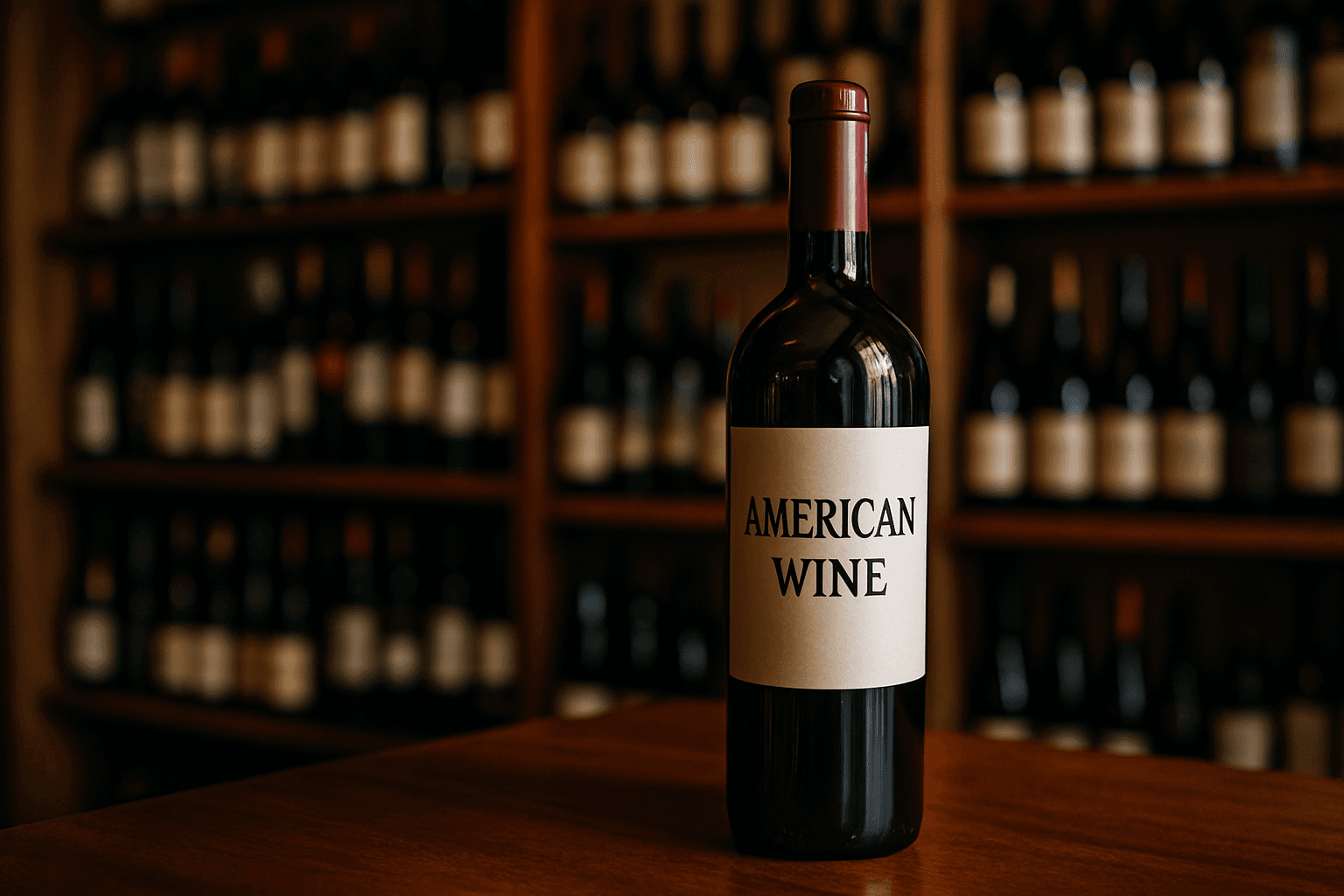
New legislation could change what 'American' wine means on your shelf. Here's what liquor retailers need to know about the labeling debate.
- Why the 'American' Wine Labeling Debate Should Matter to Your Store
- What the TTB Currently Requires on American Wine Labels
- The 'American' Labeling Loophole—And Why Growers Want It Closed
- The Proposed Legislation That Could Change Everything
- How This Labeling Debate Could Affect Your Wine Business
Introduction
Picture this: A customer picks up a bottle of wine labeled "American" at your store, assumes they're supporting domestic vineyards, and pays a premium for it. What they don't know is that under current rules, that bottle could contain wine made entirely from imported grapes. This isn't a hypothetical scenario—it's how American wine labeling actually works today, and it's creating a real dilemma for both consumers and producers.
The wine labeling rules governing what "American" means on a bottle are facing their biggest challenge in years. California winegrowers—backed by state legislators—are pushing to close a loophole that lets producers import bulk wine and still slap a domestic label on the bottle. If their proposed legislation passes, the rules governing American wine labeling could change dramatically, affecting everything from what's on your shelves to how customers perceive value.
Discover how Provence transformed into a lifestyle brand. Learn provençal wine marketing tactics to boost regional Fr...
For liquor store owners, this isn't just an abstract policy debate. It's a story that directly impacts how you curate inventory, communicate with customers, and position your store as a trusted wine resource. In this post, we'll break down what you need to know about the current rules, the proposed changes, and what they mean for your business.
Why the 'American' Wine Labeling Debate Should Matter to Your Store
Here's something worth knowing: under current rules, bottles labeled "American" wine don't technically have to contain only U.S.-grown grapes. By law, bottles of United States wine must be marked with a brand name, wine type, alcohol content, bottle volume, sulfite content, and the producer's name and address—but country of origin requirements have a loophole that lets producers import bulk wine and still slap an "American" label on the bottle.
Independent stores can capture Syrah's momentum with smart displays, staff storytelling, and Old World/New World tast...
For liquor store owners and wine buyers, this isn't just a grower debate. Customers are increasingly asking where their wine comes from—and origin transparency is becoming a curation and trust issue. How you communicate wine country of origin on your shelf could shape what sells and what sits. California winegrowers are pushing for stricter American wine labeling rules, and their fight is starting to gain real momentum.
What the TTB Currently Requires on American Wine Labels
The TTB (Alcohol and Tobacco Tax and Trade Bureau) governs wine labeling requirements in the U.S., and the basics are straightforward: wine must be properly labeled before it can be sold in the US marketplace. By law, bottles of United States wine must be marked with a brand name, wine type, alcohol content, bottle volume, sulfite content, and the producer's name and address. These elements are non-negotiable under current wine label regulations.
Discover how Uruguay's emerging wine export strategy can help independent liquor stores market lesser-known wine regi...
Here's where it gets interesting for your wine shelf: the wine country of origin designation isn't just a marketing choice—it's a compliance issue. If a bottle says "American" on the label, that's a claim that carries weight. But as we'll see, the current rules have a few surprises.
Using a grape variety name on an American wine label is not mandatory, but many wineries and bottlers choose to show this information anyway. This gap between mandatory and optional information is exactly where the current American wine labeling debate lives. What does "American" actually mean on your bottle? That's the question everyone is trying to answer.
The 'American' Labeling Loophole—And Why Growers Want It Closed
Here's something that might surprise you: that bottle of wine labeled "American" on your shelf could contain juice from halfway across the globe. Under current American wine labeling rules, a product doesn't need to be made exclusively from U.S.-grown grapes to carry the "American" designation. Producers can legally import bulk wine or foreign grape concentrate, blend it with domestic product, and still label the bottle as American.
Wine must be properly labeled before it can be sold in the US marketplace, according to the TTB. However, by law, bottles of United States wine must be marked with a brand name, wine type, alcohol content, bottle volume, sulfite content, and the producer's name and address—but country of origin for the grapes themselves isn't part of that mandatory disclosure. This creates a gray area where American consumers may be paying for wine they believe supports domestic growers, when that isn't always the case.
California winegrowers are pushing hard to close this gap. Assemblymembers Damon Connolly (D-San Rafael) and Rhodesia Ransom are sponsoring legislation—Assembly Bill 1585—that would require wine labeled "American" to be made from 100% domestically grown grapes. The reasoning is straightforward: market pressures from imported alternatives have created challenging conditions for domestic producers. For independent retailers, this debate directly affects what's on your shelves and what your customers are actually buying.
The Proposed Legislation That Could Change Everything
A new California Assembly bill, AB 1585, introduced on January 15, 2026, would fundamentally reshape American wine labeling standards. The legislation requires any wine labeled "American" to be made from 100% domestically grown grapes, closing a loophole that has allowed producers to import cheaper foreign juice while still slapping an "American" designation on the bottle. California Assemblymembers Damon Connolly (D-San Rafael) and Rhodesia Ransom are sponsoring the legislation to address this long-standing concern.
Under this proposal, wineries wishing to use "American" on their labels would need to verify their entire grape supply originates from U.S. vineyards. This isn't just a suggestion—it's a hard requirement tied to the state's consumer protection authority.
Under existing TTB wine labeling requirements, wine must be properly labeled before sale in the US marketplace. Federal law requires bottles to display the brand name, wine type, alcohol content, bottle volume, sulfite content, and the producer's name and address. However, using a grape variety name on an American wine label is not mandatory—and neither is disclosing the country of origin of the grapes themselves.
This means the federal government currently allows wines labeled "American" to include imported grapes without disclosing that fact to consumers. The California bill would impose stricter wine country of origin standards, becoming the first state-level requirement to mandate 100% domestic sourcing for that label designation.
Let our team show you what's possible.
our team specializes in digital marketing strategies that drive real results. Let us show you what's possible.
Schedule a CallHow This Labeling Debate Could Affect Your Wine Business
If AB 1585 becomes law, the ripple effects will hit your shelves quickly. The legislation would require wine labeled "American" to be made from 100% U.S.-grown grapes. Currently, that's not the case, which means some wines sitting on your shelves labeled as "American" may contain foreign juice.
By law, bottles of United States wine must be marked with a brand name, wine type, alcohol content, bottle volume, sulfite content, and the producer's name and address. Wine must be properly labeled before it can be sold in the US marketplace. If this legislation passes, expect supply chain shifts—wineries currently using imported grapes under an "American" label will need to reformulate, source differently, or relabel entirely. This could temporarily create inventory gaps and force price adjustments on some American wines if production costs increase.
Understanding TTB wine labeling requirements gives you a real advantage. When customers ask about origin, you'll be the store that can explain what they're actually buying. Many shoppers today want to know where their wine comes from—and being able to walk them through the nuances builds the kind of trust that keeps them coming back. Being the store that knows the difference? That's worth more than any shelf talker.
What to Watch For: Timeline and Industry Reactions
AB 1585 was introduced on January 15, 2026, and is advancing through the California Assembly. Assemblymembers Damon Connolly (D-San Rafael) and Rhodesia Ransom are sponsoring this legislation to close a labeling loophole. The bill requires wine labeled "American" to contain only U.S.-grown grapes, and you should track its progress through committee votes and floor debates.
Both grower and producer trade organizations are likely to weigh in with formal positions as the legislation moves forward. If AB 1585 passes, it could put pressure on federal TTB wine labeling requirements to align with stricter state-level standards—creating a potential patchwork that the wine industry will need to navigate. Consumer awareness of American wine labeling practices is likely to grow as media coverage continues, which means your shoppers may start asking more questions about wine country of origin at your shelf.
The Bottom Line for Your Wine Shelf
Wine must be properly labeled before it can be sold in the US marketplace. AB 1585 would require wine labeled "American" to be made from 100% U.S.-grown grapes, closing a loophole currently being addressed by California Assemblymembers Damon Connolly and Rhodesia Ransom. Keep tabs on these TTB wine labeling requirements as they evolve—your inventory decisions and customer communications depend on it.
Wine country of origin is becoming a genuine selling point. Train your staff to clearly explain the difference between "American" wine and imported options when customers ask. Lean into this origin transparency when curating your selection and staff education—it positions your store as the go-to resource for informed wine buyers.
Whether AB 1585 passes or stalls in committee, the American wine labeling conversation isn't going away. Customers are paying more attention to where their wine comes from, and that awareness will only continue to grow. Stay informed, know your TTB wine labeling requirements, and be ready to have honest conversations with your shoppers about wine country of origin. Your expertise is your competitive edge—and in this case, it also happens to be exactly what your customers need.
10+ years helping liquor retailers and beverage brands grow through data-driven digital marketing. Learn more