The Slow Wine Movement Hits the U.S.: How Sustainability Storytelling Can Differentiate Your Wine Department
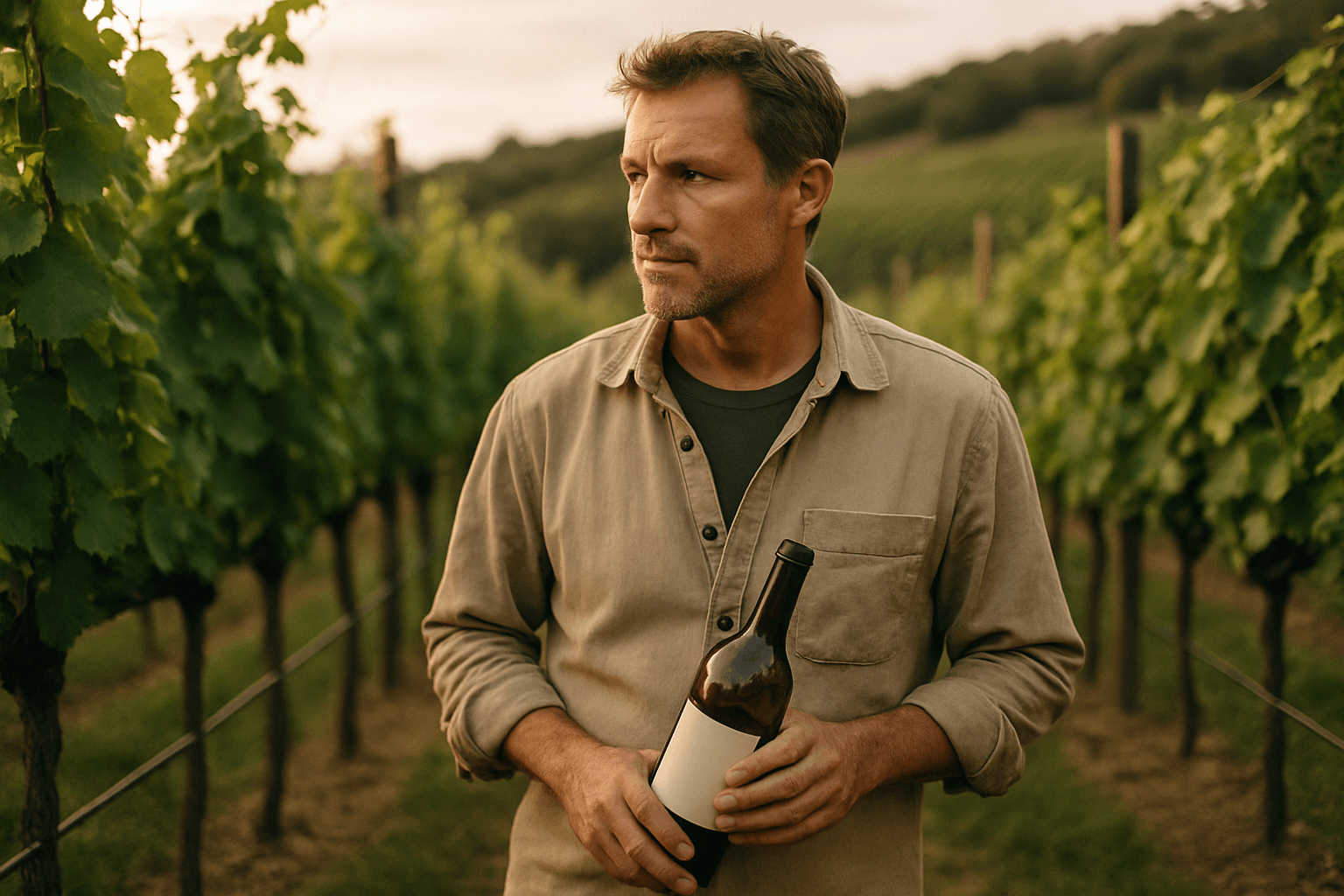
The slow wine movement sustainability trend is reshaping U.S. retail. Learn how to use authentic storytelling to differentiate your wine department and drive sales.
- What Is the Slow Wine Movement — and Why Should Liquor Retailers Care Right Now?
- Why Sustainability Storytelling Sells (and Why 'Green' Labels Alone Don't)
- How to Build a Slow Wine Section That Actually Moves Product
- Train Your Team to Tell the Story (Without Sounding Like a Textbook)
- Marketing Your Sustainable Wine Department: Practical Tactics for Busy Retailers
Your customers are already changing how they shop for wine. They're reading back labels, asking about farming practices, and quietly passing over bottles that feel like marketing fluff. What they're looking for — whether they use the term or not — is exactly what the Slow Wine movement's sustainability philosophy delivers: quality they can taste, practices they can trust, and a story that's actually real.
Here's the thing: this isn't a trend that's coming. It's already here, and it's moving fast. The Slow Wine Coalition has crossed the Atlantic, major trade events are drawing hundreds of professionals, and American wineries are joining the movement in growing numbers. For independent liquor retailers, that creates a window — right now — to stake out territory the big-box stores haven't figured out yet.
This guide breaks down exactly what the Slow Wine movement is, why sustainability storytelling outperforms green labels every time, and how to turn all of it into a practical, revenue-driving strategy for your wine department. No theory. No fluff. Just moves you can make this month.
What Is the Slow Wine Movement — and Why Should Liquor Retailers Care Right Now?
If you've been hearing more buzz about "Slow Wine" lately, it's not just sommeliers talking to sommeliers. The slow wine movement sustainability push has landed squarely in the U.S. market — and it's creating real opportunities for retailers who pay attention early.
The Slow Wine Coalition grew out of the Slow Food movement (the same folks who've been championing local, thoughtful food production since the 1980s). The coalition was formally launched by Slow Food in 2021, and think of it as Slow Food's wine-obsessed sibling. It organizes around three core principles — and they're simpler than you'd expect.
Independent stores can capture Syrah's momentum with smart displays, staff storytelling, and Old World/New World tast...
Good, Clean & Fair: The Three Pillars Explained in Plain English
- Good = Quality. The wine should taste excellent and reflect where it's grown. No cutting corners.
- Clean = Environmental sustainability. Responsible farming, minimal chemical inputs, respect for the land.
- Fair = Social equity. Fair wages, ethical labor practices, transparency throughout the supply chain.
That's it. No complicated certification matrix. Just three ideas that happen to align perfectly with what today's wine buyers — especially millennials and Gen Z — actively seek out. This framework gives you a clear, credible angle for sustainability storytelling in your liquor retail operation without needing a PhD in viticulture.
From Italy to the U.S.: How the Movement Crossed the Atlantic
This started in Italy, sure. But it's not a niche European trend anymore. [VERIFY] Terra Madre 2025 in Sacramento marked a historic milestone, positioning California as a major hub for the U.S. Slow Food and Slow Wine revolution.
Then came proof the trade is paying serious attention: [VERIFY] the Slow Wine US Tour 2026 attracted over 750 trade and media professionals across San Francisco, Austin, and New York. Critically, the tour featured both Italian and American wineries — meaning the movement has expanded into U.S. domestic production.
For your wine department differentiation strategy, that's the key detail. More American producers joining means more accessible inventory, shorter supply chains, and sustainable wine marketing stories your customers can actually connect with. This isn't an import-only play anymore. It's shelf-ready and growing.
Discover how Provence transformed into a lifestyle brand. Learn provençal wine marketing tactics to boost regional Fr...
Now that you understand what the movement is and where it stands, let's talk about why the storytelling piece matters so much — and where most retailers get it wrong.
Why Sustainability Storytelling Sells (and Why 'Green' Labels Alone Don't)
Here's the tension at the heart of the slow wine movement sustainability push: consumers want to buy responsibly — but they've been burned before. And that skepticism is actually your opportunity.
The Greenwashing Problem Your Customers Already Sense
A leaf on a label. The word "natural" in a cursive font. A vaguely green color palette. Your customers see right through it, and honestly, they should. Greenwashing — slapping eco-friendly imagery on products without the practices to back it up — is one of the biggest challenges facing sustainable wine marketing today. Shoppers are more informed than ever, and vague claims without substance actually erode trust instead of building it.
This is exactly the problem the Slow Wine movement was built to solve.
Discover how Uruguay's emerging wine export strategy can help independent liquor stores market lesser-known wine regi...
What Authentic Sustainability Storytelling Actually Looks Like
Real sustainability storytelling connects a bottle to three things: a real place (terroir), real people (fair labor, community impact), and real farming practices (biodynamic, organic, carbon-neutral methods). That's wine department differentiation you can't fake with a logo.
Slow Wine advocates for wines that respect and reflect local terroir — and that "sense of place" narrative is a powerful selling tool that generic marketing simply can't replicate. With both Italian and American producers now participating in the movement, your pipeline of story-rich bottles is deeper than ever.
What makes sustainability storytelling in liquor retail especially compelling is the social dimension — fair wages, worker welfare, community investment. That broadens your story beyond farming and speaks directly to values-driven shoppers who want their dollars to mean something.
So the story matters. But a great story without a great shopping experience is just a missed sale. Here's how to make the physical space work as hard as the narrative.
How to Build a Slow Wine Section That Actually Moves Product
The Slow Wine sustainability message resonates with shoppers — but only if they can actually find the bottles. Here's how to turn that resonance into revenue.
Curating Your Sustainable Wine Selection
Stop scattering your sustainable wines across the store like Easter eggs. Set up a dedicated section. A focused display signals intentionality and makes browsing effortless for curious customers who don't want to hunt through 400 SKUs to find what they're looking for.
This is your chance at real wine department differentiation — and it doesn't require a massive footprint. Even a four-foot endcap works.
The key is mixing price points. Sustainability isn't just a premium play. Include approachable $12–$18 bottles right alongside your splurge-worthy $40+ picks. Budget-conscious shoppers care about the planet too, and alienating them defeats the purpose.
Rotate your featured bottles monthly. This keeps the section fresh, gives your staff new stories to tell at the register, and gives you a reason to engage customers on social media. With more American producers joining the movement every year, your pipeline of interesting, story-rich bottles is only growing.
Shelf Signage and Point-of-Purchase Education That Works
This is where sustainable wine marketing lives or dies: at the shelf. Use hangers, talkers, or small info cards with specific sustainability details. Think: "Biodynamic vineyard in Sonoma" or "Family-owned, certified organic since 2012" or "Carbon-neutral winery."
Specifics build trust. Generalities don't.
Sustainability storytelling in liquor retail works when it's concrete, scannable, and honest. You're not writing a novel — you're giving someone a reason to pick up the bottle.
Of course, even the best signage can't replace a knowledgeable recommendation. That's where your team comes in.
Train Your Team to Tell the Story (Without Sounding Like a Textbook)
Here's the truth: sustainability storytelling in liquor retail doesn't require a sommelier badge. It requires curiosity and a few memorable facts.
The Slow Wine message is spreading fast — trade events are drawing hundreds of professionals, and both Italian and American producers are actively seeking retail partners who can tell their story well. Your customers are already hearing about this. Your staff should be ready.
The 30-Second Sustainability Pitch for Floor Staff
Your team needs two or three compelling facts per bottle, not a dissertation. "This winery pays a living wage and farms without pesticides" lands harder than any tasting note ever will.
Create a simple one-page cheat sheet for each featured sustainable wine — the producer's story, key practices, one suggested food pairing. Tape it behind the counter or drop it in a shared app. Done. That's your wine department differentiation strategy in ten minutes of prep.
Frame this as a sales tool, not a homework assignment. Staff who are genuinely excited to share these stories drive upsells and repeat visits. That's sustainable wine marketing that actually moves bottles.
Turning Wine Reps Into Your Education Partners
Lean on your reps and distributors. Ask them directly: "What's the sustainability story behind this brand?"
If they can't answer, that tells you something about authenticity — and whether that bottle deserves your shelf space. The best reps will welcome the question. The producers worth carrying want their story told — and with the movement gaining institutional support in the U.S., more of them are equipping their sales teams to have exactly this conversation.
With your section built and your team prepped, the final piece is getting the word out — without it becoming a second job.
Let our team show you what's possible.
our team specializes in digital marketing strategies that drive real results. Let us show you what's possible.
Schedule a CallMarketing Your Sustainable Wine Department: Practical Tactics for Busy Retailers
You don't need a marketing degree to make sustainability storytelling work in liquor retail. You just need to be intentional about how you tell the story. Here's how to put the Slow Wine angle to work without adding hours to your week.
Social Media Content That Writes Itself
Sustainability stories are inherently shareable — people love a good origin story. A 60-second video of you explaining why you chose a specific Slow Wine producer for your shelf outperforms generic bottle-shot posts every time. Talk about the farmer, the soil, the decision to skip pesticides. That's content with a pulse.
Use secondary keywords naturally in your digital marketing: reference your "sustainable wine selection" in Google Business posts and tag social posts with relevant terms like #SlowWine and #SustainableWine. Consumer awareness of the movement is surging — that's a wave you can ride with minimal effort.
In-Store Events and Tastings With a Sustainability Angle
Host a "Slow Wine Tasting Night." Position it as educational and exclusive. Charge a small fee ($15–$25), partner with a local cheese shop or restaurant, and use the event to build your email list. Consumer curiosity about sustainable wine is real — and rising.
Connect the sustainability narrative to local identity when possible. If you carry wines from nearby regions practicing Slow Wine principles, lean into the "support local + support the planet" angle. The movement has expanded well beyond its Italian origins into U.S. domestic production, so there's likely a regional producer worth spotlighting.
Email and Loyalty Program Integration
Add a "Sustainable Pick of the Month" to your loyalty program or email newsletter. Give members early access or a small discount — it rewards engagement and drives repeat traffic to the section. This kind of wine department differentiation doesn't require a redesign. It requires consistency.
Use subject lines like "This Month's Sustainable Pick Is Here" or "Why We're Betting on Slow Wine." Sustainable wine marketing works best when it feels personal, not performative. Keep it honest, keep it brief, and let the story do the selling.
All of these tactics work on their own — but they work even better when you see them as part of a bigger strategic shift happening across the industry.
The Bigger Picture: Sustainable Wine as a Long-Term Retail Strategy
Consumer Expectations Are Shifting — Your Shelves Should Too
Sustainable winemaking — biodynamic agriculture, carbon-neutral production, eco-friendly packaging — isn't a niche anymore. It's actively reshaping what customers expect when they walk into your store. The slow wine movement sustainability philosophy now has real institutional muscle behind it, with major trade tours, growing media coverage, and an expanding roster of American producers.
This movement has infrastructure, consumer demand, and momentum. Retailers who build sustainable wine marketing into their department strategy now will hold a genuine competitive edge in two to three years.
Differentiation in a Crowded Market
You can't out-price or out-stock the big-box chains. But wine department differentiation through curation, expertise, and sustainability storytelling in liquor retail? That's your lane. Position your store as a trusted guide — someone who knows why a wine matters, not just what's on sale. That's the kind of differentiation that builds loyalty and justifies your margins.
Your Next Steps: Start Small, Start Now
You don't need to overhaul your wine department overnight. The slow wine movement sustainability philosophy is already gaining momentum — and the opportunity is here. Grab it with this checklist:
- Identify 5–10 wines in your current inventory with legitimate sustainability credentials.
- Create a small dedicated section with clear signage — even a single endcap works.
- Brief your staff with one compelling fact per bottle. That's all it takes to spark a conversation.
- Post about it on social media this week. One photo, one story, done.
- Plan one tasting event in the next 60 days featuring your sustainable selections.
That's sustainable wine marketing in action — no massive budget required, just intentional moves that drive wine department differentiation.
The Slow Wine story is still early enough that the retailers who move now get to own it in their markets. You don't need to be the biggest store on the block. You just need to be the one that actually stands for something — and can prove it, one bottle at a time.
Need help building a wine retail marketing strategy that actually drives traffic and sales? Intentionally Creative works with independent liquor retailers to turn movements like this into revenue. Let's talk. ↗
10+ years helping liquor retailers and beverage brands grow through data-driven digital marketing. Learn more