Virginia, Texas, and Beyond: How Emerging Domestic Wine Regions Create Merchandising Opportunities for Independent Retailers
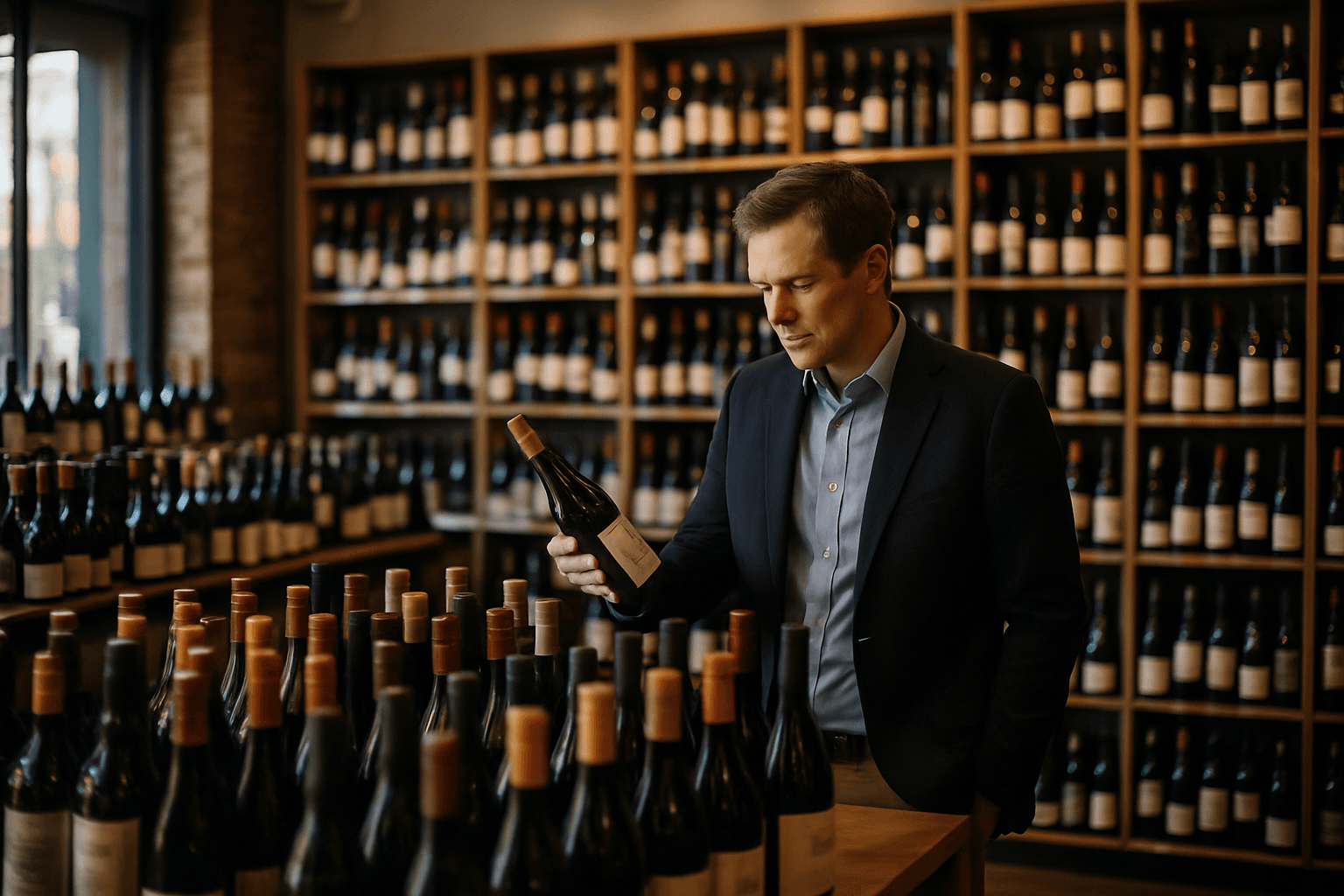
Emerging domestic wine regions retail opportunities are booming. Learn how independent liquor stores can merchandise Virginia, Texas & other rising US wines.
- The Wine Map Is Being Redrawn — And Your Shelves Should Reflect It
- Virginia Wine: Infrastructure That Actually Helps Independent Retailers
- Texas Hill Country and Other Regions You Should Be Watching
- Merchandising Strategies That Move Emerging Region Wines Off the Shelf
- Building Your Domestic Wine Marketing Strategy Without a Big Budget
If you're an independent liquor store owner still dedicating 80% of your domestic wine section to California, there's a good chance you're leaving money on the shelf. The American wine landscape has fundamentally shifted, and emerging domestic wine regions represent one of the most actionable retail growth plays available to independent retailers right now — not next year, not "someday," but this quarter.
Here's the short version: states like Virginia and Texas aren't just making better wine. They're building the distribution infrastructure, marketing support, and consumer demand that make stocking their bottles a smart business decision, not a charity project. Eastern wineries are outpacing West Coast peers in direct-to-consumer sales growth. Wine tourists are coming home from Hill Country and Charlottesville looking for bottles they can't find on your shelves. And the national chains? They're still running last year's planogram.
This post breaks down exactly where the opportunity is, how to source and merchandise these wines, and how to market them without a big budget. Whether you're running a single store in a college town or a multi-location operation in a metro market, there's a concrete, low-risk play here. Let's get into it.
The Wine Map Is Being Redrawn — And Your Shelves Should Reflect It
Here's something your customers already know that your planogram might not: American wine doesn't start and end in California.
Why Napa and Sonoma Aren't the Whole Story Anymore
Texas Hill Country now consistently ranks among the top emerging U.S. wine regions across multiple industry surveys. Virginia isn't far behind — and the state has put real infrastructure behind its ambitions, including the Virginia Wine Distribution Company (VWDC), a nonprofit entity built specifically to help Virginia wineries reach retail shelves . That's not grassroots enthusiasm. That's institutional momentum.
10 wine club marketing tactics that reduce the 40% year-one cancellation rate and boost member spending at your liquo...
And the labor market tells the same story. Virginia currently has over 60 open wine merchandiser positions, with pay ranging from $16 to $52 per hour. When a state is investing that heavily in retail-level wine presence, consumer demand is already there — the question is whether your store is capturing it.
What the Sales Data Actually Says
The numbers back up what the infrastructure suggests. Eastern wineries posted stronger tasting-room and direct-to-consumer sales growth than their West Coast peers . That's not a blip. That's real consumer spending shifting toward newer appellations — and retail hasn't caught up yet.
This is where independent liquor store wine strategy separates from big-box inertia. National chains are still running California-heavy sets because their category resets move slowly. You don't have that problem. Retailers who merchandise Virginia wines and stock Texas bottles now — before the planogram crowd catches on — gain a differentiation edge that's hard to replicate.
This post isn't a trend piece. It's a playbook for turning emerging domestic wine regions into a retail revenue driver — starting with what goes on your shelves and how you sell it.
Discover how Provence transformed into a lifestyle brand. Learn provençal wine marketing tactics to boost regional Fr...
So where do you start? With the state that's done more than any other to make this easy for retailers.
Virginia Wine: Infrastructure That Actually Helps Independent Retailers
When retailers think about stocking wines from newer American appellations, most picture a scrappy winery with no distribution and a prayer. Virginia flips that script entirely. The state has built real infrastructure to get its wines onto your shelves — and it's worth your attention whether you're in Richmond or Reno.
The VWDC: A Distribution Shortcut Most Retailers Don't Know About
Here's something that should be on every independent retailer's radar: the Virginia Wineries Distribution Company (VWDC) is a nonprofit distribution entity built specifically to help Virginia wineries reach market . In plain terms? It's a distribution partner that wants you to succeed with Virginia wines — not one that's going to bury small-production bottles behind a wall of allocated Napa Cab.
For your store, this means easier sourcing, potentially better margins, and a partner aligned with your interests rather than fighting against them. The VWDC exists to move Virginia wine, period. That's a fundamentally different relationship than what you're used to with major distributors.
Independent stores can capture Syrah's momentum with smart displays, staff storytelling, and Old World/New World tast...
Co-Marketing Support and the Virginia Wine Board
Virginia's Wine Board Marketing Office offers co-marketing resources that independent retailers can tap for in-store promotions, tastings, and educational events. We're talking essentially free merchandising support — the kind of thing that normally costs you time and money to build from scratch.
Your move: Contact the VWDC directly and request their retail partner kit. Explore what merchandising support is available for your store — even if you're located outside Virginia. The infrastructure exists. Most retailers just haven't asked yet.
Virginia has the most developed retail support system, but it's far from the only region worth your attention. Let's look west — and then in a few other directions you might not expect.
Texas Hill Country and Other Regions You Should Be Watching
Texas Wine Retail Opportunities Are Real (and Growing)
Texas Hill Country isn't a novelty anymore. It draws significant wine tourism traffic every year , and the tasting-room numbers translate directly into retail demand.
Here's what matters for your shelves: those tourists come home. And when they do, they're looking for the Tempranillo or Viognier they fell in love with on vacation. Retailers who stock Texas wines capture that post-trip purchase. It's a ready-made demand signal you don't need to manufacture.
This is where independent retail strategy gets interesting. You don't need a massive allocation. A curated endcap or a "Wines We're Watching" shelf section featuring emerging regions can turn a curious browser into a repeat buyer. Texas producers are hungry for retail partners outside their home state, which often means better terms and more flexibility for you.
The Expanding Pipeline: Finger Lakes, the Midwest, and Climate-Driven New Regions
Texas isn't alone. Climate change is actively redrawing the American wine map. The Finger Lakes are producing world-class Rieslings. Midwest states like Michigan and Missouri are building serious programs. This pipeline will only expand — this isn't a one-season play.
New York wineries are already lobbying for broader retail distribution, including grocery store access. That signals producers actively seeking shelf space. Independent retailers who partner early get preferred access before the big chains move in.
And here's the part that surprises people: micropolitan markets across Middle America are building robust wine programs. If you're in a smaller market, this opportunity is arguably bigger for you — less competition, more novelty, and customers who genuinely appreciate curation over commodity.
Knowing which regions to watch is step one. Step two is making those bottles actually move once they're on your shelf. Here's where merchandising makes or breaks the play.
Merchandising Strategies That Move Emerging Region Wines Off the Shelf
The opportunity around emerging domestic wine regions retail is real — but bottles don't sell themselves, especially when customers can't point to the appellation on a map. Your job is to bridge that gap between curiosity and purchase.
Create In-Store 'Destination' Displays
Wine tourism is booming in places like Virginia and Texas Hill Country, and that enthusiasm doesn't evaporate when tourists come home. It follows them into your store — if you give them something to find.
Build destination displays that mirror the wine-tourism experience. Think a small regional map showing Virginia's AVAs, producer story cards, and food-pairing suggestions right on the shelf. Group bottles by region, not just varietal. Add shelf talkers that explain why Virginia Viognier tastes different from its Rhône counterpart, or what Texas Tempranillo brings to the table. QR codes linking to short winery videos cost you nothing and give customers the backstory that converts browsers into buyers.
For Virginia wines specifically, the VWDC can help with sourcing and access to inventory — meaning getting bottles on your shelf is easier than you might assume.
Seasonal rotation strategy: Feature a different emerging region each quarter. This gives you a built-in reason to refresh displays, fire off email campaigns, and host tastings — all without increasing inventory risk. Cross-merchandise with regional snacks or local foods to create a "taste of the region" moment that bumps up basket size.
The Experiential Retail Benchmark: What Maison Brondeau Gets Right
Maison Brondeau operates a 3,000-square-foot experiential retail space in Westchester dedicated entirely to reimagining wine shopping . It's a legitimate benchmark for independent retailers. But here's the takeaway you actually need: you don't need 3,000 square feet. You need the principle. Storytelling sells. A single well-curated endcap with a regional narrative will outperform a silent shelf of unfamiliar labels every time.
The Texas and Virginia bottles sitting in your distributor's catalog aren't risky inventory — they're underpriced attention-getters waiting for the right context. Give them that context.
Great merchandising drives trial. But sustained sales require consistent marketing — and you don't need a big budget to pull it off.
Let our team show you what's possible.
our team specializes in digital marketing strategies that drive real results. Let us show you what's possible.
Schedule a CallBuilding Your Domestic Wine Marketing Strategy Without a Big Budget
Here's the reality: you don't need a marketing department to build a standout strategy around emerging domestic wine regions retail. You need a consistent angle and a willingness to pick up the phone.
Leverage Producer Partnerships for Content and Events
Most wineries in emerging regions are hungry for retail partners. They're not Napa — they don't have 50 distributors fighting over shelf space. That works in your favor.
Ask and you'll likely get free POS materials, staff training sessions, and even a winemaker willing to drive out for an in-store tasting event. Virginia's VWDC was built specifically to support retailers like you. Texas Hill Country producers are equally eager to build retail relationships. This is merchandising and marketing support handed to you at zero cost.
Email, Social, and In-Store: A Simple Three-Channel Approach
Keep it simple:
- Monthly email spotlighting one emerging-region wine — its story, the region, why you picked it.
- Social media showing your staff actually tasting and reacting to these wines. Authenticity beats polish every time. The DTC growth numbers from eastern wineries prove consumers are excited about these wines — ride that momentum with genuine enthusiasm.
- In-store signage positioning your shop as the local authority on American wine discovery.
Your positioning statement? "We find the best wines from places you haven't heard of yet." That costs nothing and differentiates immediately.
Finally, track what sells. A simple spreadsheet monitoring emerging-region SKU velocity tells you where to double down. Data-driven doesn't mean complicated — it means paying attention.
By now, you might be nodding along — but there's probably a voice in the back of your head raising the obvious objection. Let's address it head-on.
Addressing the Skeptic: 'My Customers Only Buy What They Know'
Let's be honest — shelf space is finite, and every unproven SKU feels like a gamble. That's a legitimate concern. But here's what the data says: your customers are buying these wines. They're just buying them somewhere else right now — at the winery, through wine clubs, or online. An independent retailer who ignores emerging domestic wine regions retail trends is leaving money on the table.
How to Introduce Unfamiliar Wines Without Alienating Your Core Buyer
Start small. Dedicate one four-foot section to a "New American Wine Regions" display — Virginia alongside Texas Hill Country and other rising stars. Measure for 90 days and let the register tape make the case for expansion.
Tastings remove risk for the consumer. A $50 investment in samples can drive hundreds in sales when customers discover something they didn't know they'd love. The opportunity becomes real when someone actually tastes what these regions can do.
The Staff Education Factor
Guided selling is your secret weapon. Train floor staff on two or three talking points per bottle. "This Virginia Cab Franc drinks like a $40 Loire Valley wine for $22" — that's the kind of recommendation that converts skeptics into repeat buyers. The infrastructure is building across these states. Your staff's knowledge is what bridges the gap between an unfamiliar label and a confident purchase.
The Bottom Line: First Movers Get the Best Shelf Position
Here's the recap: growth from emerging domestic wine regions is outpacing established appellations. Infrastructure like Virginia's VWDC removes the sourcing headaches that used to make small-region wines impractical to stock. And experiential merchandising concepts — from dedicated destination displays to storytelling shelf talkers — prove that discovery-driven retail pulls traffic and moves bottles.
Your independent store has a built-in edge here. You pivot faster than chains. You build direct relationships with producers. You tell stories that big-box stores physically cannot. Virginia, Texas, the Finger Lakes — these are your lane.
So here's your move: pick one emerging region this month. Source three to five SKUs. Build a small, story-driven display. Track the results. The data will tell you what to do next.
The new American wine regions aren't a gamble — they're where the growth is. The only question is whether your store will be the one your customers discover them in.
Ready to take the first step? Contact the VWDC ↗ for their retail partner kit , reach out to a Texas Hill Country producer, or simply carve out four feet of shelf space and start testing. Your customers are already curious — give them a reason to buy.
10+ years helping liquor retailers and beverage brands grow through data-driven digital marketing. Learn more