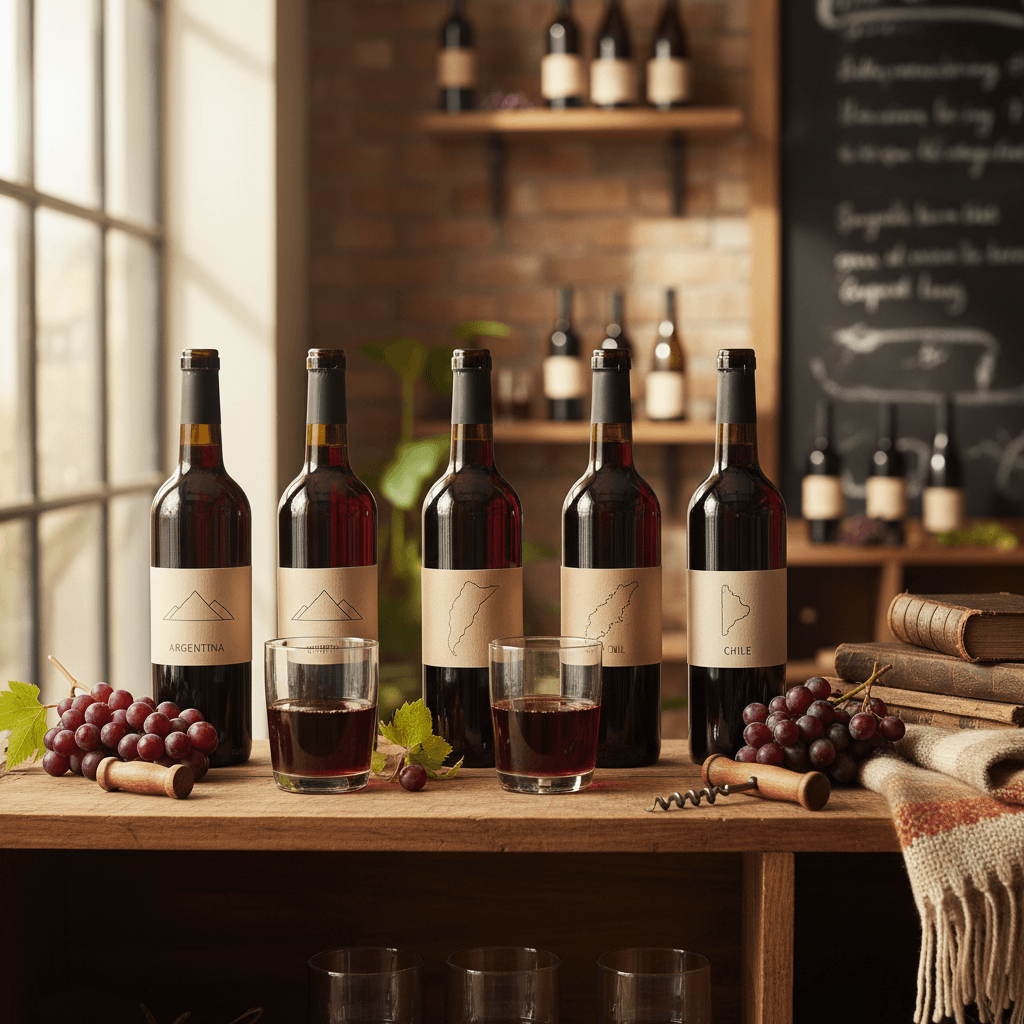
Light-Bodied South American Reds Are Having a Moment: How to Reposition Your Argentine and Chilean Wine Shelf for the 'Lighter Red' Trend
By Intentionally Creative9 min read
Listen to this article12:30
Schedule a free strategy call and Intentionally Creative will build a custom plan for you.
Schedule Your Free Strategy CallFree audit. No commitment.
Get a Free Audit. No commitment.
Light-bodied red wines from South America are trending. Learn how to reposition your Argentine and Chilean wine shelf to capture this growing retail opportunity.
Something is shifting on the wine wall — and if you haven't noticed yet, your customers probably have. Light-bodied red wines from South America are no longer a curiosity buried in sommelier forums. They're showing up in major publications, trending in distributor portfolios, and quietly becoming the bottle that educated shoppers ask for by description when they can't find it by name. For liquor store owners who've built their South American section around big, bold, and extracted, this is a wake-up call worth answering.
The opportunity here isn't theoretical. It's backed by critical endorsements, consumer behavior data, and a price point that practically eliminates risk. But capitalizing on it requires more than just adding a few new SKUs. It means rethinking how you merchandise, market, and talk about an entire region's wines — and doing it before your competitors figure out the same thing.
This guide breaks down exactly what's driving the lighter red trend, which bottles deserve your attention, and how to reposition your shelf and your messaging to turn critical buzz into real revenue. Let's get into it.
When Decanter — one of the most influential wine publications on the planet — dedicates an entire feature to recommending 18 brilliant light-bodied red wines from South America, that's not a whisper. That's a bullhorn.
And if you're running a liquor store, it's a signal you can't afford to ignore.
Discover 7 proven Instagram content ideas for liquor stores that boost engagement and drive sales. Learn how to promo...
That curated list isn't just a gift guide. It's evidence that critical momentum is building behind a category most retailers haven't merchandised for yet. Seven Fifty Daily backs this up, describing the South American wine scene as "more exciting than ever," with both traditional and cutting-edge producers earning serious sommelier attention. This isn't a niche opinion anymore — it's an industry-wide repositioning.
Meanwhile, Wine Folly identifies 13 common light red wine varieties globally — names like Pinot Noir and Gamay that your customers already recognize — and South America is increasingly producing standout examples. High-elevation Argentine regions like Valle de Calingasta in San Juan province are at the center of this movement. The extreme diurnal temperature swings there — scorching days, frigid nights — naturally yield lighter, more elegant reds with bright acidity and real complexity. Many of these bottles retail under $15, which is a margin story worth paying attention to.
South America built its reputation on big, extracted, well-oaked reds. That reputation still sells — but the lighter red trend is reshaping what informed customers actually reach for. Freshness. Fluidity. Elegance. Drinkability. These are the attributes driving purchasing decisions now.
This shift mirrors what's happening across the entire beverage industry. Lighter spirits, sessionable beers, lower-ABV cocktails. Your customers are choosing drinkability over intensity, and they're more informed than ever. They follow sommeliers on Instagram, read wine media, and actively hunt for new styles.
Learn how to advertise a liquor store online using Reddit. 8 proven strategies to reach local buyers Reddit's communi...
For liquor store owners, this means your current Argentine and Chilean section may be telling an outdated story to an increasingly educated customer base. The critics have moved on. Your shelf should too.
Here's the good news: you probably don't need to overhaul your inventory to ride this wave. Many of the lighter South American reds that sommeliers and critics are buzzing about are already sitting in your distributor's portfolio — they're just not getting the shelf placement or signage they deserve.
Argentine Malbec isn't one thing. It spans a huge stylistic range — from heavy, oak-forward, extracted bottles to medium-bodied, bright, fruit-driven wines that drink closer to a Pinot Noir than the Malbec most shoppers picture. Several of the wines on Decanter's recommendation list were Malbec expressions that would surprise anyone expecting the usual inky, jammy profile.
The practical move? Call your distributor rep and use specific language: ask for bottles that are "fresh," "unoaked," "high-elevation," and "lighter body." That vocabulary signals you're looking beyond the standard Malbec-Cab shelf set. You'll likely uncover options already in the book that have been under-merchandised — and many will land at that sub-$15 sweet spot that makes them a low-risk experiment for both you and your customers.
Stop leaving online sales on the table. Here are the 10 most costly e-commerce mistakes liquor stores make and how to...
That price point matters: shoppers who are trend-curious but noncommittal will grab a $12 bottle they've never tried. They won't gamble $25.
Beyond Malbec, sommeliers are championing lesser-known indigenous varieties like Criolla Chica and País from high-altitude sites across Argentina and Chile. These grapes are carving out real space in the light red category alongside more familiar names.
Here's your merchandising edge: the terroir story practically sells itself. A well-written shelf talker with two sentences about elevation and temperature swings gives a curious shopper everything they need to feel smart about their purchase. You're not just selling a bottle — you're selling a discovery.
Your South American wine section probably looks the same as it did five years ago: a wall of Malbec, a cluster of Carmenère, maybe a Cabernet Sauvignon or two. That layout is costing you sales. Here's how to fix it.
Physical separation on the shelf tells customers something important: these wines are different. Carve out a visible sub-section — or better yet, an endcap — dedicated to "Light and Fresh South American Reds."
Start with the under-$15 bottles to lower the barrier to trial. Then stock one or two premium options in the $20–$30 range from high-elevation producers. That price anchoring — accessible entry point, aspirational trade-up — is Retail 101, and it works.
Skip the tasting notes nobody reads. Your shelf talkers should speak plain English: "Try it chilled." "Light and fresh." "Not your typical Malbec." Most customers can't name more than a handful of light red varieties. Focus on the experience, not the grape. The trend is driven by curiosity, so make the ask simple.
Decanter frames light-bodied South American reds as ideal for barbecue season and fridge-chilling — lean into that. During spring and summer, position these bottles near your cooler section or alongside grilling-related displays. Even better: set up an "If You Like This, Try This" display near your Pinot Noir and Beaujolais. You're borrowing credibility from categories your customers already trust and redirecting it toward South American bottles that actually move product.
Light-bodied red wines from South America sit in a rare sweet spot for independent retailers. They're affordable enough for impulse purchases, novel enough to differentiate you from the chain store down the road, and critically validated enough to justify the shelf space without a second thought.
Here's what matters most: the sub-$15 price point means strong velocity potential. These aren't wines that collect dust waiting for a special occasion buyer. They're weeknight wines. And weeknight wines move.
The category has real depth, too. Between lighter Malbec expressions, indigenous varieties like Criolla Chica and País, and emerging Chilean entries, you're looking at a full sub-section — not a one-SKU gimmick.
The lighter red trend isn't a fad — it's structural. Treating this as a temporary endcap display rather than a permanent category adjustment is a missed opportunity.
Revisit your South American shelf merchandising quarterly. As more producers release lighter-styled wines and distributor portfolios expand, you want to be the store that's already positioned — not the one playing catch-up.
The trend toward lighter South American reds isn't coming — it's here. The critics have validated it. The consumer palate has shifted toward it. The price points make it practically risk-free. And the retailers who act on this now — not next quarter, not next year — are the ones who'll capture the early-mover advantage that builds lasting customer loyalty.
Here's your action list. This week:
That's it. Four moves, and you're ahead of most of your competition.
The wines are available. The customers are ready. The only variable left is whether your shelf tells the right story. Make it a good one.
10+ years helping liquor retailers and beverage brands grow through data-driven digital marketing. Learn more
Here's your biggest asset with light-bodied red wines from South America: nobody expects them. Most customers walk in thinking Argentina means Malbec-that-hits-like-a-truck and Chile means bold Cabernet. That surprise factor — "Wait, South America makes light reds now?" — is pure marketing gold. Lead with it everywhere.
Seasonal content practically writes itself here. Think ready-made subject lines:
These work for email, Instagram, shelf-talkers — all of it. And lean hard into third-party credibility: put "As recommended by Decanter" on your signage and social posts. That respected publication does the convincing so you don't have to.
Give your floor team this and nothing more:
"If you like Pinot Noir but want to try something new, these lighter Argentine and Chilean reds are fresh, easy-drinking, and most are under $15 — Decanter just recommended a whole list of them."
That's the whole pitch. No sommelier certification required. It hits on familiarity, value, and credibility in two sentences.
Finally, consider a weekend tasting event focused on these wines. The novelty factor alone drives foot traffic from customers who think they already know what Argentine wine tastes like. One sip of something grown at extreme elevations and you've changed their mind. That's how trends become real sales on your shelf.
Intentionally Creative specializes in digital marketing strategies that drive real results. Let us show you what's possible.
Schedule a Call