Swiss Wine Is Quietly Winning Over Hong Kong Sommeliers—What Independent Retailers Should Know About This Emerging Category
By Intentionally Creative12 min read
Listen to this article16:45
Schedule a free strategy call and Intentionally Creative will build a custom plan for you.
Schedule Your Free Strategy CallFree audit. No commitment.
Get a Free Audit. No commitment.
Discover why Hong Kong sommeliers are championing Swiss wine and how independent retailers can tap into this emerging category for differentiation.
Walk into most wine shops across Hong Kong and the story is familiar. The shelves bow under the weight of Bordeaux, Burgundy, and the usual European suspects. The problem? Every other retailer tells the same story too. For independent wine shops competing against chains with deeper pockets and better shelf placement, differentiation has become survival—not strategy.
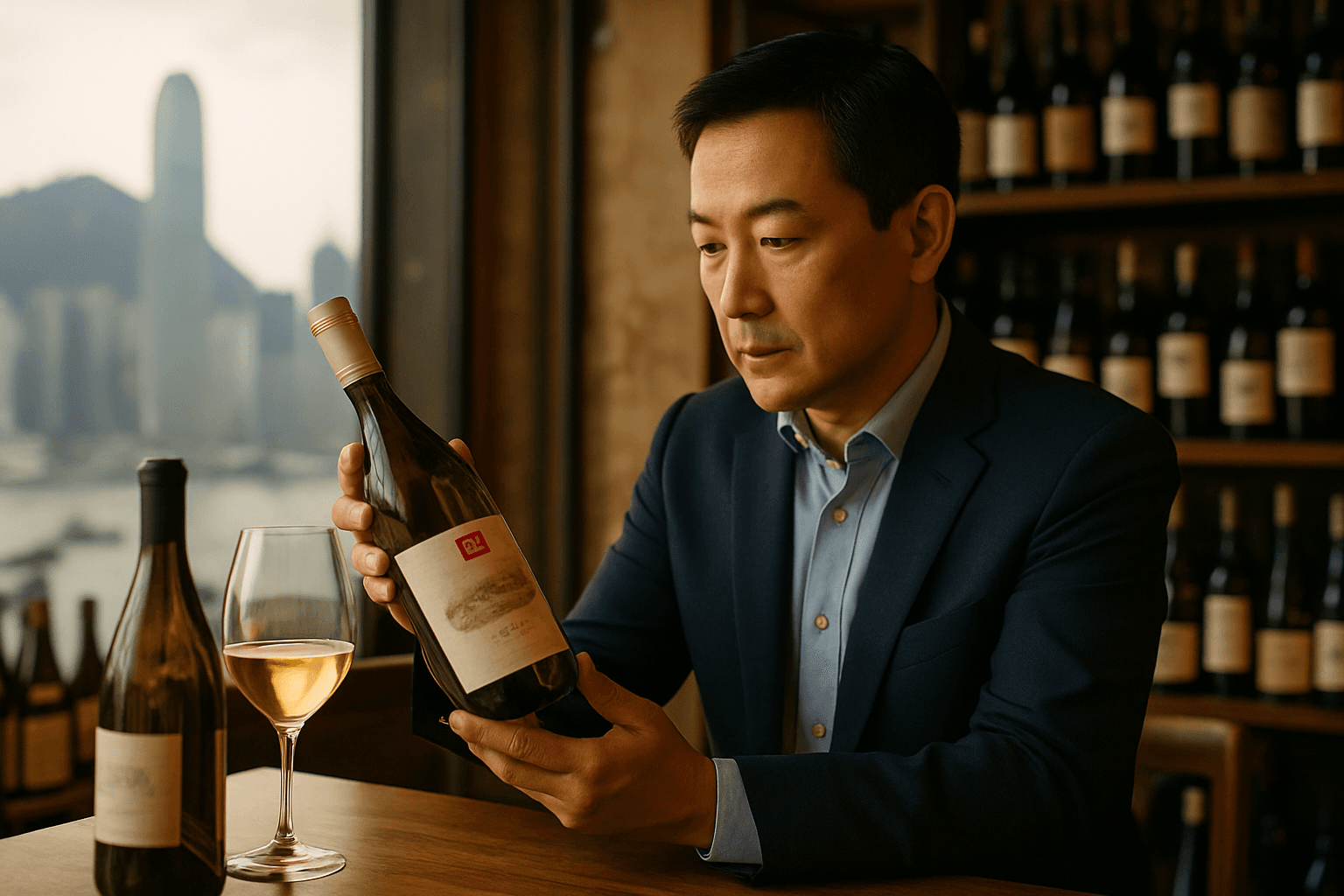
A shift is quietly happening in Hong Kong's wine scene. The sommeliers shaping dining experiences across the city are increasingly pointing their clients toward something unexpected: Swiss wine. These aren't professionals chasing novelty for its own sake. They're wine professionals seeking regions that offer genuine storytelling potential and wines their guests genuinely can't find anywhere else.
If you're an independent wine retailer wondering whether this trend has substance or staying power, the evidence is mounting. Let's look at what's driving sommelier interest in Swiss wine Hong Kong and what it means for retailers willing to get ahead of the curve.
Bordeaux and Burgundy have long dominated Hong Kong wine lists, but a growing number of sommeliers are seeking differentiation through lesser-known regions. The appeal isn't accidental—Swiss wine's diverse terroir, ranging from German-speaking cantons to French-speaking regions, offers a complexity that appeals to educated wine professionals. This geographic diversity translates into stylistic range that stands apart from more familiar European regions.
10 wine club marketing tactics that reduce the 40% year-one cancellation rate and boost member spending at your liquo...
Meanwhile, back in Switzerland, domestic wine consumption rose to 79.2 million liters with market share increasing to 37.5 percent, according to Bluewin ↗. This signals growing confidence in Swiss wine quality and production capacity—making it an increasingly viable option for international markets.
Industry observers note that Hong Kong sommeliers are increasingly highlighting Swiss wine's unique characteristics as a differentiator in competitive dining scenes. Beyond novelty, sommeliers are drawn to Swiss wine's emphasis on organic, natural, and environmentally responsible production methods, according to Best Wine Importers' 2025 market update ↗.
For independent wine retailers, this trend presents a real opportunity. While mainstream chains continue stocking the familiar European classics, forward-thinking retailers can position themselves ahead of the curve by developing relationships with Hong Kong wine importers who specialize in emerging regions. Stocking Swiss wine isn't just about offering something different—it's about aligning with what educated wine professionals are actively seeking for their lists right now.
Discover how Provence transformed into a lifestyle brand. Learn provençal wine marketing tactics to boost regional Fr...
Walk into most wine shops anywhere in the world and you'll find the familiar names—Cabernet Sauvignon, Pinot Noir, Chardonnay. But Swiss wine Hong Kong specialty retailers are discovering? The varieties growing in Switzerland's vineyards largely exist nowhere else commercially.
Chasselas, Switzerland's most planted grape, is nearly impossible to find as a single-variety wine outside Swiss borders. The same goes for Petite Arvine, a mineral-driven white from Valais, and Cornalin, a bold red that calls the alpine canton home. These indigenous grapes give sommeliers exactly what today's experience-seeking diners crave: a story. When a wine can only come from one place, the conversation writes itself—and that builds margin.
The shift toward organic and environmentally responsible production also aligns with where Swiss wine market trends are heading. According to Best Wine Importers ↗, Swiss producers have increasingly embraced these practices, adding another layer of appeal for informed wine professionals.
Independent stores can capture Syrah's momentum with smart displays, staff storytelling, and Old World/New World tast...
Switzerland's towering mountains aren't just scenery—they're winemaking infrastructure. Vineyards sit at elevations that would seem absurd in Bordeaux or Napa, creating slow-ripening conditions that build complexity. The dramatic day-night temperature swings and varied soils across cantons produce wines with genuine sense of place.
For independent wine retailers, this geography translates to products that can't be easily compared or price-matched. When a customer can't find "the same thing" elsewhere, you're no longer competing on price alone. That's the Swiss wine opportunity: a category that commands attention because it genuinely stands apart.
For independent retailers evaluating new categories, the question isn't just whether consumers in your market want something—it's whether the producing region's own consumers have validated that product first. Swiss wine is clearing that bar, and the numbers tell a compelling story.
Swiss wine Hong Kong importers should pay close attention to what's happening in Switzerland's domestic market. Domestic Swiss wine consumption rose to 79.2 million liters with market share increasing to 37.5 percent, according to Bluewin ↗. That's significant because it happened while total wine consumption in Switzerland was declining. The Swiss are increasingly choosing their own wines over imports, which signals confidence in local production quality.
There's also a shift in what Swiss consumers are drinking. Consumption of red wine fell 5.5% while white wine consumption increased by half a per cent in Switzerland, according to SWI swissinfo.ch ↗. This preference shift toward white and specialty varietals may signal emerging opportunities for Hong Kong wine importers looking to differentiate their portfolios.
When a wine region's domestic consumers vote with their wallets, it provides credibility that travels. You don't have to explain Swiss wine market trends to skeptical buyers when Swiss consumers have already done the quality assurance for you.
Swiss wine producers have leaned into qualities that align with increasingly sophisticated Hong Kong buyers. Swiss producers have increasingly embraced organic, natural, and environmentally responsible production practices, according to Best Wine Importers ↗. These aren't just marketing claims—they're production realities that add appeal for informed wine professionals.
For independent wine retailers looking to test the waters, the best Swiss wine Hong Kong introductions start with grape varieties your customers already know how to appreciate. Chasselas—the Swiss white that rarely leaves its homeland—offers bright acidity and subtle minerality that appeals to wine drinkers skeptical of unfamiliar regions. It's not trying to be Burgundy; it's something refreshingly different.
For red wine enthusiasts, Dôle blends (typically Pinot Noir and Gamay) provide an immediately recognizable profile. Customers who enjoy Beaujolais or lighter Burgundies will find familiar territory here—plus a conversation starter about Swiss winemaking traditions.
You don't need a wall of unfamiliar labels to signal category commitment. A curated Swiss section of 8-15 SKUs strikes the right balance—enough variety to explore without tying up capital in slow-moving inventory. Position this alongside your French and Italian offerings rather than isolating it in a "weird stuff" corner. When curious customers see Swiss wine sitting next to trusted European names, the implied quality signal does half the selling for you.
The domestic Swiss wine market offers context worth sharing: consumption of red wine fell 5.5% while white wine consumption increased by half a per cent, reflecting shifting local preferences that mirror trends in export markets.
Your sourcing strategy matters more than your shelving strategy. Look for Hong Kong wine importers who already maintain relationships with Swiss suppliers—these partnerships reduce the complexity of tracking down smaller producers and navigating import logistics. Importers with established Swiss portfolios can also help you identify which SKUs align with your customer base, whether that's trend-conscious millennials or established collectors.
For independent wine retailers, the sommelier endorsement is one of your most powerful conversion tools. Hong Kong sommeliers are increasingly championing Swiss wine at dedicated retailers and fine dining establishments, positioning it as an sophisticated alternative to traditional French varietals. When customers see a trusted professional backing a product, their hesitation dissolves. Feature these endorsements prominently—on shelf talkers, in email campaigns, and across your social channels. A simple "Sommelier Pick" badge can accelerate consumer adoption without requiring extensive explanation.
Swiss wine stories practically sell themselves. Position your Swiss wine Hong Kong offerings around centuries of winemaking heritage, extreme altitude vineyards, and a philosophy of quality over quantity. These aren't mass-produced bottles—they're rare expressions from small-batch producers.
Consider hosting tasting events that pair Swiss selections alongside more familiar French or Italian options. This creates low-risk discovery opportunities where curious customers can compare and explore without feeling pressured. Your role becomes guide, not salesperson.
The broader Swiss wine market trends also work in your favor: Swiss producers have increasingly embraced organic, natural, and environmentally responsible production practices.
Don't let compliance become an afterthought. Hong Kong law prohibits alcohol sales to minors under 18, and this applies to every bottle of Swiss wine you stock. Ensure your staff understands age verification protocols and train them consistently. Point-of-sale materials should include clear responsible drinking messaging. Protecting your license protects your entire business—it's non-negotiable infrastructure for every independent wine retailer.
10+ years helping liquor retailers and beverage brands grow through data-driven digital marketing. Learn more
For independent wine retailers, stocking Swiss wines means aligning yourself with a producing region that's ahead of the curve on sustainability, not chasing trends. The domestic market signal gives you a talking point grounded in real consumer behavior: if Swiss wine works for Swiss consumers, it has a proven foundation.
Before you decide whether Swiss wine fits your shelves, it's worth knowing who's already in this space—and what their presence tells us about demand in the Hong Kong market.
As a dedicated Swiss wine retailer, The Swiss Wine Store Limited ↗ has built its identity around rare, indigenous grape varieties that rarely appear elsewhere in Hong Kong. This specialization signals that curious consumers actively seek out Swiss wine when given the opportunity. The store's existence proves that a curated, focused approach can sustain a business model.
Ginsberg+Chan's ↗ Switzerland collection takes a different angle, emphasizing what the region delivers: elegance, finesse, and precision from Swiss cantons. Their positioning speaks to consumers already familiar with quality wine categories and highlights Swiss wine as a sophisticated alternative to more common European regions. For independent retailers, this tells us Swiss wine can command premium positioning when presented alongside the right context.
Helvetica by Nocino ↗ rounds out the dedicated Swiss wine venues operating in Hong Kong. Together, these three operators have done the heavy lifting—they've proven consumer interest exists and that a specialized assortment can work.
The presence of these three retailers confirms that Swiss wine Hong Kong demand is real. They've validated the concept. What remains for independent wine retailers is capturing additional market share and reaching customer segments these specialists haven't yet touched. You don't need to reinvent the wheel—position your Swiss selections strategically, fill gaps these operators haven't addressed, and let their groundwork work in your favor.
Intentionally Creative specializes in digital marketing strategies that drive real results. Let us show you what's possible.
Schedule a CallFinally, invest five minutes training your staff on two or three Swiss wine talking points: the unique Alpine terroir, indigenous grape varieties they won't find elsewhere, and Switzerland's growing focus on organic and environmentally responsible production. One knowledgeable recommendation beats a hundred passive shelf browsers.
The Hong Kong wine market is packed with French, Italian, and Australian labels competing for shelf space and customer attention. Adding Swiss wine to your portfolio gives you something increasingly rare: genuine differentiation.
While Hong Kong wine importers have traditionally focused on established regions, sommeliers across the city are beginning to champion Swiss varieties. The trend has real momentum—driven by wine professionals seeking fresh narratives, and supported by strong domestic consumption patterns in Switzerland. Domestic Swiss wine consumption rose to 79.2 million liters with market share increasing to 37.5 percent, according to Bluewin ↗. This signals a market that values what it produces, which translates to compelling storytelling at the retail level.
Swiss wine market trends suggest opportunity, but success doesn't happen automatically. For time-constrained independent wine retailers, the smart approach is starting small: a focused selection of three to five bottles rather than an overhaul of your floor plan. This reduces financial risk while letting you test category potential.
What makes the difference is execution. Staff education is non-negotiable—your team needs to explain why Swiss wine matters, not just list tasting notes. Marketing that leans into the unique story (Alpine terroir, indigenous grape varieties, precision winemaking) resonates far better than positioning Swiss wine as "just another European import."
The early-mover case is real. By establishing Swiss wine credibility now, you position yourself as the expert before the category goes mainstream. Competitors will have to play catch-up.
The takeaway: Swiss wine Hong Kong presents a legitimate differentiation opportunity, but it rewards intentional retailers who invest in education and storytelling—not just shelf space.
The question isn't whether Swiss wine will eventually catch on in Hong Kong—the sommeliers have already answered that. The question is whether you'll be positioned as the retailer who got there first, or the one who showed up after the category was already claimed. Start your research into Hong Kong wine importers with established Swiss portfolios, train your team on what makes these wines worth talking about, and let the story do its work. Your shelves—and your margins—will thank you.