Europe's Push to Revive Abandoned Vineyards: How Old-World Supply Shifts Could Reshape Your Wine Aisle in the Next Three Years
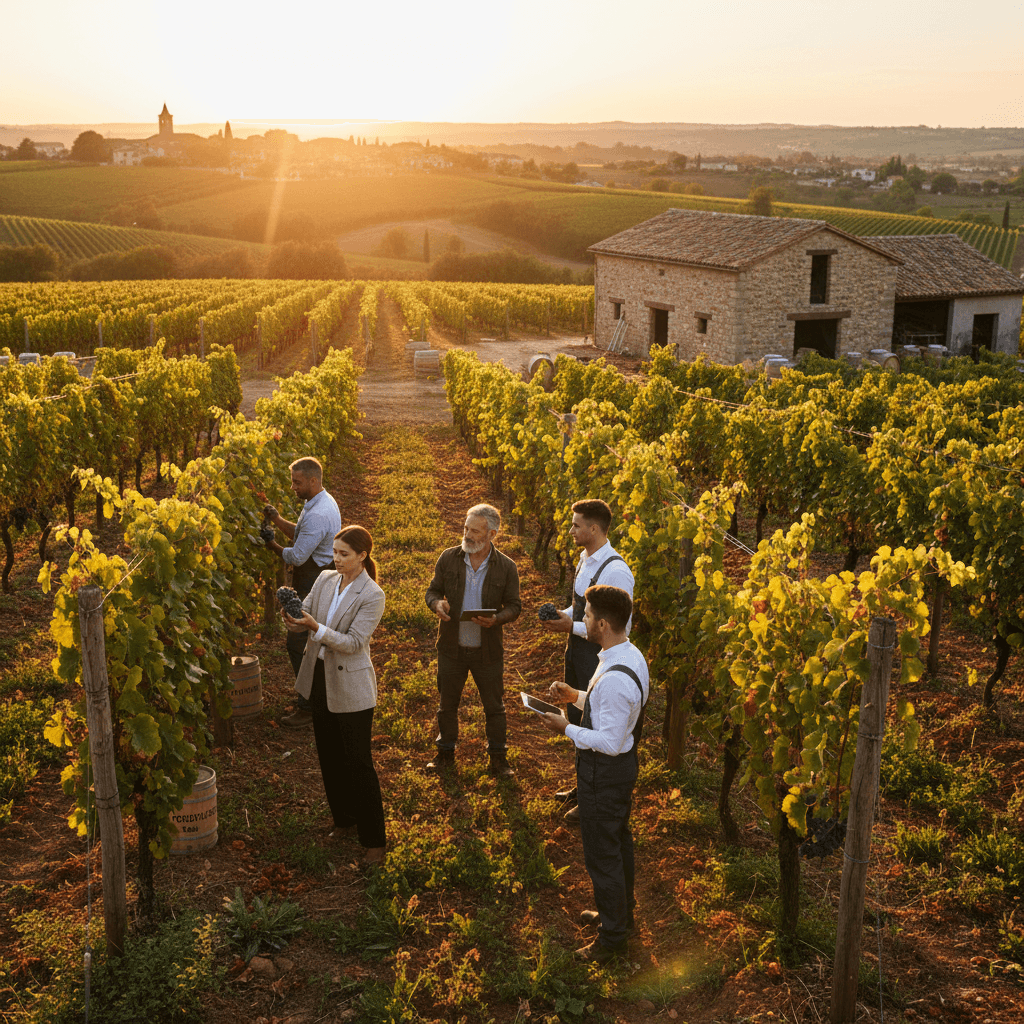
European vineyard revival wine supply is shifting fast. Here's what abandoned vineyard restoration and French uprooting mean for your store's wine aisle by 2028.
- Two Forces Are Pulling Europe's Wine Supply in Opposite Directions — And Your Shelves Will Feel It
- The Great French Contraction: What Thousands of Hectares of Uprooting Actually Mean for Supply
- The Revival Side: Abandoned Vineyards Are Coming Back to Life Across Europe
- From Vineyard to Shelf: Revival Wines Are Already Showing Up in Retail
- What This Means for Your Wine Aisle: Three Practical Shifts to Watch
Picture this: one European country is paying farmers to rip vines out of the ground while, a few borders away, teams are rebuilding ancient stone terraces by hand to put vines back in. Both things are happening right now, and both will change what you can stock and sell over the next three years.
The European vineyard revival wine supply story is one of the most consequential shifts hitting the wine industry — and most liquor retailers haven't heard a word about it. France is deliberately shrinking its vineyard footprint by tens of thousands of hectares. At the same time, forgotten wine regions from northern Italy to the Czech Republic are racing to bring abandoned vineyards back to life. The result is a supply landscape that's contracting in some of the most familiar categories on your shelf while expanding in places you might not have on your radar yet.
If you buy wine for a retail operation — whether that's a single independent shop or a regional chain — this tension between contraction and revival will directly shape your sourcing options, your pricing, and your competitive edge. Here's the full picture, broken down into what's actually happening and what you should do about it.
Two Forces Are Pulling Europe's Wine Supply in Opposite Directions — And Your Shelves Will Feel It
France — the country most Americans still picture when they think "wine" — is uprooting an estimated 27,000+ hectares of vineyards [VERIFY: confirm current consolidated figure across French grubbing-up programs]. Of those, roughly 8,700 hectares are coming out permanently. Over 1,000 French winegrowers have applied to exit wine production entirely [VERIFY: confirm source and whether this refers to applications or confirmed exits]. That's not a blip. That's consolidation reshaping the world's most iconic wine-producing country in real time.
Discover how Provence transformed into a lifestyle brand. Learn provençal wine marketing tactics to boost regional Fr...
If you stopped there, you'd assume Europe's wine supply is simply shrinking. But the full picture is messier — and more interesting.
While France pulls back, other regions are doing the opposite. Italy's Valtellina has lost roughly 4,000 hectares of terraced vineyards since the late 19th century, and restoration efforts are now underway to reclaim that abandoned land. The Czech Republic is investing in heritage plantings. Researchers near ancient Pompeii are reviving old-world grape varieties dormant for centuries [VERIFY: confirm June 2025 partnership launch details]. Even outside Europe, the trend is echoing: in Israel's Negev Desert, archaeologists and vintners are working to revive 1,500-year-old Byzantine grape varieties [VERIFY: confirm commercial viability vs. research-stage project].
Over the next three years, this tension — established regions contracting while forgotten ones expand — will directly affect what you can stock, how you price it, and which categories on your shelves grow or quietly disappear.
Independent stores can capture Syrah's momentum with smart displays, staff storytelling, and Old World/New World tast...
The Great French Contraction: What Thousands of Hectares of Uprooting Actually Mean for Supply
The Numbers Behind France's Deliberate Downsizing
This isn't a crisis. It's a calculated market correction — and understanding the difference matters for how you plan your shelves.
France, particularly Bordeaux and parts of Languedoc, has been overproducing for years. These regions have been churning out wine that consumers simply aren't buying at the volumes they used to. Rather than let growers drown in unsold inventory and watch prices crater, the French government stepped in with a structured exit plan.
Here's how it works in plain terms: the EU's agricultural subsidy framework allows governments to financially incentivize growers to uproot vines and leave production. Growers aren't just walking away broke — they're being paid to restructure. The producers who remain will have less competition, more concentrated resources, and every incentive to focus on higher-margin, higher-quality output.
Discover how Uruguay's emerging wine export strategy can help independent liquor stores market lesser-known wine regi...
Why Fewer French Acres Doesn't Automatically Mean Higher Prices
This is where things get interesting for your business. The bottom tier of French wine on your shelf — those $8–$12 entry-level Bordeaux and Languedoc labels — will likely thin out over the next two to three years. Sourcing gets tighter, and competitive pricing gets harder to maintain at that level.
But mid-tier and premium French wines? They could actually stabilize or improve in quality as remaining producers concentrate their best fruit and resources on fewer, better bottles.
As France deliberately contracts, the ripple effects move through the supply chain — creating gaps some retailers will scramble to fill and others will plan for now. The smart move is watching which entry-level slots on your shelf need backup plans and which premium French categories might quietly become better buys.
The Revival Side: Abandoned Vineyards Are Coming Back to Life Across Europe
While France is pulling up vines, other corners of Europe are doing the opposite — and the European vineyard revival wine supply story is more nuanced than simple decline.
Here's what "abandoned vineyard revival" actually means in practice: it's not just sticking new vines in old dirt. Teams are rebuilding crumbling stone terraces by hand, hunting down indigenous grape varieties that nearly went extinct, rehabilitating depleted soil over multiple seasons, and often committing to organic or biodynamic farming from day one. All of that adds cost. It also adds a story that sells at premium price points.
Italy's Valtellina and the Terraced Vineyard Comeback
Valtellina, in northern Italy's Lombardy region, is the poster child for this movement. Those 4,000 lost hectares represent steep, labor-intensive land that younger generations simply walked away from. Now, with EU funding and regional tourism incentives driving investment, portions of these terraces are being reclaimed. The wines coming off restored Valtellina land are small-lot Nebbiolo with genuine heritage credentials and price tags to match.
Czech Republic, Pompeii, and the Rise of Heritage Replanting
South Moravia in the Czech Republic has quietly emerged as a serious wine region where forgotten grape varieties and natural winemaking are thriving — proof that neglected land can become commercially viable again. Meanwhile, Pompeii's ancient vineyards are being replanted through a partnership that aims to bring Roman-era grape varieties and farming methods back after nearly 2,000 years of dormancy [VERIFY: confirm launch timeline]. These aren't museum pieces — they're producing real bottles headed for distribution.
For your shelf, the takeaway is straightforward: these revival wines won't arrive in bulk. They'll show up as small-production, story-rich, premium-priced bottles — exactly the kind of inventory that justifies dedicated shelf space and hand-sell opportunities.
From Vineyard to Shelf: Revival Wines Are Already Showing Up in Retail
Here's where the story stops being abstract and starts hitting your POS system. Revival-positioned wines aren't coming — they're already on shelves, moving bottles, and commanding premium price points.
Consumer-Facing 'Revival' Positioning Is Here
Chile's Garage Wine Company has launched an Old-Vine "Revival" project in the UK, specifically built around reviving neglected vineyard sites [VERIFY: confirm retailer details]. This isn't a winery telling an agricultural story on the back label. It's a deliberate consumer-facing product positioning strategy — and UK retailers are stocking it. When premium wine merchants bet shelf space on a concept, it has commercial legs.
Meanwhile, Sancerre is experiencing a quality renaissance driven by renewed terroir focus, with experts noting the region's whites have reached new heights. That translates directly into higher ring-per-bottle at retail — a model worth watching.
Eastern European Heritage Wines as a Growing Shelf Category
Georgia, Hungary, Croatia — wines from centuries-old vineyards in these countries are being positioned as premium offerings. "Revived heritage vineyard" is becoming a viable shelf category, not a curiosity.
The consumer angle is straightforward. Today's wine buyers — especially millennials and Gen X — are drawn to authenticity, provenance, and story. A bottle from a restored 19th-century Italian terrace or a replanted Czech vineyard using forgotten grape varieties hits all three buttons.
Let our team show you what's possible.
our team specializes in digital marketing strategies that drive real results. Let us show you what's possible.
Schedule a CallWhat This Means for Your Wine Aisle: Three Practical Shifts to Watch
The European vineyard revival wine supply shift isn't abstract industry news — it's going to hit your shelves. Here's how to get ahead of it.
Shift 1: Entry-Level Old World Gets Thinner
France is deliberately shrinking, and the pipeline of cheap-and-cheerful French bottles is narrowing fast.
If sub-$10 French wines are traffic drivers for your store, start scouting alternatives now. Southern Italian, Spanish, and Portuguese wines hit the same price-to-quality sweet spot your customers expect. Don't wait until your distributor tells you a favorite SKU is discontinued — by then, the best replacements are already allocated.
Shift 2: The 'Heritage Revival' Premium Category Expands
Revival wines — bottles from abandoned European vineyards that have been painstakingly replanted with indigenous grape varieties — will land in the $18–$35+ range. And they come with stories that practically sell themselves.
Train your staff on those stories. "This wine comes from a vineyard abandoned for 200 years and replanted with grapes that nearly went extinct" moves bottles without a single discount sticker. Valtellina's terraced Nebbiolo, South Moravia's natural wines, Pompeii's ancient replantings — these narratives resonate with today's wine buyers.
Shift 3: Eastern and Central Europe Earn More Shelf Space
Georgian, Hungarian, Croatian, and Czech wines aren't curiosities anymore. They're credible premium categories riding supply chain changes that favor authenticity and terroir diversity. Carve out a small "Eastern European Discovery" section or feature these in tastings. Early movers build customer loyalty before big chains catch up.
A timing note: most revival vineyard projects take 3–5 years from replanting to first commercially viable vintage. Projects launching in 2025 produce retail-ready bottles by 2027–2029. Start building importer relationships now.
On inventory: think 2–4 cases, hand-sell positioning, and tasting-event features — not endcap stacks. These are margin builders, not volume plays.
How to Stay Ahead of This Trend Without Overcommitting
You don't need to tear apart your planogram to capitalize on the European vineyard revival wine supply shift. You just need to be intentional about how you test it.
Start Small, Track What Sells, and Build From There
Bring in 3–5 SKUs from heritage or revival-positioned producers. Think restored terroir wines from regions like Valtellina or premium Eastern European bottles that are finally hitting U.S. distribution.
Track velocity and margin for 90 days before you expand. No big bets required.
Call your distributors and ask specifically about heritage revival wines, restored vineyard projects, and new European allocations. If they don't have answers, that's useful information too — it might mean you need additional sourcing relationships to stay ahead of the curve.
And keep an eye on EU agricultural funding announcements. With thousands of hectares of French vineyards facing permanent removal while abandoned vineyards across Europe attract restoration funding, those policy signals are your 3–5 year supply forecast.
Use the Story as a Marketing Tool
"Wine from a vineyard abandoned since the 1800s" — that's a shelf talker that practically writes itself. These stories are inherently shareable, and they cost you nothing to create.
Lean into the narrative with social media posts, in-store tastings, and staff picks that highlight what's changing in European wine. Your customers are already curious about provenance. Give them a reason to reach for something new — and a story worth retelling.
The Bottom Line: Old-World Wine Is Restructuring — Position Your Store on the Right Side of the Shift
Here's the dual dynamic reshaping your wine aisle: France is pulling back while heritage regions across the continent reclaim abandoned vineyards and resurrect ancient varieties. By 2028, "European wine" won't default to French and Italian classics on your shelf. It's becoming broader, more diverse, and infinitely more story-driven.
The supply chain changes are already underway. The data points in one clear direction. The only question: will you lead the shift or scramble to catch up?
Start this week. Call your distributor and ask what heritage revival wines they can source. Identify the entry-level French SKUs most at risk on your shelf and line up alternatives. And if you want to stay ahead of supply shifts like this one — not just react to them — subscribe to the Intentionally Creative newsletter for data-driven retail insights built specifically for operators like you.
10+ years helping liquor retailers and beverage brands grow through data-driven digital marketing. Learn more