Kenwood Vineyards Goes Dark After Decades in Sonoma: What Legacy Winery Closures Mean for Retailers Carrying Heritage California Brands
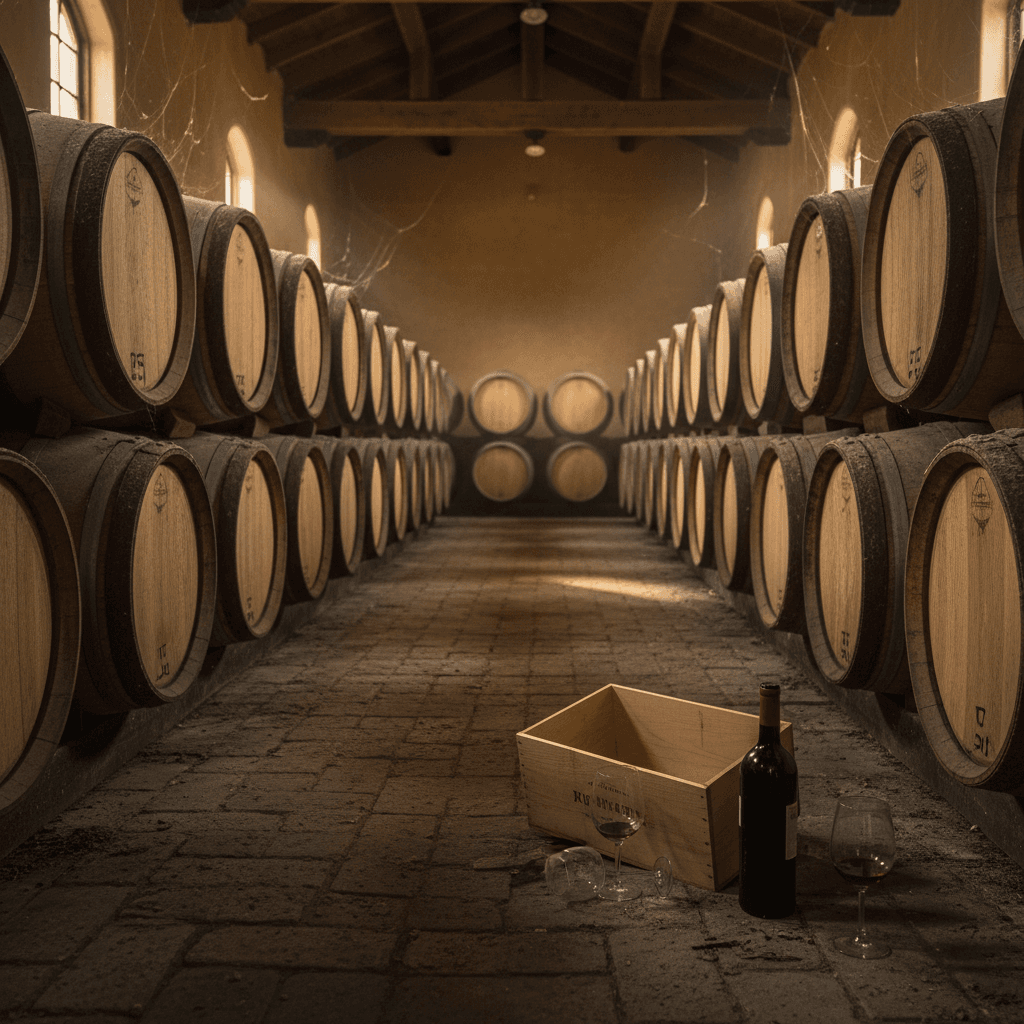
The Kenwood Vineyards closure caps 56 years in Sonoma. Here's what this wave of legacy winery shutdowns means for liquor retailers stocking California wines.
- Kenwood Vineyards Closure: What Actually Happened on March 27
- It's Not Just Kenwood: A Wave of Sonoma Closures Is Reshaping the Region
- The 'Great Wine Decline' by the Numbers
- What the Kenwood Vineyards Closure Means for Your Store Right Now
- Rethinking Your California Wine Strategy: Diversification Without Overreaction
On March 27, 2025, a 56-year-old Sonoma institution went dark without so much as a farewell toast. The Kenwood Vineyards closure sent shockwaves through California wine country — but if you run a liquor store, the shockwave that matters most is the one heading straight for your shelves.
This isn't a story about nostalgia. It's about what happens when heritage brands vanish from your inventory, your customers start asking questions, and the next closure is already brewing. The wine industry has shed roughly 21% of its revenue since the pandemic [VERIFY — source needed]. Legacy wineries are folding. And the ones still standing aren't guaranteed to stay that way.
If you carry California wine — and you almost certainly do — this is your playbook for what's happening right now and what to do about it.
Kenwood Vineyards Closure: What Actually Happened on March 27
Let's skip the eulogy and get straight to what matters for your business.
Discover how Provence transformed into a lifestyle brand. Learn provençal wine marketing tactics to boost regional Fr...
The Shutdown
On March 27, 2025, Kenwood Vineyards abruptly shut down its operations and tasting room, laying off all workers without warning. No phased transition. No farewell vintage. Just a website that now reads: "Kenwood Vineyards is closed until further notice."
The property was purchased back by Gary Heck, owner of F. Korbel and Bros. [VERIFY — confirm Heck's direct role in the original sale to Pernod Ricard]. But here's the critical detail most coverage glosses over: Heck bought the physical property, not necessarily the Kenwood brand itself. That distinction matters enormously if you're a retailer wondering whether those bottles on your shelf will ever be restocked.
From Local Icon to Corporate Asset to Closed Doors
Kenwood's trajectory tells a story playing out across California wine country. A beloved local winery gets acquired by a multinational conglomerate. The brand becomes a line item on a spreadsheet. And when the numbers stop working? The multinational walks away.
Independent stores can capture Syrah's momentum with smart displays, staff storytelling, and Old World/New World tast...
Pernod Ricard's divestiture confirms what the data already shows: even giants are retreating from legacy California wine assets. This isn't isolated. It's a pattern — and it has real, measurable consequences for liquor retail operators who've built shelf space and customer loyalty around these brands.
The question isn't whether more closures are coming. It's whether your inventory strategy is ready when they do.
It's Not Just Kenwood: A Wave of Sonoma Closures Is Reshaping the Region
The Kenwood story grabbed headlines, but it's far from a one-off. Sonoma County is experiencing a rapid string of legacy winery closures that should have every retailer paying close attention.
Discover how Uruguay's emerging wine export strategy can help independent liquor stores market lesser-known wine regi...
Jackson Family Wines Shuts Down Carneros Hill Winery
Jackson Family Wines — the sixth-largest wine company in the United States — permanently shuttered its Carneros Hill Winery in Sonoma, laying off more than a dozen employees. The company had already implemented a two-week employee furlough in December 2024 to cut costs before pulling the trigger on a full closure.
If a company with Jackson Family's scale and resources is making cuts this deep, this isn't a small-producer problem. This is an industry-wide correction.
Arista Winery Calls Its 2024 Vintage the Last
Arista Winery announced that its 2024 vintage would be its final one [VERIFY]. Another respected Sonoma producer, gone.
When you line these up — Kenwood, Carneros Hill, Arista — a pattern emerges. Multiple Sonoma County wineries closing in rapid succession points to systemic regional contraction, not isolated business failures. For retailers evaluating their heritage California wine brands, this distinction matters. You're not dealing with a few unlucky operators. You're watching closures reshape an entire region's production landscape.
So what's actually driving this contraction? The closures are the symptom. The disease is in the data.
The 'Great Wine Decline' by the Numbers
The Revenue Freefall
Since 2020, the U.S. wine industry has seen an estimated 21% decrease in revenue [VERIFY — source needed]. Industry observers are calling it the "Great Wine Decline," and the numbers back up the name. Heritage California wine brands that thrived for decades are now fighting for survival — and the closures we've seen in Sonoma are the visible proof.
Shifting Consumer Preferences and Demographic Headwinds
What's driving this? A few things, all hitting at once:
- Younger consumers are drinking less wine — and in many cases, less alcohol overall.
- Production costs keep climbing, squeezing already-thin margins.
- California has a grape oversupply problem, pushing prices down while costs go up.
- Competition from spirits, RTDs, and non-alcoholic alternatives is stealing share at an accelerating rate.
The result? Brand loyalty that legacy wineries once counted on simply isn't there anymore. Name recognition doesn't move bottles the way it used to, and shelf space is more contested than it's been in a generation.
This isn't doom and gloom — it's context. Understanding why these closures are accelerating helps you plan smarter.
Enough about the macro picture. Let's talk about your store, your inventory, and what you should be doing right now.
What the Kenwood Vineyards Closure Means for Your Store Right Now
This isn't just wine industry news — it's a direct operational issue for any retailer carrying the brand. Here's what you need to know and do this week.
Inventory Limbo: The Brand's Future Is Uncertain
Nobody knows if the Kenwood label survives this transition. Gary Heck bought the property, but purchasing real estate and continuing a wine brand are two very different things. There's been no public commitment to keep producing under the Kenwood name.
That puts you in a tough spot. If you're sitting on Kenwood inventory, you've got two viable plays:
- Discount and move it fast. Clear shelf space, recover cash, reinvest in brands with a future.
- Hold it as a limited-availability play. Some customers will pay a premium for "last bottles" from a heritage brand.
Which strategy works depends entirely on your customer base. A store in Sonoma County with loyal Kenwood buyers? Hold and market the scarcity. A shop where Kenwood was a mid-shelf afterthought? Move it and move on.
Either way — decide now, not after the bottles collect dust.
Supplier Communication Is Your First Move
Pick up the phone. Call your distributor or Pernod Ricard rep today and ask three specific questions:
- What Kenwood SKUs are still available for order?
- Is any entity continuing production under the Kenwood label?
- What's the timeline for final shipments?
Don't wait for an official announcement. If a company Jackson Family's size is cutting, smaller operations will follow.
This is also your moment to audit concentration risk. If your California heritage wine section leans heavily on legacy Sonoma producers, you're exposed. Diversify now — before the next closure catches you off guard.
Proactive retailers protect their margins. Reactive ones explain empty shelves.
Let our team show you what's possible.
our team specializes in branding strategies that drive real results. Let us show you what's possible.
Schedule a CallRethinking Your California Wine Strategy: Diversification Without Overreaction
Let's be clear: this isn't a call to gut your California wine section. California wine is still the backbone of most American wine aisles, and that's not changing anytime soon. But the Kenwood Vineyards closure is a signal worth acting on, not just reading about.
Smart retailers are diversifying within the category, not away from it.
Balancing Heritage Labels with Emerging Producers
Consider reallocating a portion of your heritage shelf space to smaller, financially stable producers gaining real traction with younger consumers. Look for brands with authentic stories and strong direct-to-consumer followings — those DTC audiences drive foot traffic when they spot a familiar label in your store.
This is also the moment to have honest conversations with your wine reps. Ask directly: which brands in their portfolio are financially healthy, and which ones might be next? Good reps will respect the question. The ones who dodge it are telling you something, too.
Regional Diversification Beyond Sonoma and Napa
Sonoma's contraction and the broader Napa premium correction don't define all of California wine. Paso Robles, Santa Barbara County, Lodi, and the Sierra Foothills are producing strong value wines with growing consumer awareness — and far less exposure to the volatility hitting premium regions.
These areas give you a compelling story to tell customers while protecting your margins from the next headline.
Strategy is one thing. But when a loyal customer walks up to an empty spot on your shelf, you need the right words — not just the right plan.
How to Talk to Your Customers About Disappearing Wine Brands
Your Kenwood loyalists — the ones who've grabbed that same Sonoma Cab for years — will notice it's gone. Don't let an empty shelf do the talking.
Turning a Loss Into a Sales Opportunity
Train your staff to lead with honesty: "Kenwood Vineyards closed after 56 years. Here's what we recommend instead." Have a comparable bottle ready at a similar price point. Frame it as expert curation, not a gap. Your team becomes the trusted guide, not the bearer of bad news.
If you're still holding Kenwood inventory, a "Last Bottles Available" display creates real urgency — no discounting needed. Scarcity sells.
Staff Training and Shelf Signage That Works
Keep it simple. A shelf card or social post — "Kenwood Vineyards has closed. Here's what we're pouring instead." — positions your store as informed and plugged in. With legacy closures hitting more frequently, that credibility compounds over time.
The Bottom Line: Legacy Closures Are a Signal, Not a Crisis — If You Act on It
The Kenwood Vineyards closure isn't an isolated event. It's a heritage brand going dark inside a market in serious contraction. When Jackson Family Wines shutters facilities and lays off staff, and Arista pours its final vintage, that's not a blip. That's a correction.
But legacy winery closures don't have to catch you off guard. Diversify your heritage California wine brands now. Build deeper supplier relationships. Monitor the closures reshaping Sonoma and adjust inventory before gaps hit your shelves.
In 2025, no brand is too established to disappear. The retailers who win are the ones already moving.
Here's your action list for this week:
- Call your distributor — get clarity on remaining Kenwood inventory and any brands in their portfolio showing warning signs.
- Audit your California wine shelf — identify where you're overexposed to legacy Sonoma and Napa producers.
- Brief your floor staff — give them the story and a recommended substitute bottle so they're ready when customers ask.
- Start a conversation with emerging producers — Paso Robles, Lodi, Santa Barbara County. Build relationships now, before everyone else catches on.
The California wine landscape is shifting under your feet. You can watch it happen — or you can be the retailer your customers trust to guide them through it.
10+ years helping liquor retailers and beverage brands grow through data-driven digital marketing. Learn more