Oregon Chardonnay Retail Marketing: How to Capitalize on Blind Tasting Buzz and Move Pacific Northwest Wine
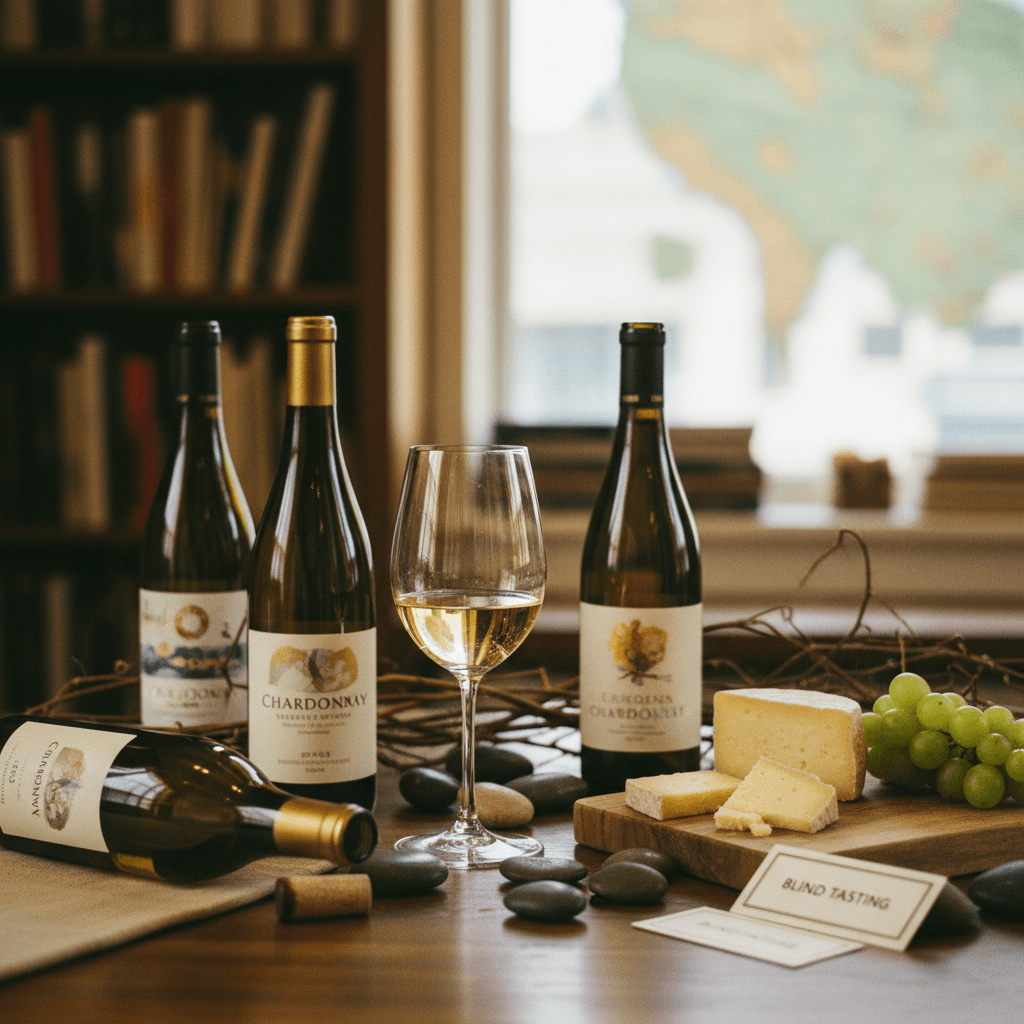
Oregon Chardonnay retail marketing strategies for liquor stores. Turn blind tasting headlines into sales with proven shelf placement and promotion tactics.
- The 'Bottle Shock' Effect Is Back — And Oregon Chardonnay Is the Star
- Oregon Chardonnay by the Numbers: The Growth Story Retailers Need to Know
- What Makes Oregon Chardonnay Different (and Why That Matters at the Shelf)
- 5 Retail Marketing Tactics to Ride the 'Bottle Shock' Buzz Right Now
- Pacific Northwest Wine Retail Strategy: Pricing and Assortment Planning
When an underdog wine region beats the establishment in a blind tasting, something predictable happens: consumers get curious, they Google it, and then they walk into a store looking for the bottle. That sequence is playing out right now with Oregon Chardonnay — and it's handing independent liquor retailers a sales opportunity that doesn't come around often.
The playbook isn't new. It worked for California after the 1976 Judgment of Paris, and it's working again for Oregon after its Chardonnays stunned French Burgundy at the 2025 Judgement of Cape Town [VERIFY: confirm event name, date, and specific results]. But here's what most stores get wrong: they treat these moments like interesting trivia instead of what they actually are — a time-limited marketing catalyst. Oregon Chardonnay retail marketing built around this kind of headline can drive real revenue, but only if you move while the story is still fresh.
This post gives you everything you need to act: the data behind Oregon's growth, the product knowledge your staff needs, and the specific tactics — from shelf placement to social media — that turn blind tasting buzz into cases sold. Let's get into it.
The 'Bottle Shock' Effect Is Back — And Oregon Chardonnay Is the Star
What Happened: Oregon Wine Stuns French Rivals (Again)
If you've seen the film Bottle Shock, you know the story: California wines blindside French legends at the 1976 Judgment of Paris, and the wine world never looks the same. Fast forward to September 2025, and it's happening again — this time with Oregon Chardonnay beating French Burgundy rivals in a competitive blind tasting at the Judgement of Cape Town [VERIFY].
Different decade. Different region. Same headline-grabbing upset.
10 wine club marketing tactics that reduce the 40% year-one cancellation rate and boost member spending at your liquo...
This matters for your store because the Bottle Shock playbook is proven: when an underdog wine region topples the old guard in a blind tasting, consumer curiosity explodes. And Oregon was already on a tear — in 2019, Oregon wine retail sales grew 12.4% while the total wine category barely moved at 0.5%. That 24x growth differential established a trajectory that's still playing out today.
The big players noticed. Stoller Wine Group acquired Elouan (which bottles Chardonnay alongside Pinot Noir) to become Oregon's third-largest Pinot Noir producer. Crimson Wine Group dropped $35 million on Raeburn, a premium Sonoma Chardonnay brand [VERIFY: acquisition price and characterization as primarily a Chardonnay brand]. Money follows momentum.
Why Competitive Blind Tastings Still Move the Needle for Retailers
Here's the plain truth: media moments like this hand you a sales catalyst — but curiosity has a shelf life. When customers see the headline, they'll walk into a store looking for the bottle. The question is whether it's your store.
This isn't about wine snobbery. It's about practical Pacific Northwest wine retail strategy — stocking what sells and knowing how to move it when the spotlight is brightest.
Discover how Provence transformed into a lifestyle brand. Learn provençal wine marketing tactics to boost regional Fr...
The rest of this post breaks down exactly how to capture that buzz before it fades.
Oregon Chardonnay by the Numbers: The Growth Story Retailers Need to Know
Headlines create curiosity. Numbers create confidence. If you're building your marketing strategy around Oregon Chardonnay, start here — with the data that makes the business case impossible to ignore.
A Growth Trajectory That Outpaces the Entire Wine Category
That 12.4% Oregon growth figure from 2019 wasn't a fluke — it reflected a sustained consumer shift toward Pacific Northwest wines that's only accelerated since. For retailers, that gap between Oregon's trajectory and the flat overall category tells you exactly where the momentum is. And momentum drives everything from shelf velocity to customer conversations.
Big Money Is Betting on Oregon and Pacific Northwest Chardonnay
Follow the money and the picture gets even clearer.
Independent stores can capture Syrah's momentum with smart displays, staff storytelling, and Old World/New World tast...
Crimson Wine Group's $35 million Raeburn acquisition [VERIFY] signaled that major corporate players see premium Chardonnay as a category worth serious capital. Meanwhile, Stoller Wine Group's Elouan acquisition gave Oregon Chardonnay legitimate large-scale production and distribution infrastructure.
Then in March 2026, Perry Colin [VERIFY: correct name spelling and project details] launched a dedicated Willamette Valley Chardonnay project built on organic vineyard partnerships — premium positioning from a serious producer doubling down on the category.
Here's what this means for your store: when producers and holding companies invest at this level, marketing dollars, distributor attention, and consumer awareness follow. Smart retailers ride that wave rather than paddle against it.
What Makes Oregon Chardonnay Different (and Why That Matters at the Shelf)
The growth numbers are there and the investment dollars are flowing in. But none of that matters if the wine doesn't stand apart on the palate. Good news: it does — and the difference is easy to explain to customers.
Oregon Chardonnay doesn't taste like what most of your customers think Chardonnay tastes like — and that's your selling advantage.
Where California Chardonnay leans into rich, buttery oak and Burgundy trades on terroir-driven complexity, Oregon has carved out something distinct. The style tends toward what winemakers call "reductive" winemaking — think subtle matchstick and hazelnut notes, bright acidity, and fruit that actually tastes like fruit. It's leaner, more textured, and genuinely different on the palate.
The ~15% New Oak Factor: A Clear Style Differentiator
Here's the number that matters: Oregon Chardonnay producers average roughly 15% new French oak. Compare that to many California producers using 50–100% new oak, and you've got a clear, explainable difference your staff can use on the floor.
That "I don't like oaky Chardonnay" customer? They're your Oregon Chardonnay customer. Train your team on this one talking point and you've got a built-in handselling conversation. That's Oregon Chardonnay retail marketing at its simplest and most effective.
Industry leader Nicolas Quillé [VERIFY: source of quote] sees a "high-end Oregon Chardonnay identity to be found" — one that's already catching sommelier attention. When the on-trade gets excited, retail demand follows.
Oregon's One-Two Punch: Pinot Noir and Chardonnay Together
Smart retailers pair these two together. Oregon Chardonnay is emerging as the state's other great quality wine alongside Pinot Noir — and cross-merchandising them builds a destination section, not just a shelf placement.
The reach is expanding across every price point too. Even Grocery Outlet added Willamette Valley Pinot Noir to its value-tier private label lineup [VERIFY], proving Pacific Northwest wines are connecting with consumers well beyond the wine-geek crowd.
When you're figuring out how to sell Oregon Chardonnay, start here: pair it with Pinot Noir, arm your staff with the oak story, and ride a growth curve that the data says isn't slowing down.
5 Retail Marketing Tactics to Ride the 'Bottle Shock' Buzz Right Now
You've got the data, you understand the product, and you know why this moment matters. Now let's talk execution. When a blind tasting puts Oregon Chardonnay ahead of French Burgundy, you don't sit on that story — you sell with it. Here are five tactics you can deploy this week, not this quarter.
Shelf Talkers and Signage That Tell the Blind Tasting Story
Tactic 1 — Create "Beat the French" shelf talkers. Curiosity-driven shoppers respond to competitive narratives. Keep the copy dead simple: "Oregon Chardonnay beat French Burgundy in a blind tasting. Try the winner." That's it. Place them next to every Oregon Chard on your shelf. The story does the heavy lifting — your signage just needs to point to it.
Tactic 2 — Build a Pacific Northwest wine destination section. Group Oregon Chardonnay alongside Oregon Pinot Noir and Washington wines. This signals authority and makes cross-selling effortless. The regional story practically tells itself: Pinot and Chard are the PNW one-two punch. Merchandise them that way.
In-Store Tastings: Let the Wine Do the Convincing
Tactic 3 — Host your own mini blind tasting. Set up a Saturday afternoon face-off: Oregon Chardonnay vs. Burgundy vs. California Chard at similar price points. Let customers vote. This creates engagement, generates social media content, and almost always moves cases of the underdog winner. It's the single best way to sell Oregon Chardonnay — let people taste it without bias.
Tactic 4 — Train staff with one killer talking point. Give them this: "Oregon Chardonnay uses about 15% new oak — way less than California — so if you like Chardonnay but hate that buttery, oaky taste, this is your wine." One sentence. Easy to remember. Converts the ABC ("Anything But Chardonnay") crowd on the spot.
Social Media and Email Plays That Convert Curiosity to Foot Traffic
Tactic 5 — Run a timely email or social campaign. Use the blind tasting headline as your hook. Subject line: "Oregon Just Beat France at Its Own Game." Link to an in-store promotion or online order page. Time it within two to three weeks of the news cycle for maximum relevance.
Bonus tip: When Crimson Wine Group is paying $35 million for a single Chardonnay brand [VERIFY], the money is clearly following the grape. Drop that kind of stat in your campaigns as social proof. Make sure your customers know this region is having a serious moment — and that your store is where they can be part of it.
Let our team show you what's possible.
our team specializes in digital marketing strategies that drive real results. Let us show you what's possible.
Schedule a CallPacific Northwest Wine Retail Strategy: Pricing and Assortment Planning
Tactics get people in the door. Pricing and assortment planning is what keeps the category profitable long after the initial buzz fades. Here's how to think about Oregon Chardonnay as an ongoing part of your mix — not just a flash-in-the-pan promotion.
Oregon Chardonnay sits in a genuine sweet spot for retailers. Most bottles land between $18–$35 at retail — premium enough to drive real margin but accessible enough that curious buyers won't hesitate. Your pitch is simple: it's the smart upgrade from that $12–$15 California Chardonnay your customers already buy on autopilot.
And here's the margin play most stores are sleeping on. Oregon Chardonnay is still under-distributed compared to California, which means the shop down the street probably isn't stocking it yet. Less price competition means you hold margin better on a category your competitors haven't caught up to. Early movers benefit most.
Where to Position Oregon Chardonnay in Your Price Ladder
Think three tiers:
- Value/Trial ($15–$20): Your entry point. Elouan works well here — it's available at scale, recognizable, and doesn't require hand-selling. Easy win.
- Mid-Tier ($22–$30): This is your staff pick and tasting pour. It's where you teach customers to discover Oregon Chardonnay for themselves.
- Prestige ($35+): For the wine geek and the gift buyer. Higher ring, lower velocity — but worth the shelf space.
Suggested Assortment Mix for Independent Retailers
For most independent stores, start with 3–5 SKUs spread across those tiers. Weight toward mid-tier — that's where your blind tasting converts and repeat purchases live.
Cross-promote with food. Oregon Chardonnay's lighter oak profile pairs naturally with seafood, poultry, and lighter fare. If your store carries cheese or gourmet snacks, build a small end cap or drop a pairing suggestion card nearby. It's a low-effort move that sells bottles without a single discount.
Liquor Retail Marketing Trends: Why 'Story-Driven Selling' Is the Play for 2025–2026
Everything we've covered so far — the blind tasting narrative, the staff talking points, the shelf talkers — ladders up to a bigger trend reshaping how independent retailers compete. Let's zoom out for a moment, because this principle applies far beyond a single grape.
Consumers Buy Narratives, Not Just Bottles
Here's the difference: "92 points from Wine Spectator" is a feature. "This Oregon Chardonnay beat France in a blind tasting" is a story. Both sell wine — but stories generate emotional engagement and word-of-mouth that point scores can't match. Narrative momentum was a major driver behind Oregon's breakout growth — and it's the core of effective Oregon Chardonnay retail marketing: give customers something to tell their friends.
How the Bottle Shock Playbook Applies Beyond Chardonnay
The Judgment of Paris underdog narrative has moved product for nearly 50 years. Every time a new region replicates it — South Africa, Oregon — retailers who lean into the story see measurable lifts. This isn't a one-time trick; it's a transferable framework.
Look at your own inventory. Craft spirits from unexpected regions? Mexican wine? Emerging bourbon producers? Ask yourself: what's the underdog story here? Then build your merchandising around it. That's how you sell Oregon Chardonnay — and everything else with a compelling narrative.
Your Move: Turn Headlines into Revenue Before the Buzz Fades
Here's the bottom line: Oregon Chardonnay just landed a massive earned-media moment through blind tasting wins. The growth data backs it up. The product is genuinely differentiated, increasingly available through expanding producers, and consumers are curious right now. The only variable in your Oregon Chardonnay retail marketing plan is whether you act on it.
Your this-week checklist:
- Call your distributor rep about Oregon Chardonnay allocation — today, not next month.
- Print one shelf talker referencing the blind tasting results.
- Schedule one social post or email blast within 10 days while the buzz is fresh.
- Brief your floor staff: most Oregon Chardonnay uses only ~15% new French oak — that's the talking point that sells the "this isn't Napa butter-bomb" story.
The stores that move first on moments like this are the ones customers remember as tastemakers — not just bottle shops. This is one of those moments.
And if building a Pacific Northwest wine retail strategy around moments like this isn't in your wheelhouse? That's literally what we do. Let's talk.
10+ years helping liquor retailers and beverage brands grow through data-driven digital marketing. Learn more