ProWein 2026 Takeaways: Dealcoholisation Law Changes, Chablis in Brazil, and What U.S. Retailers Should Watch
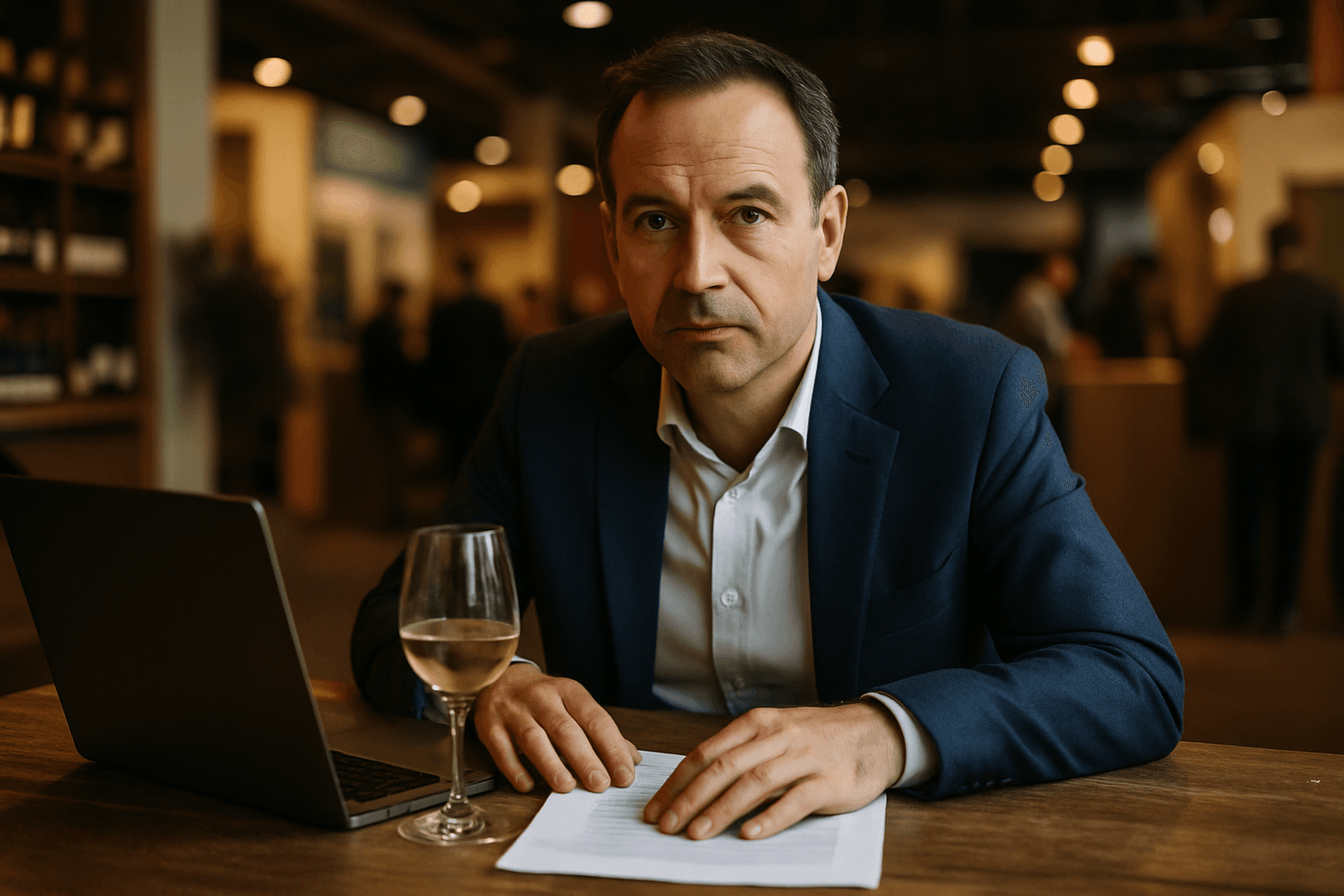
Key ProWein 2026 takeaways for U.S. liquor retailers: dealcoholisation law changes, Chablis market expansion, no/low wine trends, and what to stock next.
- ProWein 2026 in 60 Seconds: What Happened and Why It Matters to Your Store
- Dealcoholization Law Changes: The Shift You Can't Ignore
- The U.S. Regulatory Patchwork: What Retailers Need to Know Before Stocking Dealcoholized Wine
- Chablis in Brazil — and What Unexpected Market Shifts Mean for U.S. Retail Strategy
- What Wine Can Learn from Soft Drinks: Mintel's Cross-Category Playbook
Every March, the global wine industry descends on Düsseldorf for ProWein — and every March, the conversations on that trade-show floor quietly set the agenda for what American retailers will be stocking, pricing, and explaining to customers over the next year or two. If you don't have the budget or the bandwidth to walk the aisles yourself, you need someone translating those signals into decisions you can make this quarter.
That's what this post is. We distilled the most important ProWein 2026 takeaways into a practical briefing for independent liquor store owners and operators in the U.S. — the people who actually have to decide what goes on the shelf, how to price it, and how to talk about it. This year's show surfaced some genuinely surprising developments: a dealcoholized wine market going mainstream, Chablis exploding in Brazil of all places, and tariff anxiety thick enough to taste.
Some of this you can act on today. Some of it you need to start watching. All of it matters more than you probably think. Let's get into it.
ProWein 2026 in 60 Seconds: What Happened and Why It Matters to Your Store
A Leaner, More Focused Trade Show
ProWein 2026 ran March 15–17 in Düsseldorf, and if you've ever dragged yourself through miles of trade-show carpet wondering if you'd actually accomplish anything — this year's edition was built to fix that. Organizers redesigned the layout to be more compact, prioritizing efficiency and meaningful buyer connections over sheer square footage. Less wandering, more doing.
The result? A show that felt sharper and more intentional, which matters because the conversations happening on that floor tend to preview what lands on U.S. retail shelves 12–18 months later. Think of ProWein as your early-warning system for wine industry trends in 2026 and beyond.
Discover how Provence transformed into a lifestyle brand. Learn provençal wine marketing tactics to boost regional Fr...
The Big Themes That Dominated the Floor
Three storylines owned the conversation:
Dealcoholized wine went fully legit. ProWein debuted its first-ever dedicated Zero Tasting Bar — not tucked in a corner, but given real trade-show real estate. That's a signal. The EU now permits dealcoholization of GI wines down to 0.5% ABV , and the global dealcoholized wine market is valued at $3.3 billion . Dealcoholization law changes are rewriting the category, though U.S. retailers should note that products under 0.5% ABV face a patchwork of state-level regulations.
Unexpected market shifts turned heads. Chablis booming in Brazil? Nobody had that on their bingo card.
Geopolitical pressure — especially tariffs — loomed large. If you're tracking U.S. liquor retail trends, the tariff conversation at ProWein should have your attention. We'll dig into that shortly.
Independent stores can capture Syrah's momentum with smart displays, staff storytelling, and Old World/New World tast...
Let's start with the biggest regulatory shift — because it's the one most likely to change your product mix first.
Dealcoholization Law Changes: The Shift You Can't Ignore
If you only track one development from this year's show, make it this one. The regulatory landscape around dealcoholized wine just changed — fundamentally — and it's going to reshape what shows up on your distributor's list within the next 12 to 18 months.
What Italy and the EU Actually Changed
Italy has finalized its implementing regulations for wine dealcoholization . In practical terms, Italian winemakers can now keep every production stage — from grape to finished dealcoholized bottle — entirely domestic. No more shipping wine to another country for processing. That means tighter quality control from producers who already have global brand equity.
But the bigger headline is at the EU level. Member states are now authorized to dealcoholize wines carrying a geographical indication (GI) down to a minimum of 0.5% ABV. Here's what that means in plain language: previously, a dealcoholized Chianti couldn't legally call itself Chianti. Now it can, provided it meets specific conditions. That single change rewrites the marketing story and — more importantly — the consumer trust equation. A recognized appellation on a no/low bottle carries weight that a random startup label simply can't match.
Discover how Uruguay's emerging wine export strategy can help independent liquor stores market lesser-known wine regi...
Why This Is a Big Deal for Product Quality and Selection
Established Italian and European producers are now positioned to capture a significant share of the global dealcoholized wine market. For U.S. retailers, this translates to more credible, appellation-backed no/low options arriving on shelves — products with real provenance behind them.
Let's be clear for the skeptics: this isn't about replacing your wine wall. It's about adding a new, margin-friendly category supported by trusted names you already carry, not unknown brands requiring a sales pitch your floor staff doesn't have time to give.
One caveat: products under 0.5% ABV may face differing state-level regulations, so check your local compliance requirements before building out a dedicated set. But the product pipeline? It just got significantly more interesting.
Of course, a better product pipeline only matters if you can actually sell what's in it. And that brings us to the regulatory mess waiting on this side of the Atlantic.
The U.S. Regulatory Patchwork: What Retailers Need to Know Before Stocking Dealcoholized Wine
Europe is moving fast on dealcoholization law changes — and the U.S. regulatory landscape isn't remotely ready to keep up.
TTB vs. FDA: Who Regulates What
Here's where it gets messy. In the U.S., the Alcohol and Tobacco Tax and Trade Bureau (TTB) regulates wine — but only above 0.5% ABV. Drop below that threshold, and your product may fall under FDA jurisdiction instead. That means different labeling requirements, different distribution channels, and potentially a completely different section of your store.
The practical translation: that dealcoholized Bordeaux isn't necessarily "wine" in the eyes of U.S. regulators.
State-Level Surprises That Could Affect Your Inventory
It gets worse at the state level. A dealcoholized wine that's perfectly legal to sell in California might require a separate license in Texas or face entirely different shelf-placement rules in Pennsylvania's state-controlled system. There's no national standard in sight.
What you should do right now: Contact your state's alcohol control board and your distributor. Ask specifically whether sub-0.5% products are classified as wine, a beverage, or something else entirely.
The retailers sorting out compliance today will have a serious head start when American consumer demand catches up to Europe's momentum. And based on what ProWein showed us — including that dedicated Zero Tasting Bar — that demand is coming faster than most people think.
Chablis in Brazil — and What Unexpected Market Shifts Mean for U.S. Retail Strategy
Why Chablis Sales in Brazil Were a Top Talking Point
Of all the ProWein 2026 takeaways that caught people off guard, this one sparked the most hallway conversations: Chablis is having a moment in Brazil.
Classic French Chablis — that flinty, mineral-driven Chardonnay from northern Burgundy — is finding enthusiastic new buyers in a market historically dominated by bold reds and easy-drinking whites. It's a signal that wine trends are bending in directions nobody's spreadsheet predicted.
And it fits a broader pattern. Over 180 producers showed up to the Cool Climate Wine Summit 2026 in Copenhagen , reflecting serious momentum around crisp, terroir-driven whites. The appetite for these wines isn't a European bubble. It's global.
The Lesson for Independent U.S. Liquor Stores
Here's the thing — this story isn't really about Brazil. It's about palate shifts.
If Brazilian consumers are reaching past familiar labels for mineral-driven whites, there's a good chance younger U.S. wine buyers are doing the same. The generation that grew up on Napa Cab and Pinot Grigio is exploring. They want something with a story, a sense of place, and a flavor profile that feels fresh.
So ask yourself honestly: are you tracking which classic European appellations are gaining traction with new demographics? Or are you restocking the same endcap every quarter?
Here's a practical move. Talk to your distributor reps this week about movement data on Chablis and comparable appellations — Muscadet, Albariño, Grüner Veltliner. A small, curated Burgundy section with staff-pick shelf talkers costs almost nothing to set up, but it signals to adventurous buyers that your store gets it. That's how you differentiate from the chain down the road.
Let our team show you what's possible.
our team specializes in digital marketing strategies that drive real results. Let us show you what's possible.
Schedule a CallWhat Wine Can Learn from Soft Drinks: Mintel's Cross-Category Playbook
One of the most practical insights from ProWein didn't come from a winemaker — it came from Mintel, the consumer research firm. Their presentation made a simple but powerful argument: wine's next growth chapter looks a lot like what's already happened in soft drinks.
Flavor Innovation, Wellness, and Sustainability as Growth Drivers
Mintel identified three cross-category engines driving beverage spending right now: flavor innovation, wellness positioning, and sustainability messaging. Sound familiar? It should. These are the same forces behind the explosion of functional sodas, adaptogen drinks, and low-sugar seltzers.
The wine industry is catching on. The innovation pipeline is filling up — shaped by the same consumer expectations reshaping every other beverage aisle.
Here's the translation for U.S. liquor retail: the customer buying a prebiotic soda at Whole Foods on Tuesday is walking into your store on Friday. They're looking for wine that fits their lifestyle narrative — not just a varietal and a vintage.
How to Apply This Thinking to Your Shelves
Consider creating a "Better For You" or "Lighter Sips" endcap that groups low-alcohol wines, organic options, and sustainably produced bottles together. Borrow the merchandising language from the wellness aisle — it works because it meets customers where they already are.
This isn't about chasing every headline. It's about recognizing that category boundaries are blurring. The stores that adapt their merchandising will capture spend that otherwise walks out the door and into a grocery store beverage aisle. That's not hype — that's just where the money is moving.
Tariffs and Trade Tensions: The Elephant on the Show Floor
If there's one topic that shadowed every handshake at ProWein 2026, it was tariffs. Alongside no/low trends and dealcoholization law changes, geopolitical trade pressures dominated hallway conversations in Düsseldorf.
How Geopolitical Pressures Are Reshaping Wine Sourcing
Tariff uncertainty is already reshaping wine sourcing strategies heading into 2026 and beyond. European producers — particularly from France, Italy, and Spain — face unpredictable access to the U.S. market. For retailers heavily indexed on these regions, that translates directly to price volatility on your shelves.
What This Means for Your Pricing and Supplier Relationships
Don't panic, but prepare. Lock in pricing with distributors where you can. Explore domestic or Southern Hemisphere alternatives for price-sensitive SKUs. And stay connected — organizations like WSWA and your state retail group are your early-warning system on trade policy shifts. Diversifying your sourcing conversations now is smart business, not overreaction.
So — a lot to process. Let's boil it all down into moves you can make before the end of the quarter.
Your 2026 Action List: Five Things to Do This Quarter Based on ProWein Trends
These ProWein 2026 takeaways aren't just interesting — they're actionable. Here's your punch list:
- Audit your no/low-alcohol selection. EU rules now allow dealcoholization of GI wines down to 0.5% ABV, and established European producers are entering the category fast. Check your state regulations (U.S. rules vary wildly for products under 0.5% ABV), then call your distributors about incoming European labels.
- Review your classic European wine mix. Chablis and similar appellations offer real margin and differentiation potential most competitors are ignoring.
- Create a wellness-positioned merchandising section. Group low-ABV, organic, and sustainable wines together with clear signage. Consumer demand is real and growing.
- Have a tariff contingency conversation with your top three distributors. Know which SKUs are exposed. Identify backups now.
- Subscribe to one trade-show recap source (like this blog). The trends surfacing at ProWein today will hit your competitor's shelves tomorrow — and you don't need a flight to Düsseldorf to stay ahead.
The Bottom Line
ProWein 2026 wasn't just another trade show — it was a preview of the decisions you'll be making for the next two years. Dealcoholized wine backed by real appellations, palate shifts that are redrawing the map of what sells, wellness-driven merchandising that borrows from categories outside your four walls, and tariff pressures that demand smarter sourcing. None of these trends exist in isolation. Together, they paint a picture of a wine retail landscape that's shifting faster than most store owners realize.
The good news? You don't need to overhaul your business overnight. You need to make five phone calls, rethink one endcap, and stay plugged into the signals that matter. The ProWein 2026 takeaways in this post give you a head start — but only if you act on them.
Pick one item from the action list above and do it this week. Then bookmark this page and come back for the next one. That's how you stay ahead — not by attending every trade show on the planet, but by turning the right insights into the right moves at the right time.
Want more actionable retail intelligence delivered straight to your inbox? [Subscribe to the Intentionally Creative newsletter] so the next shift doesn't catch you off guard.
10+ years helping liquor retailers and beverage brands grow through data-driven digital marketing. Learn more