Restaurant Wine Markups Are Driving Diners to Retail: How Liquor Stores Can Capture the 'Better Value at Home' Wine Shopper
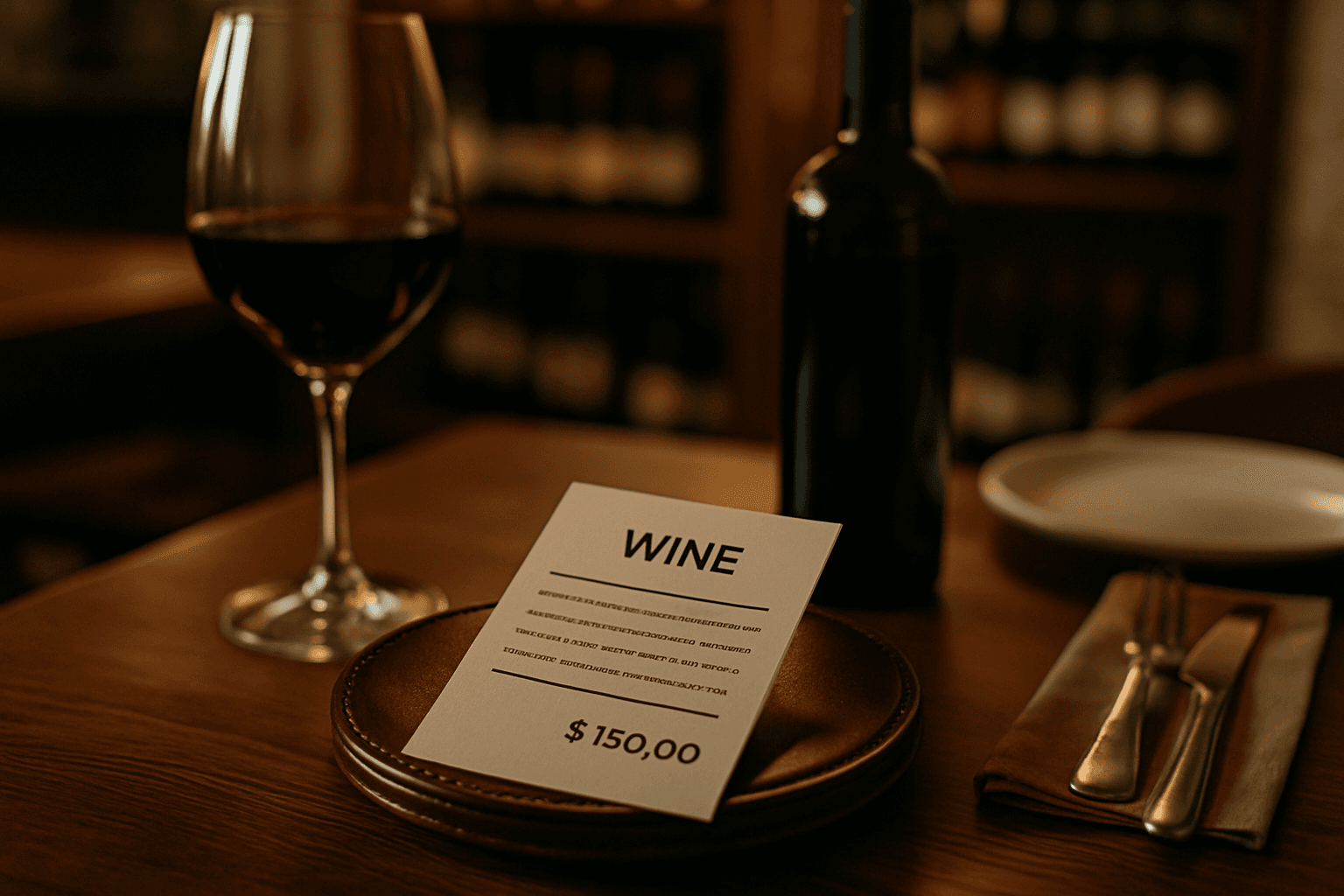
Restaurant wine markup averages 200-300% over retail. Learn how liquor stores can attract value-seeking wine shoppers with proven marketing strategies.
- The Restaurant Wine Markup Problem Is Getting Worse — and Your Customers Know It
- Breaking Down the Numbers: Wine Retail vs. Restaurant Pricing
- The 'Better Value at Home' Wine Trend Is Real — and Growing
- 5 Proven Strategies to Attract Wine Shoppers to Your Liquor Store
- How to Budget for Liquor Store Wine Marketing (Without Overspending)
Your customers had dinner last Saturday night. They ordered a bottle of wine they recognized — something they've bought from your shelf for $35. The restaurant charged $95. They didn't say anything to the server, but they noticed. They always notice now.
The restaurant wine markup has become one of the worst-kept secrets in the food and beverage industry, and it's fundamentally changing where people buy wine. With average markups running 200–300% over retail, millions of diners are making a quiet but decisive shift: they're spending less on wine at restaurants and more at stores like yours. This isn't a hunch — it's backed by pricing data, consumer behavior trends, and the simple, unavoidable math that every smartphone-carrying diner can now do in seconds.
For liquor store owners, this represents one of the clearest growth opportunities in years. But opportunity without action is just a nice statistic. This post breaks down exactly how big the markup gap is, who these value-seeking wine shoppers are, and — most importantly — five proven strategies to make sure they're walking through your door. Let's get into it.
The Restaurant Wine Markup Problem Is Getting Worse — and Your Customers Know It
Here's a number that should get your attention: the average restaurant wine markup sits between 200% and 300% over retail price. That $20 bottle on your shelf? It's $50 to $80 on a restaurant wine list. And that's not the extreme — it's the norm.
What Restaurants Actually Charge for Wine
A 2025 multi-restaurant analysis put a hard number on what most of us already suspected. The average markup to retail price across restaurants came in at 3.03x. That means a bottle you sell for $30 is listed at roughly $90 at the table down the street.
The math gets even more aggressive at the lower end. Industry sommeliers have documented $15 retail bottles marked up 400% — landing at $60 or more on a dinner menu. Meanwhile, higher-end bottles tend to carry slightly lower multipliers (a $90 wholesale wine might hit $180), but the dollar gap is still enormous.
10 wine club marketing tactics that reduce the 40% year-one cancellation rate and boost member spending at your liquo...
This isn't anecdotal. It's systemic. And it's the single biggest reason wine retail vs restaurant pricing has become a dinner-table conversation.
Why Diners Are Starting to Push Back
Your customers aren't guessing anymore. Apps like Vivino and Wine-Searcher put real-time retail pricing in every diner's pocket. One quick scan of a wine list, one search on a phone under the table, and the restaurant wine markup is laid bare.
That moment of sticker shock? It's happening millions of times a week. And it's reshaping buying behavior.
Diners aren't swearing off good wine — they're swearing off overpaying for it. They're ordering water at dinner and buying two bottles on the way home. They're hosting instead of going out. They're becoming your customers, whether you've done anything to attract them or not.
The markup gap is real, it's growing, and it's creating a massive opportunity for any liquor store with a smart wine retail strategy. The only question is whether you're positioned to capture it.
Discover how Provence transformed into a lifestyle brand. Learn provençal wine marketing tactics to boost regional Fr...
So just how big is this gap? Let's put exact dollar figures on it — because once you see the numbers tier by tier, you'll understand why this value story practically sells itself.
Breaking Down the Numbers: Wine Retail vs. Restaurant Pricing
Let's talk real numbers — because this is where the opportunity gets impossible to ignore.
The standard restaurant wine markup in the US runs 2.5–3x the retail price. One multi-restaurant analysis found the average sits at 3.03x retail. That means for every bottle on your shelf, a restaurant down the street is charging triple what you are.
And consumers are starting to notice.
The Markup at Every Price Tier
Here's how wine retail vs. restaurant pricing shakes out at three common wholesale price points:
Independent stores can capture Syrah's momentum with smart displays, staff storytelling, and Old World/New World tast...
| Wholesale Cost | Your Retail Price | Restaurant Price | Consumer Pays Extra |
|---|---|---|---|
| $10 | ~$15 | $25–$30 | 2x more at dinner |
| $30 | ~$40–$45 | ~$80 | 2.6x more at dinner |
| $90 | ~$120 | ~$180 | 2x more at dinner |
That's the same wine. Same vintage. Same producer. The only difference is where someone opens it.
Where the Value Gap Hits Hardest
The mid-range tier — that $30 wholesale sweet spot — is where the gap stings most for diners. A bottle marked to $80 at a restaurant sits on your shelf for $40. That's a $40 difference the customer feels every time they see a check.
Even "affordable" restaurant wine lists aren't cheap. Fine dining's lowest-cost bottles start at $10–$20 wholesale, which means the cheapest glass-worthy option still carries a heavy markup before it hits the table.
This is the exact data that should shape your liquor store wine marketing. When you understand how to attract wine shoppers to liquor stores, it starts here — with a value story that practically tells itself.
Now that you can see the pricing gap in black and white, the natural question is: are consumers actually changing their behavior because of it? The short answer is yes — and the shift started years ago.
The 'Better Value at Home' Wine Trend Is Real — and Growing
Something shifted during lockdown. Millions of consumers who'd only ever ordered wine at restaurants started buying bottles at retail — and they liked what they found. Not just the convenience, but the math. That $30 retail bottle they were enjoying at home? It would cost them $80 to $150 at a restaurant, thanks to the standard restaurant wine markup of 2.5x to 3x retail price.
Many of those consumers never went back.
Post-Pandemic Habits That Stuck
The data tells a clear story. Multi-restaurant analyses show an average markup of 3.03x retail price on wine lists. A bottle your store sells for $30 routinely hits $80 on a dinner menu. Even at the high end, a $90 wholesale wine gets marked up to $180 — and diners are doing that calculation on their phones before the sommelier finishes pouring.
This isn't a US-only phenomenon, either. London restaurants average a 3.07x markup, confirming this is a global, persistent shift in wine retail vs restaurant pricing — not a pandemic blip.
The New Wine-at-Home Consumer Profile
Here's what matters for your liquor store wine marketing: this shopper isn't cheap. They're typically mid-to-upper income, aged 30–55, and genuinely interested in discovering new wines. They just refuse to feel ripped off.
They want to spend $30 to $50 on a great bottle. They want guidance, story, and a reason to try something new. They're actively looking for a better retail experience — and if you're not building one, a competitor (or a DTC subscription) will.
The question isn't whether these shoppers exist. It's whether they can find you.
They exist, they're spending, and they're looking. So let's get practical. Here are the five strategies that consistently turn this pricing advantage into actual revenue for liquor stores.
5 Proven Strategies to Attract Wine Shoppers to Your Liquor Store
You know the opportunity is real. Diners are tired of paying 2.5–3x retail for the same bottle they could grab from your shelf. Now the question is: how do you make sure they grab it from your shelf and not someone else's?
Wine retailers consistently report that these five tactics generate the best measurable results. Here's how to put each one to work.
Lead with the Value Story (In-Store and Online)
Stop being subtle about the math. The average restaurant wine markup runs 200–300% over retail — a multi-restaurant analysis found the average sits at 3.03x retail price. That's your competitive advantage. Use it.
Create shelf tags that spell it out: "This $35 Barolo? It's $95 at the restaurant down the street." Run social posts with side-by-side comparisons. Put wine retail vs. restaurant pricing front and center in your email newsletters. When shoppers see the gap in black and white — a $30 wholesale bottle selling for $80 at a restaurant versus $38 on your shelf — the decision makes itself.
Build a Loyalty Program That Rewards Wine Exploration
Wine shoppers are explorers by nature. Give them a reason to keep exploring with you. Offer points multipliers on wine purchases, create a "wine club" tier with early access to new arrivals, or launch a simple punch card for trying new varietals. The goal is turning a one-time value-seeker into a regular who associates your store with discovery — not just savings.
Use SMS Marketing to Drive Repeat Wine Purchases
Wine retailers on Reddit consistently call SMS one of the highest-performing marketing channels heading into 2025. Send a weekly "staff pick" text, alert subscribers to new arrivals, or run a flash sale notification. The rules: keep it short, keep it personal, and never exceed two messages per week. That's enough to stay top-of-mind without becoming noise.
Host Tastings That Convert Browsers to Buyers
Nothing converts a wine-curious shopper like tasting before buying. Partner with your distributors to offset costs — most are happy to pour if it moves cases. Position these events around the value angle: "Restaurant-quality wine at retail prices." It reframes the experience and reinforces why shopping with you beats dining out.
Launch or Upgrade Your E-Commerce Storefront
Many value-seeking wine shoppers research online before they ever walk through your door. If your wine inventory isn't visible online, you're invisible to this audience entirely. Even a basic e-commerce setup with delivery or in-store pickup options changes the game for liquor store wine marketing. You don't need anything fancy — you need to be findable.
The bottom line: every one of these strategies works because it meets the "better value at home" shopper exactly where they already are — fed up with the restaurant wine markup and looking for a smarter way to drink well.
Five strong strategies — but none of them require you to break the bank. Here's how to fund this without overspending.
Let our team show you what's possible.
our team specializes in digital marketing strategies that drive real results. Let us show you what's possible.
Schedule a CallHow to Budget for Liquor Store Wine Marketing (Without Overspending)
You don't need a restaurant-sized marketing budget to win wine shoppers. You just need to spend smarter.
The 5-10% Rule for Small Liquor Stores
Most independent liquor stores allocate 5–10% of revenue to marketing — and that's plenty when every dollar goes toward channels with trackable results. The goal of liquor store wine marketing isn't to outspend restaurants. It's to outmaneuver them. When diners are already frustrated by the 2.5–3x restaurant wine markup (that $30 wholesale bottle hitting the menu at $80), you don't need a billboard to make your case. You need the right message in the right place.
Prioritize Channels That Show Measurable ROI
Start with what's cheap and proven. SMS marketing and social media cost nearly nothing but drive real foot traffic and repeat purchases. Next, layer in tastings and events — often subsidized by your distributors — plus a simple loyalty program. Save paid ads and print for later, if ever.
The non-negotiable? Track everything. Redemption rates on loyalty offers, click-throughs on texts, tasting-to-purchase conversion. If you can't measure it, stop spending on it.
When wine retail vs restaurant pricing already does your selling for you, smart targeting beats big budgets every time. That's how you attract wine shoppers to your liquor store — efficiently and profitably.
With your budget dialed in, the final piece is how you present yourself. Strategy and spending only work if your brand tells the right story.
Positioning Your Store as the Smart Alternative to Restaurant Wine
Messaging That Resonates Without Bashing Restaurants
Here's the thing: your customers love dining out. They're not looking for a reason to stop. They're looking for a reason to drink great wine at home without feeling ripped off.
With the average restaurant wine markup sitting at 3x retail — a multi-restaurant analysis found it's actually 3.03x — the value case makes itself. You don't need to be combative. You need to be confident.
Try messaging like "Restaurant-quality wine, retail prices" or "Why pay 3x? Drink better at home." That $30 bottle on your shelf? It's $80 on a restaurant wine list. Let the math do the talking.
Building a Wine-Forward Brand Identity
To attract wine shoppers to your liquor store, close the experience gap restaurants sell. Train your staff to recommend wines the way a sommelier would — knowledgeable, approachable, zero pretension.
Then make it visual. Curate a dedicated "Sommelier Picks" or "Restaurant Favorites" section in-store. This signals expertise instantly and makes the wine retail vs restaurant pricing comparison effortless. Shoppers see the quality, recognize the labels, and understand the value — no spreadsheet required.
That's smart liquor store wine marketing: letting your shelf do the persuading.
The Bottom Line: This Opportunity Won't Wait
Restaurant wine markup isn't a trend — it's a structural reality. That 200–300% gap between what diners pay and what your shelves offer isn't shrinking. With averages hitting 3x retail price across multi-restaurant analyses, consumers have done the math. They know a $30 wholesale bottle shouldn't cost $80.
The wine-at-home movement has permanent momentum, and price-aware shoppers are actively looking for a better option. The liquor stores that win them will be the ones investing in smart wine retail vs restaurant pricing messaging, creating memorable in-store experiences, and making the value case impossible to ignore.
Your move this week: Audit your current liquor store wine marketing. Pick one tactic from this post and implement it before the month ends. Track the results. The shoppers are already shifting — the only question is whether they're walking into your store or someone else's.
Want more strategies for growing your liquor store's wine business? Subscribe to the Intentionally Creative newsletter for actionable marketing insights delivered straight to your inbox.
10+ years helping liquor retailers and beverage brands grow through data-driven digital marketing. Learn more