No- and Low-Alcohol Wine Technology Is Advancing Fast: How Nano-Filtration and Novel Yeasts Are Creating Products Worth Stocking
By Intentionally Creative11 min read
Listen to this article13:24
Schedule a free strategy call and Intentionally Creative will build a custom plan for you.
Schedule Your Free Strategy CallFree audit. No commitment.
Get a Free Audit. No commitment.
No and low alcohol wine technology is evolving fast. Learn how nano-filtration and novel yeasts are finally creating products your customers will rebuy.
Let's be honest: you've probably been burned by no-alcohol wine before. You gave it shelf space, a customer tried it once, and the bottle collected dust until you quietly marked it down. The category had a credibility problem — and for good reason. The products just weren't good enough.
But something has shifted, and it's not just marketing. No and low alcohol wine technology has undergone a genuine transformation in the past few years, driven by two converging innovations: nano-filtration systems that remove alcohol without gutting flavor, and novel yeast strains that produce less alcohol in the first place. The result is a new generation of wines that taste like wines — not like grape juice pretending to be something it's not.
For liquor retail owners, this matters right now. The EU has updated its regulations to formally recognize dealcoholized wine on labels [VERIFY exact scope of EU 2021/2117 wine labeling changes]. Sommeliers are putting these bottles on tasting menus. And dedicated production facilities are opening in California. The question isn't whether this category is coming — it's whether your shelves will be ready when your customers start looking for it. Here's what you need to know.
You've seen it play out on your own shelves. A customer picks up a no-alcohol wine, tries it once, and never buys it again. The curiosity is real — but the product couldn't deliver on flavor, body, or mouthfeel. The result? Dead shelf space and a category you learned to distrust.
Discover how Provence transformed into a lifestyle brand. Learn provençal wine marketing tactics to boost regional Fr...
That skepticism was earned. But the products arriving in 2025 are fundamentally different from what burned you before.
Quick terminology check before we go further — these distinctions matter for your shelf tags and staff training:
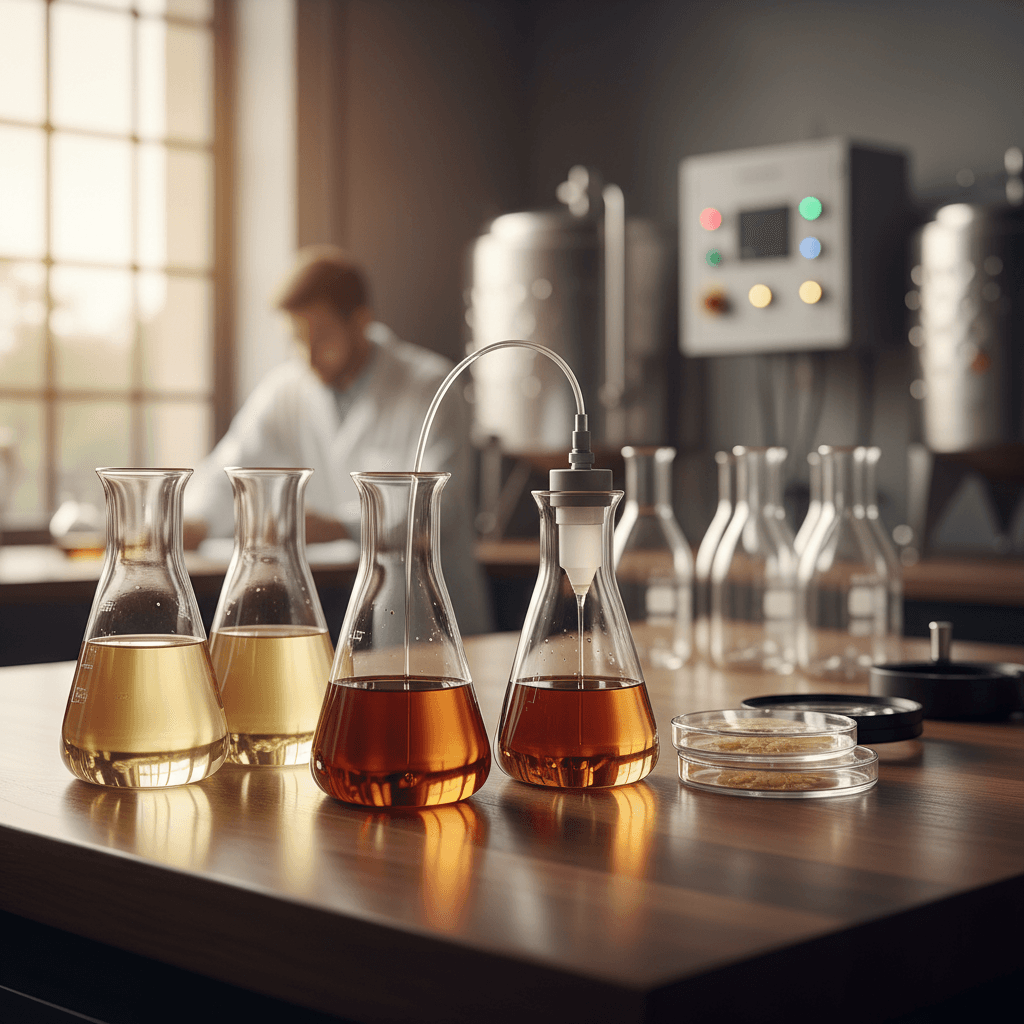
Two technology fronts are powering the quality revolution. First, the nano-filtration wine process — a membrane-based approach that separates alcohol at the molecular level while preserving the compounds that actually make wine taste like wine. Second, novel yeasts for low alcohol wine that produce less alcohol during fermentation itself, protecting aroma and body from the start.
Independent stores can capture Syrah's momentum with smart displays, staff storytelling, and Old World/New World tast...
Understanding these innovations isn't just interesting — it's a stocking edge. Let's break them down.
Here's the part most customers (and plenty of retailers) get wrong: no-alcohol wine doesn't start as grape juice. It starts as real wine — fully fermented, full-strength — and then the alcohol gets removed. Understanding the basics matters because it directly affects what you're putting on your shelf and how you talk about it.
The main dealcoholization methods are reverse osmosis (RO), nanofiltration (NF), osmotic transport, and column distillation. Each works differently, but the principle is the same: separate the alcohol from everything else.
Discover how Uruguay's emerging wine export strategy can help independent liquor stores market lesser-known wine regi...
For wines targeting a lower ABV (say, 5–9%), producers can use gentler combinations — like RO paired with osmotic transport — that preserve more of the wine's original character. True 0.0% ABV products require more aggressive processing and additional aroma-recovery steps to rebuild what gets lost. The nano-filtration wine process is gaining ground because NF membranes offer more selective molecular separation than traditional RO, stripping alcohol while letting more flavor compounds pass through.
Here's a labeling distinction every retailer needs to nail: the terms "non-alcoholic," "alcohol-free," and "low-alcohol" are not interchangeable. Get these wrong on your shelf tags or in staff recommendations, and you risk losing customer trust — especially with shoppers who are avoiding alcohol for health, pregnancy, or recovery reasons. Accuracy isn't optional; it's the foundation of credibility in this category.
But here's the thing worth getting excited about: the real innovation isn't just removing alcohol — it's what happens next to rebuild the flavor.
If you've ever tasted a no- or low-alcohol wine and thought, "This tastes like someone boiled the soul out of a perfectly good Chardonnay," you're not wrong. Many early dealcoholization methods used heat — essentially distilling the alcohol away — and took all the delicate aromas with it.
That's exactly why the industry has shifted hard toward membrane-based methods. And nano-filtration (NF) is leading that shift.
Here's the simple version: nano-filtration pushes wine through a membrane with very specific pore sizes. Those pores are selective enough to let water and ethanol molecules pass through while holding back the good stuff — flavor compounds, organic acids, color molecules, and the aromatic complexity that makes wine taste like wine.
Critically, it's a non-thermal process. No heat. No cooking. No stripping away the volatile aromas that give a Pinot Noir its signature character.
Reverse osmosis (RO) and nanofiltration are both membrane technologies — the two primary membrane approaches used in wine dealcoholization today. The difference comes down to selectivity. RO membranes have tighter pores that block almost everything except water, meaning the initial separation loses more flavor compounds. (Many RO setups recombine permeate to recover some of those compounds, but it's an extra step.) The nano-filtration wine process uses slightly larger pores that are more discriminating — separating ethanol while retaining more of the compounds you actually want to keep.
Think of RO as a bouncer who clears the room first and sorts people out in the lobby. NF is the bouncer who checks the list at the door.
This matters for your shelves more than you might think. Companies like Solos have spent over a decade perfecting aroma recovery systems alongside NF technology, and they're expanding with a dedicated North Coast California facility opening late 2025. That kind of investment signals confidence in the quality these methods can deliver.
If you're waiting for permission to take no and low alcohol wine technology seriously, the market is already writing the memo.
The European Union has updated its wine regulations to formally allow dealcoholized and partially dealcoholized products to be labeled as wine [VERIFY exact regulatory reference and scope]. This matters more than it sounds. Regulatory clarity means standardized labeling and a legitimate framework that producers and retailers can build around. It's the same kind of institutional validation that preceded explosive growth in craft beer and RTD cocktails. When governments stop treating a category as an asterisk, investment follows.
Here's a signal worth paying attention to: sommeliers are putting no/low-alcohol wines on tasting menus. When fine-dining establishments start offering these pairings alongside traditional wines, consumer perception shifts from "compromise" to "choice." Advances in nano-filtration and novel yeast strains mean these products can finally hold up under that kind of scrutiny. Sommeliers don't stake their reputations on gimmicks.
The sparkling and luxury tiers are leading the upscale push — and that's telling. The highest-margin opportunities in this space mirror traditional wine's premium structure. Retail trends are pointing toward trade-up behavior, not bargain hunting.
For the skeptical retailer: regulatory recognition, chef-driven adoption, and premium positioning aren't trend-piece talking points. They're the exact playbook you've already seen work.
The landscape is evolving fast. Here's how to turn that into sales.
Your customers don't know the difference between non-alcoholic and alcohol-free — yet. Clear shelf signage explaining the ABV distinctions (0.0% vs. up to 0.5% vs. reduced-alcohol) is non-negotiable. Confusion kills conversion in this category faster than anything else.
Start asking suppliers a simple question: How do you make this? Brands that can articulate their dealcoholization approach — whether they're using nano-filtration, aroma recovery systems, or novel yeast strains — are the ones delivering products that earn repeat purchases. If a supplier can't explain their process, that's a red flag.
Position dealcoholized wines next to their full-strength counterparts — not in a separate wellness ghetto. Normalization drives trial among wine buyers who are simply moderating, not necessarily sober-curious.
Start with sparkling options, where premium traction is strongest, then expand into still wines as quality benchmarks rise.
One final rule: a curated selection of five excellent bottles beats twenty mediocre ones. Shelf space is expensive, and one bad bottle can sour a customer on the entire category.
Here's the short version: no and low alcohol wine technology has fundamentally changed. Nano-filtration now separates alcohol at the molecular level without stripping flavor. Novel yeast strains ferment grapes to significantly lower ABV — in some cases 3–5% — so less needs to be removed afterward. Aroma recovery systems capture the volatile compounds that used to vanish during dealcoholization and put them back in the bottle.
10+ years helping liquor retailers and beverage brands grow through data-driven digital marketing. Learn more
For retailers, here's the bottom line: wines produced with nano-filtration taste more like actual wine — not like grape juice with an identity crisis. That distinction is everything when it comes to repeat purchases. A curiosity buy gets a bottle off your shelf once. A product that genuinely delivers brings customers back and earns permanent shelf space.
Nano-filtration gets most of the headlines, but it's only part of the story. The breakthroughs most likely to put a product on your shelf that actually sells twice are happening on two additional fronts.
Here's the logic problem with dealcoholization: you make a full-strength wine, then strip the alcohol out, and inevitably lose some flavor compounds along the way. Novel yeasts for low alcohol wine production flip that script entirely.
These non-traditional yeast strains naturally convert less sugar into alcohol during fermentation. The result? A wine that finishes at, say, 3–5% ABV instead of 13% — meaning far less alcohol needs to be removed afterward and far more character survives the process. Some producers then apply a final dealcoholization step (like NF) to bring the wine below 0.5% ABV for non-alcoholic labeling.
Less intervention, more flavor. It's a simple equation, and it's producing noticeably better products.
Even with gentler removal methods, some volatile aroma compounds inevitably escape. That's where dedicated recovery systems come in.
Solos, a Germany-based company, developed a proprietary aroma recovery system designed to capture and reintroduce those lost compounds. Their upcoming North Coast, California production facility (late 2025) represents a serious capital commitment to scaling this approach.
ALTR is a newer technology company targeting the persistent taste shortcomings of low- and no-ABV wines, with first commercial wines expected to hit the market soon. Details on their specific process are still emerging, but they're one to watch.
These aren't lab experiments anymore. Dedicated production facilities and commercial launches mean consistent, scalable supply — which is what actually matters when you're deciding whether to give this category real estate. The product quality gap is closing fast.
Intentionally Creative specializes in digital marketing strategies that drive real results. Let us show you what's possible.
Schedule a CallThis isn't a fad. Solos is opening a dedicated North Coast production facility in late 2025. Companies like ALTR are building entire businesses around solving the taste problem. The EU is formalizing regulatory frameworks. The infrastructure is real, and the investment is accelerating.
The retailers who stock technology-forward brands now — and educate their customers on what's changed — will own this category before competitors even notice.
Need help positioning an emerging category like this for your local market? That's exactly what we do at Intentionally Creative. Let's build your strategy → ↗